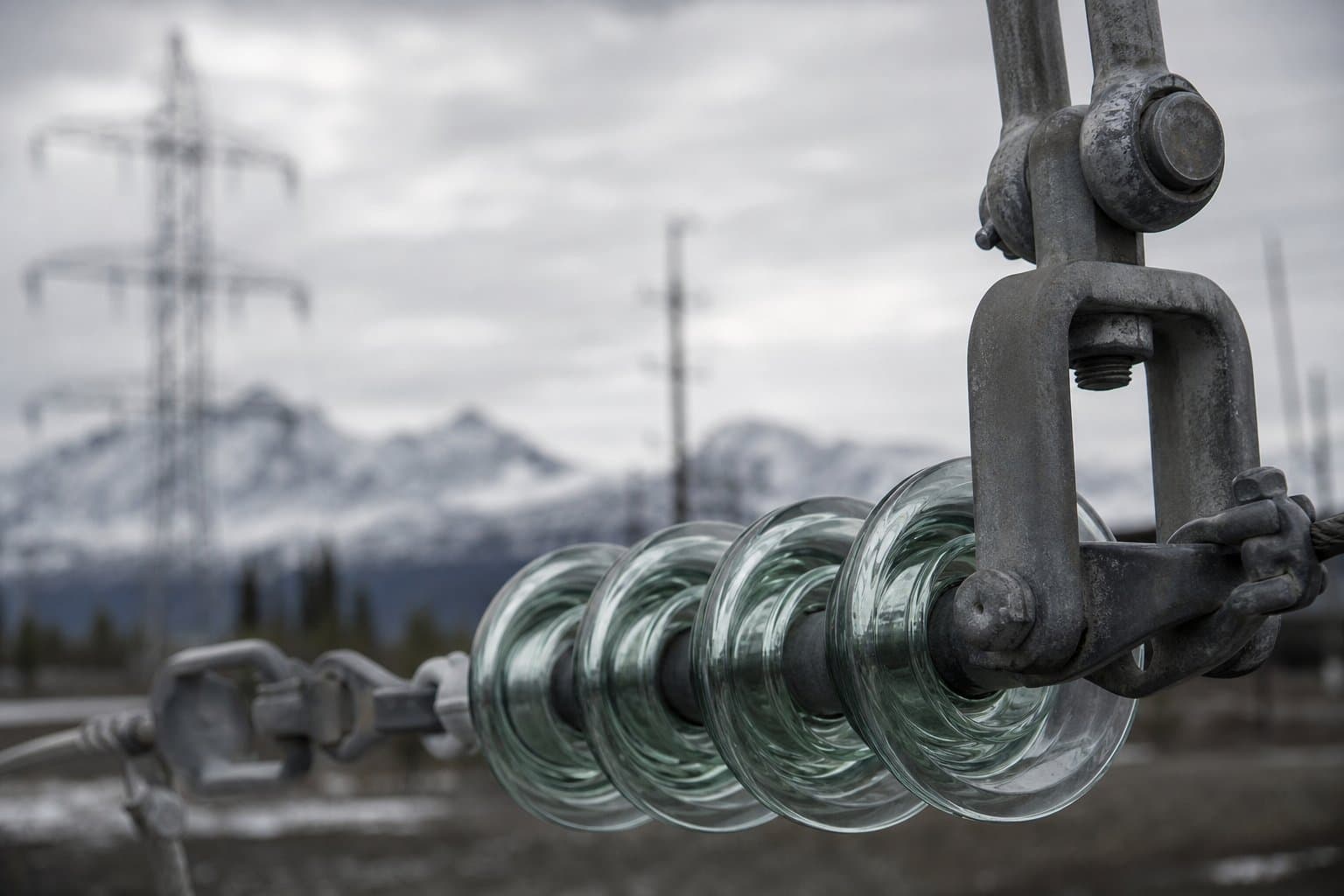
AI image
GVEA updates rules for connecting generators 20 MW and larger
Golden Valley Electric Association has asked state regulators to approve a rulebook for how the largest power plants plug into the Interior Alaska grid — a filing that reads like routine utility housekeeping but arrives at a moment when the question of who can add generation, and on what terms, has rarely mattered more for the Fairbanks region.
The cooperative filed two tariffs with the Regulatory Commission of Alaska: establishing Large Generator Interconnection Procedures for any generating facility of 20 megawatts or larger, and establishing a Community Energy Program.
The 20-megawatt line is the same threshold the federal government has used for two decades to separate “large” generators from “small” ones.
Public utilities that operate transmission facilities must adopt standardized interconnection procedures and a standard agreement for generating facilities with a capacity of more than 20 megawatts. Anything at or below that line falls under a separate, lighter-weight track for small generators.
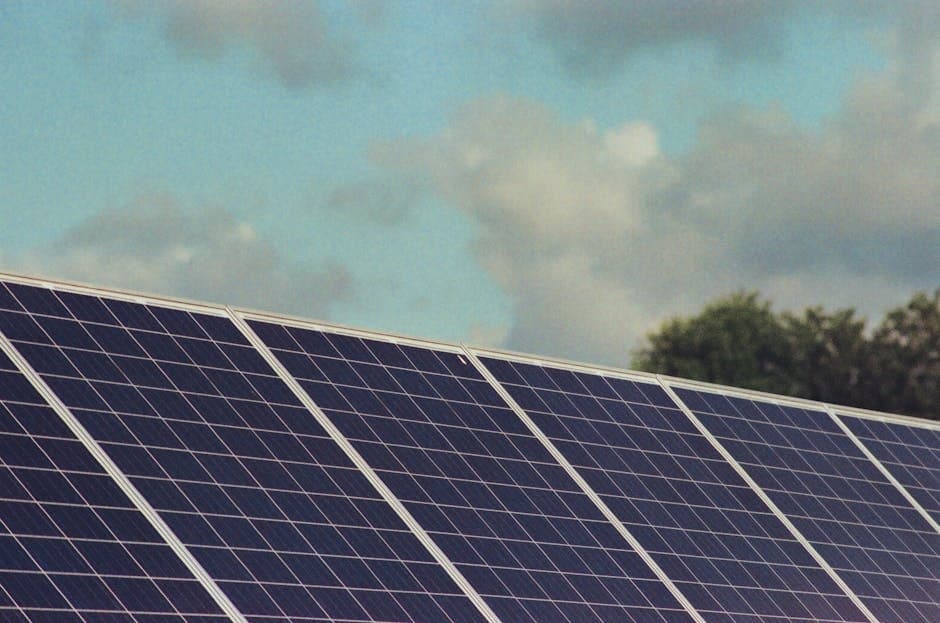
The Interior grid has effectively become an island. By GVEA’s own account, since February 2024 the cooperative has been unable to purchase power over the Northern and Alaska interties except in emergencies  — severing the historic flow of lower-cost, gas-fired electricity north from Southcentral. The expiration of a 20-megawatt gas supply contract with ENSTAR has compounded the squeeze. What remains is local generation: the coal-fired Healy units, the roughly 25-megawatt Eva Creek wind farm, a small Fairbanks solar array, battery storage, and a constrained share of Bradley Lake hydro — of GVEA’s 20-megawatt entitlement, transmission limits let it draw only about 15 megawatts at a time , delivered to Fairbanks at roughly 6.9 cents per kilowatt-hour.
In that environment, every megawatt of new generation that can be added locally — and the rules governing how it connects — carries weight that a routine tariff filing would not in a better-supplied grid.
The second tariff, the Community Energy Program, is filed alongside the interconnection procedures but addressed at a different scale, oriented toward community- and member-level participation rather than utility-scale plants. The specifics of how it will operate are what the RCA’s comment period exists to surface.
If the RCA signs off, the Interior will have, for the first time, a federal-style front door for large generators — just as the grid that door opens onto has never been more dependent on what gets built inside it.
Source: RCA receives multiple utility tariff filings for June 2026.
Made by our human newsroom with AI. How humans and AI work here · Grow with our newsroom
Stay informed. Support what matters.
Free local news you can verify. Support Walter AlaskaNews and go ad-free.








Comments
Sign in to leave a comment.
No comments yet. Be the first to share your thoughts.