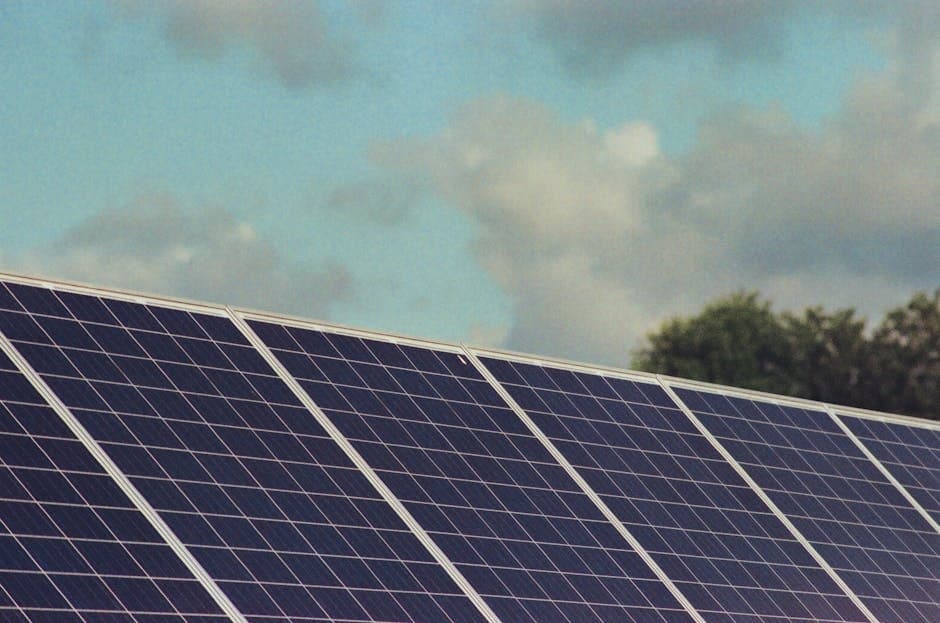
Photo by Adrinil Dennis on Pexels · Photo source
Four Railbelt utilities file shared-solar tariffs in two days
All four major Alaska Railbelt electric utilities filed community-energy program tariffs with the Regulatory Commission of Alaska on June 2 and 3 — implementing the 2024 Saving Alaskans Money with Voluntary Community Energy (SAVE) Act, the law that lets Alaskans buy shares in solar and other renewable facilities without installing equipment on their own property.
Golden Valley Electric Association, Chugach Electric Association, Homer Electric Association, and Matanuska Electric Association all filed within the same 48-hour window. Each tariff sets the terms, conditions, and fees for member subscribers to participate in shared facilities connected to the utility's distribution system. GVEA requested a July 16 effective date.
The mechanism the SAVE Act created is called virtual net-metering. Power generated at a community energy facility — typically a solar array, though the law also allows other technologies like wind — is fed into the utility grid, and its value is credited proportionately to subscribers' monthly bills. The Regulatory Commission will set the per-kilowatt-hour value subscribers receive.
The framework is designed to extend solar access to Alaskans who can't put panels on their own roofs — renters, condominium owners, residents of shaded or structurally unsuitable buildings, and people who can't afford the upfront cost of a personal system. The filings also land at a moment when Cook Inlet's declining natural gas supply has pushed Railbelt utilities to diversify generation away from gas-fired sources.
The Regulatory Commission will review the tariffs against state utility standards before deciding whether to approve them.
Source: Regulatory Commission of Alaska.
Made by our human newsroom with AI. How humans and AI work here · Grow with our newsroom
Stay informed. Support what matters.
Free, permanent access to local news you can verify. Subscribe to support Alaska News and go ad-free.
Related Coverage
Four Alaska co-ops file community solar tariffs in two-day span
Alaska News · 4mo ago
Four Alaska utilities file community-energy tariffs in 72 hours
Alaska News · 4mo ago
Chugach proposes fees for community solar hookups
Alaska News · 4mo ago
Homer Electric members will be able to buy into shared solar starting in February
Alaska News · 2mo ago
Golden Valley Electric has rules for community solar and no community solar
Alaska News · 2mo ago
Comments
Sign in to leave a comment.
No comments yet. Be the first to share your thoughts.