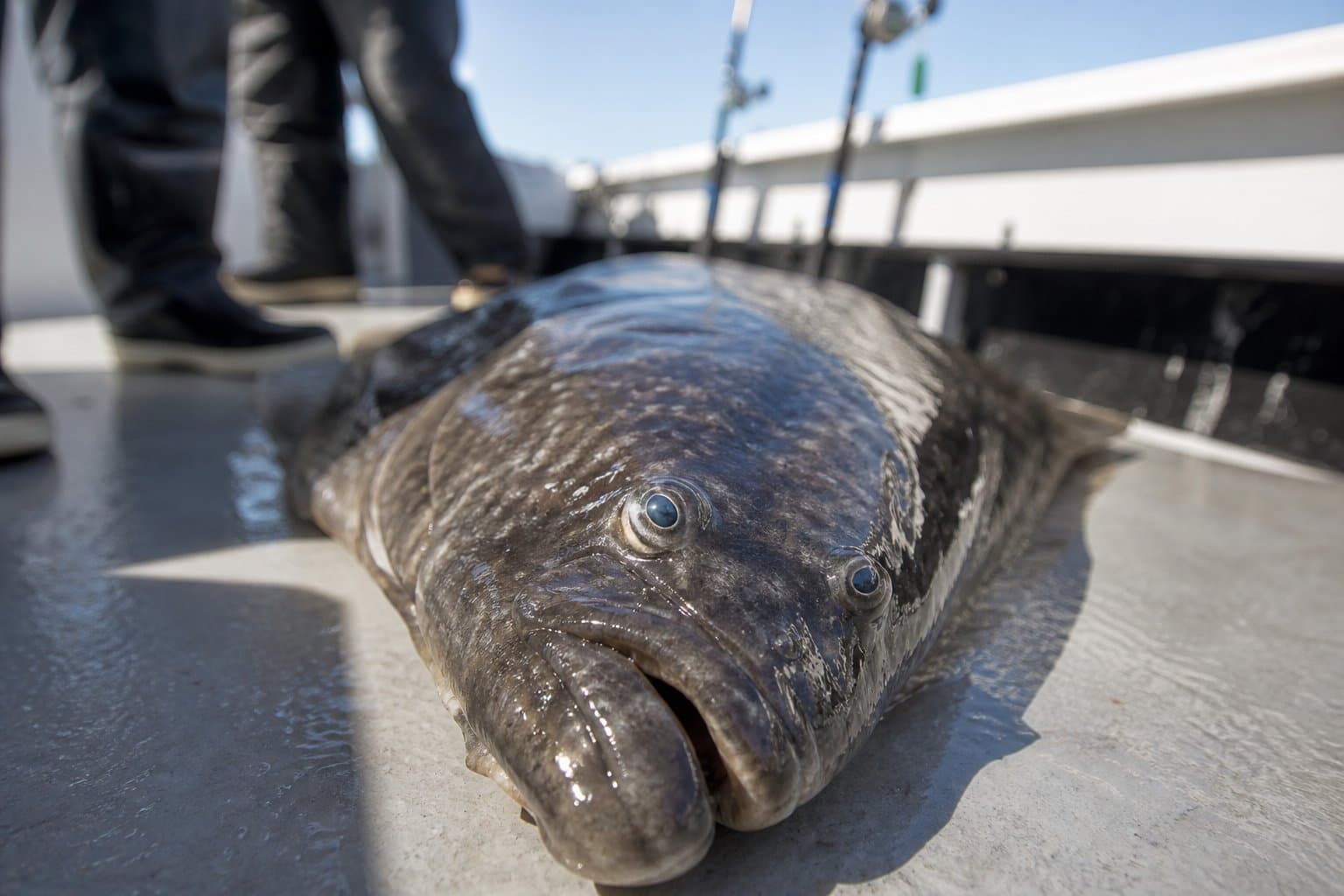
Generated Image · Photo source
Halibut anglers on Alaska charters now pay $20 a day — and the money is funding a decades-old battle over who gets to catch the fish
Adult anglers fishing on Alaska charter boats in Southeast and Southcentral now have to buy a $20 stamp for each day they plan to keep halibut, under a federal requirement that took effect with the 2026 charter season. The fee is straightforward. The story behind it is older and more complicated.
The Charter Halibut Stamp applies to anglers 18 and older fishing in International Pacific Halibut Commission areas 2C (Southeast Alaska) and 3A (Southcentral — the waters around Homer, Seward, Whittier, Valdez and Kodiak). Anglers must tell their guide before fishing begins if they plan to retain halibut. Guides purchase the electronic stamps through NOAA Fisheries' system and validate them before each trip. Anglers fishing without a guide and those who only catch and release halibut are exempt. Some charter operators bundle the cost into trip pricing; others charge it as a line item.
Behind the new fee is a long-running tension in Pacific halibut management. Halibut is managed under an international framework set by the International Pacific Halibut Commission, which sets the total catch limit each year. That limit is then divided among commercial longliners, charter operators, subsistence and personal-use fishermen, and tribes. The charter sector has frequently bumped up against its allocation as guided trips have grown over decades, and the commercial sector has resisted giving up quota.
The Recreational Quota Entity program — recommended by the North Pacific Fishery Management Council and authorized for fee collection by Congress in the 2023 omnibus spending bill — was the policy compromise. It created a mechanism for the charter sector to buy commercial halibut quota shares in areas 2C and 3A, letting recreational interests expand their allocation by purchasing it from commercial holders rather than getting it through reallocation by regulators. The stamp revenue funds those purchases, along with halibut conservation, research, promotion, and program administration.
The result for an angler is a $20 daily fee. The result for the fishery is a slow, market-based transfer of halibut quota from the commercial sector to the charter sector — the kind of structural change that's hard to accomplish through pure regulation but more politically workable when one side is paying for it.
A few other things worth knowing: charter halibut permits have been limited-entry in both areas since 2011, capping the total number of guided halibut businesses in Alaska. The new stamp requirement applies to all permit holders, including vessels operating under Community Quota Entity and military recreation programs. NOAA Fisheries set the daily fee at $20 flat, with no multi-day discount.
Based on a press release.
Made by our human newsroom with AI. How humans and AI work here · Grow with our newsroom
Stay informed. Support what matters.
Free, permanent access to local news you can verify. Subscribe to support Alaska News and go ad-free.
Related Coverage
Council advisers debate studying more charter leasing of commercial halibut quota
Alaska News · 2w ago
Charter halibut committee meets online Sept. 30; comment accepted beforehand
Alaska News · 1mo ago
Pacific halibut hit a 40-year low as Alaska absorbs the deepest cuts
Alaska News · 2mo ago
The West Coast dips into the halibut stock Alaska shares
Alaska News · 3mo ago
Why Alaska is giving out-of-staters more kings as the runs falter
Alaska News · 3mo ago
Comments
Sign in to leave a comment.
No comments yet. Be the first to share your thoughts.