Interior agenda lists Endangered Species Act 'harm' rescission at final rule stage
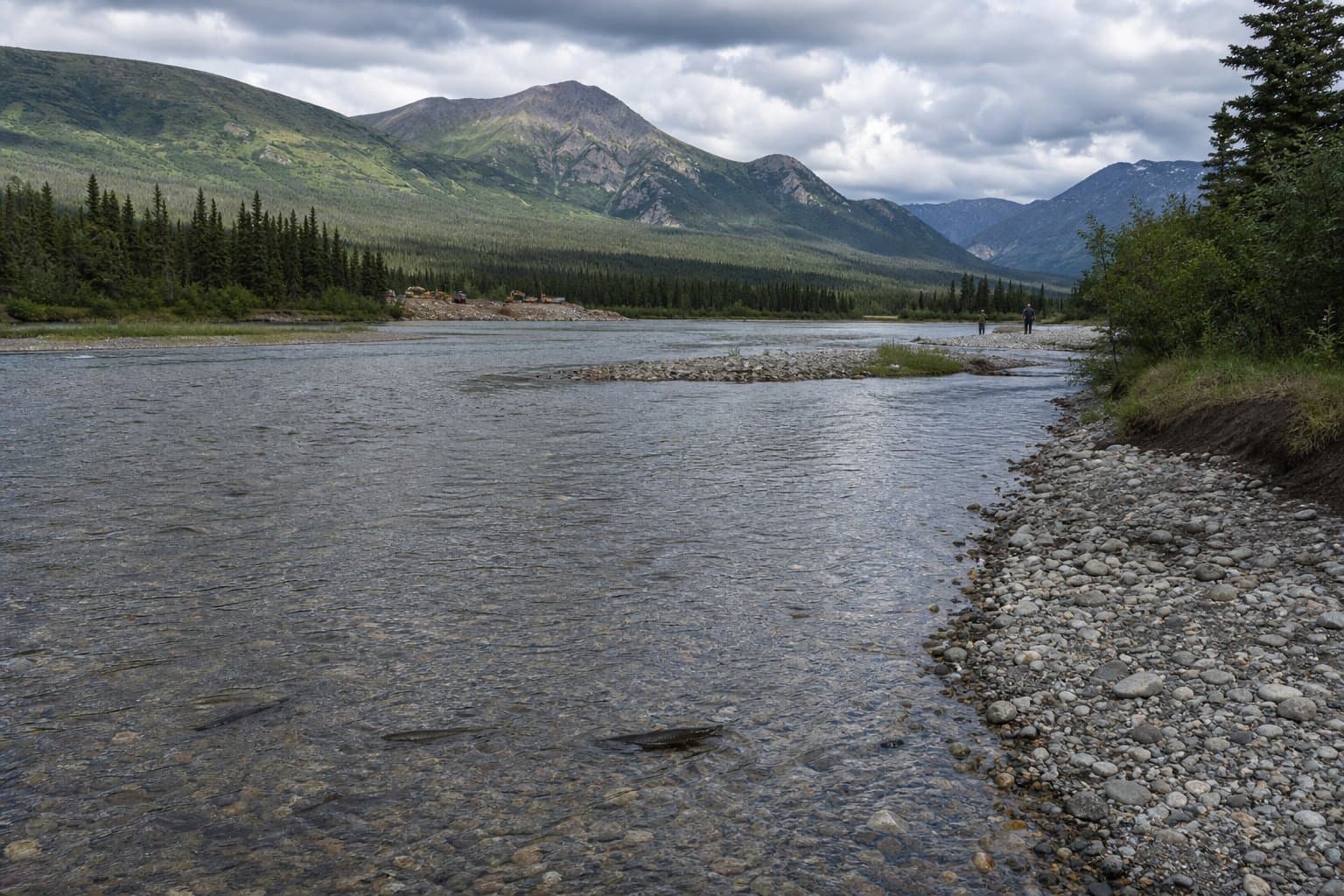
Habitat modification could soon stop counting as "harm" to a threatened or endangered species under a rule the U.S. Fish and Wildlife Service and NOAA Fisheries are moving toward completing, according to Interior's semiannual regulatory agenda, published Friday in the Federal Register. For Alaska, that reaches the rivers: federal protection for threatened and endangered fish has for decades extended to actions that alter spawning beds, block migration, or degrade the water a listed run depends on. The proposed rescission would narrow the prohibition to direct killing or injury.
The agenda lists the rescission at Final Rule Stage under the Fish and Wildlife Service, with final action projected for July 2026. That is a projection, not a completed action: the proposed rule was published April 17, 2025, the comment period closed May 19, 2025, and a Regulatory Flexibility Analysis was required, the agency's marker for a rule expected to have significant economic effects on a substantial number of small entities.
The agenda states the agencies' reasoning in their own words. The existing definition of "harm," which includes habitat modification, "runs contrary to the best meaning of the statutory term 'take,'" the Fish and Wildlife Service and National Marine Fisheries Service wrote, framing the change as an effort to adhere to the single, best meaning of the Endangered Species Act.
The agenda itself contains no opposing view. It is a listing of the Department's own planned actions. Opposition exists elsewhere in the record. The Swinomish Indian Tribal Community and the Squaxin Island Tribe filed a complaint in federal district court in Western Washington arguing that habitat degradation is a primary driver of the decline of listed Puget Sound salmon stocks, and that removing habitat protection would injure the tribes and their treaty-reserved fishing rights. During the comment period, Earthjustice and co-commenters argued the rule would improperly weaken endangered-species protections because habitat modification is a real form of harm, especially for salmon.
Gina Shultz, deputy assistant director for ecological services at the Fish and Wildlife Service, is listed as the agency contact for the rulemaking.
AI-assisted, reviewed by editors. Spot an error?
Stay informed. Support what matters.
Free, permanent access to local news you can verify. Subscribe to support Maggie AlaskaNews and go ad-free.
Related Coverage
Federal rule changes loosen protections for Alaska's listed species
Alaska News · 2w ago · 85% match
Trump Wildlife Pick Wants Fewer ESA Lawsuits — Alaska Is Ground Zero
Alaska News · 1mo ago · 78% match
Fish and Wildlife Service seeks $5M to cut energy permit times in half
Alaska News · 2mo ago · 77% match
USDA moves to rescind the roadless rule on the Tongass
Alaska News · 1mo ago · 76% match
NOAA Fisheries declined to list Gulf of Alaska Chinook under the ESA
Alaska News · 1mo ago · 76% match
Comments
Sign in to leave a comment.
No comments yet. Be the first to share your thoughts.