Video Clips
Quoted moments from Alaska public meetings, hearings, and press conferences.
Allison Kelleher
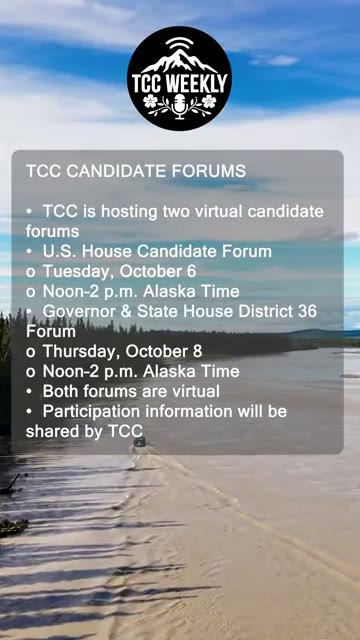
“Both forums are virtual so you can join from your community. TCC will share information on how to participate.”Tanana Chiefs Conference: TCC Weekly Episode 67 · Oct 5, 2026
Allison Kelleher
“Looking ahead to the November 3rd general election, Tanana Chiefs Conference is hosting two virtual candidate forums. The first, Tuesday, October 6th, will feature candidates for the U.S. House, followed by the second forum on Thursday, October 8th, featuring candidates for Governor and the State House District 36. Both forums run from noon to 2 PM Alaska time. Candidates will discuss issues important to tribes and rural communities, including subsistence, public safety, housing, healthcare, and the cost of living. The forums are nonpartisan and TCC does not endorse candidates.”Tanana Chiefs Conference: TCC Weekly Episode 67 · Oct 5, 2026
Allison Kelleher
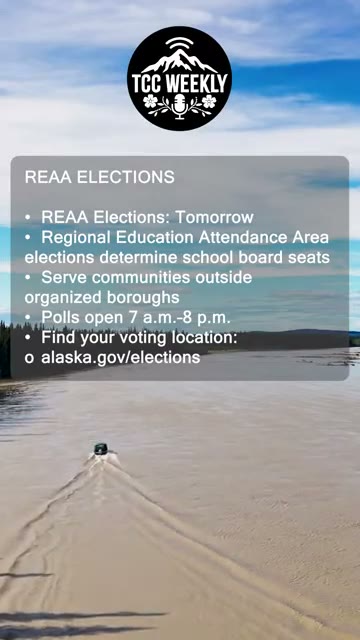
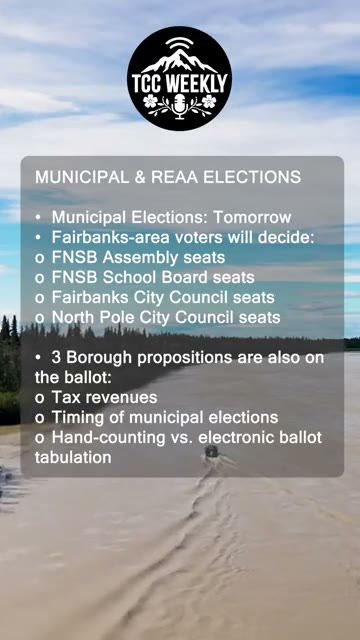
“There are also 3 borough propositions on the ballot addressing tax revenues, the timing of municipal elections, and whether ballots should be hand-counted or electronically tabulated. In rural areas, Regional Education Attendance Area, or REAA, elections are also happening tomorrow. These elections determine school board seats in communities outside organized boroughs. Do you know your municipal election voting spot? Polls will be open from 7 AM to 8 PM, and you can find out where to vote by visiting www.alaska.gov/elections.”Tanana Chiefs Conference: TCC Weekly Episode 67 · Oct 5, 2026
Allison Kelleher
“Municipal elections are tomorrow. In Fairbanks, voters will decide seats on the Fairbanks North Star Borough Assembly and School Board, as well as the Fairbanks and North Pole City Councils.”Tanana Chiefs Conference: TCC Weekly Episode 67 · Oct 5, 2026
Speaker C
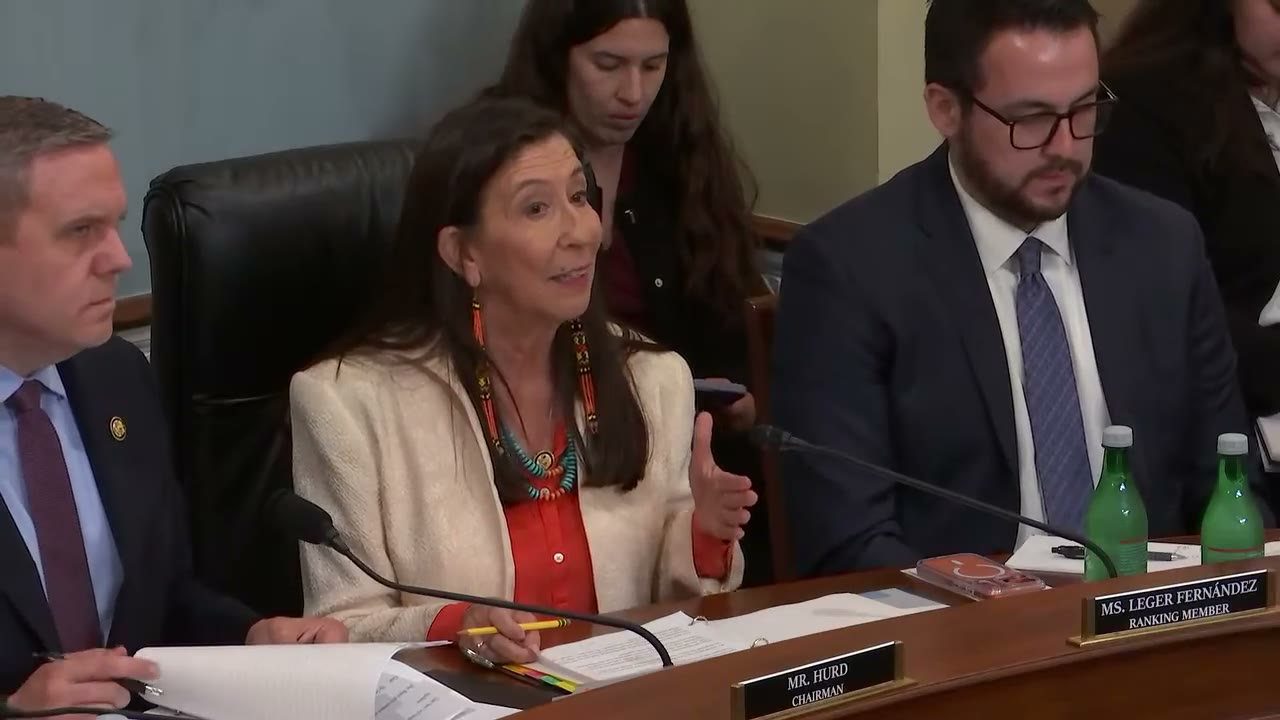
“when the Department of Commerce originally testified on this bill in— yes, it was 1999— the official stated, since the cost of the authority could be significant, I believe it is important to emphasize that the department cannot currently perform the work required.”House Natural Resources Subcommittee on Indian and Insular Affairs (Begich): Legislative Hearing · Jun 9, 2026
Speaker C
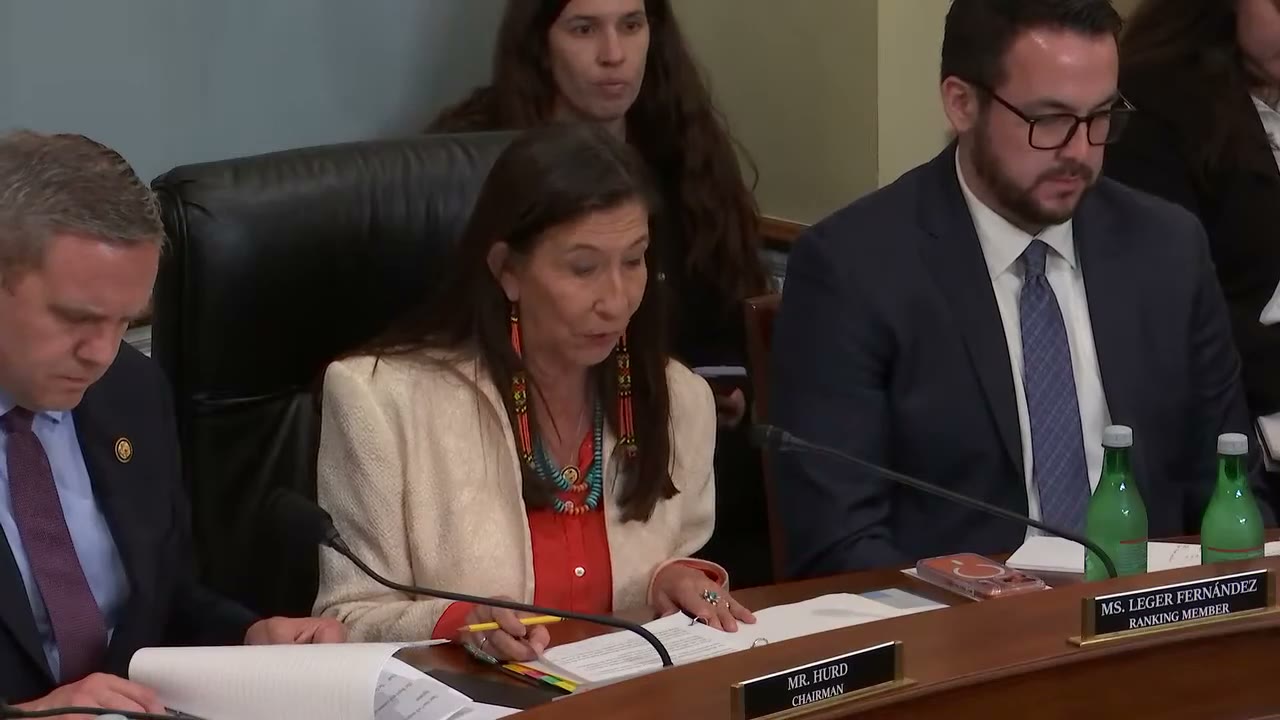
“Chairman Hurd's H.R. 8954, The Tribal Regulatory Reform Regulatory Reform Act takes an important step to boost economic opportunities in Indian Country. It transfers all administrative responsibilities and jurisdiction of the Indian Tribal Regulatory Reform and Business Development Act from the Department of Commerce to the Interior.”House Natural Resources Subcommittee on Indian and Insular Affairs (Begich): Legislative Hearing · Jun 9, 2026
Nick Begich
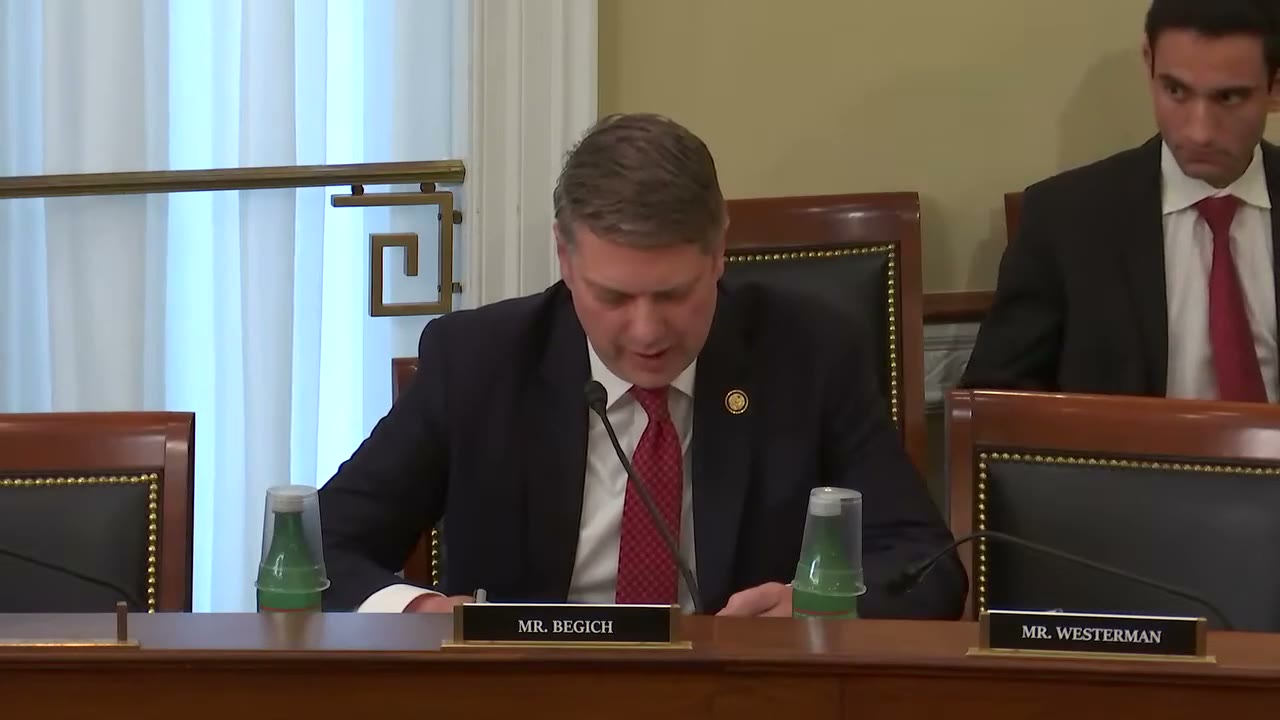
“Rabies is not a historical threat in northern and western Alaska. It's enzoonotic, meaning it is consistently present in the wildlife, and our communities live with the risk of an exposure event every single year.”House Natural Resources Subcommittee on Indian and Insular Affairs (Begich): Legislative Hearing · Jun 9, 2026
Rodney Butler
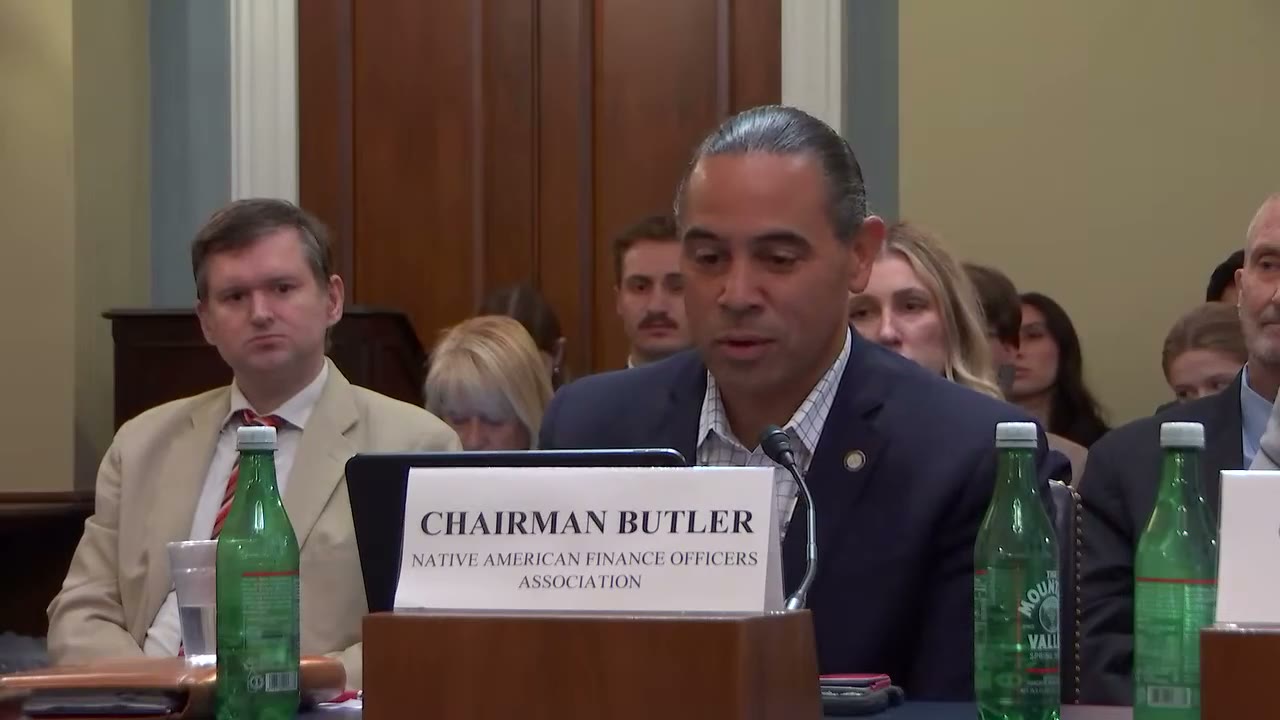
“In 2000, in the year 2000, Congress passed the Indian Tribal Regulatory Reform and Business Development Act with a clear mandate to comprehensively review federal regulations that impede investment in business development on Indian lands and recommend their removal. The legislation established a 21-member authority with 12 seats reserved for tribal representatives, and it directed it to report to Congress within one year. That authority was never convened. 25 Years later, the mandate remains unfilled.”House Natural Resources Subcommittee on Indian and Insular Affairs (Begich): Legislative Hearing · Jun 9, 2026
Rodney Butler
“There wasn't the resources, there wasn't the funding, and in 25 years, absolutely nothing happened. Doesn't mean that's not important. It's clearly— it shows the level of importance Commerce and to various administrations, but that was the main hurdle for it not moving forward. And so without resources, I mean, it's just an empty promise.”House Natural Resources Subcommittee on Indian and Insular Affairs (Begich): Legislative Hearing · Jun 9, 2026
Hurd
“If our goal is tribal economic development, responsibility should rest with the department that works with tribal governments every single day. The Department of the Interior is the central federal agency for government-to-government relations with the tribes, promoting tribal economic development and administering federal programs throughout Indian Country.”House Natural Resources Subcommittee on Indian and Insular Affairs (Begich): Legislative Hearing · Jun 9, 2026
Speaker C
“This committee should give members the opportunity to ask IHS questions about the current barriers to eliminating rabies. We should get to ask what would be needed to successfully implement the new authority in H.R. 8473.”House Natural Resources Subcommittee on Indian and Insular Affairs (Begich): Legislative Hearing · Jun 9, 2026
Nick Begich
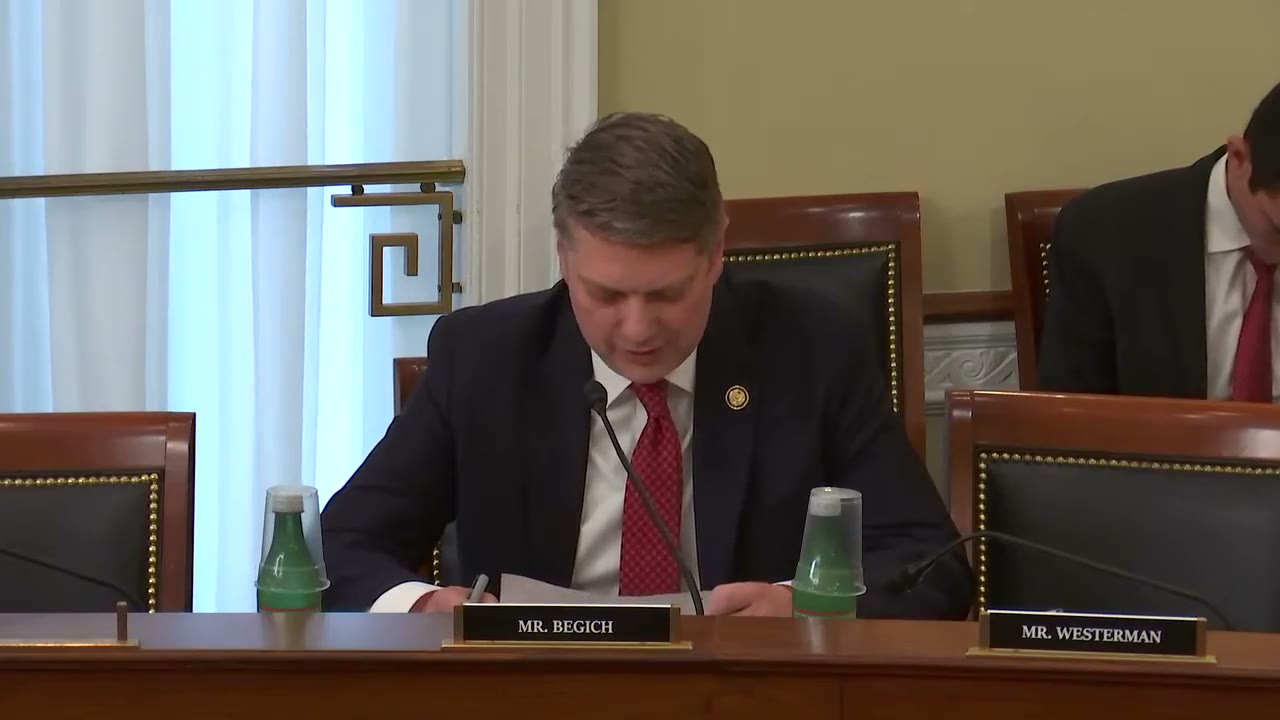
“The underlying cause is straightforward. IHS does not have explicit statutory authority to provide or fund the basic veterinary services—rabies vaccination, spay and neuter, parasite and disease prevention—that stop zoonotic disease before it reaches a person and prevent the bite that puts a child in an emergency room.”House Natural Resources Subcommittee on Indian and Insular Affairs (Begich): Legislative Hearing · Jun 9, 2026
Nick Begich
“it directs Animal and Plant Health Inspection Service Wildlife Services to study oral rabies vaccine delivery to Arctic wildlife, tackling the upstream source of the problem at its source. This is a prevention bill. It protects children, reduces downstream costs to the federal health system, and it honors tribal self-determination.”House Natural Resources Subcommittee on Indian and Insular Affairs (Begich): Legislative Hearing · Jun 9, 2026
Hurd
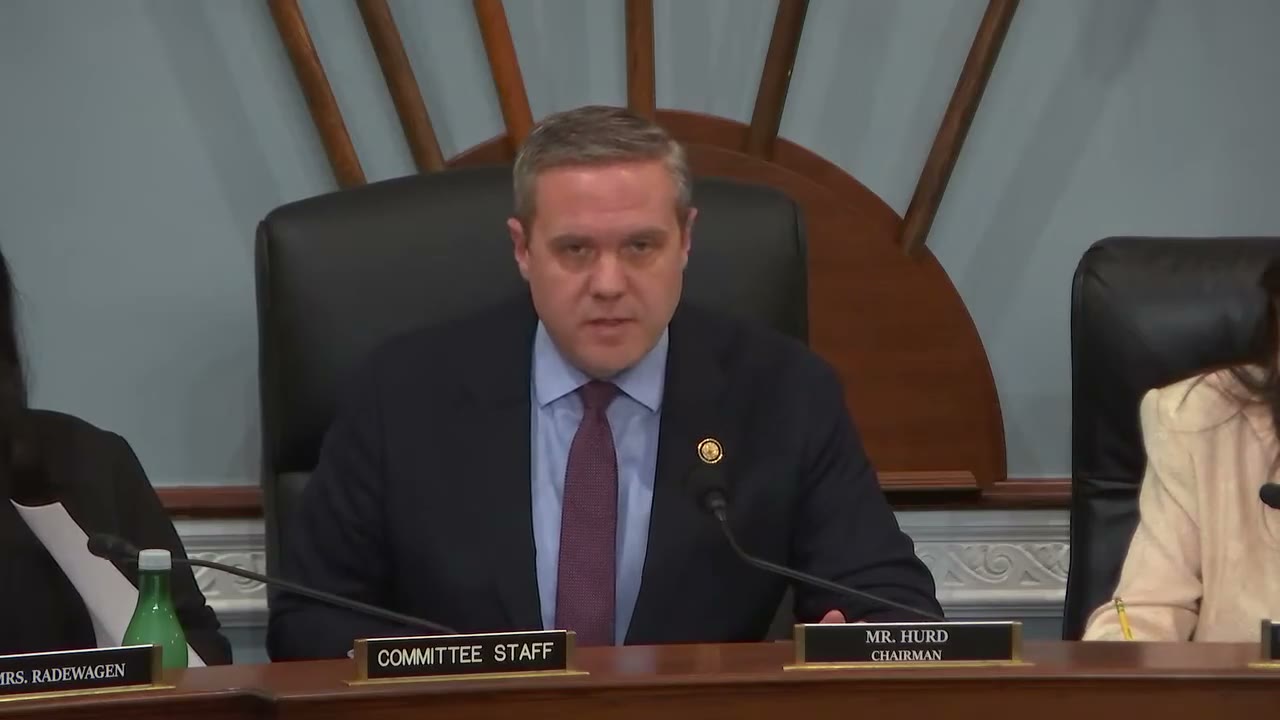
“H.R. 8473, Introduced by Representative Begich of Alaska, which would authorize HHS to utilize funds for public health veterinary services through direct service care or under Indian Self-Determination and Education Assistance Act contracts and compacts. There's a correlation between unreliable veterinary services and high rates of rabies and zoonotic diseases. In a 5-year span between 2019 and 2024, 24,000 patients received ambulatory care from dog bites throughout IHS service areas.”House Natural Resources Subcommittee on Indian and Insular Affairs (Begich): Legislative Hearing · Jun 9, 2026
Rodney Butler
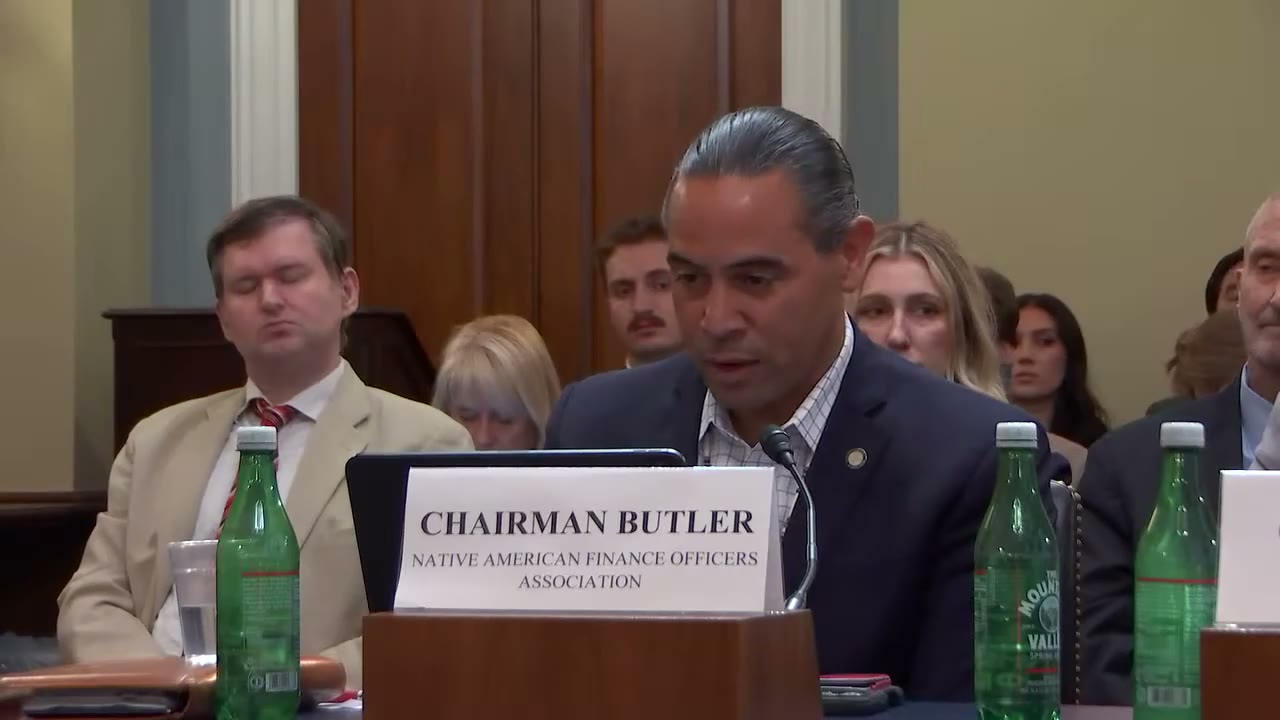
“laws, regulations, and policies have built up often with good intentions, but have outlived their usefulness and have been repeatedly identified as a barrier to Indian entrepreneurship and business development.”House Natural Resources Subcommittee on Indian and Insular Affairs (Begich): Legislative Hearing · Jun 9, 2026
Brian Berube
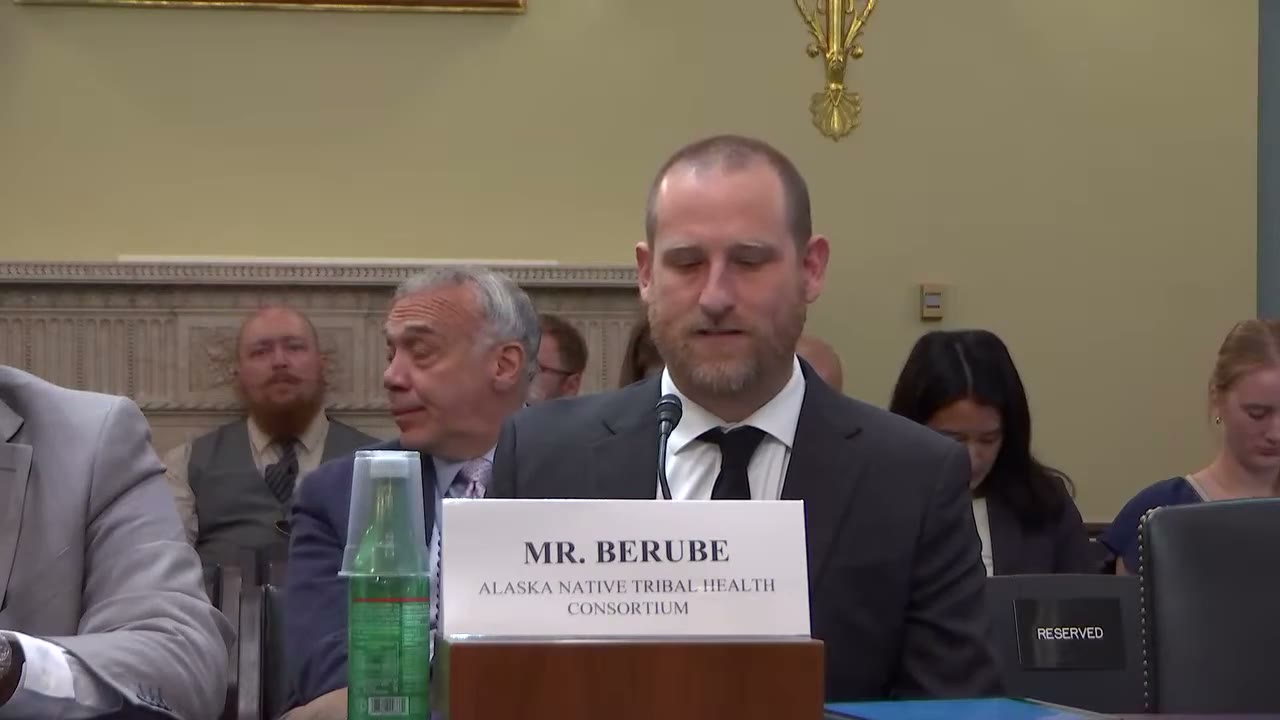
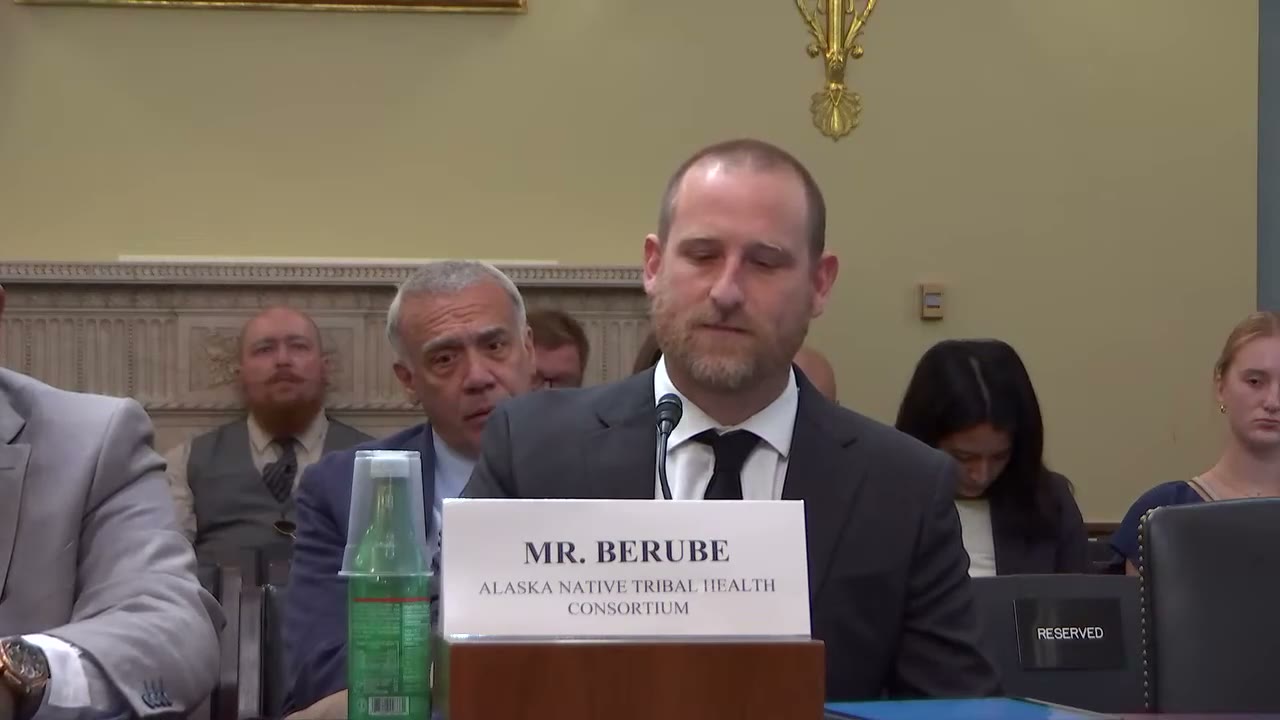
“Though these public health challenges are well known, current laws limit the ability of IHS and tribal health organizations to address them. Because IHS lacks explicit authority to provide or fund veterinary public health services, existing tribal rabies prevention programs are limited in scope and efficacy.”House Natural Resources Subcommittee on Indian and Insular Affairs (Begich): Legislative Hearing · Jun 9, 2026
Brian Berube
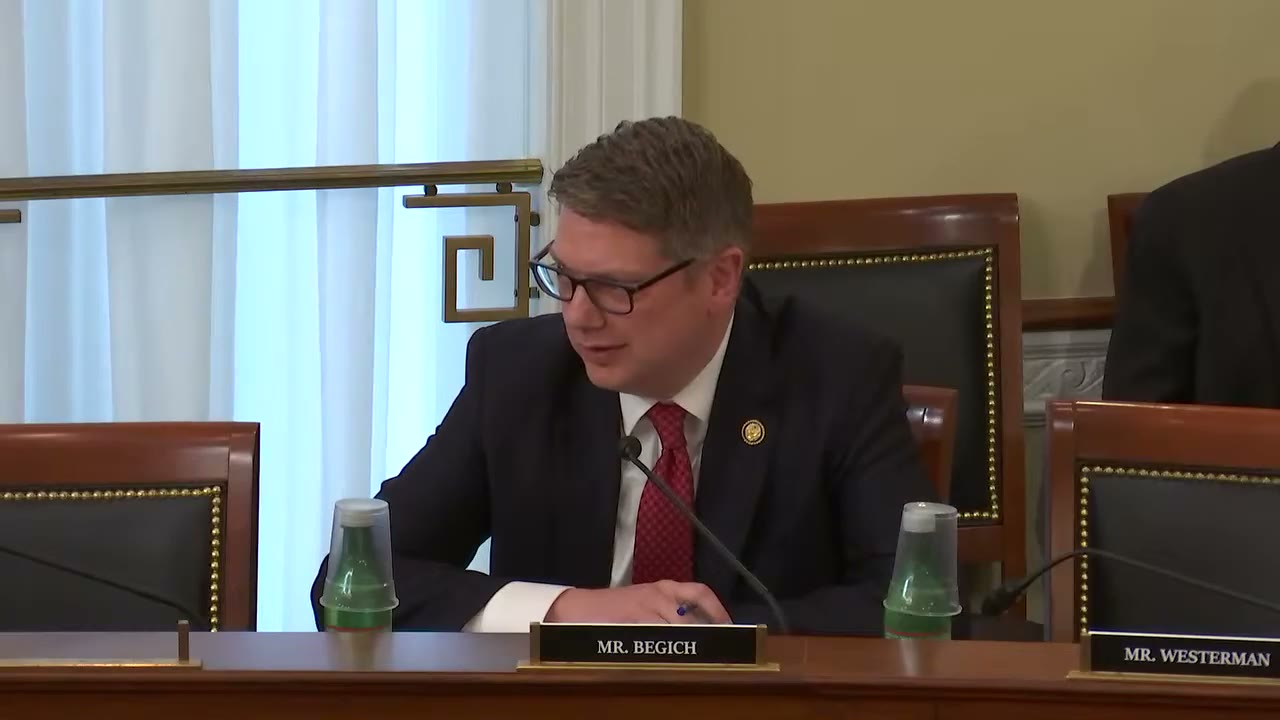
“Our tribal health organizations, um, in western and northern Alaska, we provide rabies shots, but with no access to especially spay and neuter services, there's no way you can keep up. You know, a dog gets a rabies shot in the first year of its life, it needs one the following year, it needs one every 3 years after that. So there's no way for us to keep up with the risk from vaccinating the dog.”House Natural Resources Subcommittee on Indian and Insular Affairs (Begich): Legislative Hearing · Jun 9, 2026
Rodney Butler
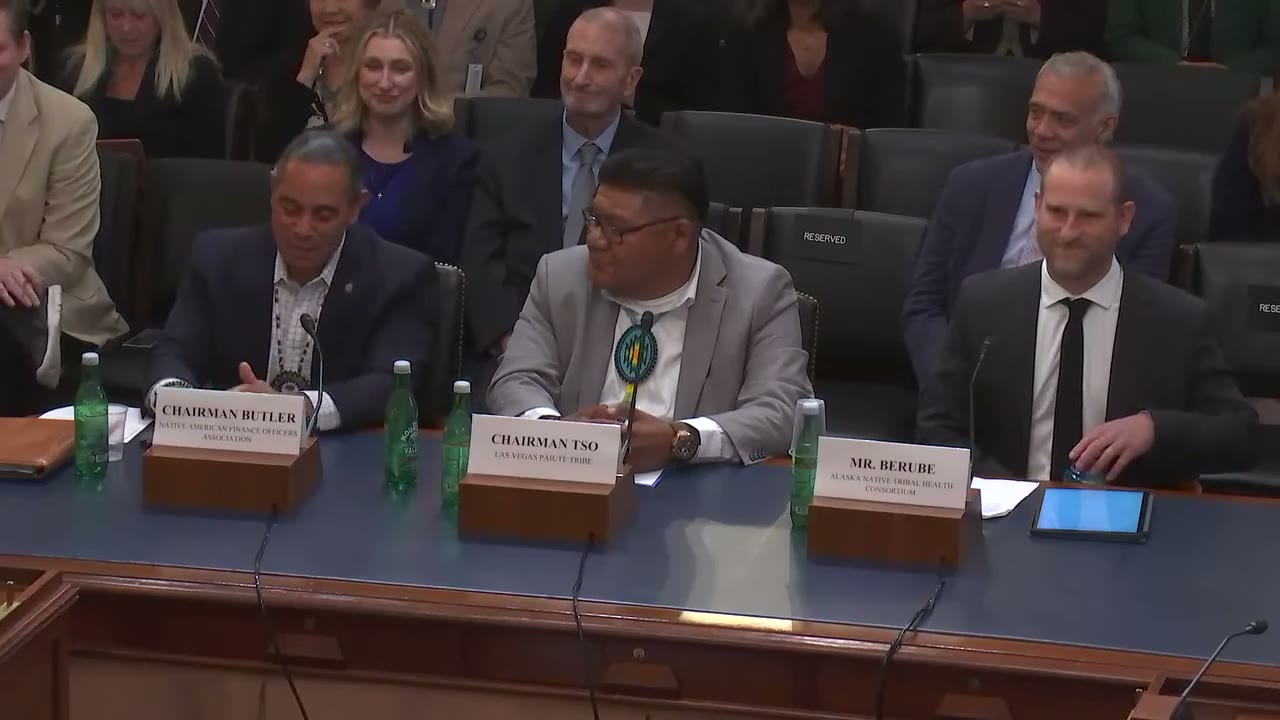
“clearly one of the key components is funding and resources, and my understanding is not until recently was there funding that was provided for one of the key provisions of that authority in the Economic Development Office”House Natural Resources Subcommittee on Indian and Insular Affairs (Begich): Legislative Hearing · Jun 9, 2026
Rodney Butler
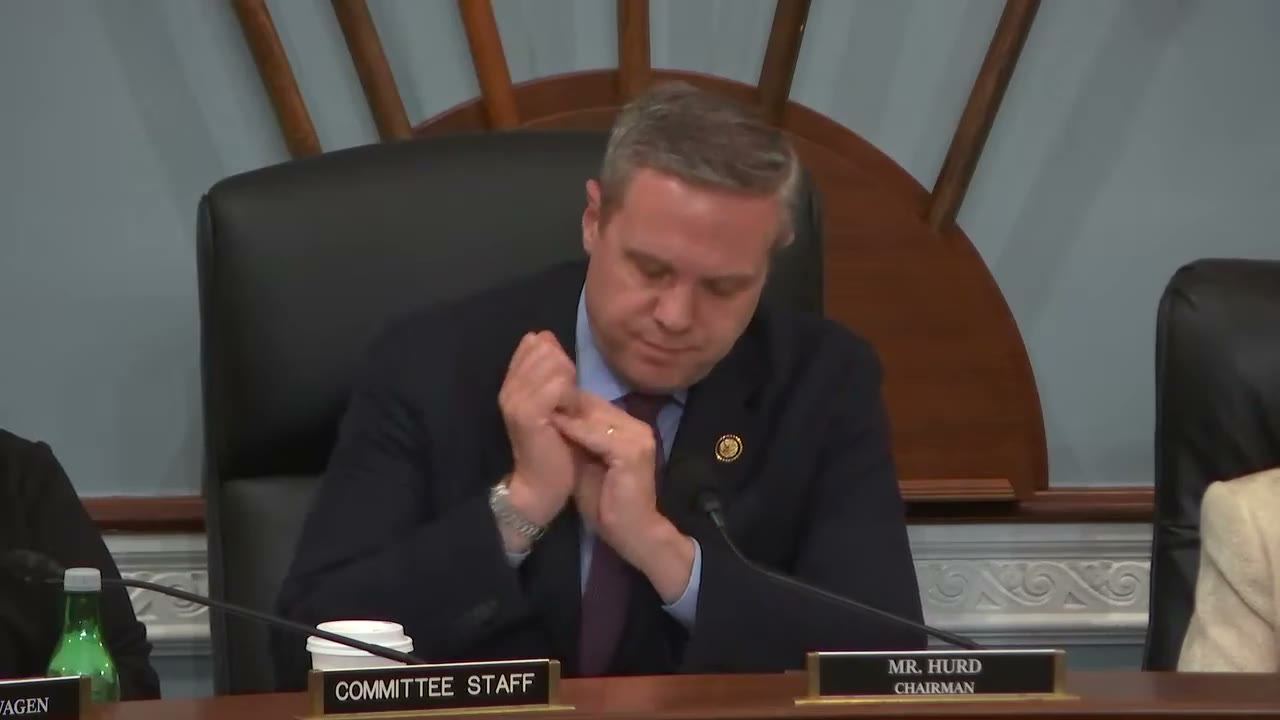
“consolidating the focus under the Department of Interior allows us to look, you know, cross-program and work within the the structure of the existing, I mean, you have the stack structure within Interior that's similar to the TTAC. And so the examples are there and it's working, working well.”House Natural Resources Subcommittee on Indian and Insular Affairs (Begich): Legislative Hearing · Jun 9, 2026
Brian Berube
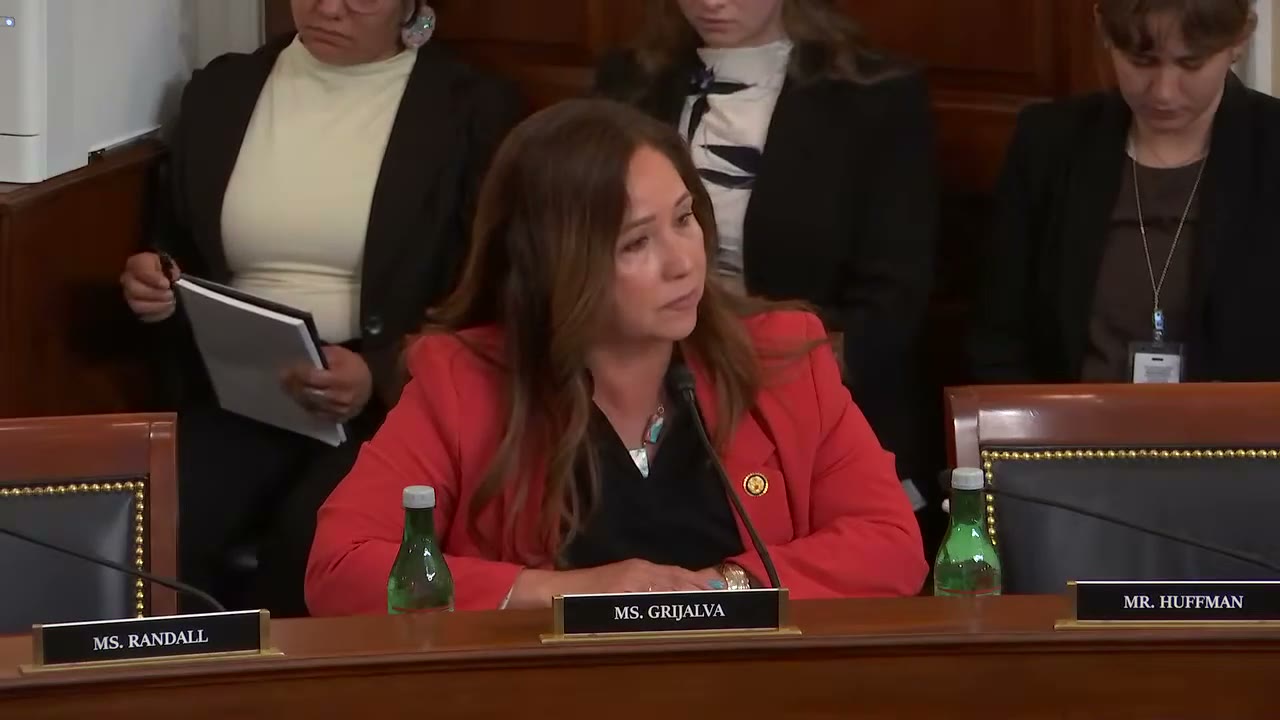
“60% of diseases people get have origins in animals. Dogs themselves are known to transmit over 70 different illnesses between animals and people. So I think there's this obviously the physical health component of it, but I think when you talk about Alaska Native people in particular, dogs are very, very important members of their family, parts of society, part of their culture and everything.”House Natural Resources Subcommittee on Indian and Insular Affairs (Begich): Legislative Hearing · Jun 9, 2026
Rodney Butler
“having one department gather all of that information in one, essentially a resource for all agencies and all tribes to point to and say, these are the regulatory hurdles, and now we can, now that we know what they are, and we're all, again, in the canoe paddling in the same direction, we can now address these issues collectively.”House Natural Resources Subcommittee on Indian and Insular Affairs (Begich): Legislative Hearing · Jun 9, 2026
Hurd
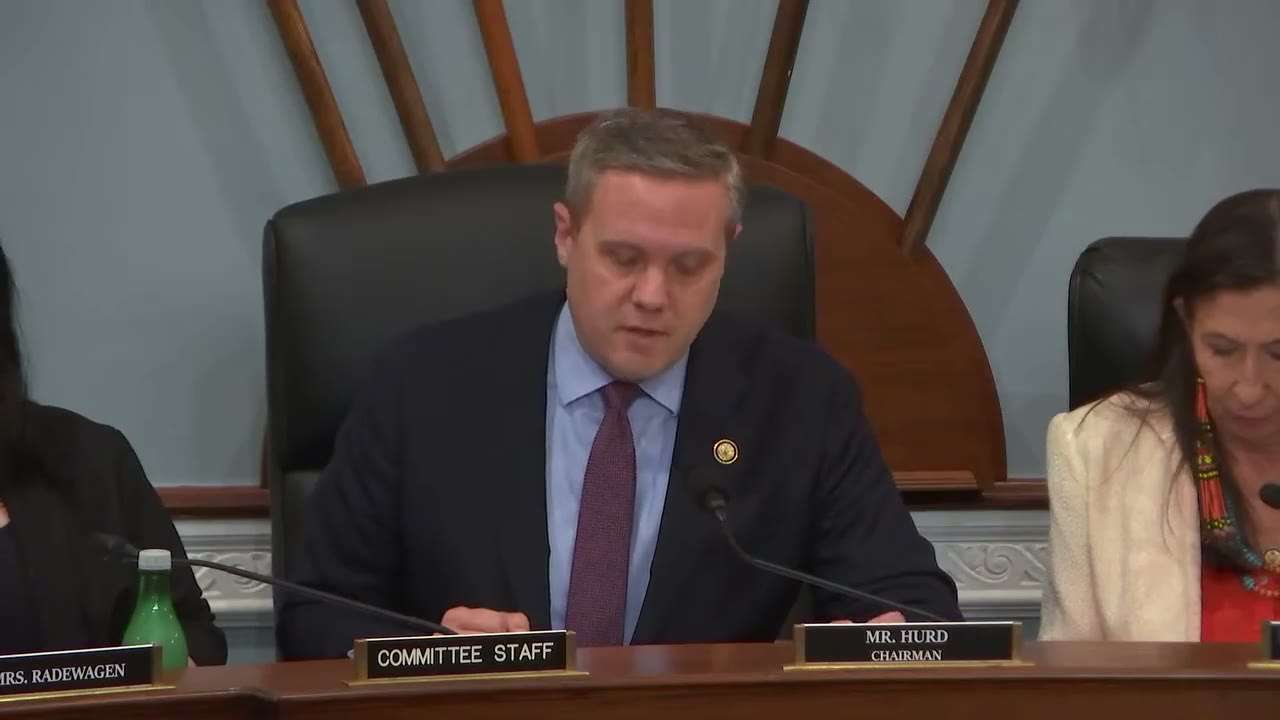
“The Indian Tribal Regulatory Reform and Business Development Act of 2000 was enacted to help identify and remove federal barriers to investment barriers to business development, as well as barriers to wealth creation in Indian Country. Under current law, the Secretary of Commerce was directed to create a 21-member authority to carry out that work, with Interior serving as a supporting role.”House Natural Resources Subcommittee on Indian and Insular Affairs (Begich): Legislative Hearing · Jun 9, 2026
Brian Berube
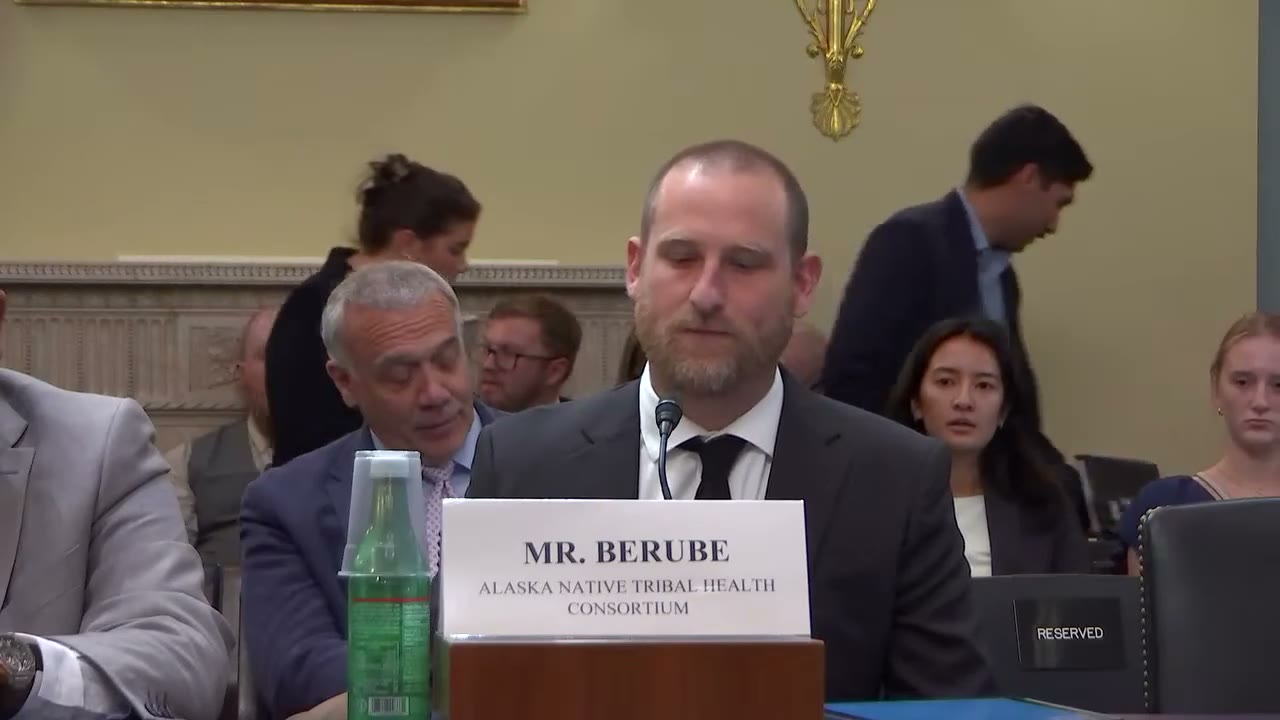
“40 Of the roughly 450 residents of Marshall, Alaska, are actually undergoing post-exposure treatment after being exposed by a dog who had come in contact with a rabid fox. And this is not a once-off, this is a fairly common occurrence in our state.”House Natural Resources Subcommittee on Indian and Insular Affairs (Begich): Legislative Hearing · Jun 9, 2026
Rodney Butler
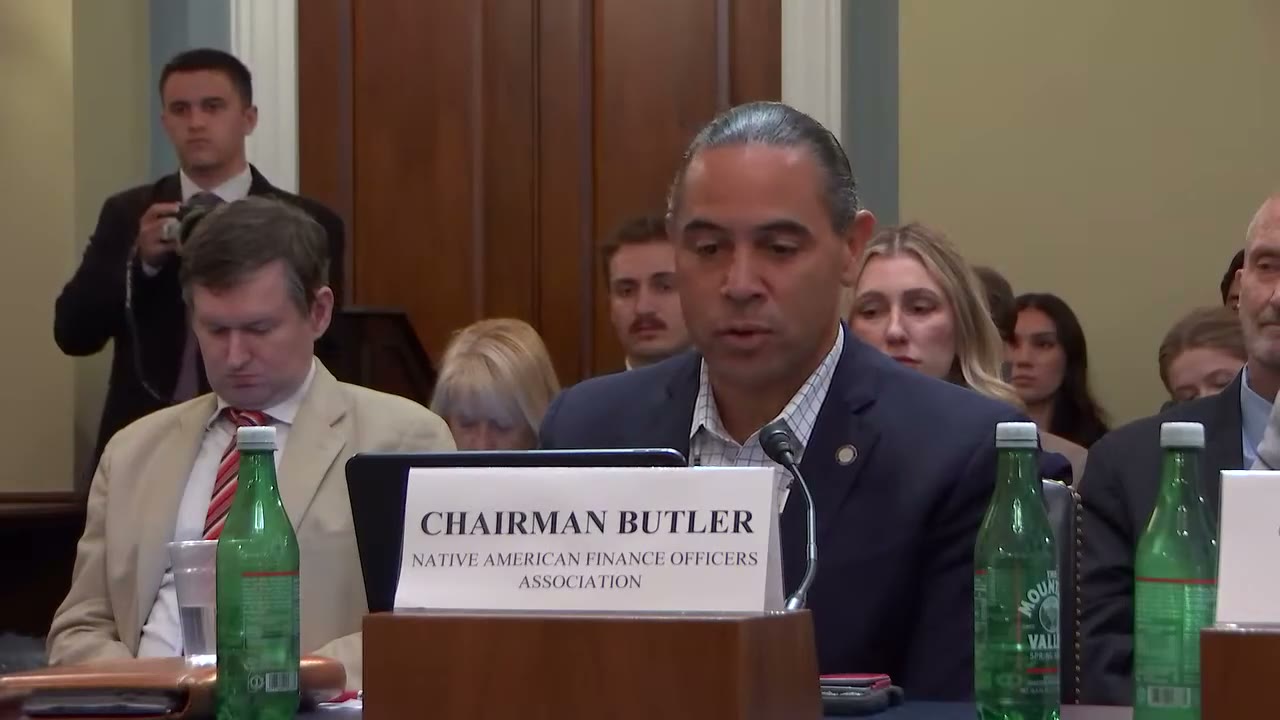
“NFOA supports locating this authority within the Department of Interior, The Interior Department houses the Bureau of Indian Affairs, the Office of Indian Energy and Economic Development, and the full suite of federal trust responsibilities to tribal nations. It has the institutional knowledge and the relationship to make this work.”House Natural Resources Subcommittee on Indian and Insular Affairs (Begich): Legislative Hearing · Jun 9, 2026
Brian Berube
“Furthermore, in Alaska, rabies remains an ongoing and ever-present public health issue. Rabies is enzoonotic— excuse me— in our fox populations in northern and western Alaska, meaning it is always present, and it poses a persistent and continual risk of transmission from wildlife to domestic animals and to people.”House Natural Resources Subcommittee on Indian and Insular Affairs (Begich): Legislative Hearing · Jun 9, 2026
Hurd
“The lack of veterinary services in rural communities has disproportionately impacted tribal communities, particularly children. In some areas of the United States, communities experience 365 dog bites a year, or essentially one dog bite every day. That alarming number is an unacceptable standard that communities have faced for far too long. Currently, IHS does not have the authority to provide care or funding related to zoonotic disease prevention or veterinary care, despite this care being important to reducing the public's risk of disease transmission or injury.”House Natural Resources Subcommittee on Indian and Insular Affairs (Begich): Legislative Hearing · Jun 9, 2026
Hurd
“This legislation amends the Indian Tribal Regulatory Reform and Business Development Act of of 2000 to transfer administrative responsibility for the Act's regulatory reform authority from the Department of Commerce to the Department of the Interior.”House Natural Resources Subcommittee on Indian and Insular Affairs (Begich): Legislative Hearing · Jun 9, 2026