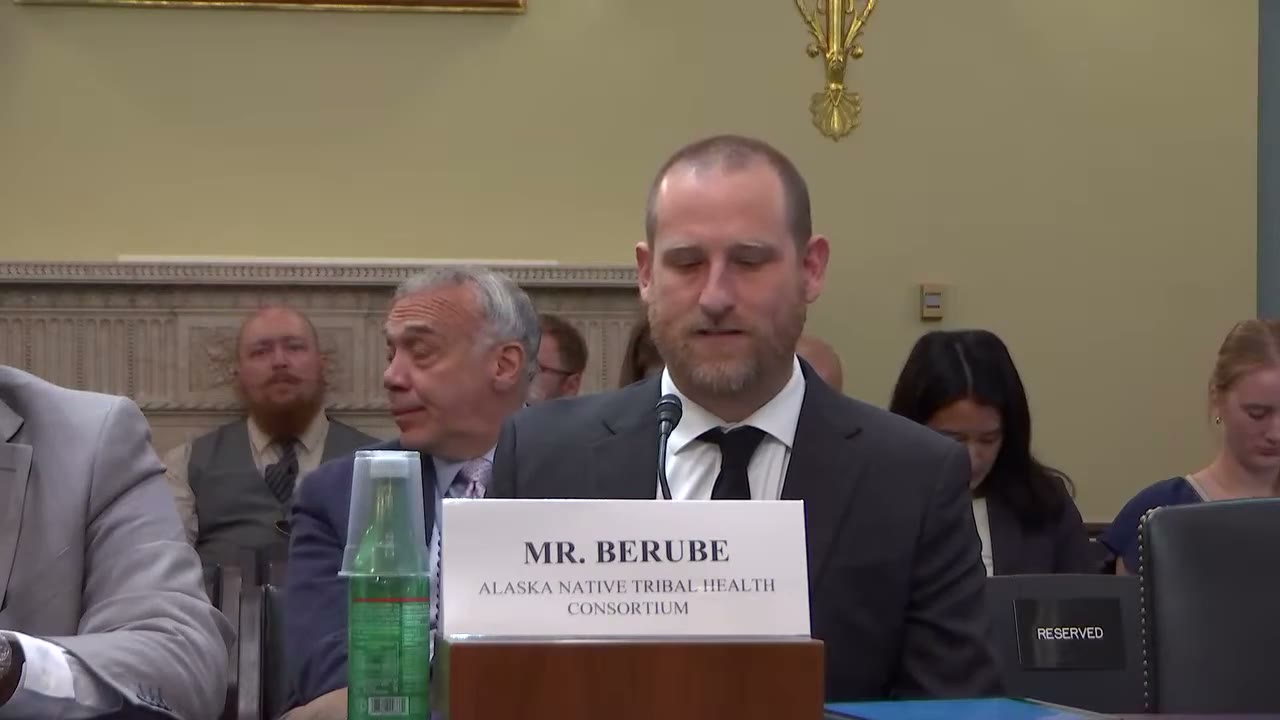
Brian Berube
72:57 - 73:39
"Though these public health challenges are well known, current laws limit the ability of IHS and tribal health organizations to address them. Because IHS lacks explicit authority to provide or fund veterinary public health services, existing tribal rabies prevention programs are limited in scope and efficacy."
“Though these public health challenges are well known, current laws limit the ability of IHS and tribal health organizations to address them. Because IHS lacks explicit authority to provide or fund veterinary public health services, existing tribal rabies prevention programs are limited in scope and efficacy.”
- Speaker
- Brian Berube
- Timestamp
- 72:57 – 73:39
- Source
- House Natural Resources Subcommittee on Indian and Insular Affairs (Begich): Legislative Hearing
- Community
- Alaska News
- Captured at
- June 9, 2026
From the transcript
Without these services, our communities face large populations of free-roaming animals, increased risk of injury and disease transmission, and recurring public health emergencies. Though these public health challenges are well known, current laws limit the ability of IHS and tribal health organizations to address them. Because IHS lacks explicit authority to provide or fund veterinary public health services, existing tribal rabies prevention programs are limited in scope and efficacy. Communities continue to rely on intermittent and external support. And the root causes of animal overpopulation and disease transmission remain unaddressed.
Related Coverage
House panel hears bill to move tribal regulatory authority to Interior
A House subcommittee took testimony June 9 on legislation that would transfer a dormant 2000 tribal regulatory reform mandate from Commerce to Interior, 25 years after the authority was supposed to convene.
 by Alaska Newsadded 3mo ago2 min read
Begich bill would let the Indian Health Service fund rabies shots and spay/neuter in rural Alaska
Rep. Nick Begich's H.R. 8473 would let the Indian Health Service fund rabies vaccination and spay/neuter in rural Alaska, where rabies is endemic in foxes.
by Alaska Newsadded 3mo ago2 min read