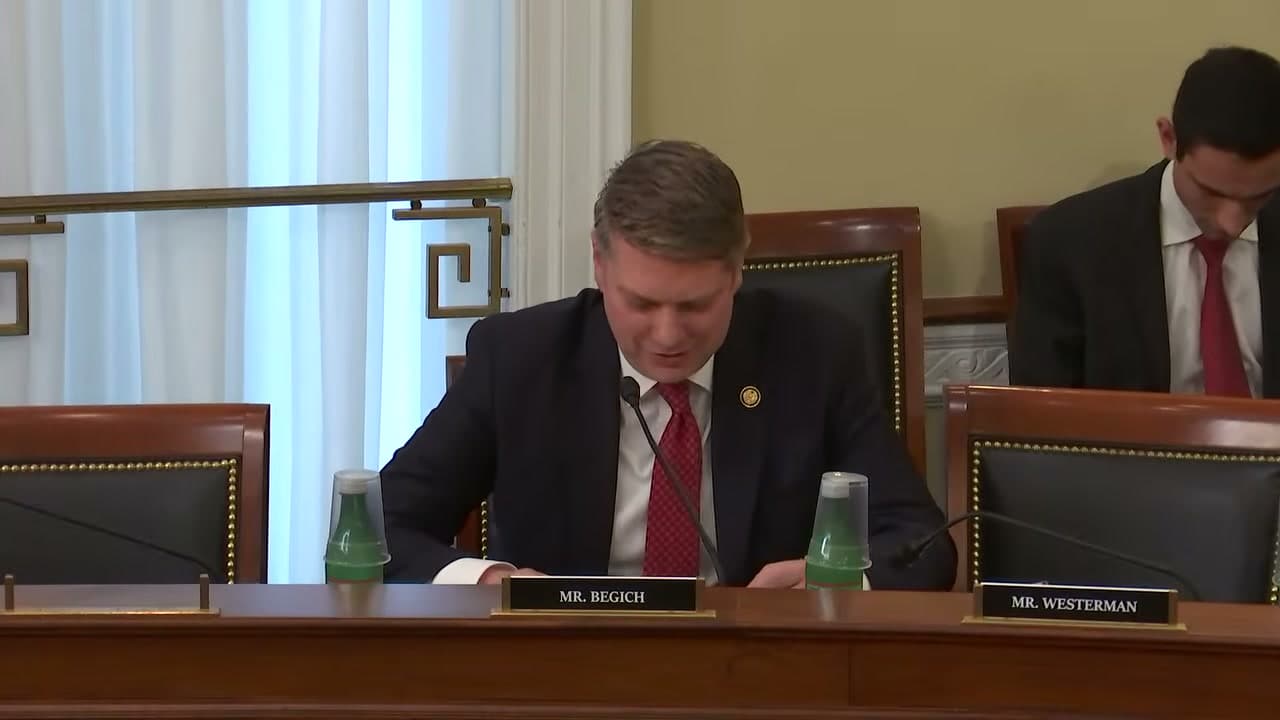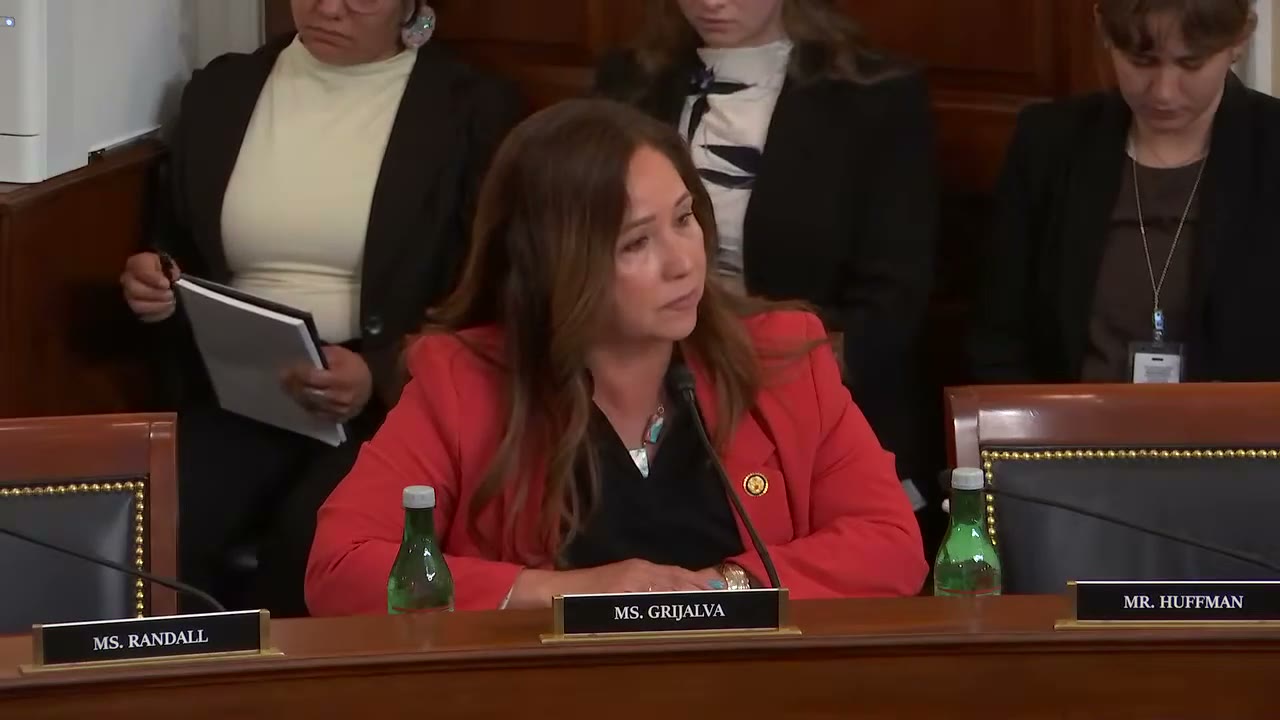
Brian Berube
96:56 - 97:48
"60% of diseases people get have origins in animals. Dogs themselves are known to transmit over 70 different illnesses between animals and people. So I think there's this obviously the physical health component of it, but I think when you talk about Alaska Native people in particular, dogs are very, very important members of their family, parts of society, part of their culture and everything."
“60% of diseases people get have origins in animals. Dogs themselves are known to transmit over 70 different illnesses between animals and people. So I think there's this obviously the physical health component of it, but I think when you talk about Alaska Native people in particular, dogs are very, very important members of their family, parts of society, part of their culture and everything.”
- Speaker
- Brian Berube
- Timestamp
- 96:56 – 97:48
- Source
- House Natural Resources Subcommittee on Indian and Insular Affairs (Begich): Legislative Hearing
- Community
- Alaska News
- Captured at
- June 9, 2026
From the transcript
In the bill, they bring up the term One Health, which is kind of a really popular paradigm in public health right now that just acknowledges the relationship between animals, people, and their environment. And while, like, in Western society, this sounds like a new idea, I mean, this is how indigenous people have always understood their world to work, right? So, I mean, from a public health perspective, we, we talked about the rabies, we talked about the dog bites, um, you know, 60% of diseases people get have origins in animals. Dogs themselves are known to transmit over 70 different illnesses between animals and people. So I think there's this obviously the physical health component of it, but I think when you talk about Alaska Native people in particular, dogs are very, very important members of their family, parts of society, part of their culture and everything.
Related Coverage
House panel hears bill to move tribal regulatory authority to Interior
A House subcommittee took testimony June 9 on legislation that would transfer a dormant 2000 tribal regulatory reform mandate from Commerce to Interior, 25 years after the authority was supposed to convene.
 by Alaska Newsadded 3mo ago2 min read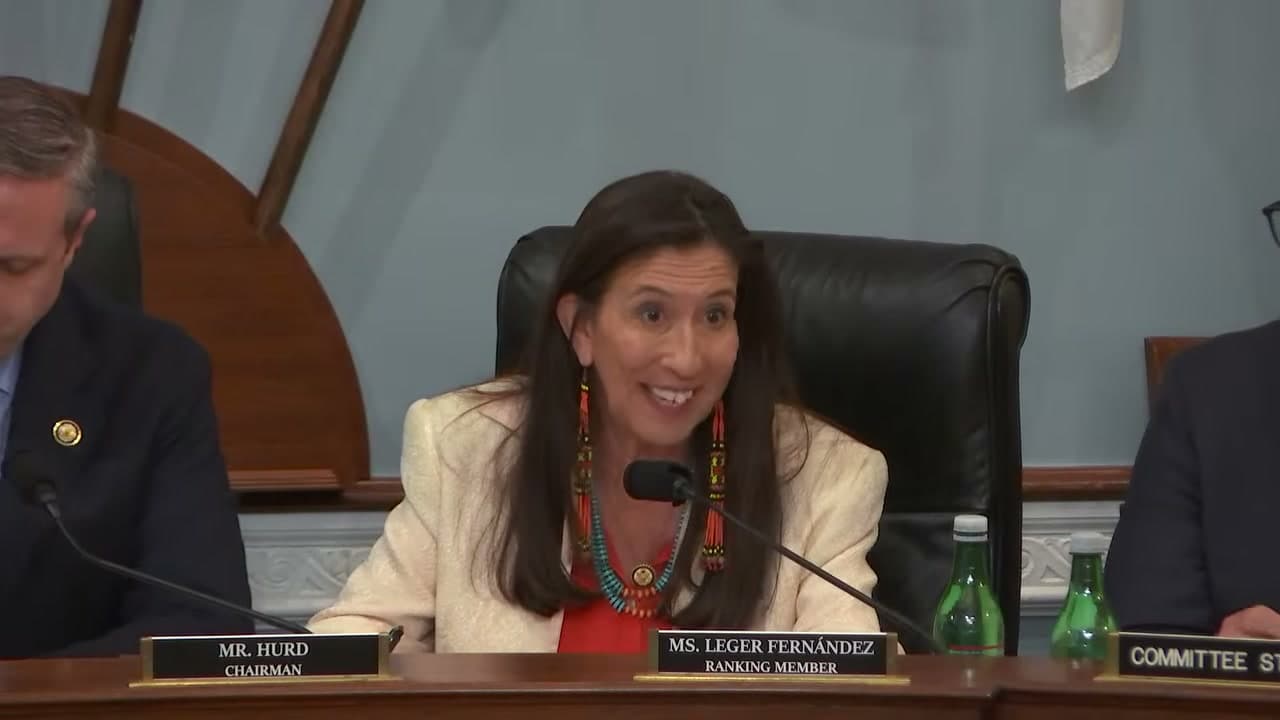
Begich bill would let the Indian Health Service fund rabies shots and spay/neuter in rural Alaska
Rep. Nick Begich's H.R. 8473 would let the Indian Health Service fund rabies vaccination and spay/neuter in rural Alaska, where rabies is endemic in foxes.
by Alaska Newsadded 3mo ago2 min read