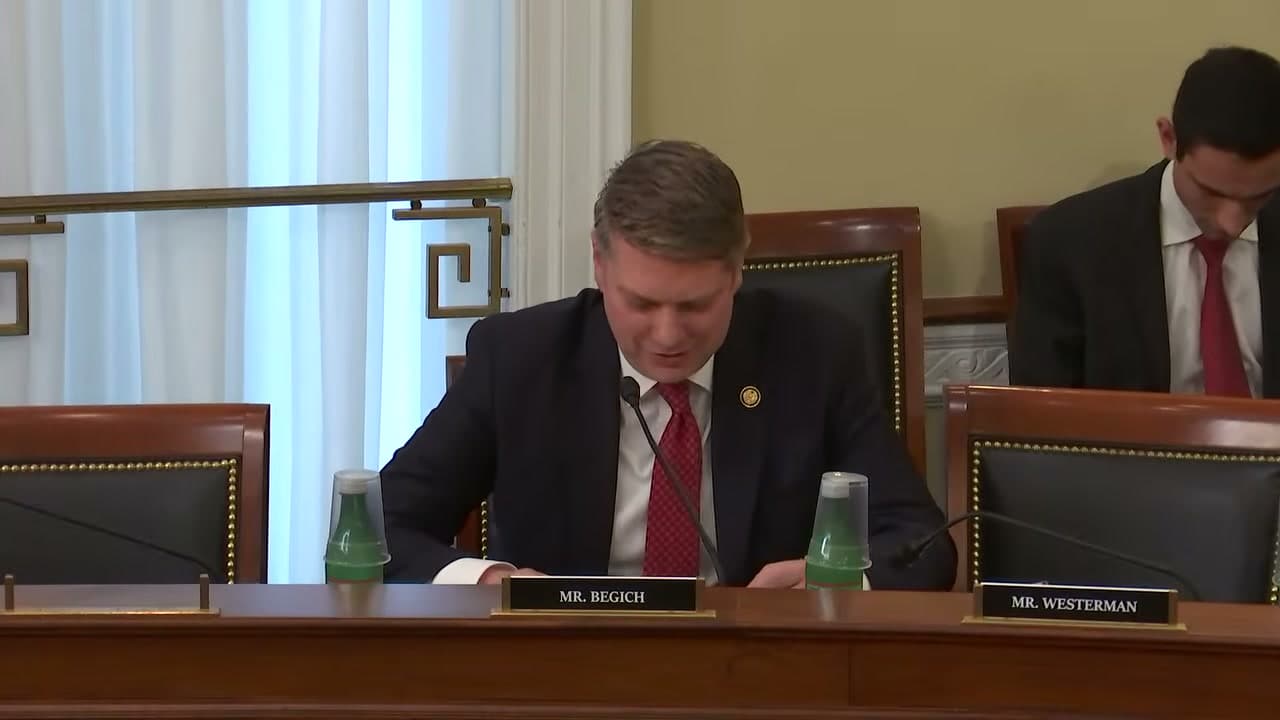
Rodney Butler
98:54 - 99:51
"having one department gather all of that information in one, essentially a resource for all agencies and all tribes to point to and say, these are the regulatory hurdles, and now we can, now that we know what they are, and we're all, again, in the canoe paddling in the same direction, we can now address these issues collectively."
“having one department gather all of that information in one, essentially a resource for all agencies and all tribes to point to and say, these are the regulatory hurdles, and now we can, now that we know what they are, and we're all, again, in the canoe paddling in the same direction, we can now address these issues collectively.”
- Speaker
- Rodney Butler
- Timestamp
- 98:54 – 99:51
- Source
- House Natural Resources Subcommittee on Indian and Insular Affairs (Begich): Legislative Hearing
- Community
- Alaska News
- Captured at
- June 9, 2026
From the transcript
So what role do you believe the authority established by the Tribal Regulatory Reform and Business Development Act of 2000 can play in streamlining the federal government for tribal businesses? Well, I think— thank you, Congressman— I think simply identifying those in one location, right? So right now there are challenges that are identified, but it's fragmented across various departments, and there's no consolidation of— so we talked earlier about the Tribal Tax Investment Reform Act. That's a very narrow fix on key financial instrument issues that that have been regulatory burdens for years, but I mean, there's times 10 of that. And so, having one department gather all of that information in one, essentially a resource for all agencies and all tribes to point to and say, these are the regulatory hurdles, and now we can, now that we know what they are, and we're all, again, in the canoe paddling in the same direction, we can now address these issues collectively.
Related Coverage
House panel hears bill to move tribal regulatory authority to Interior
A House subcommittee took testimony June 9 on legislation that would transfer a dormant 2000 tribal regulatory reform mandate from Commerce to Interior, 25 years after the authority was supposed to convene.
 by Alaska Newsadded 3mo ago2 min read
Begich bill would let the Indian Health Service fund rabies shots and spay/neuter in rural Alaska
Rep. Nick Begich's H.R. 8473 would let the Indian Health Service fund rabies vaccination and spay/neuter in rural Alaska, where rabies is endemic in foxes.
by Alaska Newsadded 3mo ago2 min read