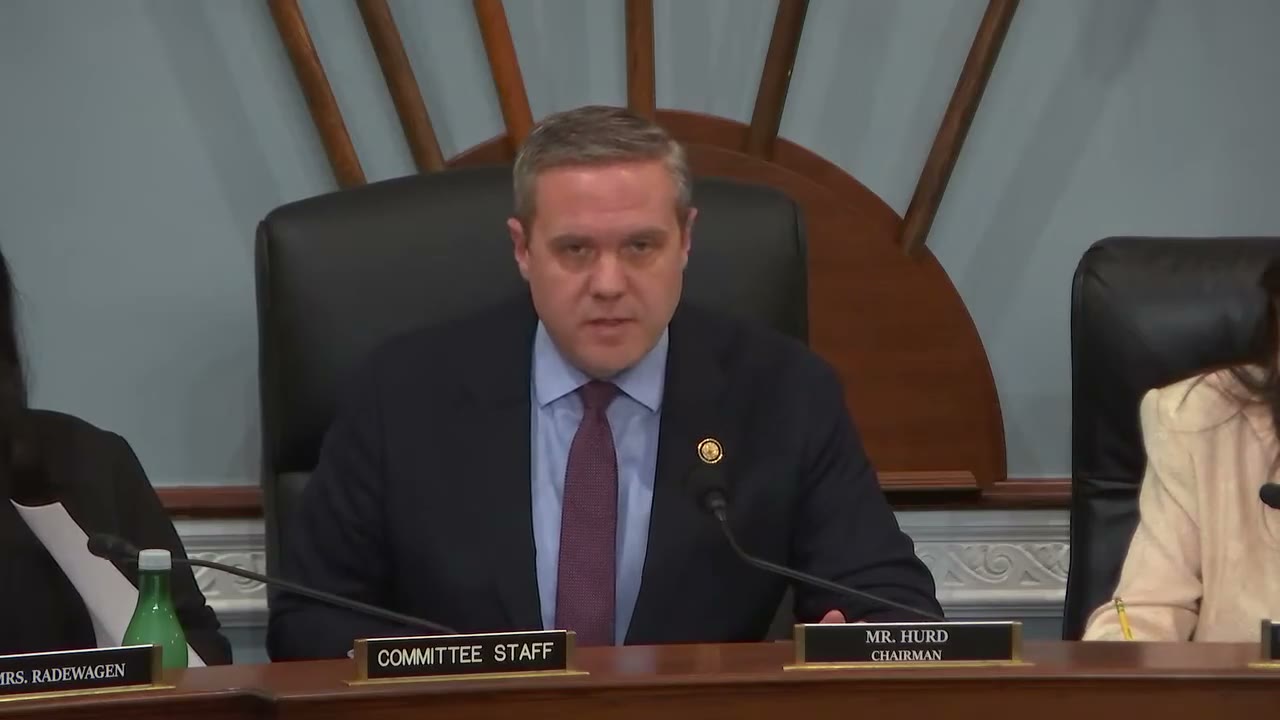
Hurd
41:44 - 42:28
"H.R. 8473, Introduced by Representative Begich of Alaska, which would authorize HHS to utilize funds for public health veterinary services through direct service care or under Indian Self-Determination and Education Assistance Act contracts and compacts. There's a correlation between unreliable veterinary services and high rates of rabies and zoonotic diseases. In a 5-year span between 2019 and 2024, 24,000 patients received ambulatory care from dog bites throughout IHS service areas."
“H.R. 8473, Introduced by Representative Begich of Alaska, which would authorize HHS to utilize funds for public health veterinary services through direct service care or under Indian Self-Determination and Education Assistance Act contracts and compacts. There's a correlation between unreliable veterinary services and high rates of rabies and zoonotic diseases. In a 5-year span between 2019 and 2024, 24,000 patients received ambulatory care from dog bites throughout IHS service areas.”
- Speaker
- Hurd
- Timestamp
- 41:44 – 42:28
- Source
- House Natural Resources Subcommittee on Indian and Insular Affairs (Begich): Legislative Hearing
- Community
- Alaska News
- Captured at
- June 9, 2026
From the transcript
I would note that as drafted, there is an error in this legislation that will need to be addressed before it can move beyond today's hearing. Our second bill is H.R. 8473, Introduced by Representative Begich of Alaska, which would authorize HHS to utilize funds for public health veterinary services through direct service care or under Indian Self-Determination and Education Assistance Act contracts and compacts. There's a correlation between unreliable veterinary services and high rates of rabies and zoonotic diseases. In a 5-year span between 2019 and 2024, 24,000 patients received ambulatory care from dog bites throughout IHS service areas.
Related Coverage
House panel hears bill to move tribal regulatory authority to Interior
A House subcommittee took testimony June 9 on legislation that would transfer a dormant 2000 tribal regulatory reform mandate from Commerce to Interior, 25 years after the authority was supposed to convene.
 by Alaska Newsadded 3mo ago2 min read
Begich bill would let the Indian Health Service fund rabies shots and spay/neuter in rural Alaska
Rep. Nick Begich's H.R. 8473 would let the Indian Health Service fund rabies vaccination and spay/neuter in rural Alaska, where rabies is endemic in foxes.
by Alaska Newsadded 3mo ago2 min read