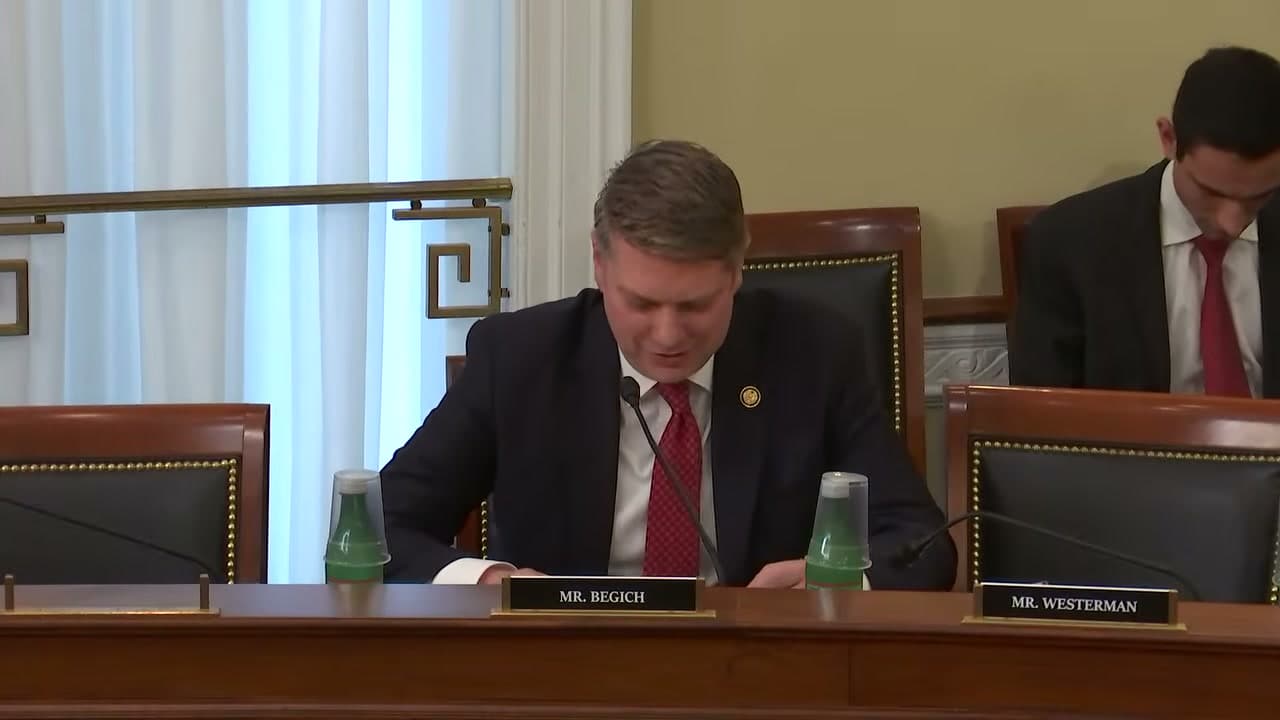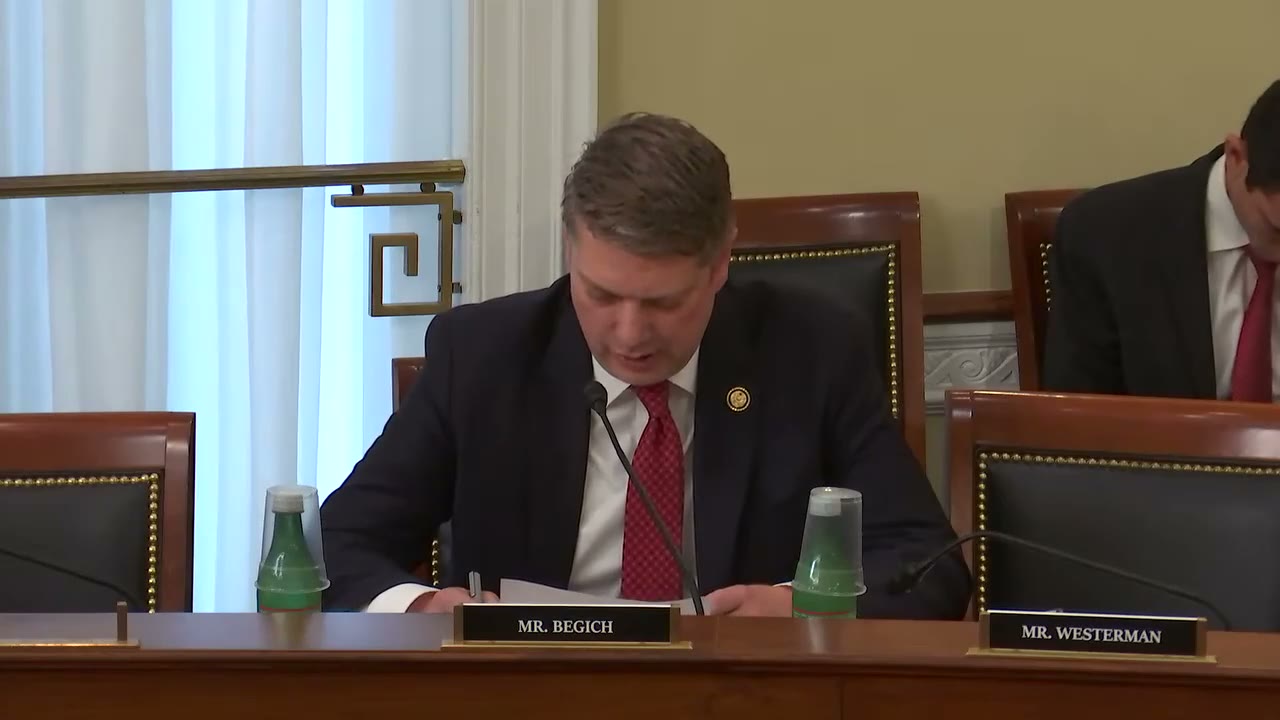
Nick Begich
51:35 - 52:03
"The underlying cause is straightforward. IHS does not have explicit statutory authority to provide or fund the basic veterinary services—rabies vaccination, spay and neuter, parasite and disease prevention—that stop zoonotic disease before it reaches a person and prevent the bite that puts a child in an emergency room."
“The underlying cause is straightforward. IHS does not have explicit statutory authority to provide or fund the basic veterinary services—rabies vaccination, spay and neuter, parasite and disease prevention—that stop zoonotic disease before it reaches a person and prevent the bite that puts a child in an emergency room.”
- Speaker
- Nick Begich
- Timestamp
- 51:35 – 52:03
- Source
- House Natural Resources Subcommittee on Indian and Insular Affairs (Begich): Legislative Hearing
- Community
- Alaska News
- Captured at
- June 9, 2026
From the transcript
Across the Indian Health Service, Alaska has some of the highest dog bite-related hospitalization numbers in the country. The underlying cause is straightforward. IHS does not have explicit statutory authority to provide or fund the basic veterinary services—rabies vaccination, spay and neuter, parasite and disease prevention—that stop zoonotic disease before it reaches a person and prevent the bite that puts a child in an emergency room. H.R. 8473 Fixes that gap.
Related Coverage
House panel hears bill to move tribal regulatory authority to Interior
A House subcommittee took testimony June 9 on legislation that would transfer a dormant 2000 tribal regulatory reform mandate from Commerce to Interior, 25 years after the authority was supposed to convene.
 by Alaska Newsadded 3mo ago2 min read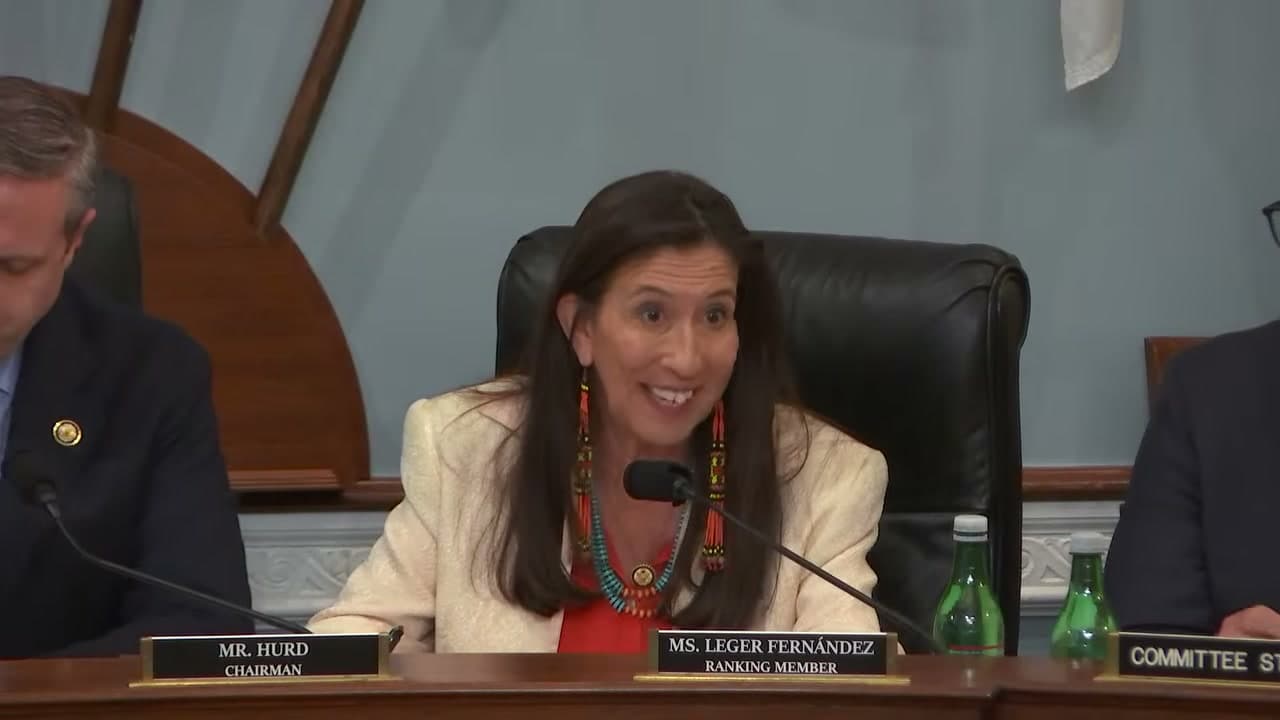
Begich bill would let the Indian Health Service fund rabies shots and spay/neuter in rural Alaska
Rep. Nick Begich's H.R. 8473 would let the Indian Health Service fund rabies vaccination and spay/neuter in rural Alaska, where rabies is endemic in foxes.
by Alaska Newsadded 3mo ago2 min read