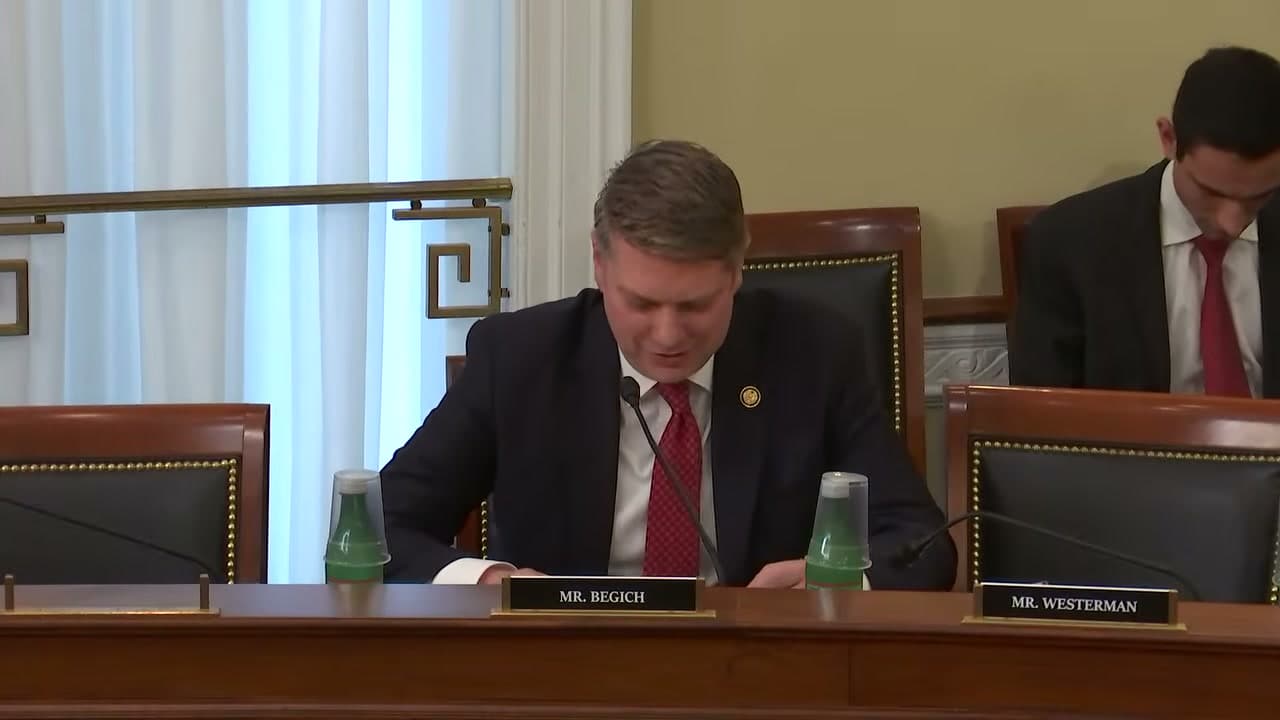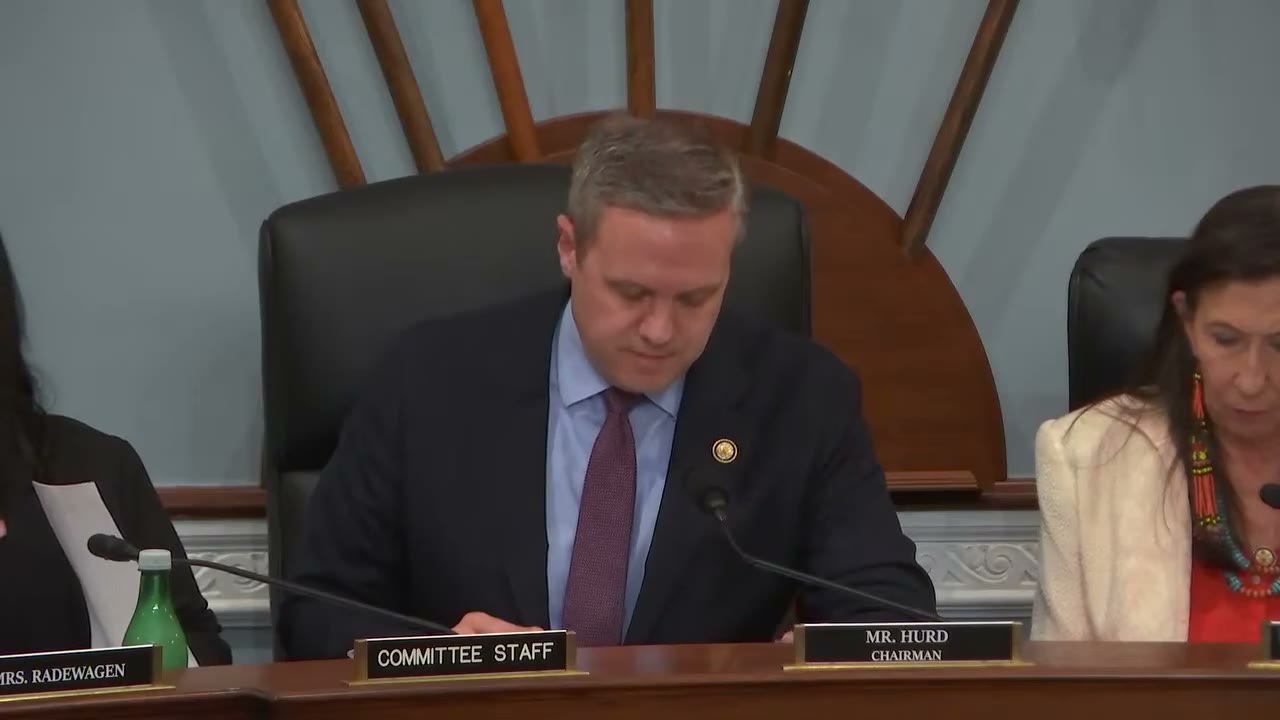
Hurd
42:28 - 43:02
"The lack of veterinary services in rural communities has disproportionately impacted tribal communities, particularly children. In some areas of the United States, communities experience 365 dog bites a year, or essentially one dog bite every day. That alarming number is an unacceptable standard that communities have faced for far too long. Currently, IHS does not have the authority to provide care or funding related to zoonotic disease prevention or veterinary care, despite this care being important to reducing the public's risk of disease transmission or injury."
“The lack of veterinary services in rural communities has disproportionately impacted tribal communities, particularly children. In some areas of the United States, communities experience 365 dog bites a year, or essentially one dog bite every day. That alarming number is an unacceptable standard that communities have faced for far too long. Currently, IHS does not have the authority to provide care or funding related to zoonotic disease prevention or veterinary care, despite this care being important to reducing the public's risk of disease transmission or injury.”
- Speaker
- Hurd
- Timestamp
- 42:28 – 43:02
- Source
- House Natural Resources Subcommittee on Indian and Insular Affairs (Begich): Legislative Hearing
- Community
- Alaska News
- Captured at
- June 9, 2026
From the transcript
The lack of veterinary services in rural communities has disproportionately impacted tribal communities, particularly children. In some areas of the United States, communities experience 365 dog bites a year, or essentially one dog bite every day. That alarming number is an unacceptable standard that communities have faced for far too long. Currently, IHS does not have the authority to provide care or funding related to zoonotic disease prevention or veterinary care, despite this care being important to reducing the public's risk of disease transmission or injury. H.R.
Related Coverage
House panel hears bill to move tribal regulatory authority to Interior
A House subcommittee took testimony June 9 on legislation that would transfer a dormant 2000 tribal regulatory reform mandate from Commerce to Interior, 25 years after the authority was supposed to convene.
 by Alaska Newsadded 3mo ago2 min read
Begich bill would let the Indian Health Service fund rabies shots and spay/neuter in rural Alaska
Rep. Nick Begich's H.R. 8473 would let the Indian Health Service fund rabies vaccination and spay/neuter in rural Alaska, where rabies is endemic in foxes.
by Alaska Newsadded 3mo ago2 min read