Brian Berube
79:16 - 79:46
"Our tribal health organizations, um, in western and northern Alaska, we provide rabies shots, but with no access to especially spay and neuter services, there's no way you can keep up. You know, a dog gets a rabies shot in the first year of its life, it needs one the following year, it needs one every 3 years after that. So there's no way for us to keep up with the risk from vaccinating the dog."
“Our tribal health organizations, um, in western and northern Alaska, we provide rabies shots, but with no access to especially spay and neuter services, there's no way you can keep up. You know, a dog gets a rabies shot in the first year of its life, it needs one the following year, it needs one every 3 years after that. So there's no way for us to keep up with the risk from vaccinating the dog.”
- Speaker
- Brian Berube
- Timestamp
- 79:16 – 79:46
- Source
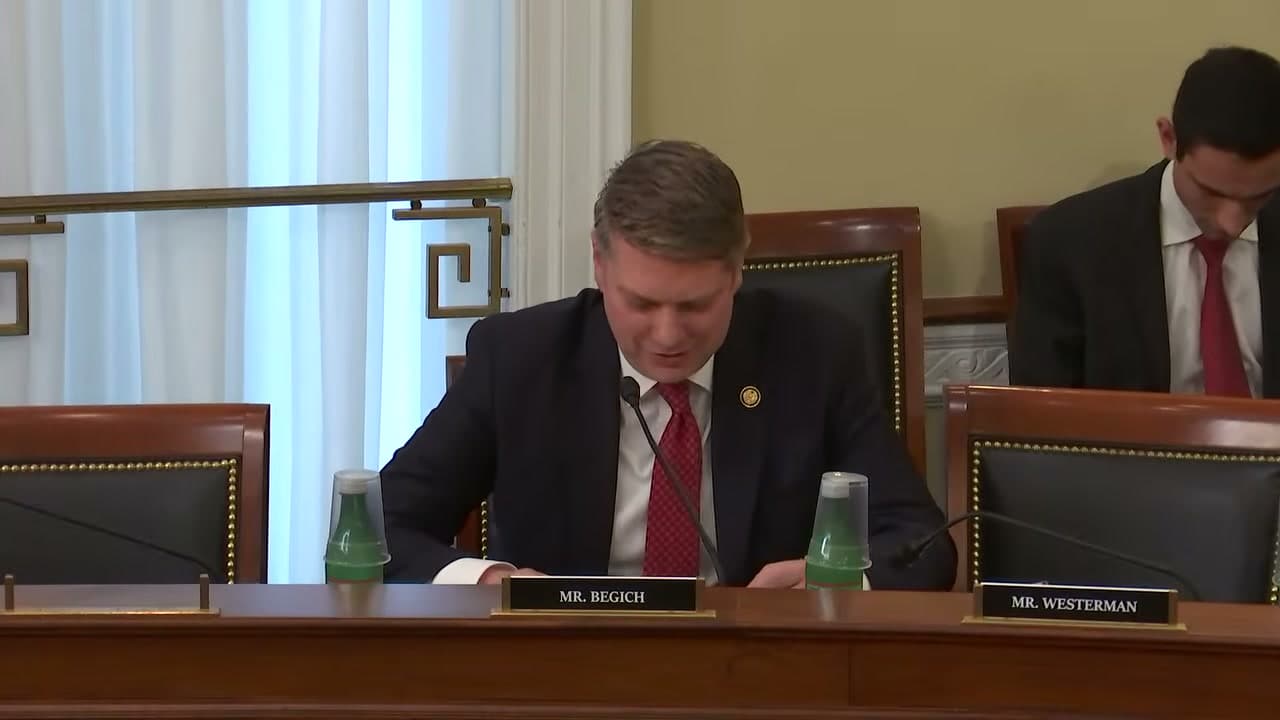
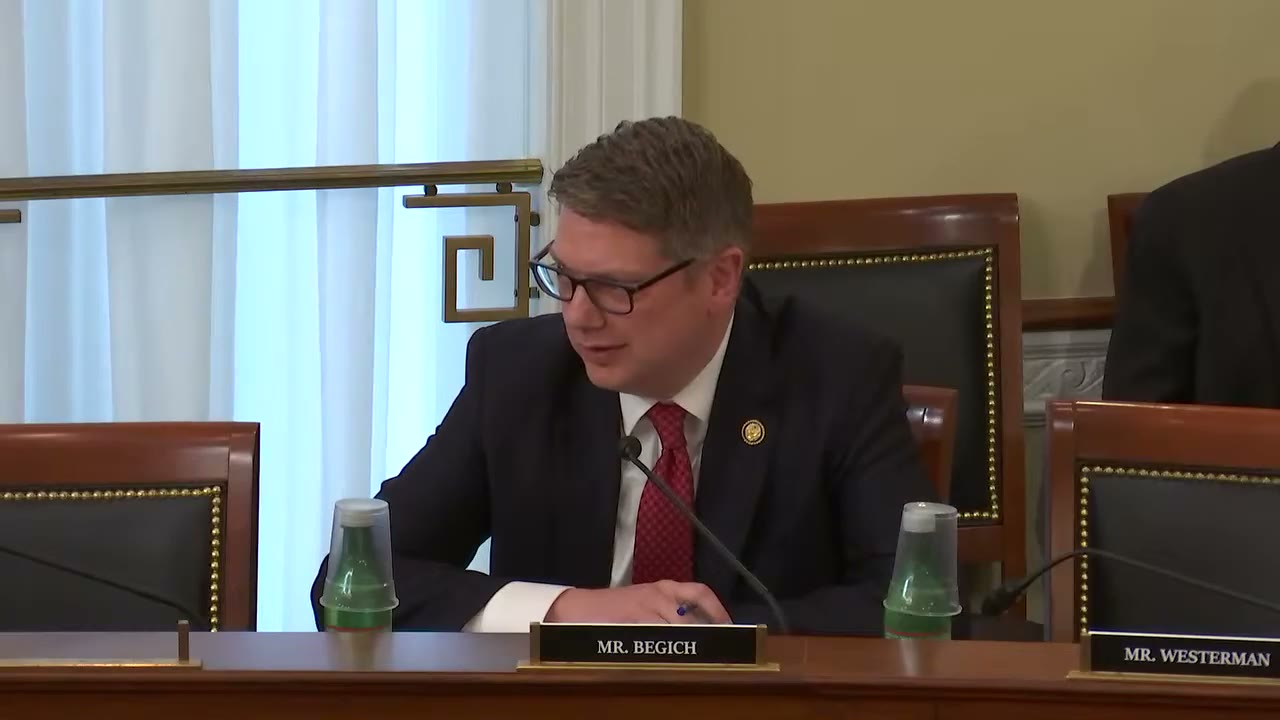
- House Natural Resources Subcommittee on Indian and Insular Affairs (Begich): Legislative Hearing
- Community
- Alaska News
- Captured at
- June 9, 2026
From the transcript
Um, our tribal health organizations, um, in western and northern Alaska, we provide rabies shots, but with no access to especially spay and neuter services, there's no way you can keep up. You know, a dog gets a rabies shot in the first year of its life, it needs one the following year, it needs one every 3 years after that. So there's no way for us to keep up with the risk from vaccinating the dog. So in Public health, right? We're always looking to the upstream drivers of our health issues.
Related Coverage
House panel hears bill to move tribal regulatory authority to Interior
A House subcommittee took testimony June 9 on legislation that would transfer a dormant 2000 tribal regulatory reform mandate from Commerce to Interior, 25 years after the authority was supposed to convene.
 by Alaska Newsadded 3mo ago2 min read
Begich bill would let the Indian Health Service fund rabies shots and spay/neuter in rural Alaska
Rep. Nick Begich's H.R. 8473 would let the Indian Health Service fund rabies vaccination and spay/neuter in rural Alaska, where rabies is endemic in foxes.
by Alaska Newsadded 3mo ago2 min read