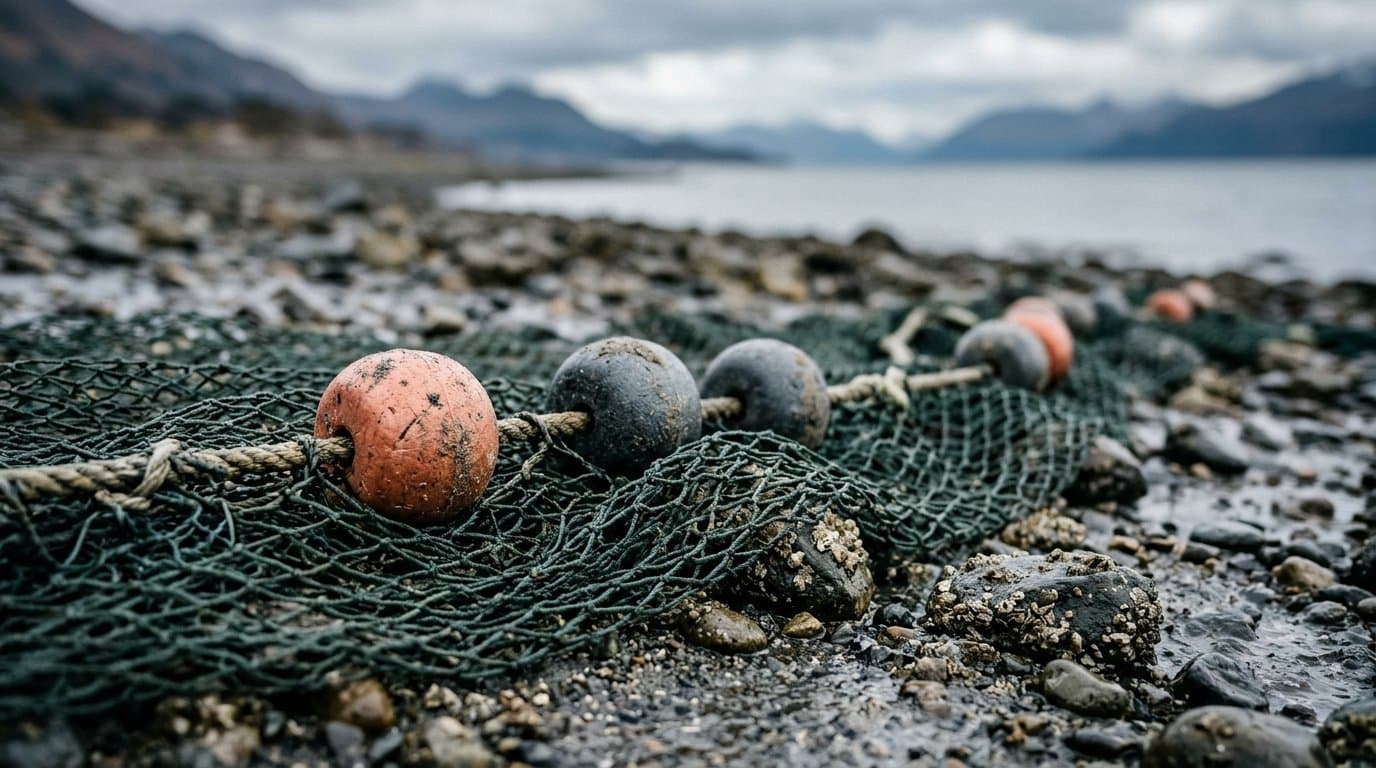
AI image
Permit commission votes 1-0 to add beach seines to Eastside Cook Inlet setnet permits
The state commission that issues Alaska's commercial fishing permits voted Tuesday to adopt a rule adding beach seines to Cook Inlet set gillnet permits, the gear the Board of Fisheries put Eastside setnetters on in May.
Only one of the commission's two members voted. Chair Rick Green made the motion, seconded it and voted yes. Commissioner Tracy Welch commented on ethics advice she had received from the state Department of Law and objected to it, then voluntarily recused herself from the issue under protest, according to the meeting minutes. The minutes don't say what the advice was.
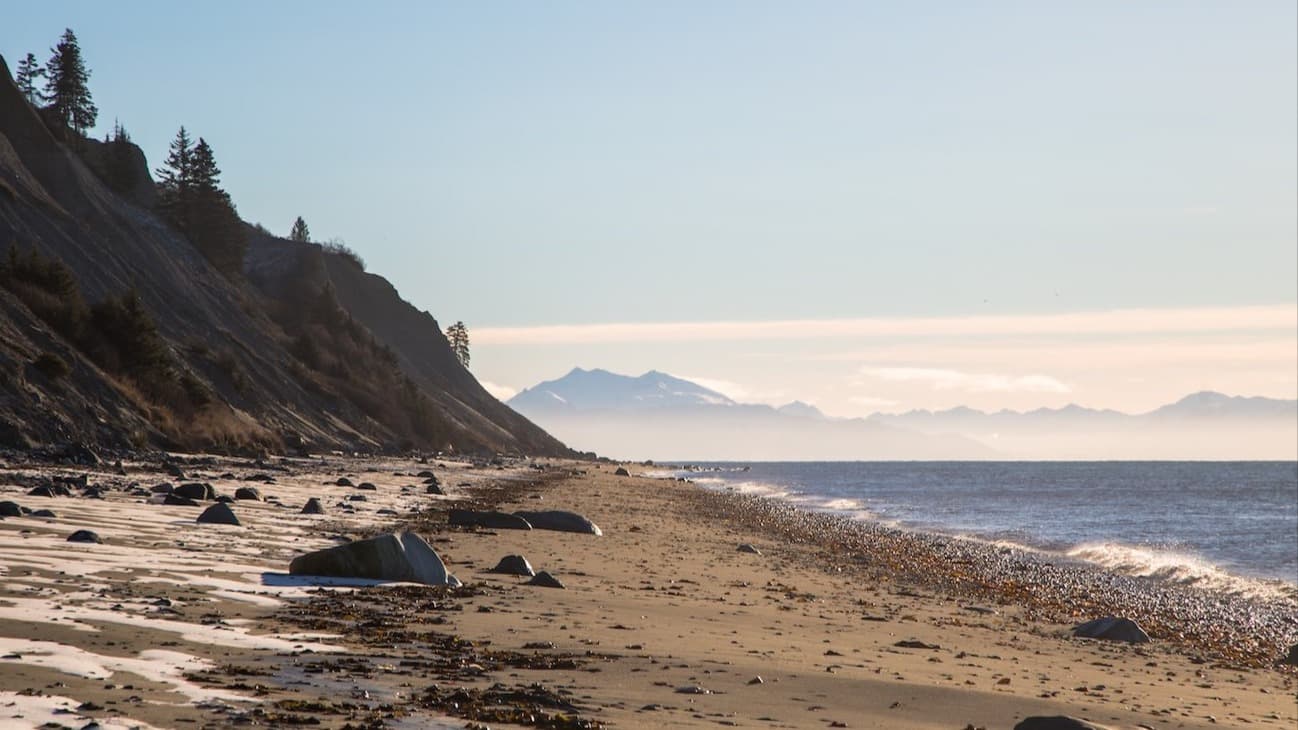
The Eastside setnet fishery is a shore-based fleet of about 440 permit holders who anchor gillnets off Kenai Peninsula beaches from Ninilchik to Boulder Point, mostly to catch sockeye bound for the Kenai and Kasilof rivers. Most are Kenai Peninsula residents. Their nets also catch Kenai River king salmon, a run that has declined for more than a decade.
Under the state's plan to rebuild those kings, the fishery was closed in 2023. There was no setnet fishing in 2024 and only two eight-hour openings in 2025, and this year's run was again short of its recovery goal. The same plan restricts sport anglers: under it, the setnet fishery and the Kenai River sport king fishery close together, and the river was closed to king fishing all season this year.
The 2023 closure was declared a federal fishery disaster, and the state took comments this summer on how to split $5.8 million in relief.
In May, the Alaska Board of Fisheries took set gillnets out of the Kenai king recovery plan and put beach seines in their place. A beach seine is a net set from shore and hauled back to the beach, designed to let fishermen release kings alive while keeping sockeye.
But the setnetters' permits covered only gillnets, and adding a gear type is up to the commission. Its emergency attempt failed 1-1 in June, with Green voting yes and Welch voting no, leaving the fleet with no clear legal way to fish seines this summer. The commission proposed a permanent rule in October, and Tuesday's vote adopted it.
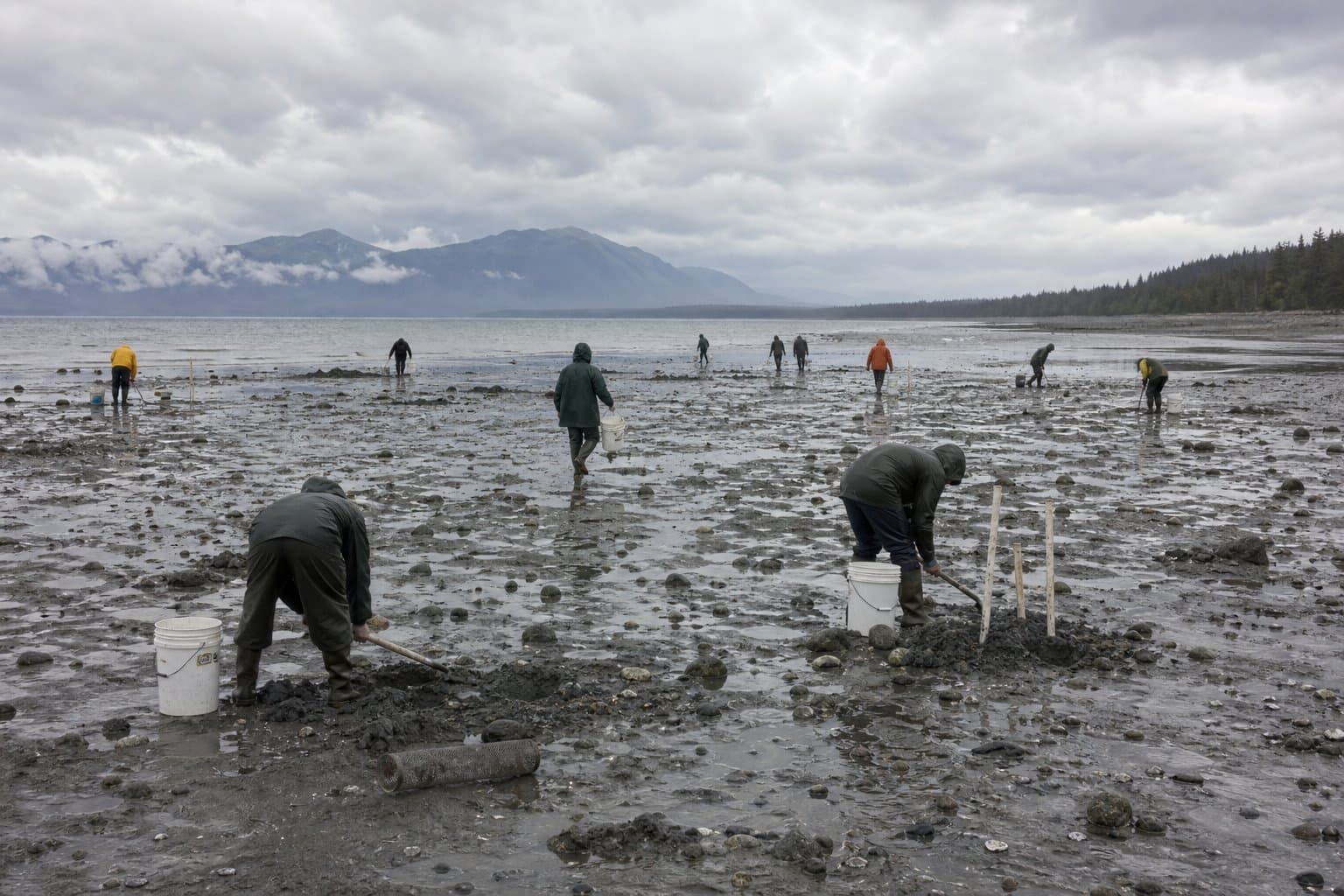
Seines were tested on Eastside beaches under experimental permits in 2024 and 2025. Fish and Game said they proved effective at catching sockeye while releasing other fish, but said the tests couldn't show how many released fish die afterward. Department staff also warned the board that fewer permit holders could fish, because not all have onshore lease sites.
At the board, the Kenai River Sportfishing Association, which advocates for sport anglers, backed seines as a way to reduce king deaths while fishing for sockeye. The Kenai Peninsula Fishermen's Association, which advocates for commercial setnetters, said the change "will result in the loss of our traditional set gillnets," and the Pacific Seafood Processors Association also opposed it.
Public comments on the rule, which closed Nov. 16, ran both ways. "Our family was directly involved in testing beach seines," setnetter Amber Every wrote. The gear offers a way to harvest sockeye "while minimizing our impact on king salmon," she wrote.
Richard Person, a lifelong Eastside setnetter, wrote that the gear "would be extremely allocative as you would need to have beach sites in order to fish one," and that most permit sites are offshore.
Permit holder Russell Clark is challenging the board's action in Kenai Superior Court. He argues that set beach seines are fish traps, which are banned under an ordinance adopted with the Alaska Constitution. He also petitioned the commission to rule on that question. The commission denied the petition Oct. 30 in a letter from Green, saying it isn't empowered to issue advisory opinions or make legal determinations about the board's actions.
The rule covers the Cook Inlet permit area, Jennifer Findley, the commission's law specialist, said at the meeting. It doesn't, for now, apply to the separate East Side Set Net area the state creates Jan. 1, she said; whether seines are allowed there is up to the Board of Fisheries. Eastside setnetters who prove recent fishing there can apply to move into that area. The board takes up more than 30 proposals on the Kenai king plan, including some that would bring back gillnets or ban seines, at its Upper Cook Inlet meeting Feb. 25 through March 8.
In other business, the commission removed Arctic lamprey as a specific fishery resource code and set $75 renewal fees for statewide freshwater dip net and fyke net permits.
Disclosure: Alaska News editor Cale Green’s father, Rick Green, chairs the Commercial Fisheries Entry Commission. Green’s closest friends include members of a family that has held a permit in this fishery for three generations; one of them was the best man at his wedding.
What did you make of this story? (no account needed)
Made by our human newsroom with AI. Reviewed by Cale Green. How humans and AI work here · Grow with our newsroom ·
Keep Alaska News free for everyone.
No paywall, ever. Members pay so everyone can read the meetings and records Alaska News covers.
Get Alaska News in your inbox
Create your free account and get the day’s top stories around 6 each morning, in a few minutes’ read.
Top stories, around 6 each morning.
Stories on what you follow, on Sundays.
Source: Alaska Department of Fish and Game, Commercial Fisheries Entry Commission: CFEC Public Meeting Minutes - 11/17/2026.





Comments
Sign in to leave a comment.
No comments yet. Be the first to share your thoughts.