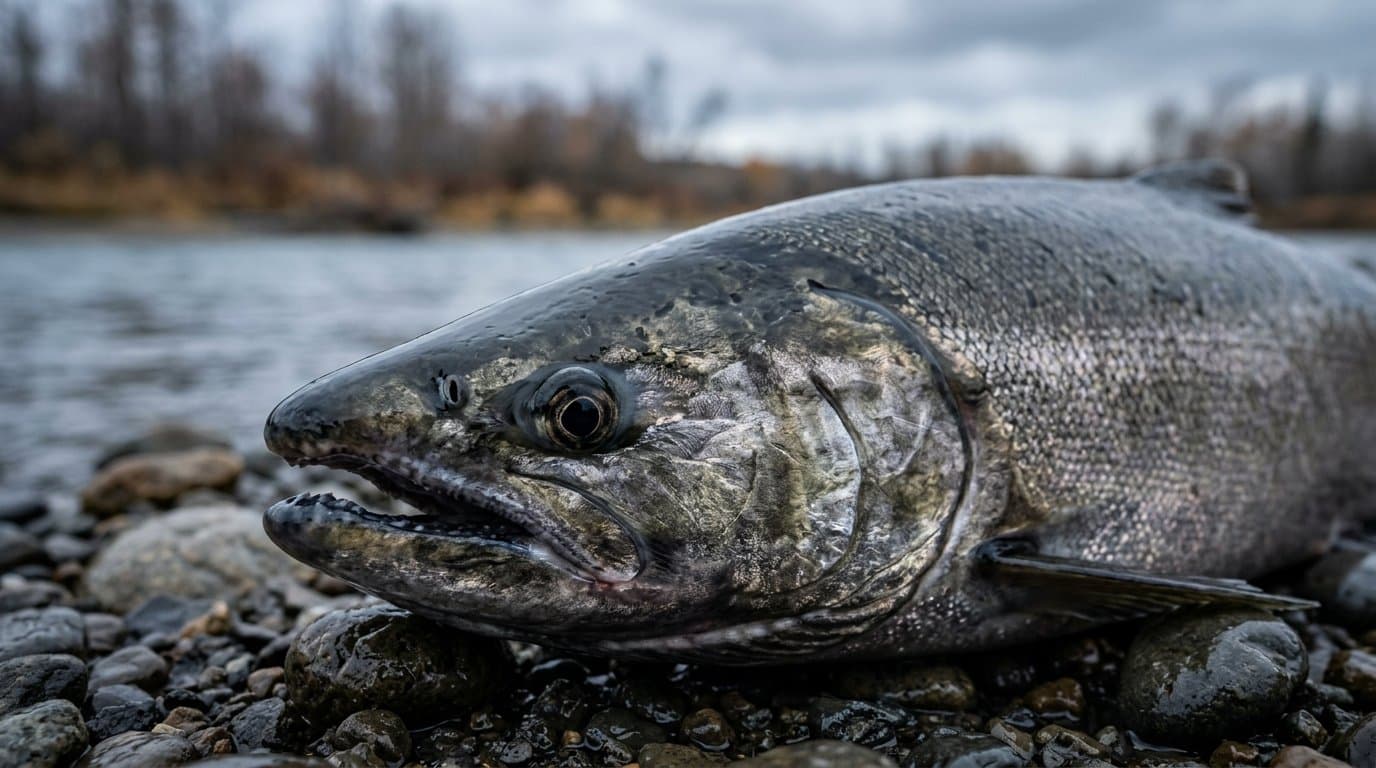
AI image
Kenai kings fell short again as a local panel starts reviewing plan changes
The Kenai/Soldotna Fish and Game Advisory Committee on Wednesday begins reviewing Board of Fisheries proposals for Upper Cook Inlet, including more than 30 that would change the plan for Kenai River late-run king salmon. The run met its recovery goal in 2025 and fell short again this year.
The plan aims for 14,250 to 30,000 large kings, those at least 75 centimeters, or about 30 inches, from mid-eye to tail fork. An estimated 15,641 reached the river to spawn in 2025, up from a record low the year before, according to the Department of Fish and Game. This year's estimate is 10,211, according to a department memo prepared for the Board of Fisheries in October.
The plan stays in effect until the goal is met three years in a row, or four of six years, with at least one of those years at 18,000 fish or more. Even then, the kings remain a stock of concern until the department recommends lifting that status and the board agrees.
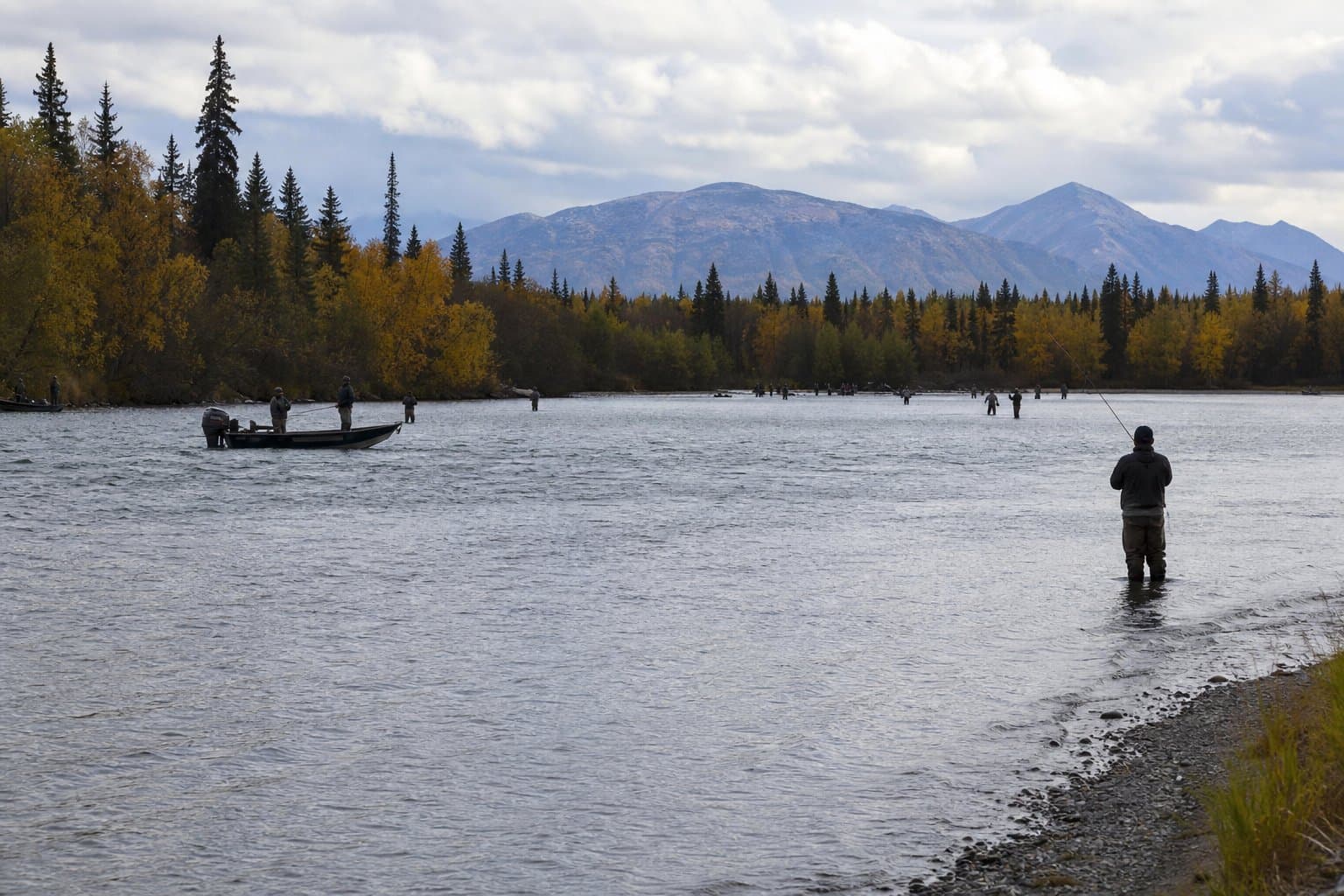
While the plan is in effect, reaching 14,250 large kings takes priority over keeping Kenai and Kasilof sockeye under the top of their goals. If that number isn't projected, the Kenai River closes to sport fishing for kings. The river was closed to king fishing all season this year.
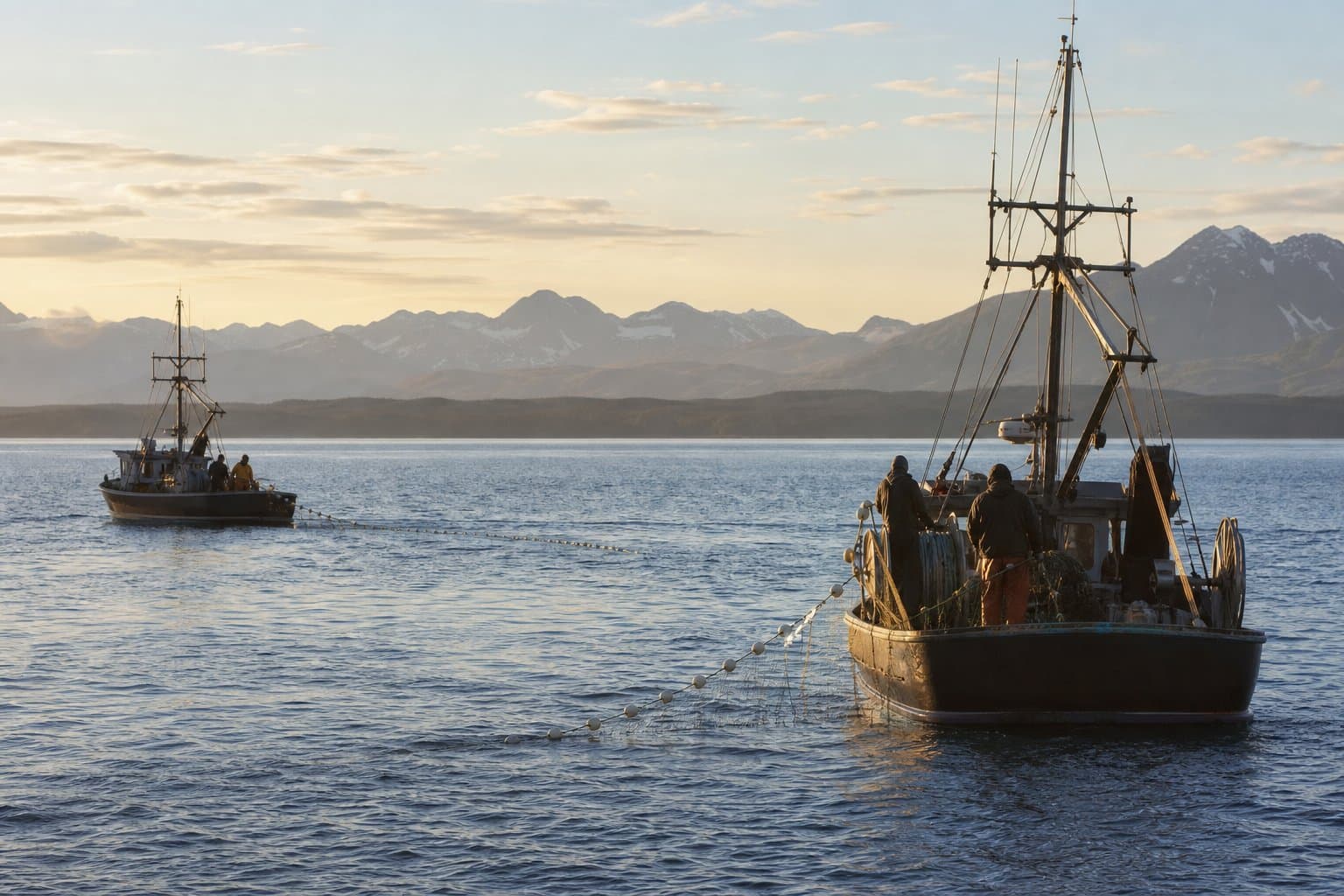
Most of the new proposals deal with the east side set gillnet fishery, a commercial fleet that fishes for sockeye off the Kenai Peninsula's beaches and also catches kings. The state closed the fishery in 2023. There was no setnet fishing in 2024, and the fleet got two eight-hour openings in 2025, the department says. Since 2024, setnetters have been allowed to use dip nets instead to catch sockeye.
In May, the board took set gillnets out of the plan and replaced them with beach seines, allowed when more than 14,250 large kings are forecast. A beach seine is anchored on shore and hauled back in, and keeping kings is prohibited. But setnet permits don't cover seines, and in June the Commercial Fisheries Entry Commission split 1-1 on an emergency rule that would have allowed them.
Many of the new proposals would bring set gillnets back, expand commercial dip netting or reshape the seine rules. One, from three families, describes "a fleet adapting to changing conservation needs while grieving the loss of historic gear and fishing opportunity" dating to the 1880s, according to the proposal book.
Another, from Daniel Norman, who wrote that he crewed on 2024 seine tests done under state permits, says seining is physically impossible for 361 of 408 setnet permit holders, whose lease sites are offshore. The department told the board before the May vote that dropping gillnets would reduce how many permits could fish, since not all permit holders have onshore lease sites.
The Kenai River Sportfishing Association's proposal, filed before the May vote, would also "replace gillnets with beach seines." It argued the plan didn't adequately share the conservation burden, because setnets could catch kings when the run was projected above 14,250 while anglers couldn't keep large kings, or any kings at all.
Other proposals reach the river's other fisheries. One would shut the Kenai personal-use dip net fishery while the kings are a stock of concern, unless the recovery goal is projected to be met. Two would cut the plan's six-sockeye daily limit for anglers, twice the river's usual limit. The Kenai River Professional Guide Association would repeal standing hour and day limits that apply only to guided fishing and instead let the department restrict all anglers by emergency order when needed.
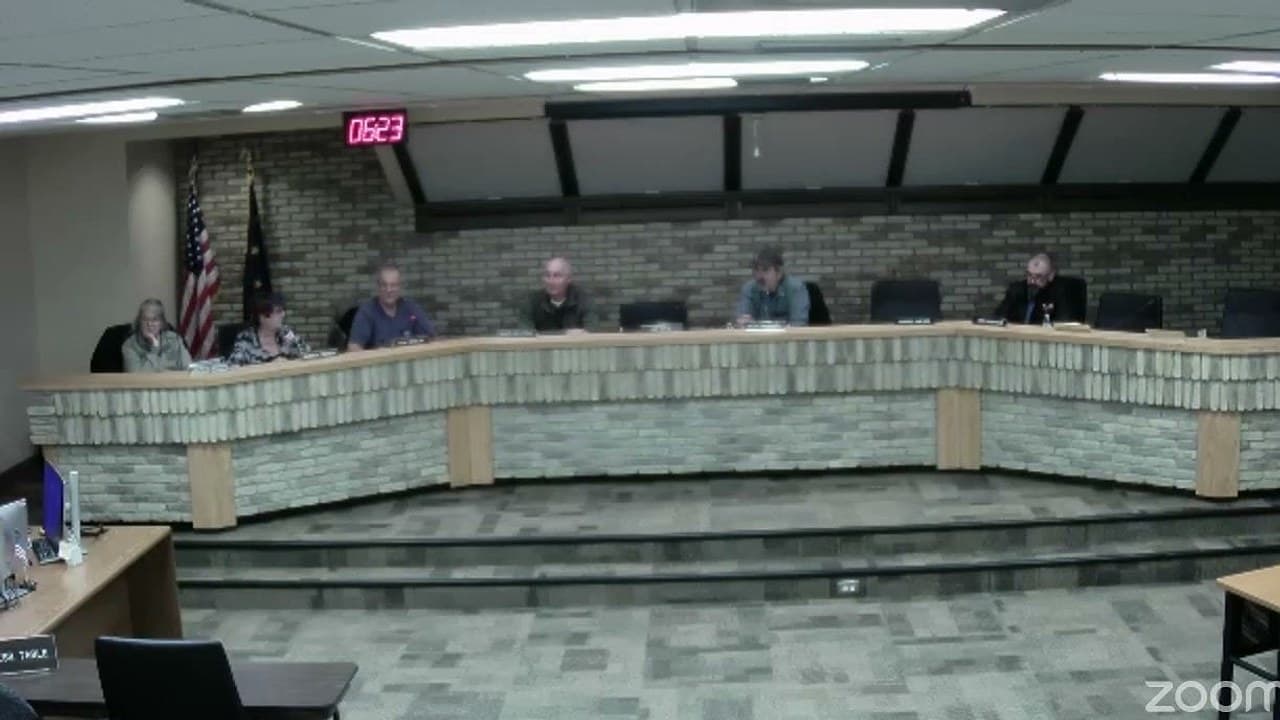
Advisory committees are local groups that make recommendations to the board, which decides. Wednesday's meeting is at the Kenai National Wildlife Refuge Visitor Center in Soldotna, and Nov. 25 is listed for the next one, according to the committee's agenda.
The board takes up Upper Cook Inlet finfish March 4 to 15 in Anchorage. Public comments are due Feb. 17.
Disclosure: Commercial Fisheries Entry Commission Chair Rick Green is the father of Alaska News CEO and editor Cale Green.
What did you make of this story? (no account needed)
Made by our human newsroom with AI. Reviewed by Cale Green. How humans and AI work here · Grow with our newsroom ·
Get Alaska News in your inbox
Create your free account and get the day’s top stories around 6 each morning, in a few minutes’ read.
Top stories, around 6 each morning.
Stories on what you follow, on Sundays.
Source: Kenai/Soldotna Fish and Game Advisory Committee, Kenai/Soldotna Fish and Game Advisory Committee: Kenai/Soldotna Fish and Game Advisory Committee Meeting.





Comments
Sign in to leave a comment.
No comments yet. Be the first to share your thoughts.