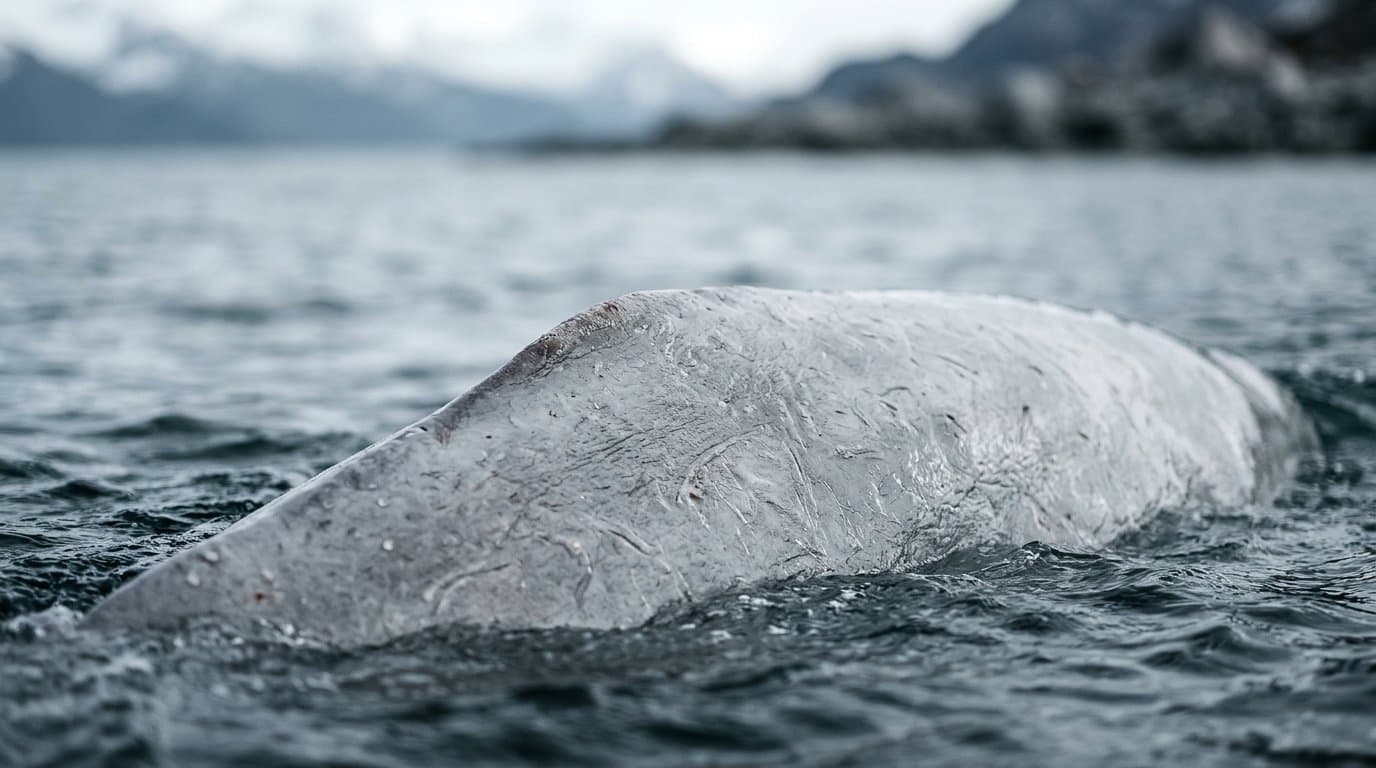
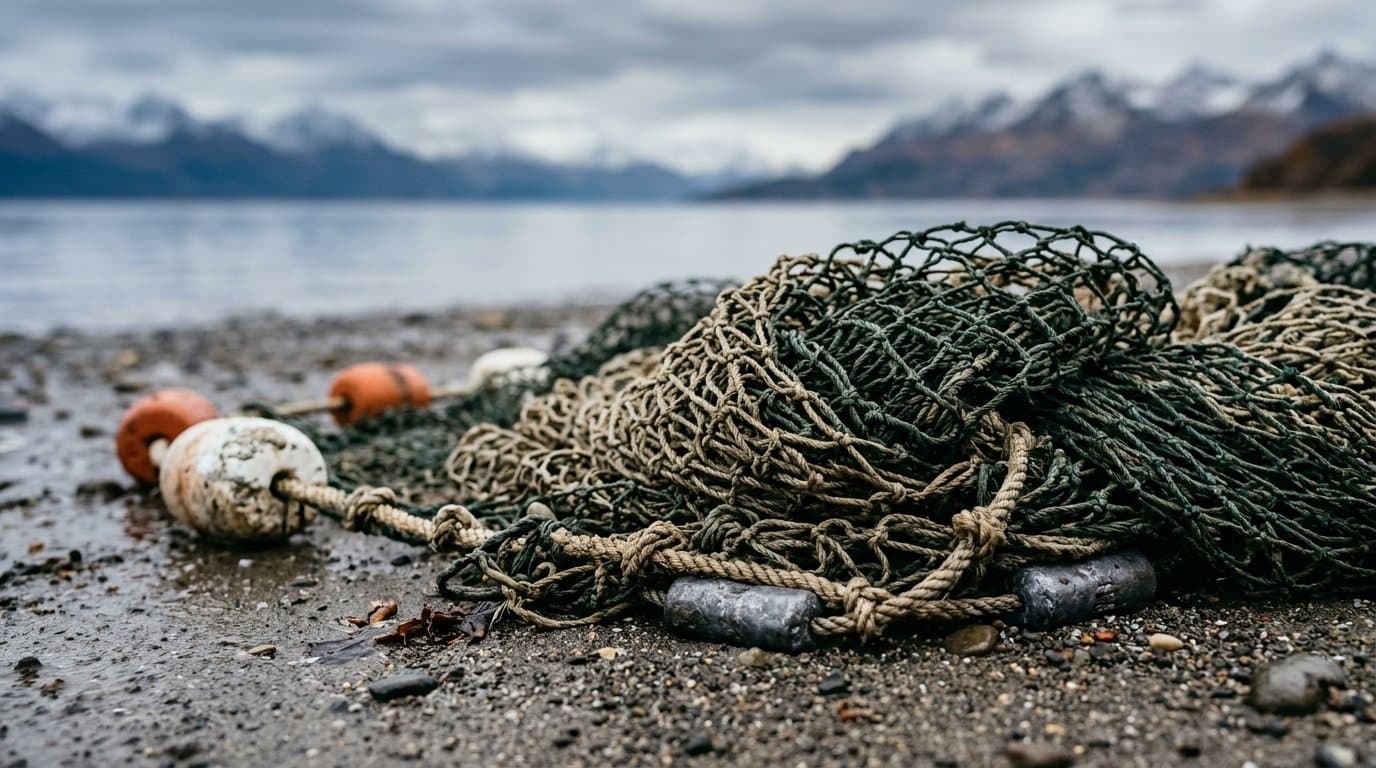
AI image
Fairbanks firm gets a federal permit to count whales near a proposed Cook Inlet barge site
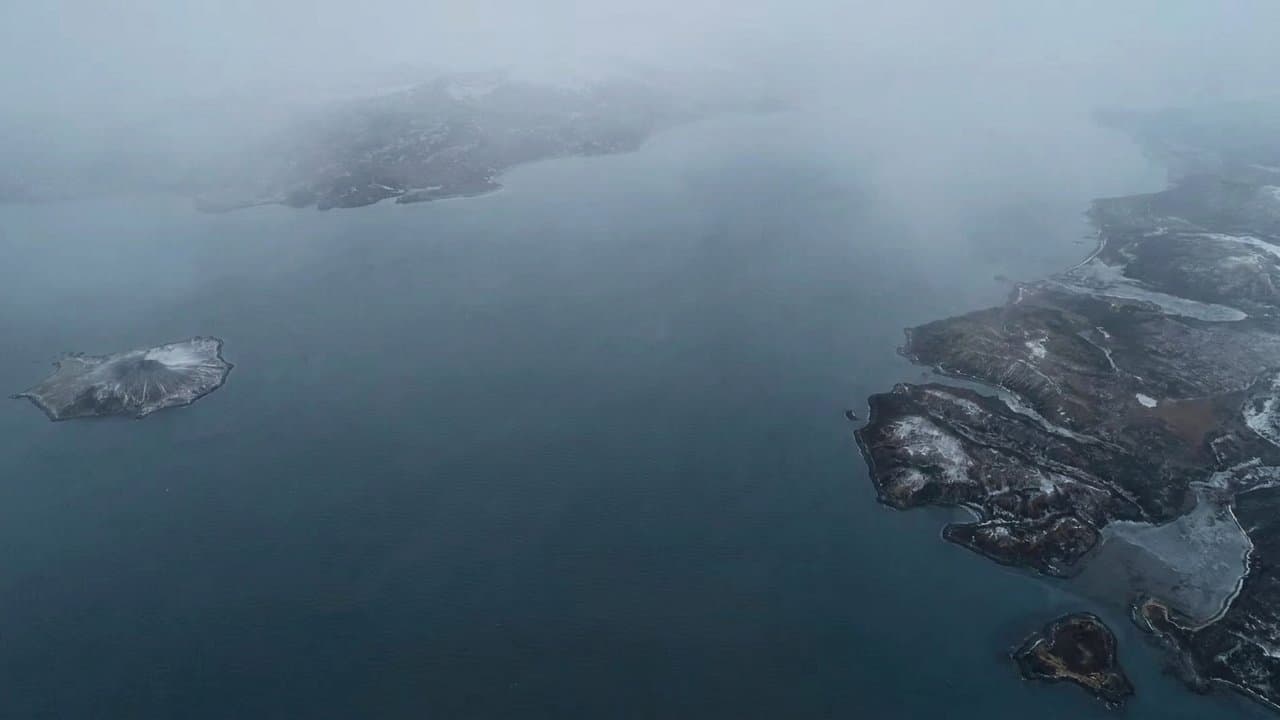
A Fairbanks research firm has a federal permit to count and film whales, seals and sea lions around a proposed barge site in western Cook Inlet.
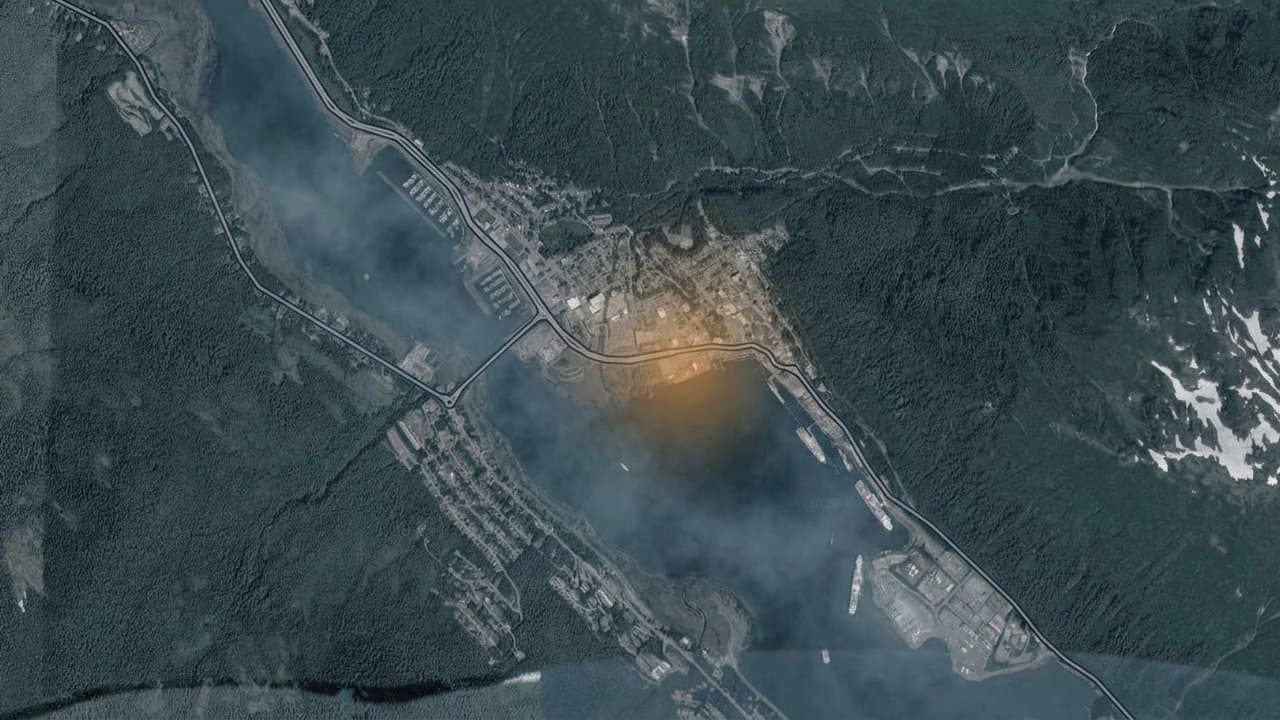
The National Marine Fisheries Service issued the permit to ABR, Inc. Environmental Research and Services on Oct. 13 and announced it Monday in the Federal Register. The permit covers surveys in Tuxedni Bay and Tuxedni Channel, on the inlet's west side.
The goal, according to ABR's application notice, is to learn which marine mammals use the area, how many there are, and how that changes from season to season and year to year.
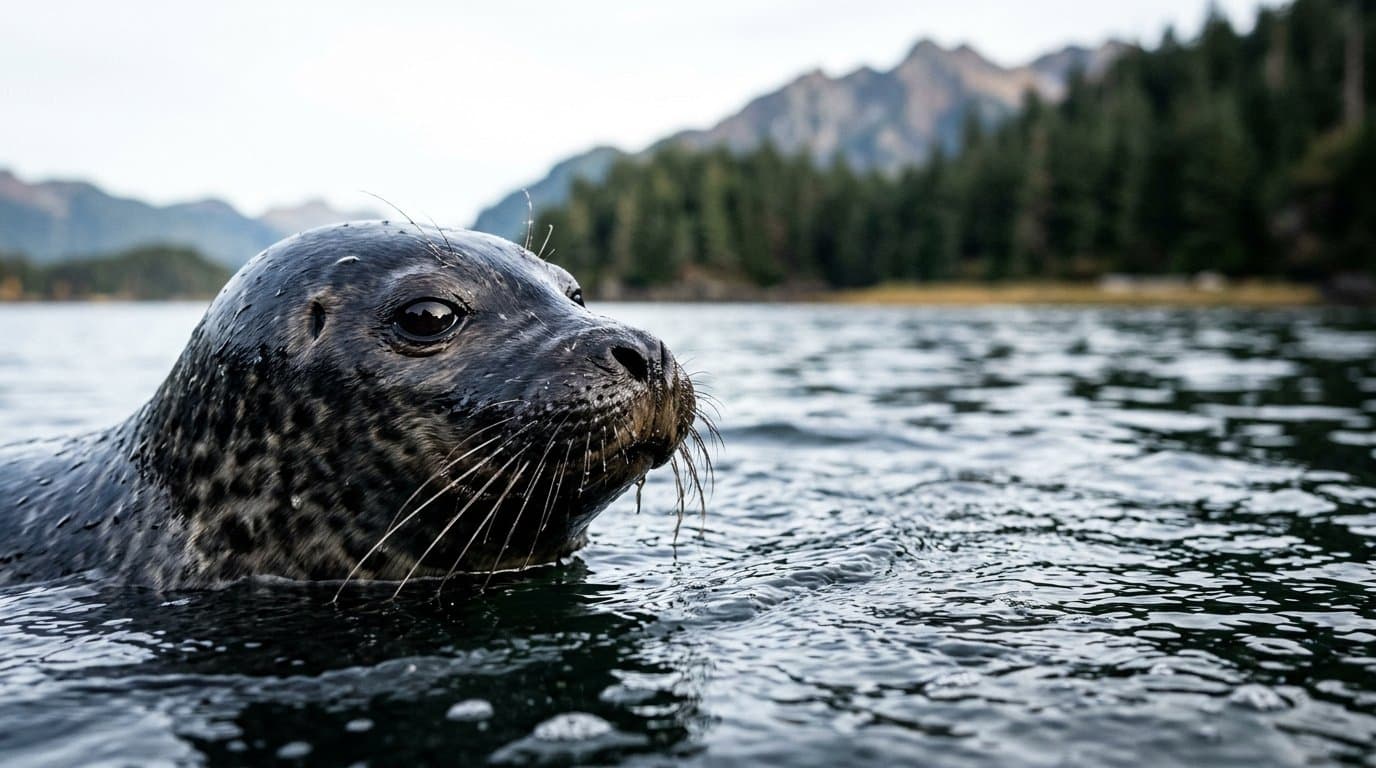
The permit covers 14 species, including harbor seals, harbor and Dall's porpoises, Pacific white-sided dolphins, killer whales and minke whales. Several are listed as endangered, including:
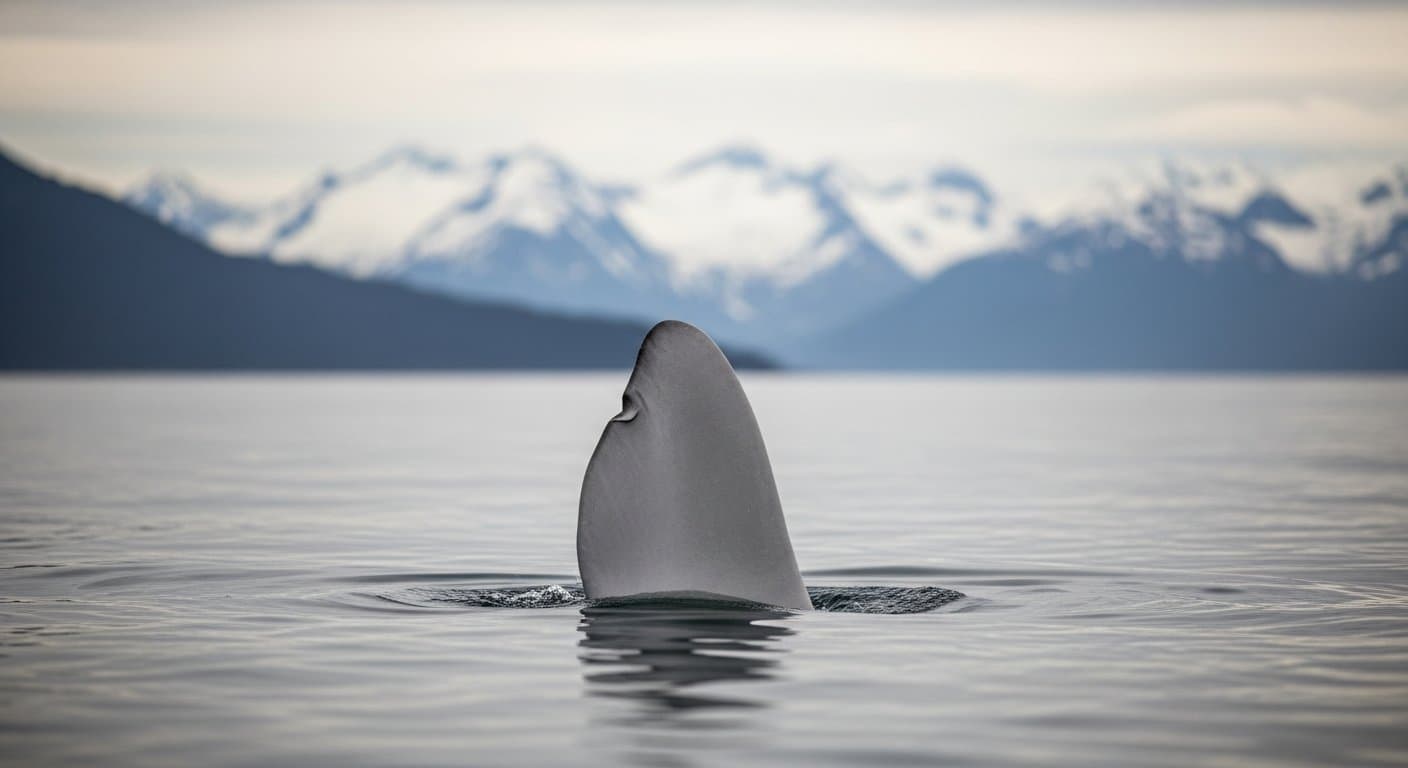
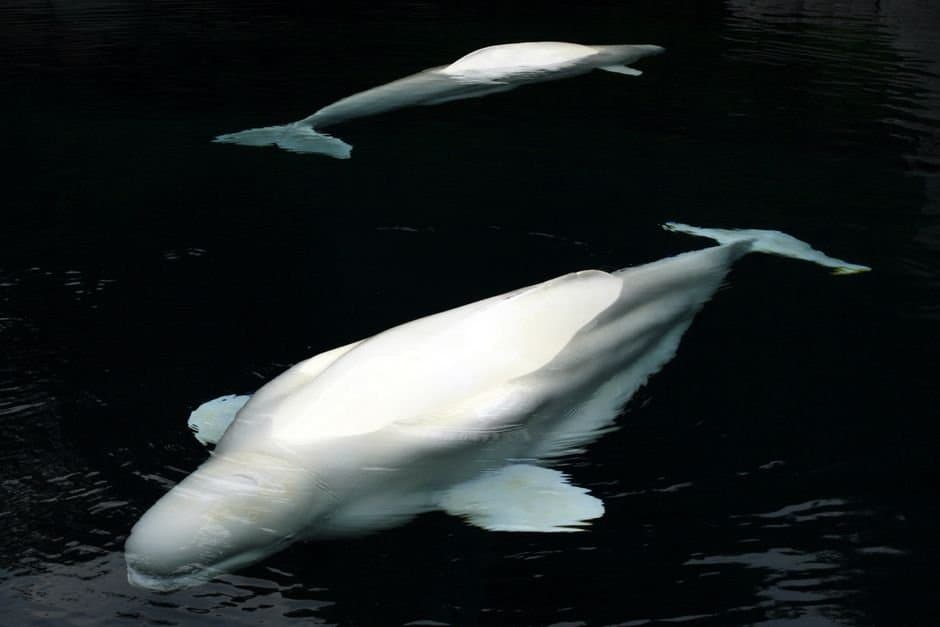
Cook Inlet belugas. The population has dropped about 75% since 1979, to an estimated 331 whales in 2022. It's the only endangered beluga population in Alaska.
North Pacific right whales. NOAA calls the eastern population "the most endangered large whale population in the world." Scientists believe about 30 remain in the eastern North Pacific, the agency says.
Western Steller sea lions, also listed as endangered.
Endangered fin whales, gray whales, humpbacks, northern fur seals and California sea lions round out the list. For gray whales and humpbacks, the notice lists endangered populations alongside others that aren't.
ABR's application describes surveys from boats, crewed aircraft and drones, to count animals of all ages and take photos and video. Nothing in the notices involves capturing or tagging animals.
Even watching takes a permit. The Marine Mammal Protection Act generally bars "taking" a marine mammal without a permit or other authorization, and the law defines take broadly. It includes harassment, which comes in two levels:
Level A covers acts with the potential to injure an animal.
Level B covers acts with the potential to disturb one by disrupting its behavior, "including, but not limited to, migration, breathing, nursing, breeding, feeding, or sheltering."
Congress set a narrower bar for military readiness activities and research done by or for the federal government. For those, a disturbance counts only when behavior is abandoned or significantly altered.
The agency found ABR's permit won't work to the disadvantage of endangered species. It didn't require a full environmental review.
The notices don't say who is proposing the barge site or whether ABR is doing the work for a client.
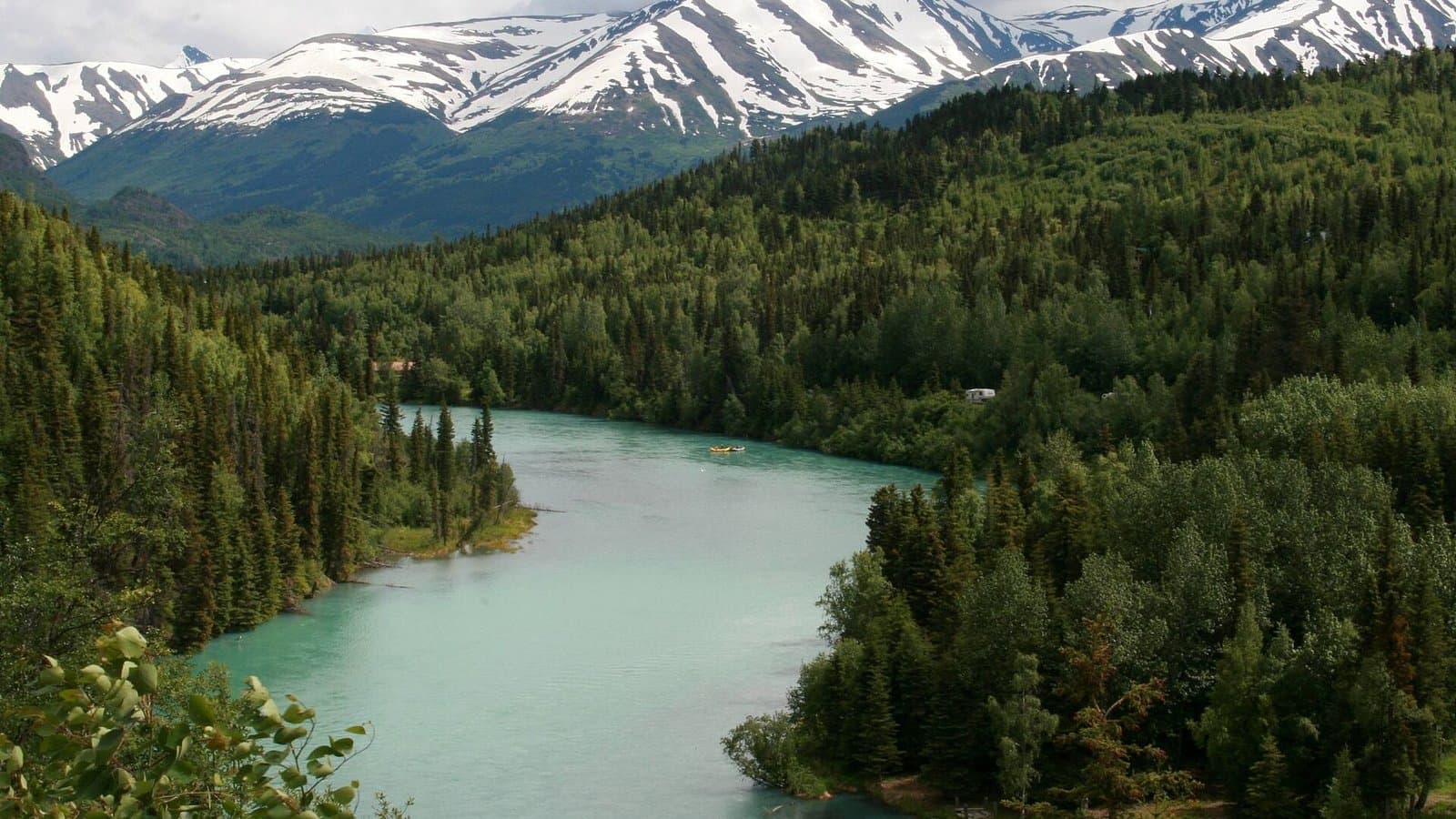
Tuxedni Channel is where Contango Silver & Gold plans a barge loading facility for its Johnson Tract project, an underground mine Contango hopes to build on Cook Inlet Region Inc. land inside Lake Clark National Park and Preserve. Conservation groups, a tribal council and a commercial fisherman sued over the project's access road permit, citing belugas among their concerns. A federal judge upheld the permit in September.
NOAA published ABR's application in July. ABR asked for the permit to run five years and three months, with Adrian Gall as the responsible party.
What did you make of this story? (no account needed)
Made by our human newsroom with AI. Reviewed by Cale Green. How humans and AI work here · Grow with our newsroom ·
Get Alaska News in your inbox
Create your free account and get the day’s top stories around 6 each morning, in a few minutes’ read.
Top stories, around 6 each morning.
Stories on what you follow, on Sundays.
Source: National Marine Fisheries Service, National Marine Fisheries Service: Permits; Applications, Issuances, etc.: Marine Mammals and Endangered Species.




Comments
Sign in to leave a comment.
No comments yet. Be the first to share your thoughts.