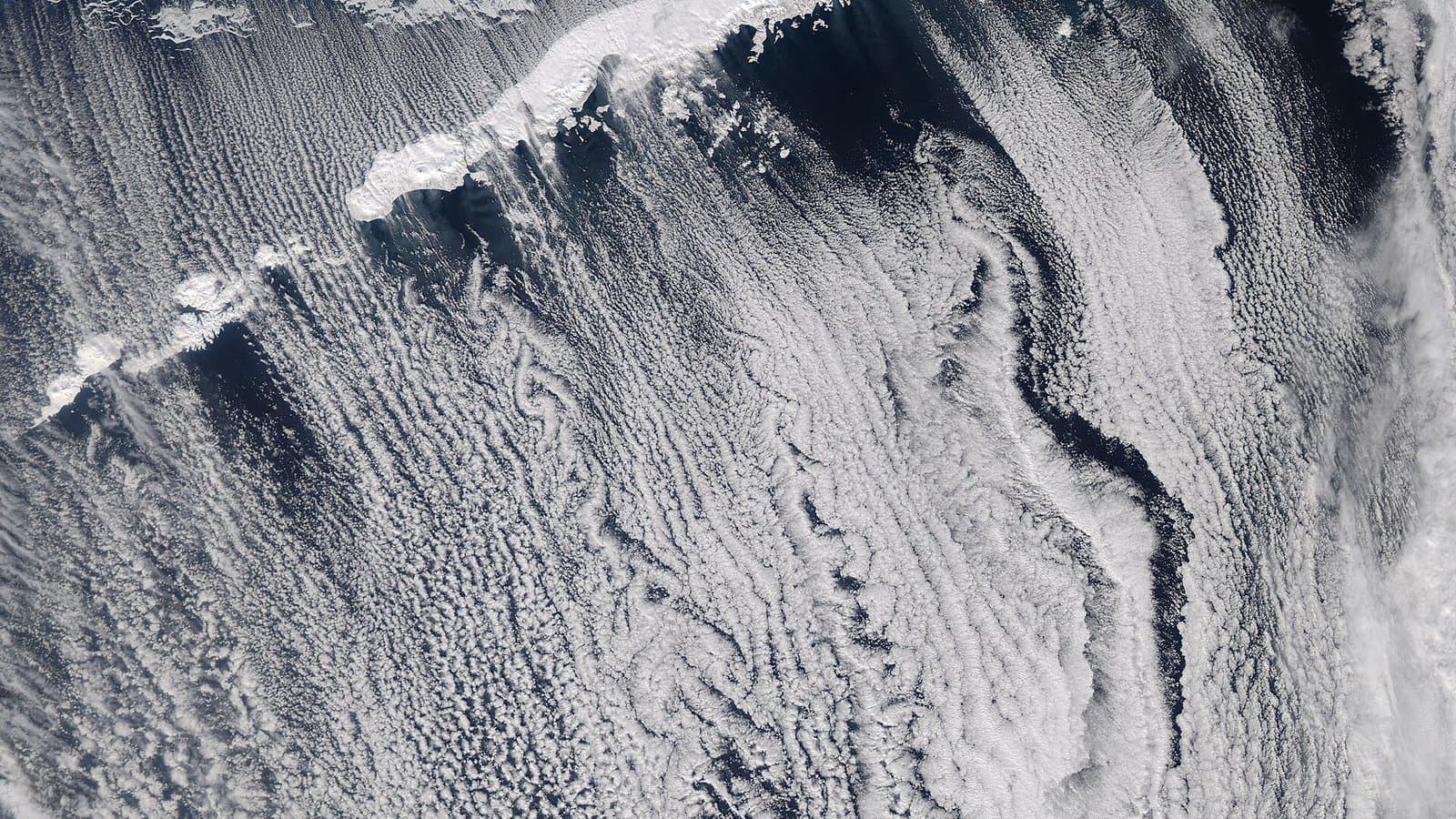
Photo: Jeff Schmaltz, MODIS Land Rapid Response Team, NASA GSFC via Wikimedia Commons · Photo source · Public domain
Federal scientists recommend an 8% lower catch ceiling for Aleutian perch in 2027
Federal scientists are recommending a lower ceiling on how much Pacific ocean perch fleets can catch in the Bering Sea and Aleutian Islands next year, after surveys found fewer of the fish for the second time in a row.
Their draft assessment recommends an 8% cut in the scientific catch ceiling, to 33,640 metric tons in 2027. A metric ton is about 2,200 pounds.
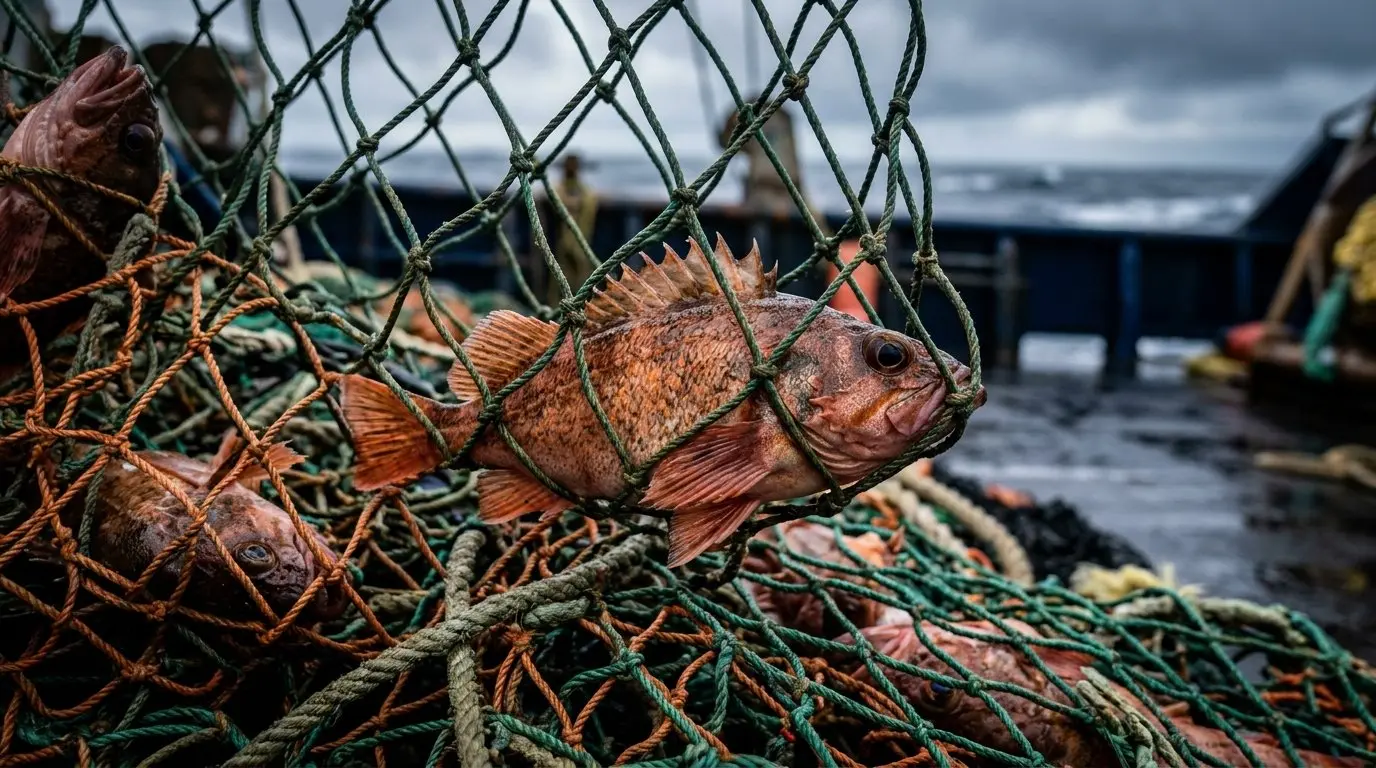
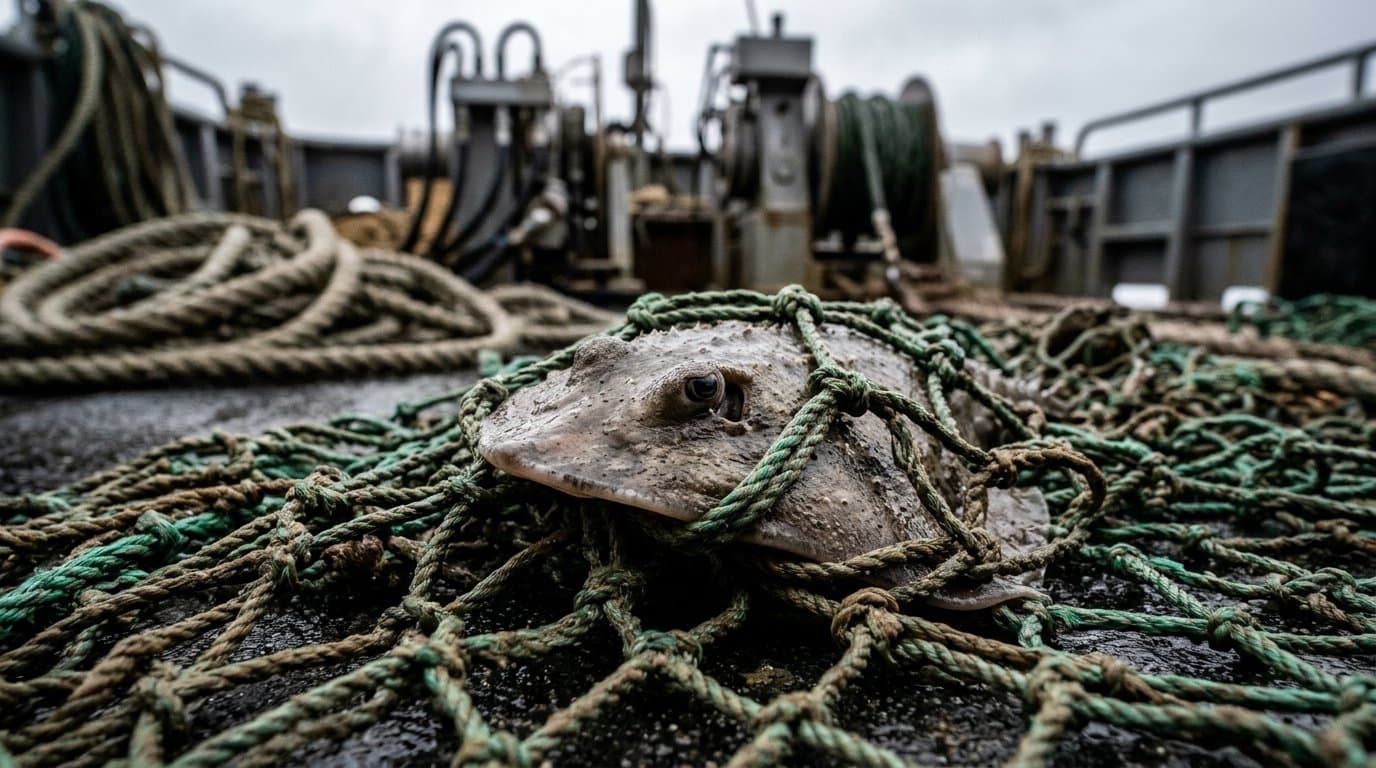
Pacific ocean perch is a rockfish caught mostly by trawlers in the Aleutians. Boats catch it mainly on trips targeting rockfish, Atka mackerel and pollock. Current catches are the largest since the mid-1970s, the draft says.
Managers set the actual catch limit at or below the scientists' ceiling. This year, the ceiling was 36,578 tons, but the catch limit was set lower, at 33,490 tons, according to the 2026 federal harvest rule. The new recommended ceiling is slightly above this year's catch limit.
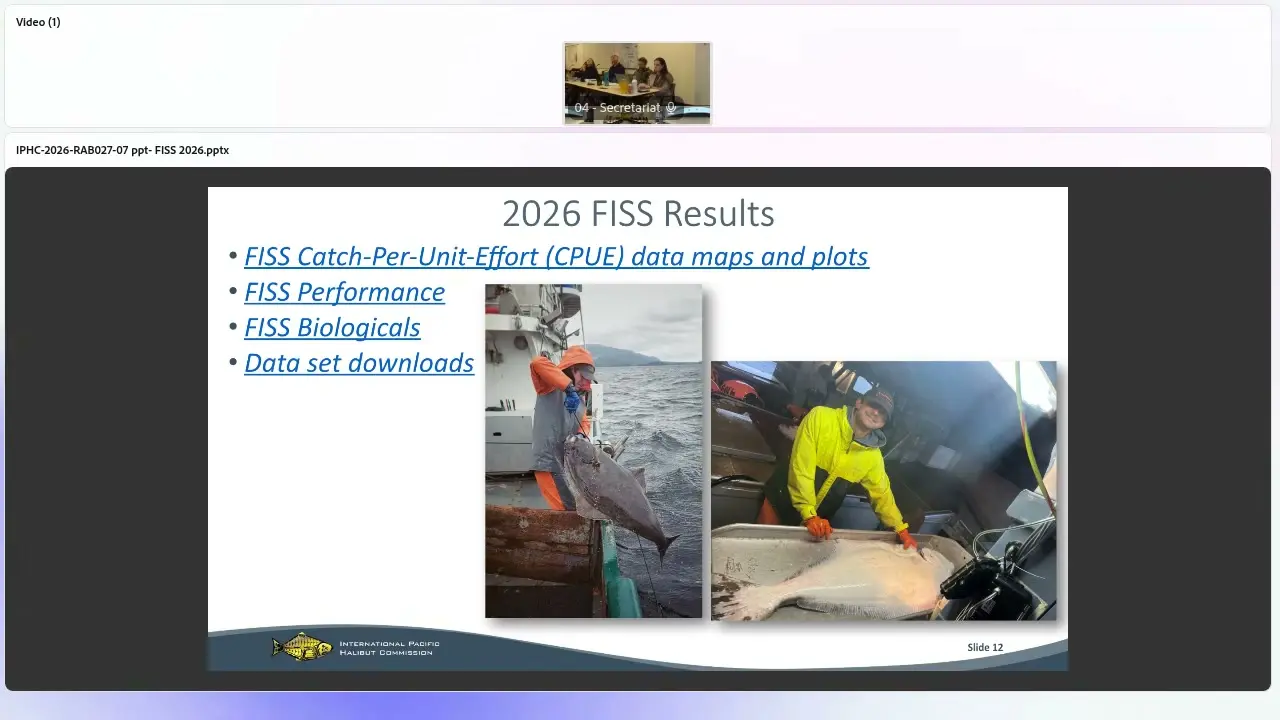
The recommendation follows the federal trawl survey in the Aleutians, which estimated a record 1,069,000 tons of perch in 2022, then 984,000 tons in 2024 and 785,000 tons this year. That's a 20% drop from the last survey, according to the draft by Paul D. Spencer and James N. Ianelli of the Alaska Fisheries Science Center.
The stock is not overfished, is not approaching that point and is not subject to overfishing, the draft says. "The AI trawl survey indicates that BSAI POP remain at high abundances," Spencer and Ianelli wrote, using shorthand for Aleutian Islands and for Bering Sea–Aleutian Islands Pacific ocean perch.
They rated their assessment at "increased concern" because its estimates of past population sizes have shifted as new data came in, and because it doesn't fit the age and length data well. They still recommended the maximum allowable catch.
Under federal rules, 10.7% of the Aleutian perch catch limit goes to the Community Development Quota program, which gives Western Alaska community groups shares of Bering Sea fisheries. The rest is split between two groups of trawlers.
One of those groups, known as the trawl limited access sector, reached its limits and was closed to perch fishing in the Central and Western Aleutians in August and September.
The draft would also change how the catch is divided across the Aleutians. The western Aleutians' share would fall by about a sixth, from 15,088 tons to 12,682 tons. The eastern share would rise from 6,144 tons to 6,997 tons.
This year's western Aleutian catch limit was 12,000 tons, and boats had caught 11,869 tons of it through Oct. 10. The draft doesn't say whether the new western figure would lower that limit.
The scientists also recommend lowering the overfishing limit, the catch level above which fishing would count as overfishing, from 43,084 tons this year to 39,897 tons in 2027. Last year's catch was 32,368 tons.
The council's groundfish Plan Team, a group of scientists, was scheduled to review the draft Tuesday. The council's Scientific and Statistical Committee meets Nov. 30 to Dec. 3 in Anchorage to recommend catch limits, and the North Pacific Fishery Management Council meets Dec. 4–9 to adopt them. Written comments are due at noon Nov. 27.
The last full assessment was in 2024. There was no update in 2025 because of the federal government shutdown.
What did you make of this story? (no account needed)
Made by our human newsroom with AI. Reviewed by Cale Green. How humans and AI work here · Grow with our newsroom ·
Get Alaska News in your inbox
Create your free account and get the day’s top stories around 6 each morning, in a few minutes’ read.
Top stories, around 6 each morning.
Stories on what you follow, on Sundays.
Source: North Pacific Fishery Management Council, Scientists recommend an 8 percent lower 2027 catch limit for Bering Sea and Aleutian Pacific ocean perch as the Aleutian survey declines.





Comments
Sign in to leave a comment.
No comments yet. Be the first to share your thoughts.