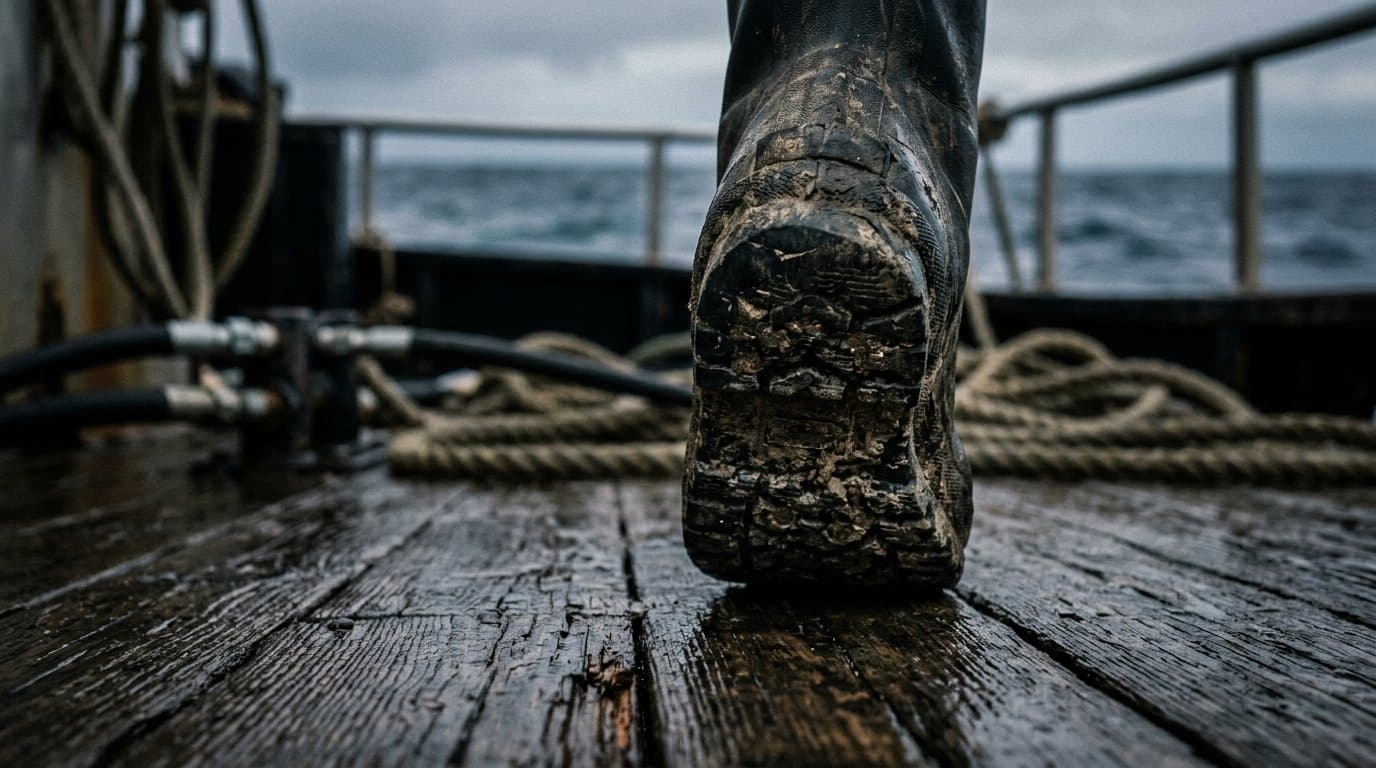
AI image
Federal fisheries agency drops 33 Alaska boats from camera monitoring for 2027
Thirty-three small Alaska fishing boats signed up to carry cameras instead of federal observers won't have that option next year.
The National Marine Fisheries Service removed them from its electronic monitoring pool for 2027 because they had not submitted a required vessel monitoring plan in three years, according to the agency's final 2027 Annual Deployment Plan. The North Pacific Fishery Management Council takes up the plan at its Dec. 4-9 meeting in Anchorage.
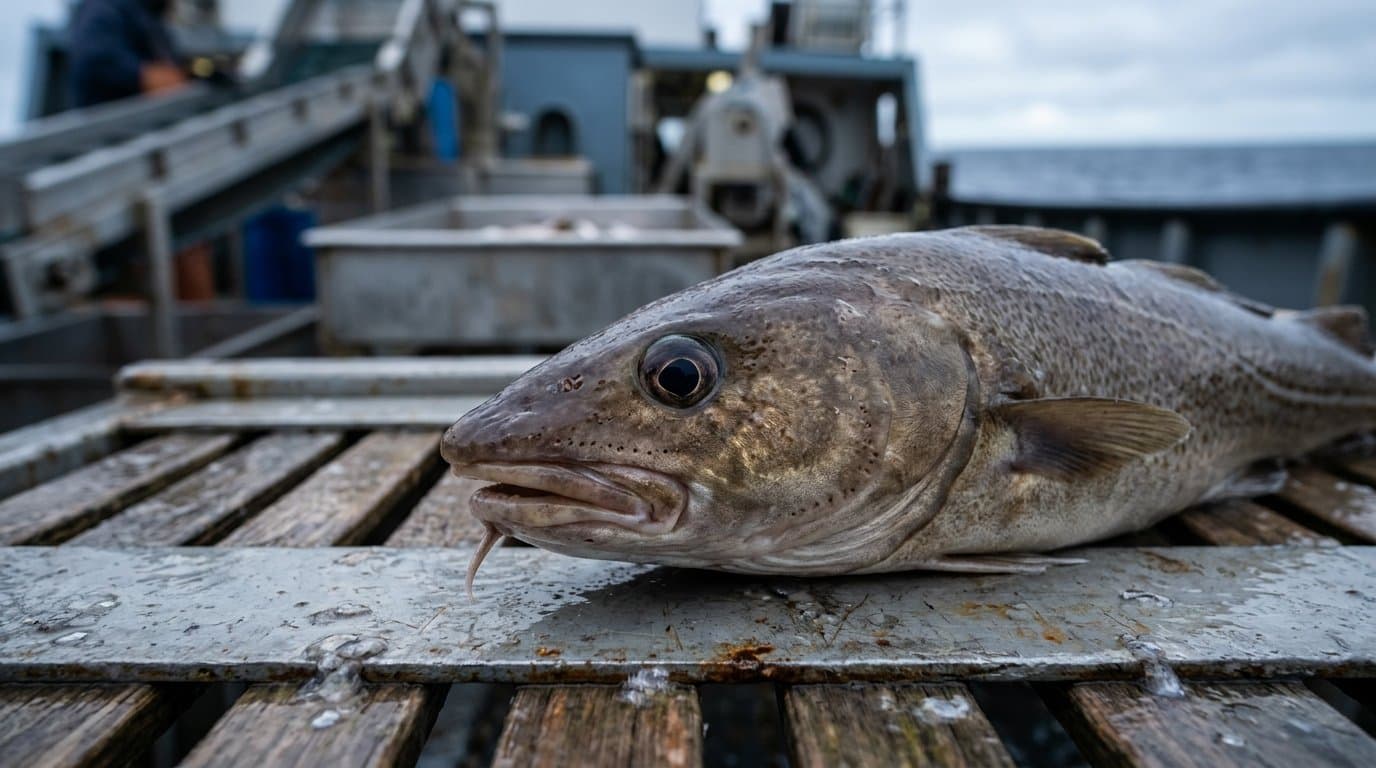
Observers are people who ride along on fishing trips and record what comes up, including fish that get thrown back. Their data feeds the federal government's estimates of total catch, its count of halibut and salmon caught as bycatch, and its assessments of fish stocks, the plan says.
Not every boat carries one on every trip. Boats in what the agency calls partial coverage log their trips in advance, and some trips are picked at random to be monitored.
When NMFS first offered cameras as an alternative, for the 2018 season, it said some operators had trouble making room for an observer because of space and life raft capacity.
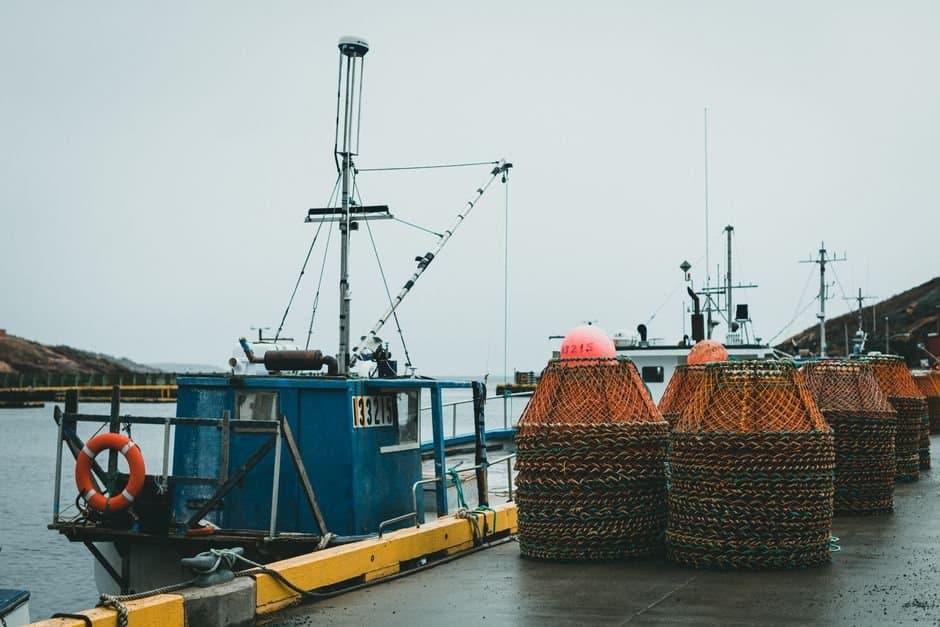
The option is open to fixed-gear boats, which fish with baited hooks on long lines or with pots, a kind of trap. On a selected trip, cameras record the catch, and sensors track equipment such as the boat's hydraulics. The operator mails the hard drives to NMFS within two business days of the trip ending, according to the agency's guidance.
Each boat in the camera pool needs an approved vessel monitoring plan. It describes how the boat sets its gear, how the catch comes aboard, where fish are kept or thrown back, and where the cameras go. It has to be on board before the boat fishes.
The 33 boats move to the observer pool. There, a selected trip means a person comes aboard.
NMFS expects to select 8.34% of observer-pool fixed-gear trips in the Gulf of Alaska next year, about 158 trips, and 29.63% in the Bering Sea and Aleutian Islands, about 74 trips.
The camera pool now holds 147 boats, down from 181 this year. Besides the 33 removals, NMFS approved two new boats, denied three for not enough fishing history, and one owner opted out.
NMFS said the removals were made to improve the cost-efficiency of the monitoring program.
NMFS estimates the recurring equipment cost of cameras at about $6,300 per fixed-gear boat each year.
Money Congress set aside directly for camera installations and replacements is expected to run out by the end of 2026, so those costs now come out of the partial coverage budget, the plan says. That budget, paid mainly by a fee on the value of the previous year's landings, is $5.7 million for 2027, up from $4.75 million this year.
Starting in 2028, boats with three years in the camera pool must log at least nine trips over the most recent three years to stay.
Boats that fall short will be moved to the observer pool automatically and notified before 2028 begins. Getting back into the camera pool takes 15 trips in three years under the 2027 standard.
The council backed both steps in an Oct. 9 motion, which passed without objection. Under the motion, boats removed for low trip counts must give up their camera equipment for use on active boats.
The motion also asked NMFS to consider boats that make only one or two trips a year but can show they have no bunk space for an observer.
"I did want to recognize that folks were put in the EM pool originally in part because some didn't have bunk space for observers," said Nicole Kimball, who chairs the council's Partial Coverage Fishery Monitoring Advisory Committee and made the motion.
NMFS will review every boat in the camera pool again next fall.
What did you make of this story? (no account needed)
Made by our human newsroom with AI. Reviewed by Cale Green. How humans and AI work here · Grow with our newsroom ·
Keep Alaska News free for everyone.
No paywall, ever. Members pay so everyone can read the meetings and records Alaska News covers.
Get Alaska News in your inbox
Create your free account and get the day’s top stories around 6 each morning, in a few minutes’ read.
Top stories, around 6 each morning.
Stories on what you follow, on Sundays.
Source: National Marine Fisheries Service.




Comments
Sign in to leave a comment.
No comments yet. Be the first to share your thoughts.