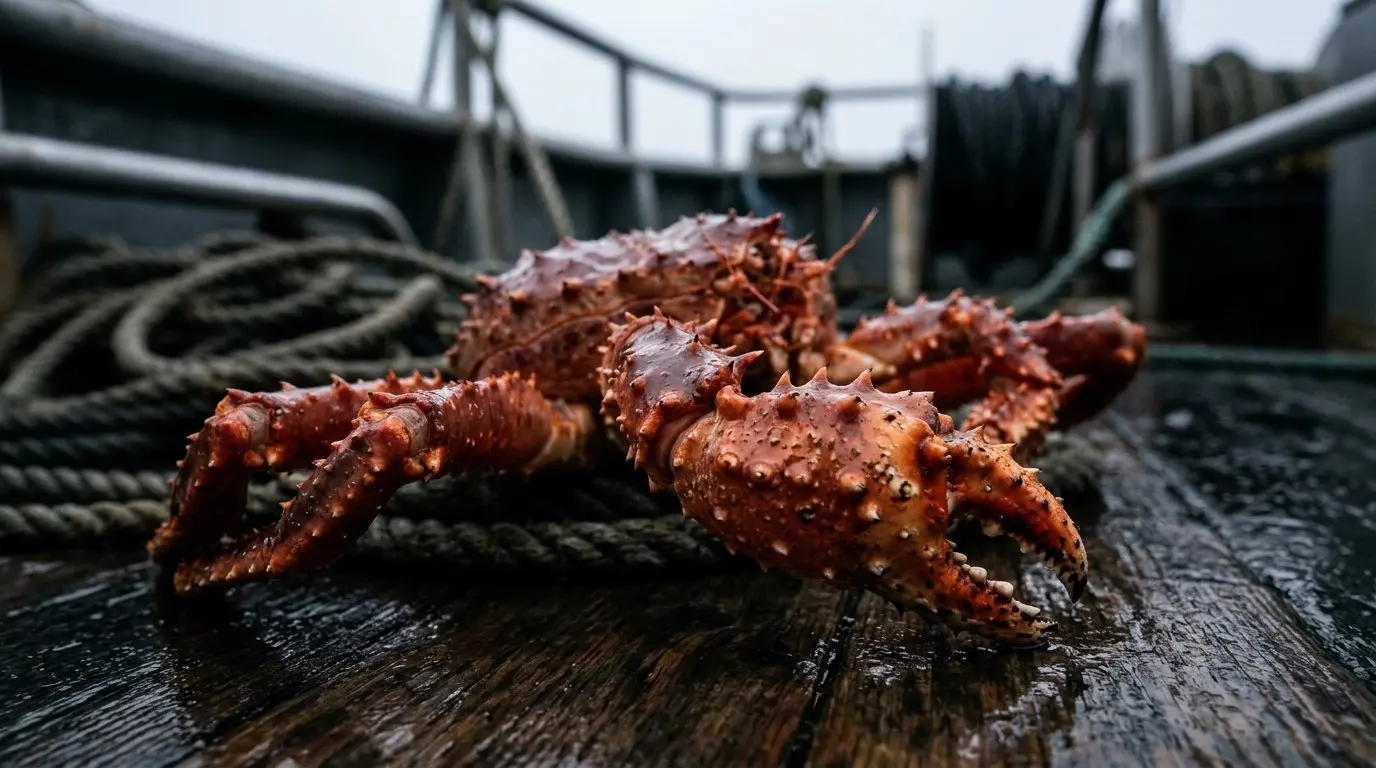
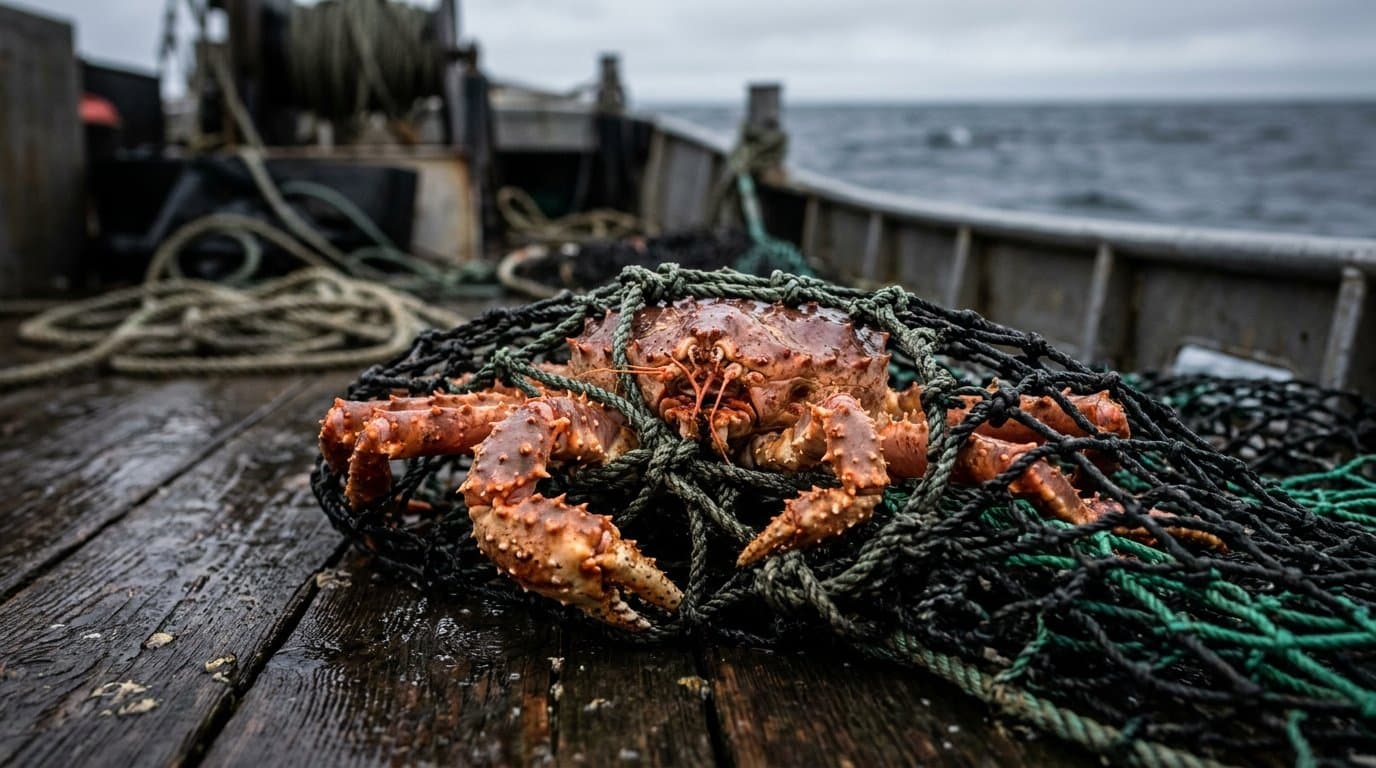
AI image
Advisers back a lower Norton Sound king crab limit despite record-big crab
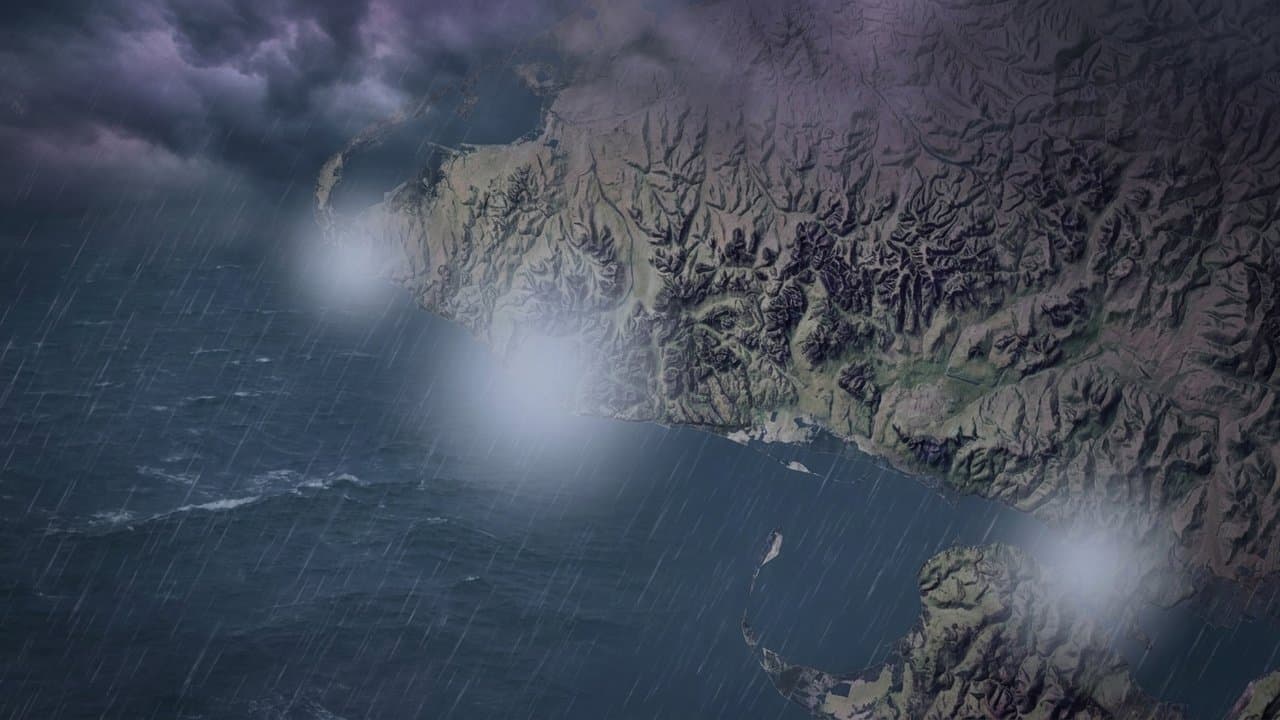
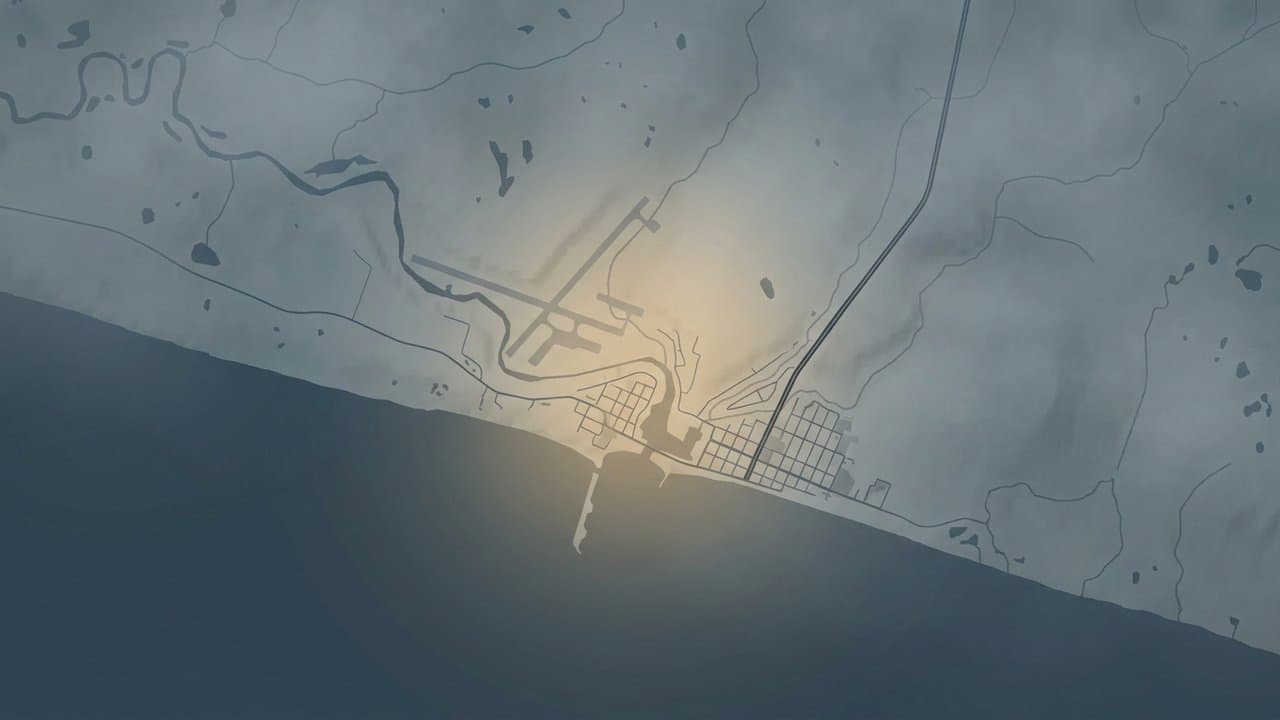
Federal fishery advisers are backing a cut of about a quarter to next year's Norton Sound red king crab catch ceiling, even though the crab that fishermen near Nome hauled in this summer were, on average, the biggest on record.
The North Pacific Fishery Management Council's crab plan team, a group of state and federal scientists, endorsed the lower limits Nov. 5. The council, which sets catch limits for federal waters off Alaska, takes them up in December in Anchorage.
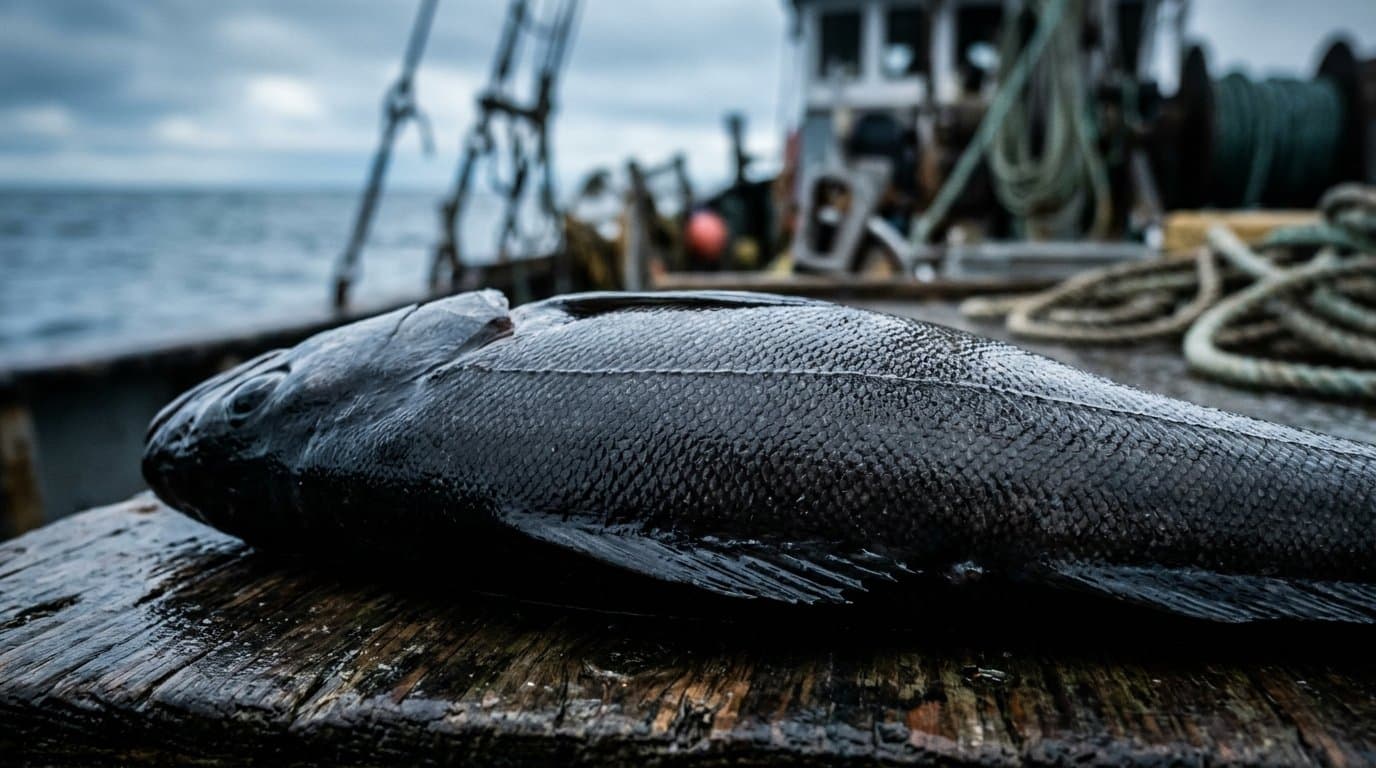
Norton Sound's red king crab support a small commercial fishery each summer and winter, along with subsistence harvests through the ice and in summer. This June, 31 boats fished a 10-day season and landed about 297,000 pounds, worth $3.5 million. They averaged 3.7 pounds apiece, and a record 34% of the crab kept were in the largest size class. Big males hadn't made up a share like that since 1981 and 1982.
The plan team wrote in its November report that there "might be some confusion on the public's part" because the recommended limit is smaller even with strong catch rates and a record share of big males. Catch per pot this summer was above the average since 1994, though well below a 2024 peak.
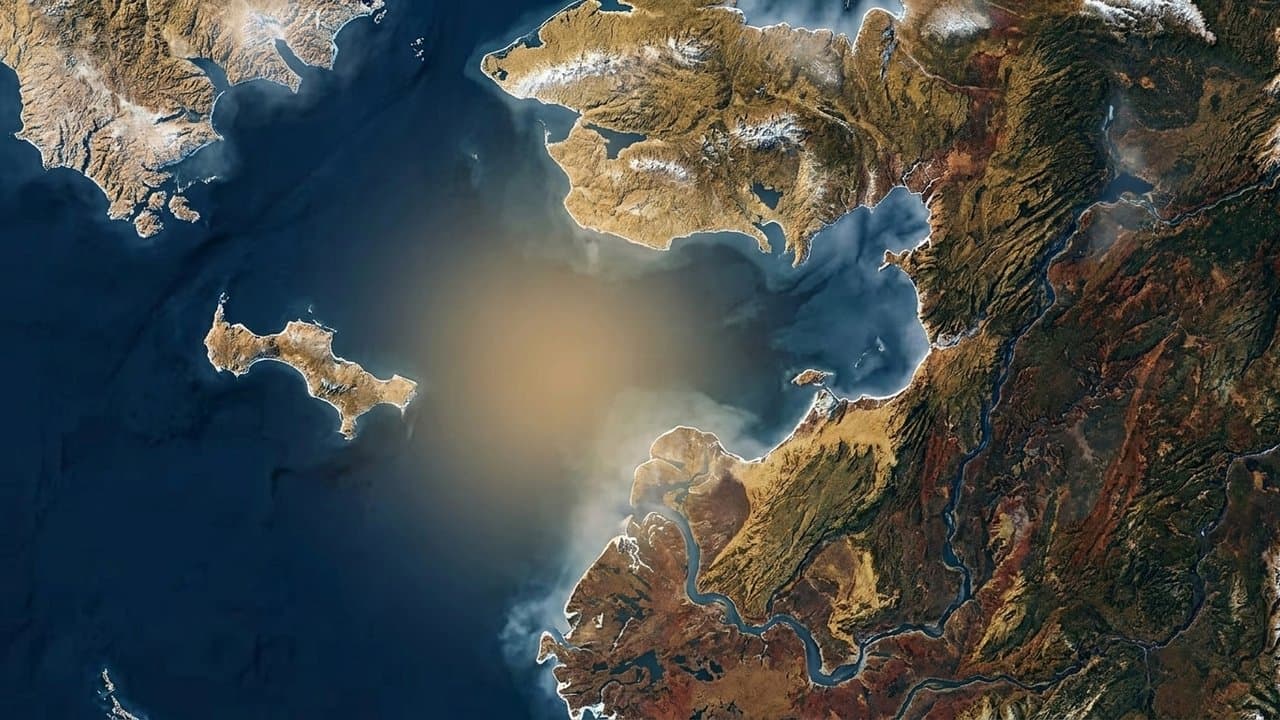
The team traces the gap to a new way of counting. State biologists Caitlin Stern and Katie Palof of the Alaska Department of Fish and Game, in an assessment released in October, used a new model that combines the state's and NOAA's trawl surveys into a single estimate of how many crab are out there. The two surveys have sampled different stations over the years, and the authors call the combined approach more rigorous.
The new model estimates there were more crab over the past decades than scientists had thought. Measured against that bigger historical average, next year's population looks smaller, and the limit drops with it, the plan team wrote.
This year's catch also ran over its ceiling. Commercial catches came in higher than projected in the final days of the summer season, after the state announced it was closing. Counting subsistence harvests and crab that died after being thrown back, the year's total catch ran 13.6% over the ceiling. It stayed under the overfishing limit, so overfishing did not occur. Under the federal plan, the state has some discretion to account for the overage when it sets next year's harvest.
The plan team recommended a 2027 overfishing limit of 143 metric tons, about 315,000 pounds, down from 193 tons this year. The overfishing limit is the line the total catch shouldn't cross. Below it sits the catch ceiling, which the team set at 100 tons, about 220,000 pounds, down from 135 tons. The state then sets its commercial harvest target beneath that.
The team kept a 30% cushion between the two numbers for uncertainty. Neither NOAA's Northern Bering Sea survey nor the state's trawl survey ran in 2026, so there is no new count of the crab independent of the fishery. Scientists also don't know why the crab ran so big. Possible reasons include large males dying less often of natural causes, changes in growth, or movements that put more big crab in front of the fleet.
Modeled pH in Norton Sound, a measure of how acidic the water is, continues to decline, and recent measurements in the sound are at levels of concern based on lab studies of red king crab from other stocks, the plan team wrote, though how that affects young Norton Sound crab isn't well understood. The team asked for research on it.
The crab aren't considered overfished. Mature males are projected at about 1,590 metric tons next year, 61% of their average since 1980, according to the stock assessment summary. A stock counts as overfished below half. The assessment estimates mature males reached their highest level since the late 1970s in 2022, at 4,070 tons, then fell to 1,970 tons this year.
The cut follows a bigger one this year, when the council lowered the ceiling by about a third, to 135 tons from 199 in 2025. The Seward Peninsula Regional Advisory Council, which advises federal managers on subsistence, has said current management isn't meeting local subsistence needs, and NOAA has invited tribes to consult on next year's limits.
The council's Scientific and Statistical Committee reviews the recommendation in December, ahead of the council's Dec. 4-9 meeting in Anchorage.
What did you make of this story? (no account needed)
Made by our human newsroom with AI. Reviewed by Cale Green. How humans and AI work here · Grow with our newsroom ·
Get Alaska News in your inbox
Create your free account and get the day’s top stories around 6 each morning, in a few minutes’ read.
Top stories, around 6 each morning.
Stories on what you follow, on Sundays.
Source: NPFMC Crab Plan Team.




Comments
Sign in to leave a comment.
No comments yet. Be the first to share your thoughts.