AI image
FAA puts controlled airspace over Hilcorp's Trading Bay airstrip starting Feb. 18
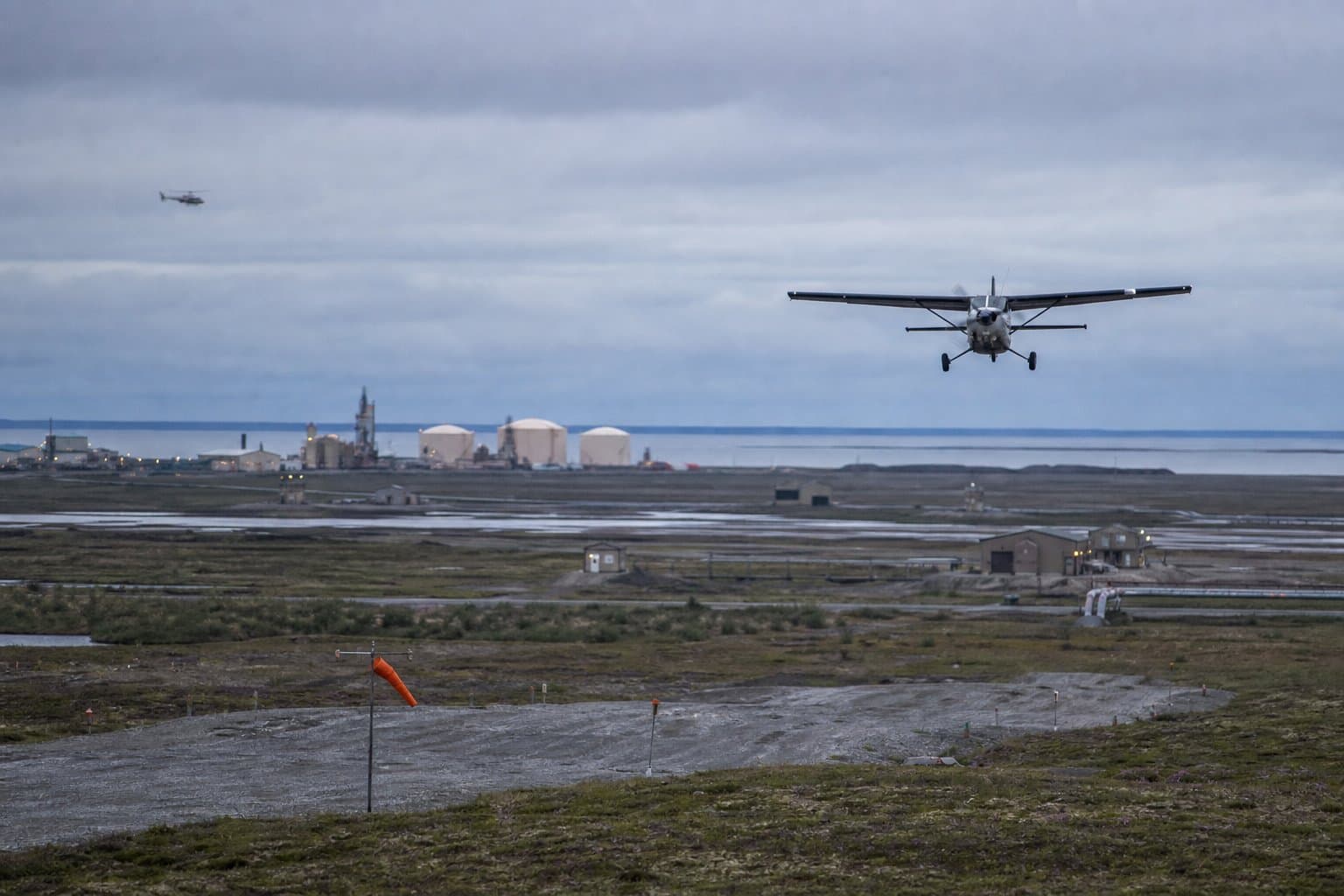
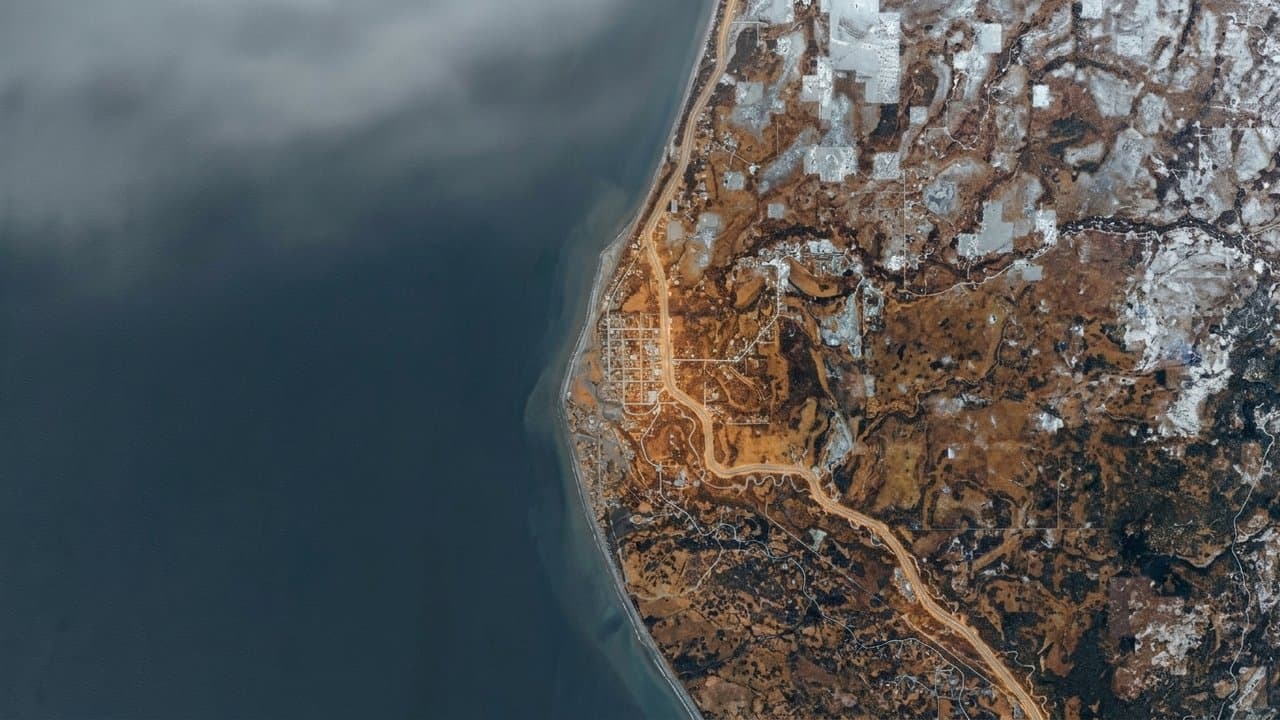
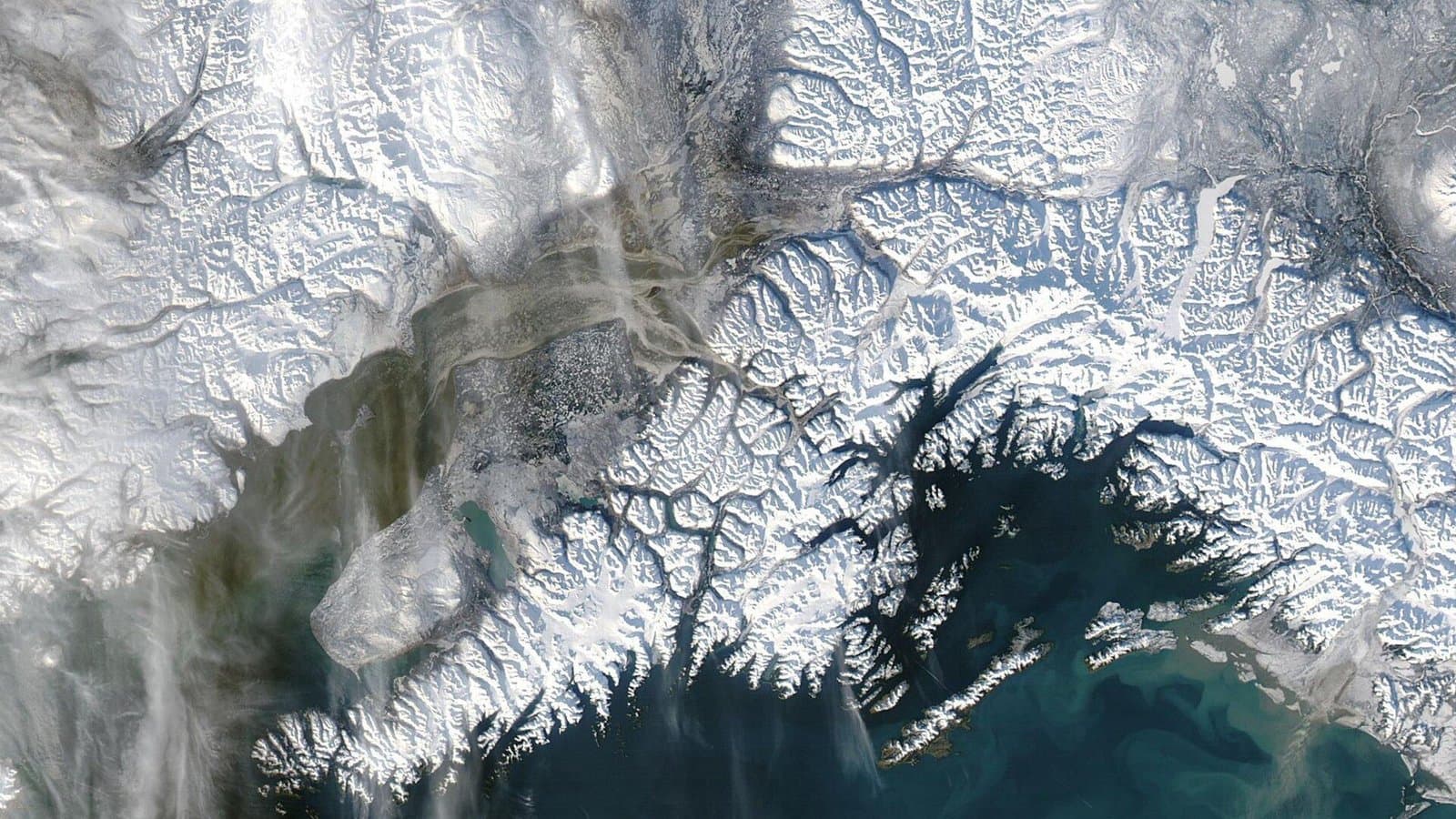
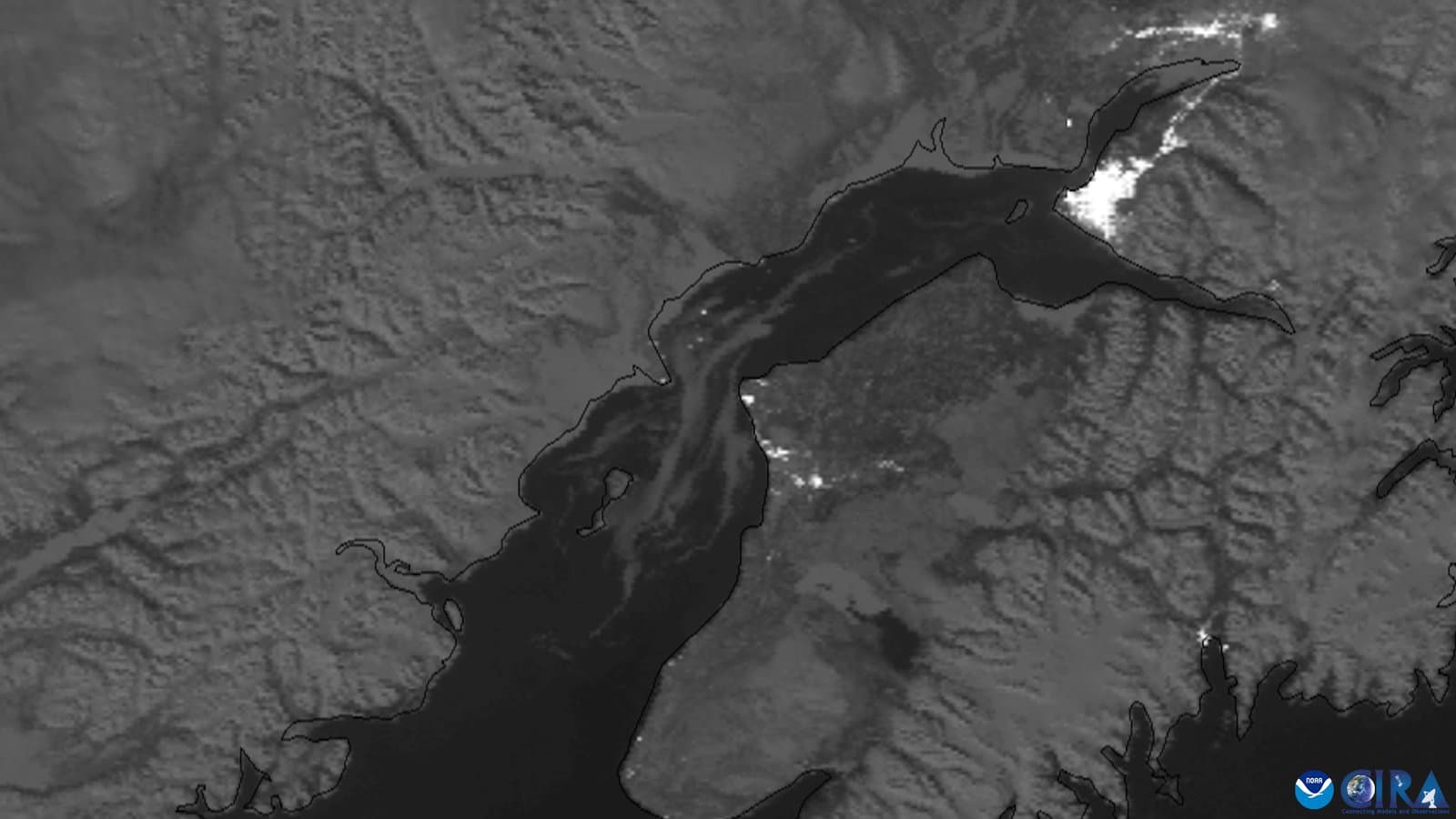
The sky above Hilcorp's oil-field airstrip at Trading Bay, on the west side of Cook Inlet, will become controlled airspace from 700 feet up starting Feb. 18, under a final Federal Aviation Administration rule published Wednesday.
The airspace is built to hold planes flying three instrument procedures for the field: GPS approaches to each end of its runway and a special obstacle departure route. Those let pilots fly by instruments instead of by sight. When the FAA proposed the airspace in August, the strip had no instrument approach on file, so pilots needed to see the ground to get in.
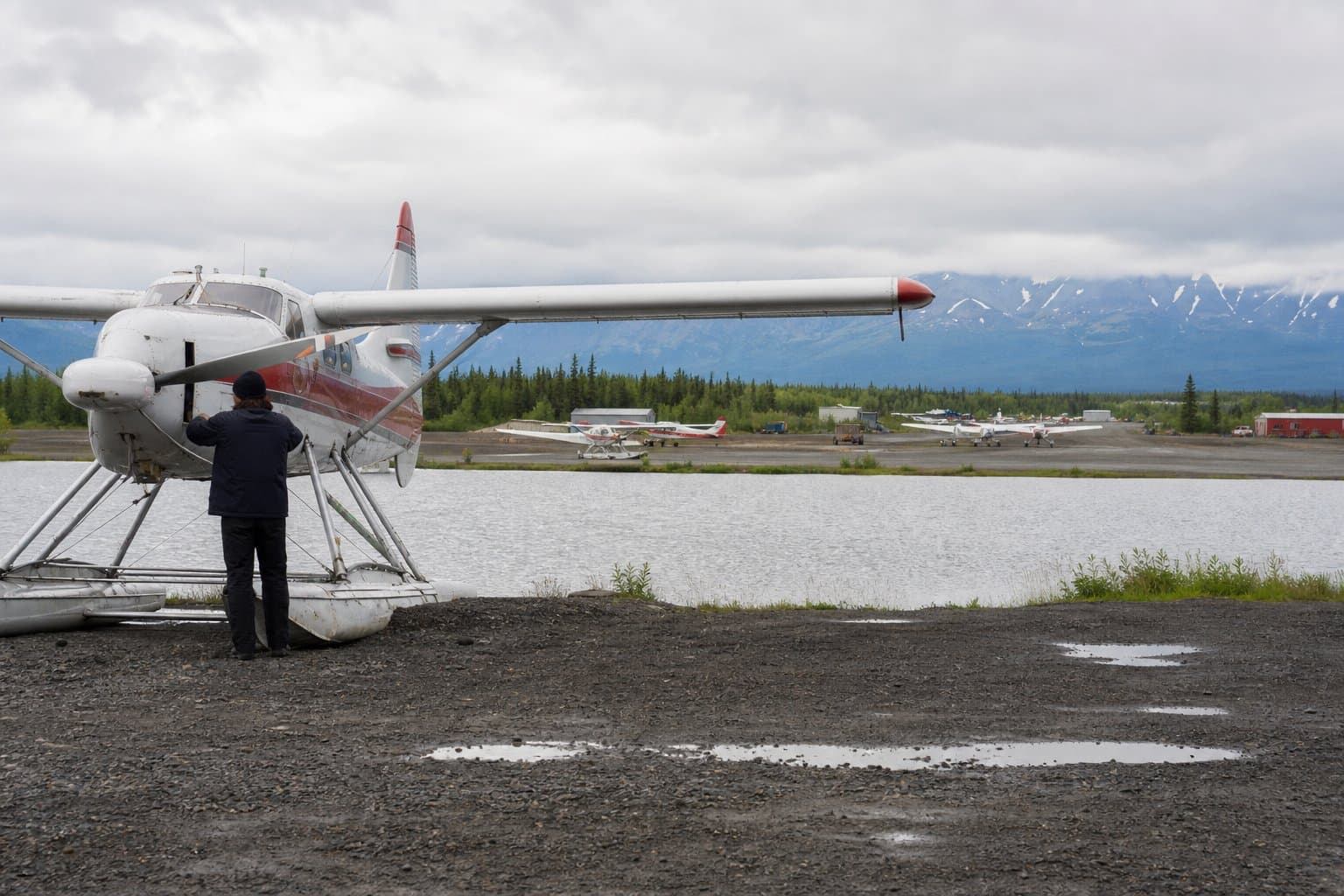
Trading Bay is off the road system. Crews and freight reach it by air or water, as do medical flights by air. FAA airport records list Hilcorp Alaska as owner and manager of the private 4,433-foot gravel and dirt strip.
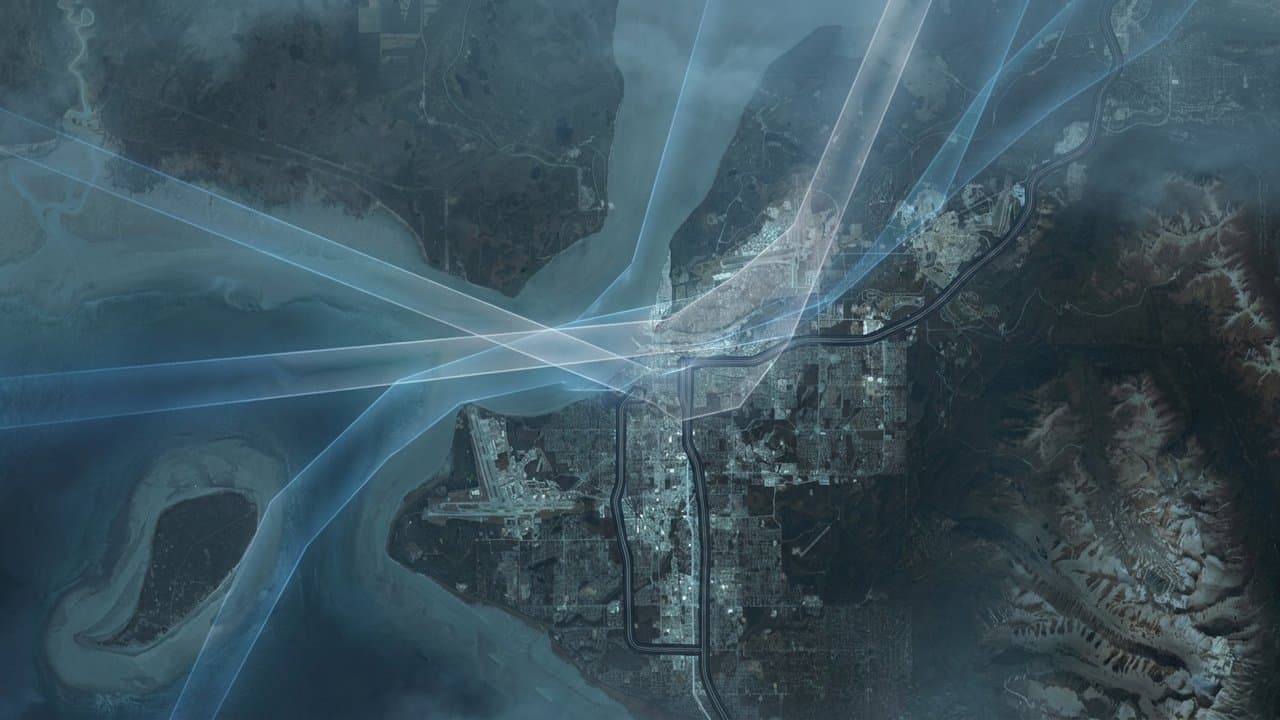
The new airspace, known as Class E, reaches 3.9 miles from the airport on the west side of a north-south line and 7 miles from it on the east side. Planes arriving on the approaches stay inside it once they descend below 1,500 feet. Planes leaving on the departure route stay inside it until they climb to 1,200 feet.
The FAA received one comment on the proposal, which supported establishing the airspace.
The final rule corrects the airport's latitude from the August proposal by one second, about 100 feet. It still calls the field Trader Bay Production Airport in two places. Its explanation still puts the boundary line about 250 feet west of the airport, while its legal description puts the line 2 minutes 14 seconds of longitude west, about 1.25 miles at that latitude.
The procedures are for private use. Under the FAA's pilot manual, only pilots the FAA authorizes, individually or within an organization, may fly such special approaches. Pilots heading to a private field should get the owner's approval.
Below 10,000 feet in Class E airspace, federal rules require pilots flying by sight to have 3 miles of visibility and to keep 500 feet below, 1,000 feet above and 2,000 feet to the side of clouds. In uncontrolled airspace 1,200 feet or less above the ground, a daytime airplane flight needs 1 mile of visibility and must stay clear of clouds.
The FAA expects at most trivial costs, or minor rerouting for operators who choose to fly around the airspace.
What did you make of this story? (no account needed)
Made by our human newsroom with AI. How humans and AI work here · Grow with our newsroom ·
Keep Alaska News free for everyone.
No paywall, ever. Members pay so everyone can read the meetings and records Alaska News covers.
Get Alaska News in your inbox
Create your free account and get the day’s top stories around 6 each morning, in a few minutes’ read.
Top stories, around 6 each morning.
Stories on what you follow, on Sundays.
Source: Federal Aviation Administration, Federal Aviation Administration: Airspace Designations and Reporting Points: Trading Bay Production Airport, Trading Bay, AK.









Comments
Sign in to leave a comment.
No comments yet. Be the first to share your thoughts.