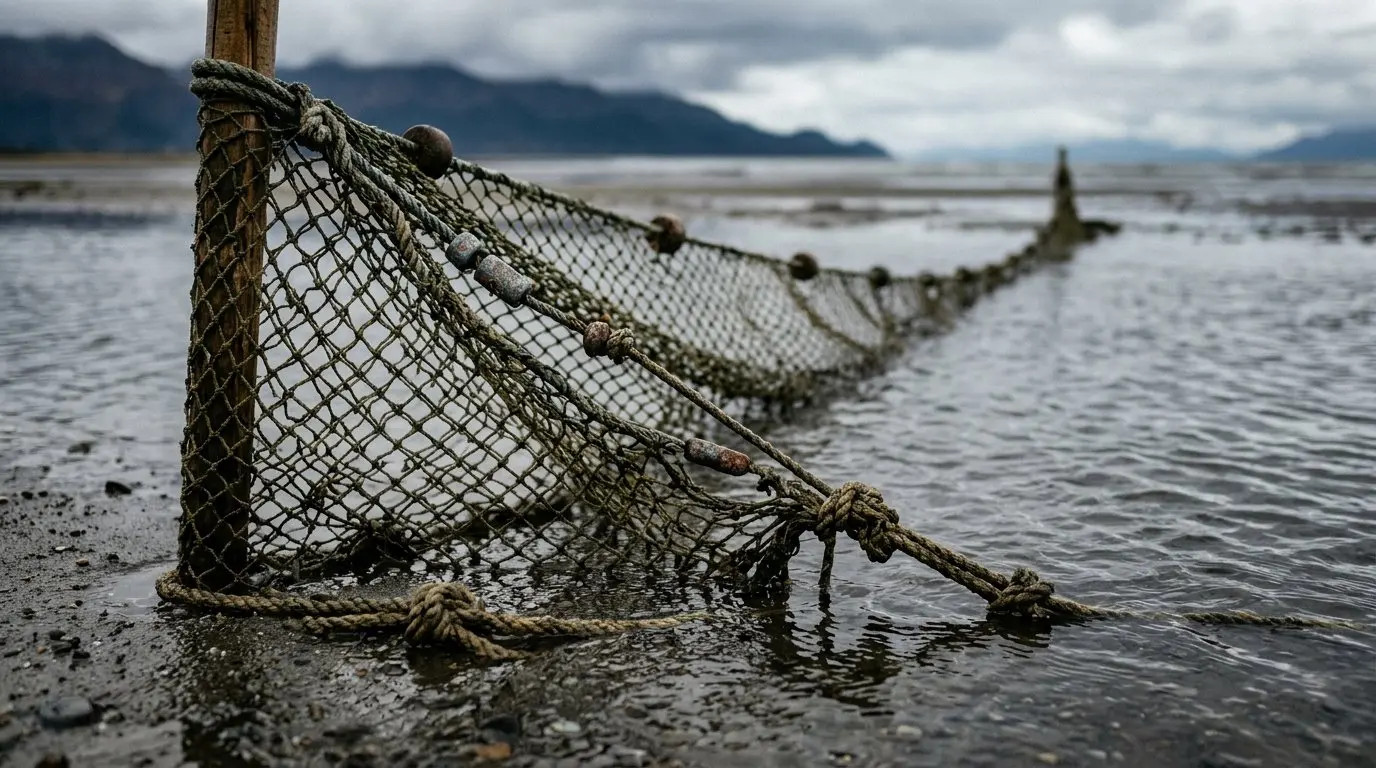
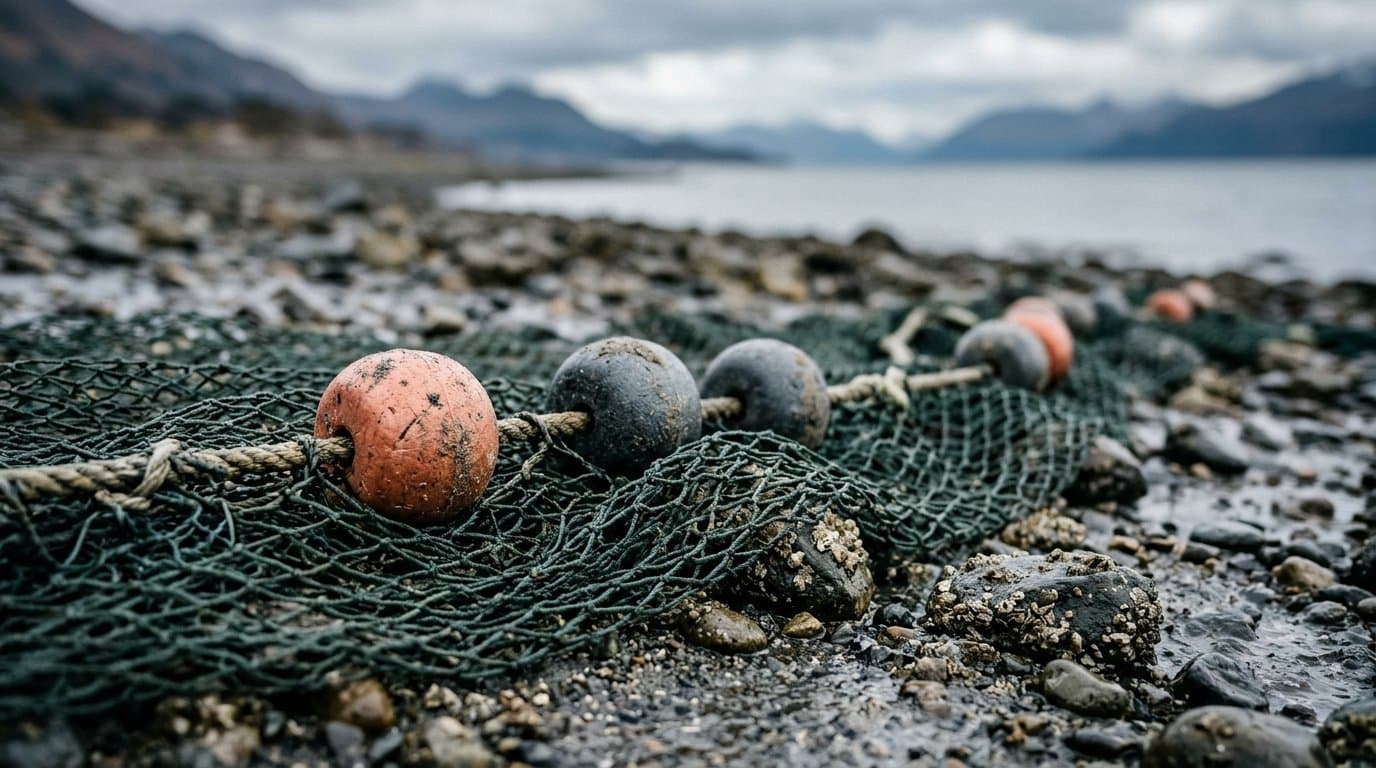
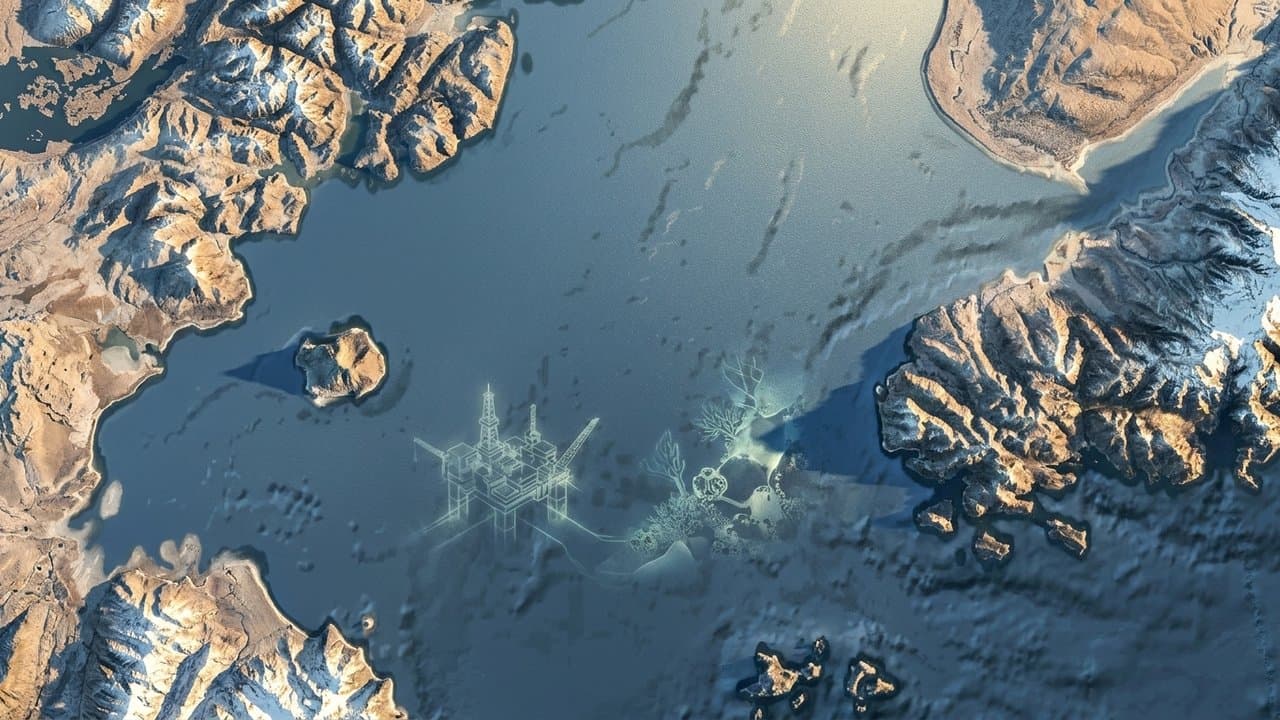
AI image
Lawsuit says Cook Inlet beach seines are fish traps, which Alaska banned at statehood
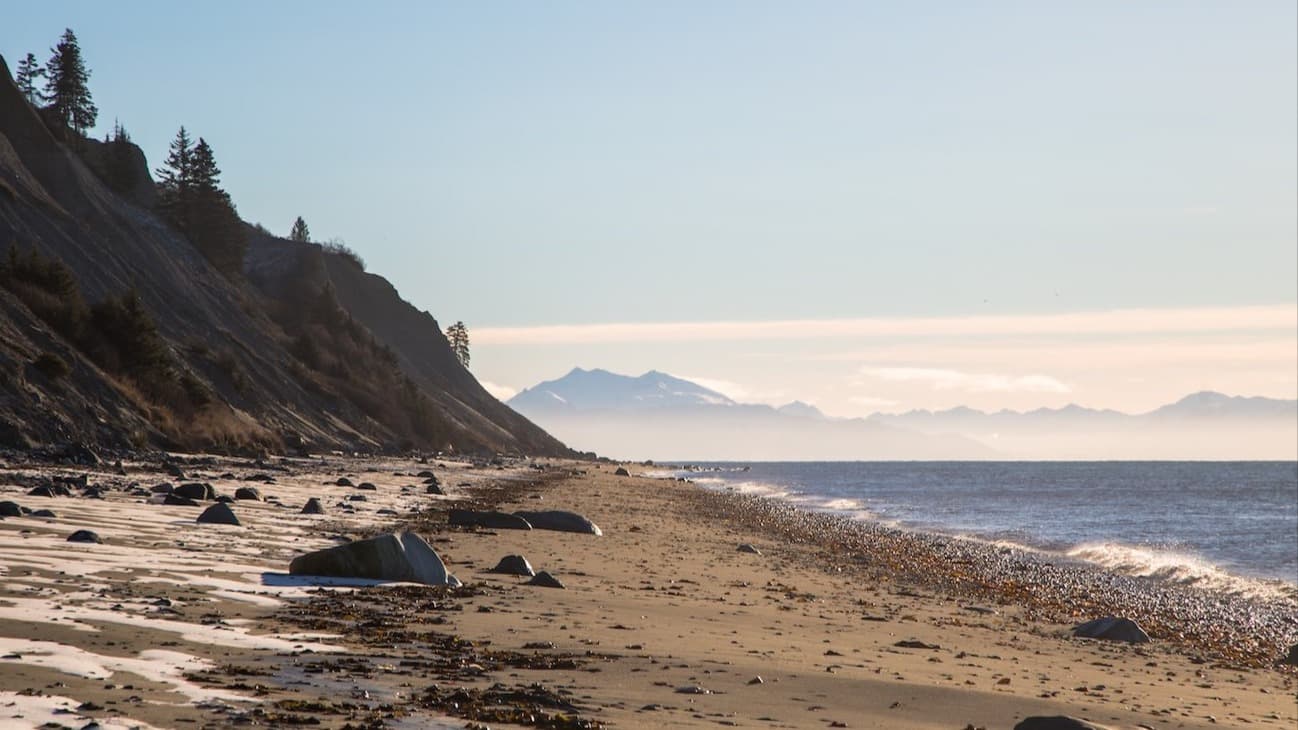
An Eastside Cook Inlet setnetter is asking a Kenai Superior Court judge to rule that the beach seines the state just approved for his fleet are fish traps, the gear Alaskans banned at statehood.
The Commercial Fisheries Entry Commission on Tuesday voted 1-0 to add beach seines to Cook Inlet set gillnet permits. Russell Clark, who holds one of those permits, had asked the commission to hold off until the fish trap question was answered.
"No agency can authorize what the Constitution forbids," Clark wrote in an Oct. 14 memorandum in his lawsuit against the state, the Board of Fisheries, the Department of Fish and Game and the commission.
However the court rules, his argument reaches back to the fight that put a fish trap ban on the same 1956 ballot as Alaska's constitution.
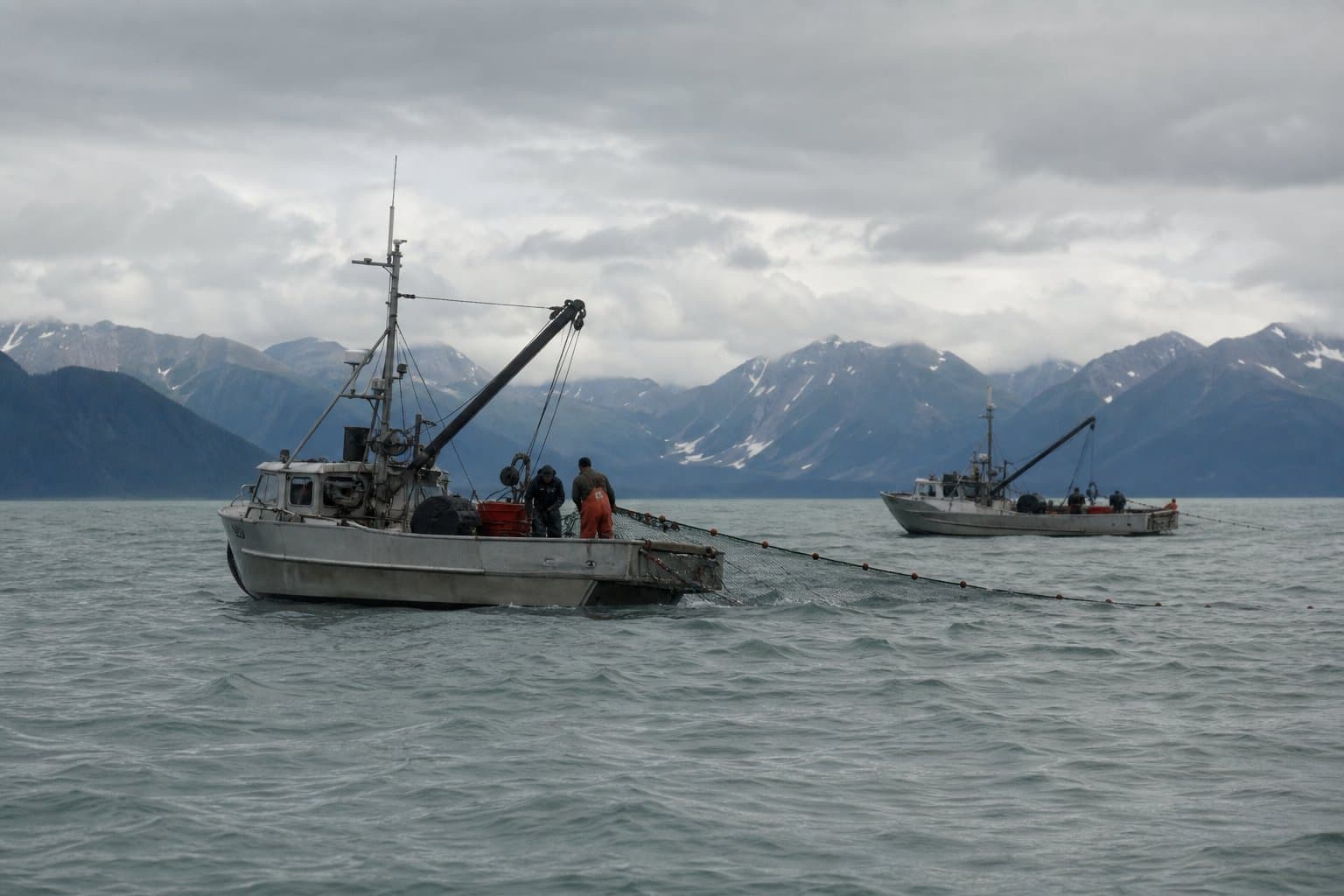
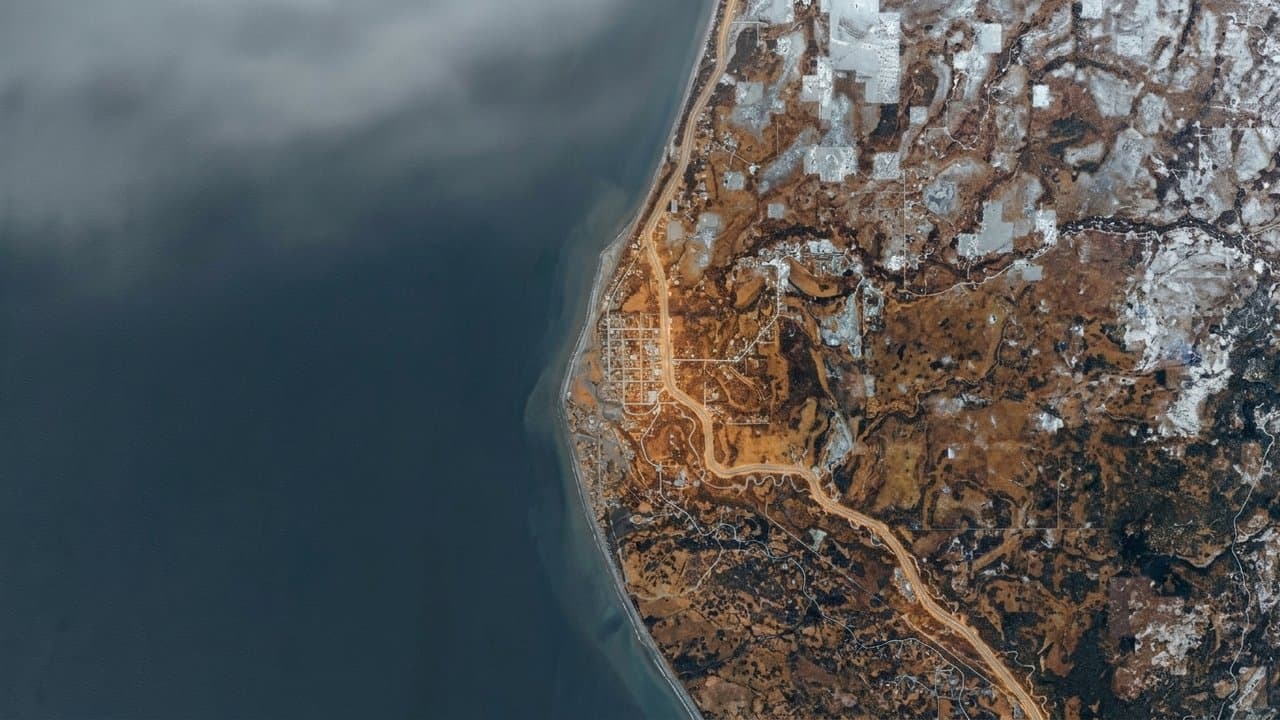
The seines are the state's answer to a king salmon problem. Kenai River kings are a stock of concern, and Eastside setnetters, who fish shore-based gillnets off Kenai Peninsula beaches for sockeye, were closed in 2023, had almost no fishing in 2024 and two eight-hour openings in 2025. The Kenai River was closed to king fishing all season this year. A beach seine is set from shore and hauled back to the beach, so kings can be let go while sockeye are kept. The Board of Fisheries voted 4-2 on May 1 to put the fleet on seines, but the permits still allowed only gillnets, leaving setnetters assigned to gear their permits didn't allow.
What a fish trap was
Alaska's first salmon trap was built in Cook Inlet around 1885, according to a 1968 federal fisheries leaflet. It was a pile trap: logs driven into the sandy bottom, hung with webbing.
Salmon heading for their rivers tend to travel along the shoreline. A trap ran a fence of wire or webbing, called a lead, straight out from shore. Fish that hit it turned and followed it seaward, looking for a way around, and were funneled into a chamber called the heart, then into a pot and holding pens called spillers. They stayed there until a crew scooped them out with a net apron called a brail and dumped them into a scow.
Floating traps, built on log frames for deeper water, came into wide use after about 1890. The leaflet describes a frame of spruce or cedar logs about 110 by 180 feet, with a cabin for the watchman.
A trap in a good spot could take up to 100,000 salmon in a day, the leaflet says. A U.S. Supreme Court justice described one in 1918 as built "to catch about 600,000 salmon in a single season." Federal records count 699 traps in Southeast and Central Alaska in 1930.
Why Alaskans banned them
Congress passed salmon conservation laws starting in 1889, and Alaska's fisheries stayed under federal control until after statehood. Alaskans came to see the trap, "a labor-saving but costly device," as "the symbol of exploitation of her resources by 'Stateside' colonialism," the U.S. Supreme Court wrote in a 1962 opinion. The Territorial Legislature sent Congress repeated resolutions, starting in 1931, urging abolition. The Interior secretary argued in 1955 that the threat could be handled by regulating how many fish got past.
On April 24, 1956, voters ratified the constitution and, on the same ballot, approved Ordinance No. 3, banning fish traps for commercial salmon fishing in all of the state's coastal waters, 21,285 to 4,004. Its stated purposes included relieving economic distress among fishermen and conserving the "rapidly dwindling supply of salmon in Alaska."
In 1959, the first state Legislature wrote the ban into law, covering "floating, pile-driven or hand-driven fish traps." It still allowed small hand-driven traps of the kind used on rivers.
The state warned Native communities in Southeast that the ban applied to them, too. It seized a trap at Kake and arrested the village council president, and Metlakatla, Kake and Angoon sued. In 1962, the U.S. Supreme Court ruled that Kake and Angoon had no right to keep their traps. Metlakatla was different: Congress set aside the Annette Islands for its people in 1891, and the court said the Interior secretary had authority to allow traps there. The Interior Department let Metlakatla keep using traps for the 1963 season. Federal records count four traps in Southeast and Central Alaska that year.
Clark's argument
Clark's case rests on how the Alaska Supreme Court described a trap in its 1961 ruling in the Metlakatla case: webbing stretched from shore so fish "cannot pass around the trap," a hook that diverts them, and a heart and pot "where they remain." Clark reads that as a three-part test, which he lists as obstruction or interception, passive stationary capture, and confinement until removal. He argues a set beach seine meets all three.
He cites logs from two 2024 experimental permits. By his calculation, the nets spent 48.5% and 66.6% of their time in the water in what he calls "hold time," sitting "anchored and stationary in the water intercepting fish."
He also points to the commission's own past. On Nov. 30, 2018, according to his filing, it opposed a Bristol Bay proposal for beach weirs because the gear "would constitute a 'fish trap.'" Nine days earlier, a Department of Law opinion said beach weirs "appear similar to fish traps" banned by state law. Clark argues the same reasoning applies to beach seines.
And he points to the Board of Fisheries' record. On March 20, the board rejected 0-7 a proposal he describes as a stationary or anchored seine; 42 days later, it approved beach seines in a substitute version. Clark called that a contradiction "on the face of the official record."
Fish and Game calls the set beach seine a live-release gear. The department said tests on Eastside beaches in 2024 and 2025 showed it was effective at catching sockeye while releasing other fish, though the tests couldn't show how many released fish die afterward. Brian and Lisa Gabriel, Eastside permit holders who helped run the 2024 test, supported the change. As National Fisherman described it last year, the net is pulled in without a boat, and kings are rolled over the corks without leaving the water.
What's next
Clark also petitioned the commission to rule on the fish trap question. Commission Chair Rick Green denied the petition Oct. 30, writing that the commission "is not empowered to issue advisory opinions" or to rule on the legality of the board's and the department's actions.
At Tuesday's meeting, Green made the motion, seconded it and cast the only vote, according to the minutes. Commissioner Tracy Welch, who voted against the emergency version in June, objected to ethics advice she had received from the Department of Law and recused herself under protest.
Clark wrote that if the commission went ahead, he would bring a second challenge under Article VIII of the Alaska Constitution, which covers natural resources, including a section against any "exclusive right or special privilege of fishery." Only some permit holders could use seines, he argues, because the gear is worked from shore; he cites an April 6 commission letter saying about 99 of 283 state lease tracts in the fishery touch the shore. Fish and Game staff warned the board of the same problem.
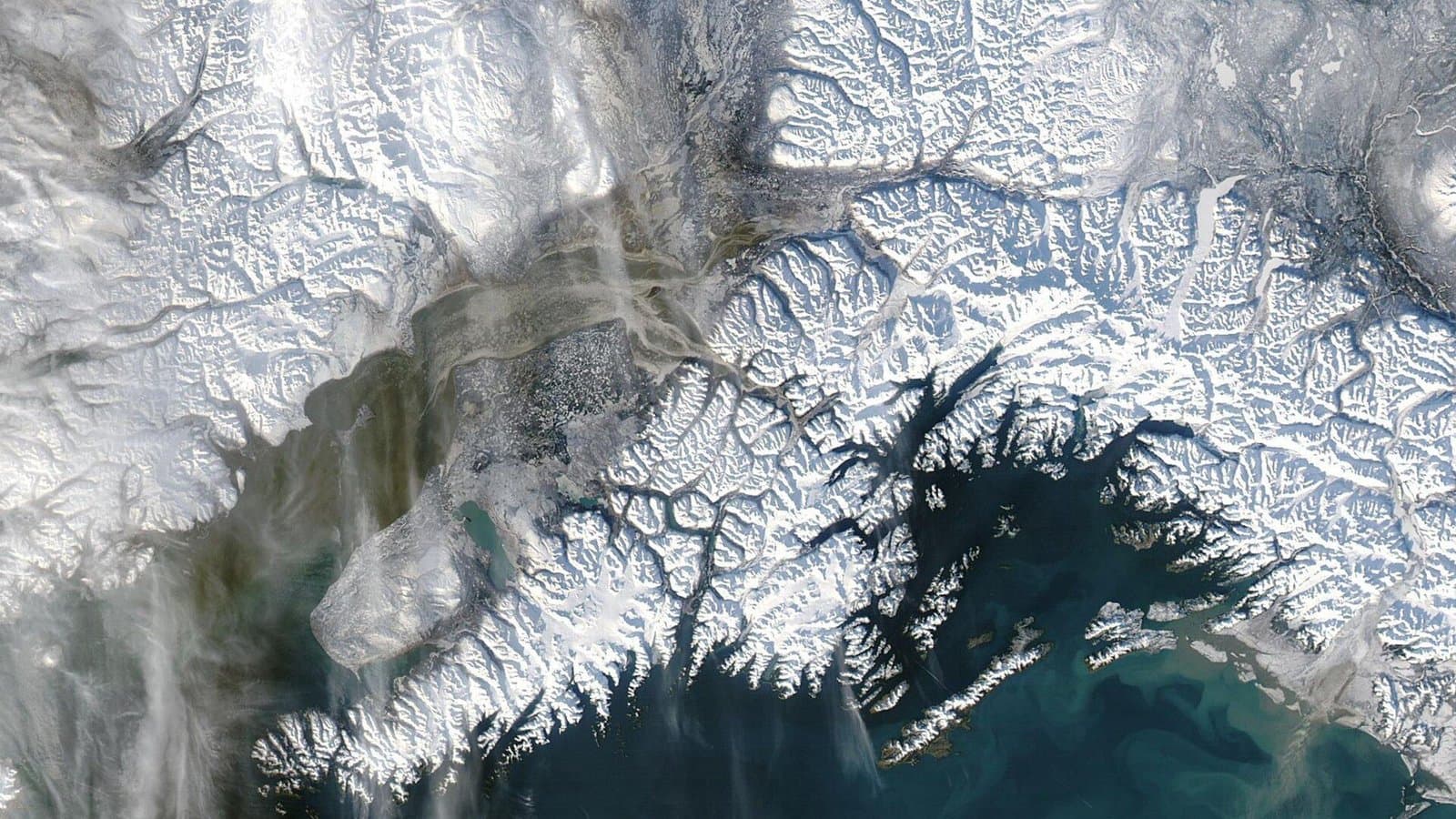
The new rule covers the Cook Inlet permit area. It doesn't yet reach the East Side Set Net area the state creates Jan. 1; whether seines are allowed there is up to the Board of Fisheries, which takes up more than 30 Kenai king proposals Feb. 25 to March 8. Some would bring back gillnets or ban seines.
Disclosure: Alaska News editor Cale Green's father, Rick Green, chairs the Commercial Fisheries Entry Commission. Cale Green's closest friends include members of a family that has held a permit in this fishery for three generations; one of them was the best man at his wedding.
What did you make of this story? (no account needed)
Made by our human newsroom with AI. Reviewed by Cale Green. How humans and AI work here · Grow with our newsroom ·
Keep Alaska News free for everyone.
No paywall, ever. Members pay so everyone can read the meetings and records Alaska News covers.
Get Alaska News in your inbox
Create your free account and get the day’s top stories around 6 each morning, in a few minutes’ read.
Top stories, around 6 each morning.
Stories on what you follow, on Sundays.
Source: Alaska Department of Fish and Game, Commercial Fisheries Entry Commission: CFEC - Public Comments for Proposed Regulations.




Comments
Sign in to leave a comment.
No comments yet. Be the first to share your thoughts.