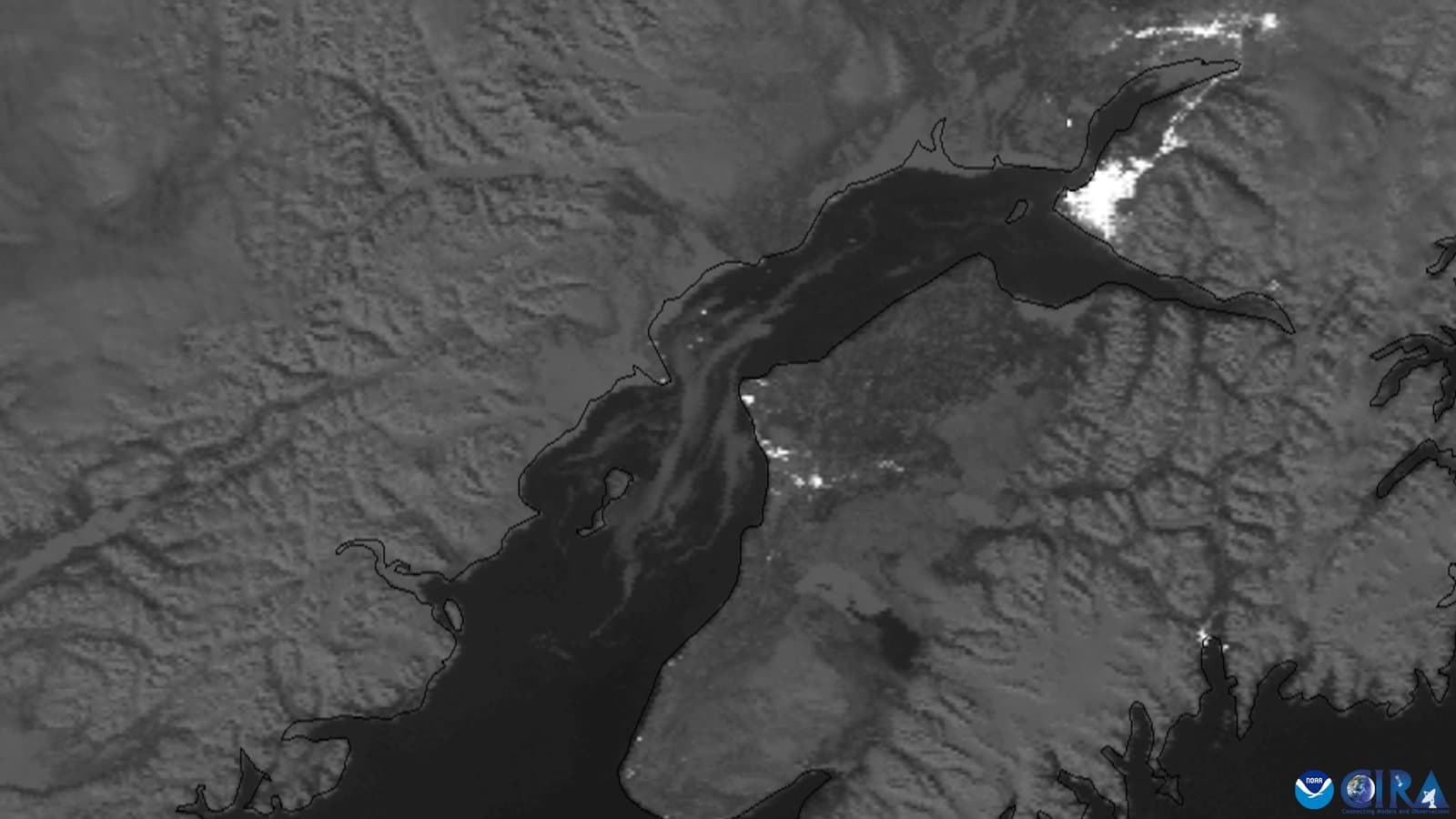
Photo: JPSS imagery: CSU/CIRA & NOAA/NESDIS via Wikimedia Commons · Photo source · Public domain
Fish board plans a second vote on Cook Inlet drift limits that never took effect
The Alaska Board of Fisheries will vote again, likely in January, on the limits it put on Cook Inlet's commercial drift gillnet fleet in March, the board's chair and executive director said at a work session Thursday.
The limits were meant to send more coho salmon to northern Cook Inlet streams, including the Deshka and Little Susitna rivers in the Mat-Su. They never took effect. The state Department of Law was still reviewing them when the season began, so the fleet fished this summer under the old rules, the Department of Fish and Game said in June.
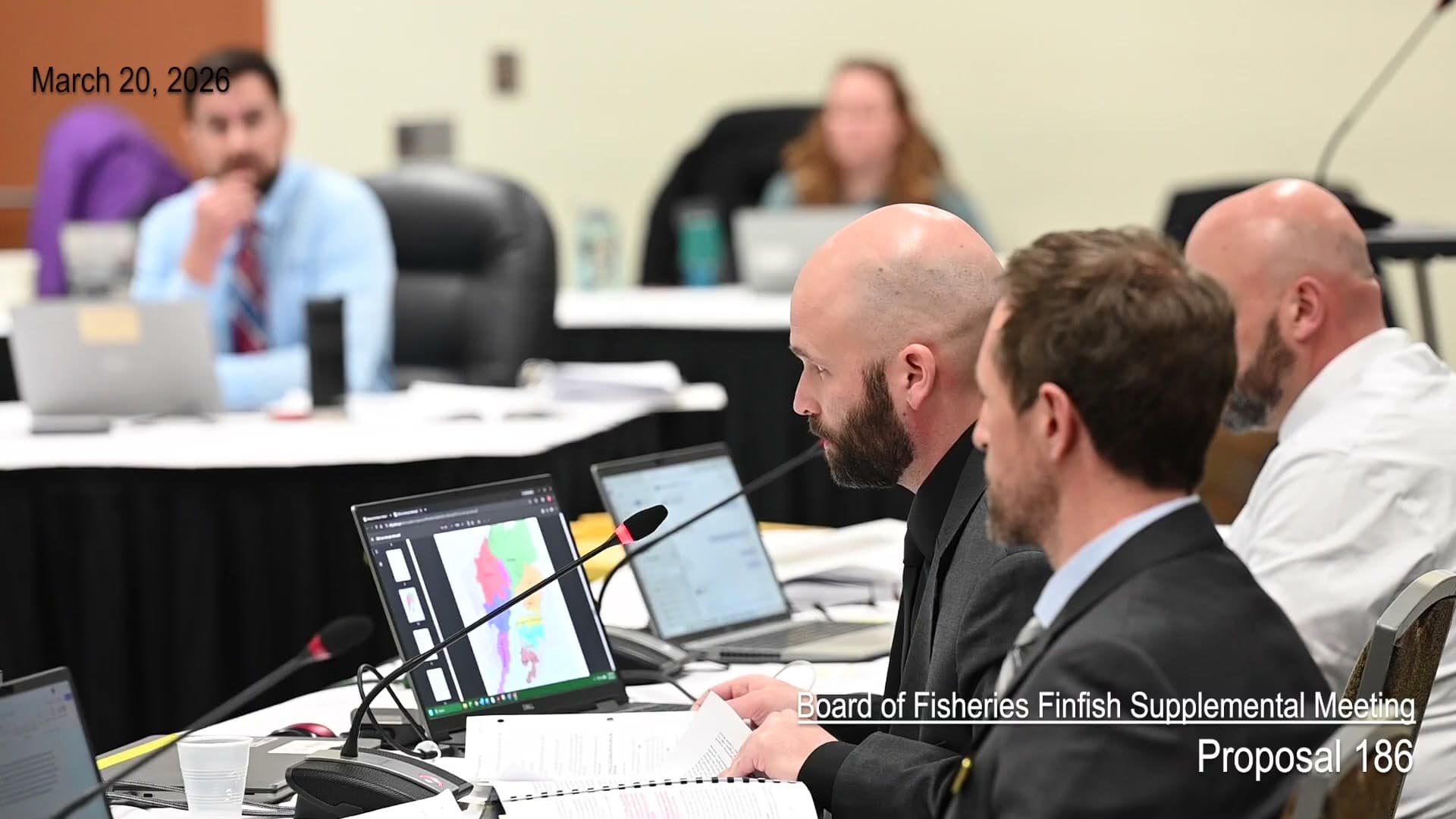
The board adopted the limits 4-2 on March 20. They would keep the drift fleet mostly in waters off the Kenai and Kasilof rivers and cap fishing at 16 hours a day. Two 32-hour closures a week would keep the fleet off the water on Tuesdays and Fridays. Extra openings would be allowed only when the Kenai River sockeye run tops 2.3 million fish.
Fish and Game staff told the board in March that genetic sampling showed about 90% of the coho the drift fleet catches are bound for northern Cook Inlet, and that the Deshka and Little Susitna hadn't met their coho goals in the last three years. On Wednesday, the board listed Little Susitna coho as a stock of concern, the state's label for runs that keep missing spawning goals despite fishing limits. Board member Mike Wood said it's the first coho run in Alaska to get that label.
Staff also gave a rough estimate that the limits would have cut the drift fleet's sockeye catch by about a million fish in 2025. The fleet is now the main commercial harvester of Kenai and Kasilof sockeye, staff said, and for several years both rivers have seen more sockeye than their spawning goals call for.
Edward Lee, the Department of Law attorney who advises the board, said the March package is "still technically" with the department's regulations attorney, who recommended the board vote again to ratify its language. "This does not mean that the regulations package was disapproved," Lee said.
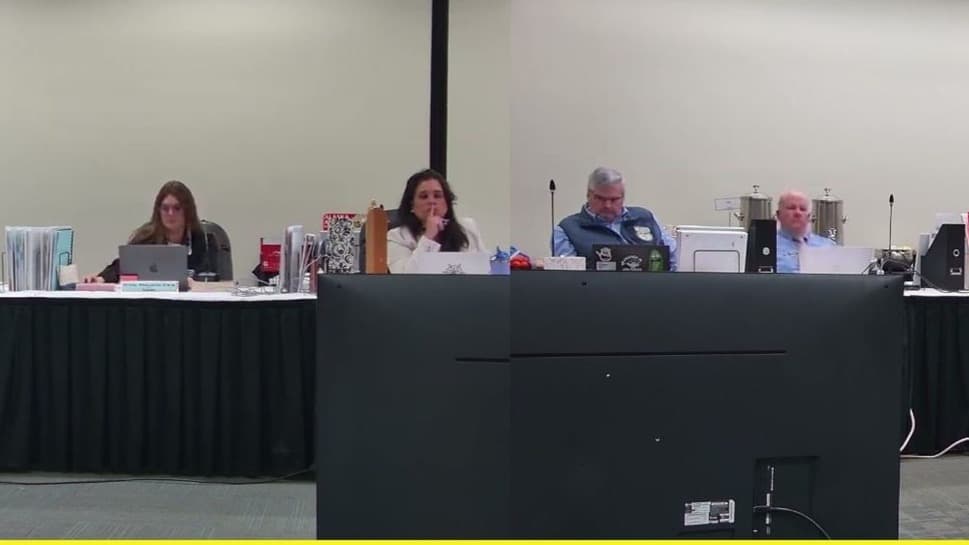
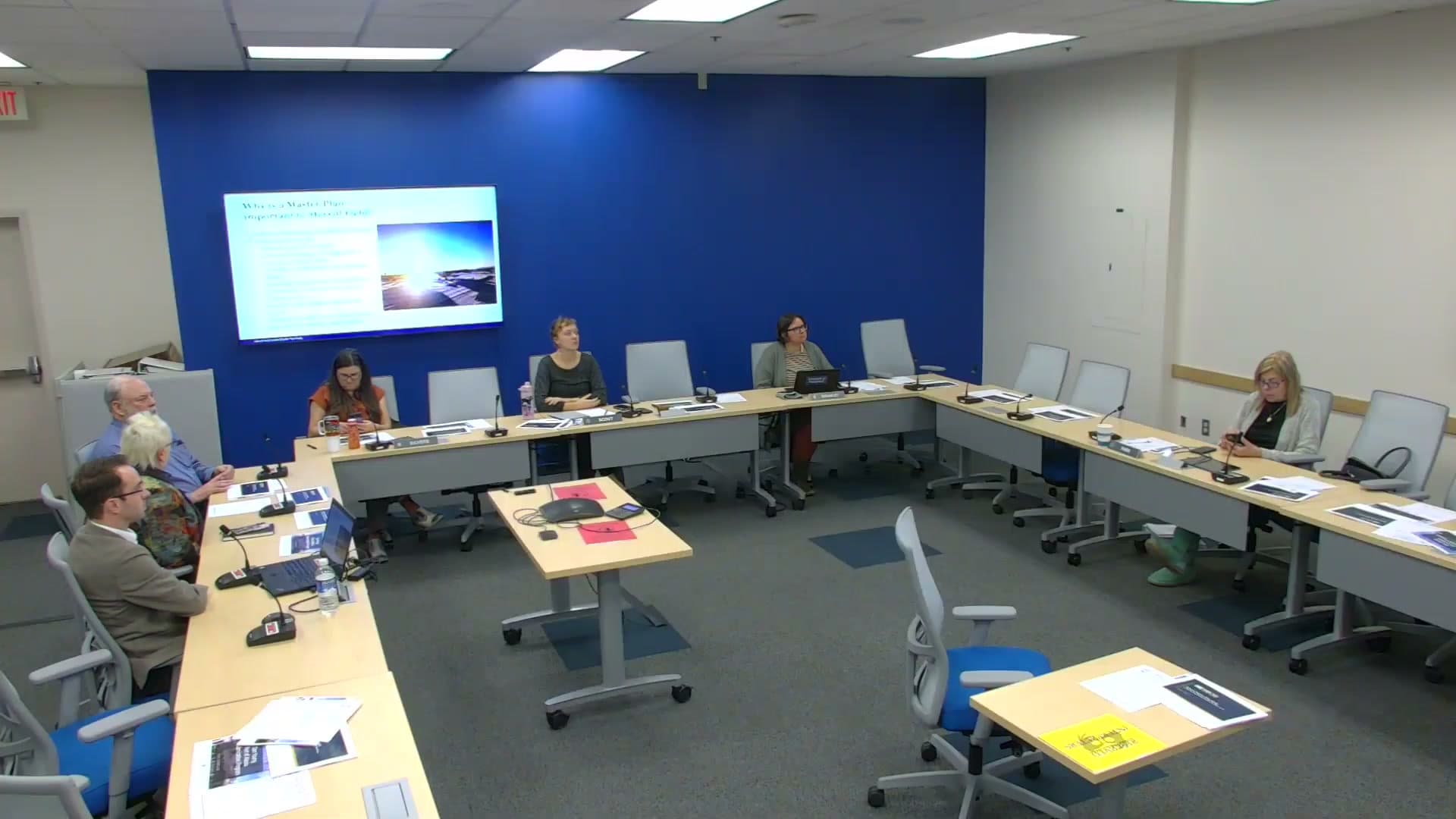
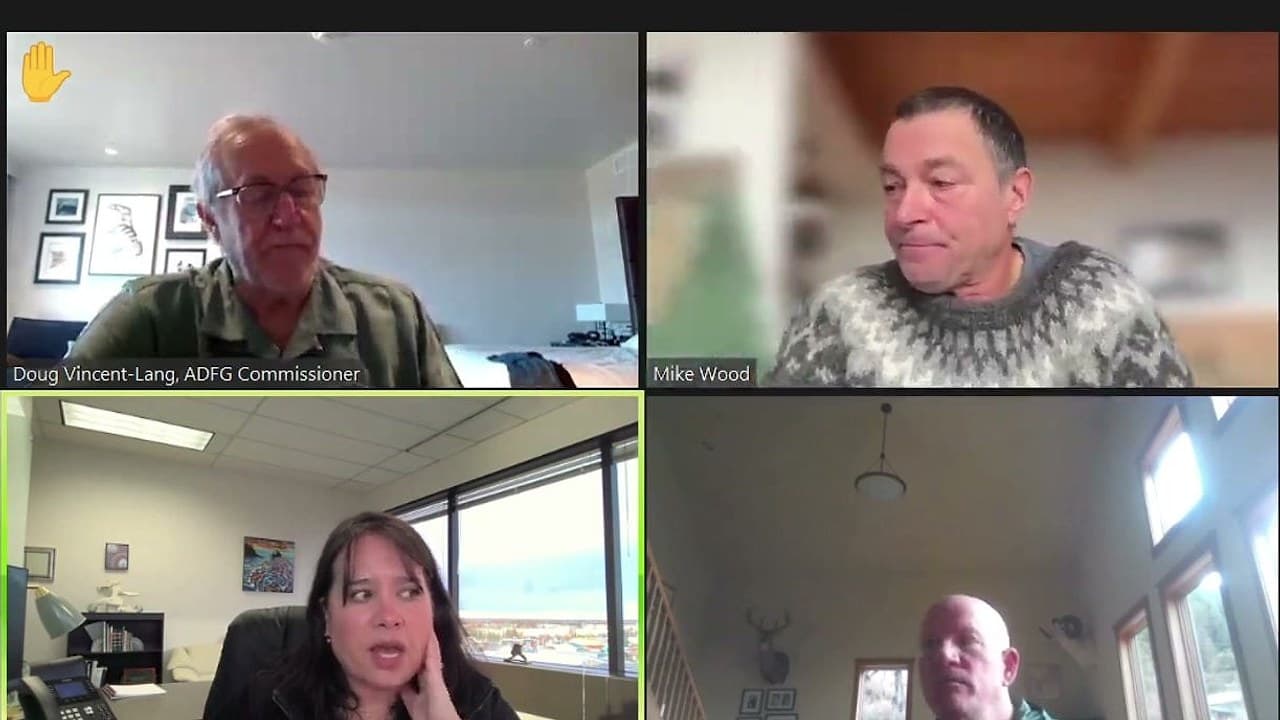
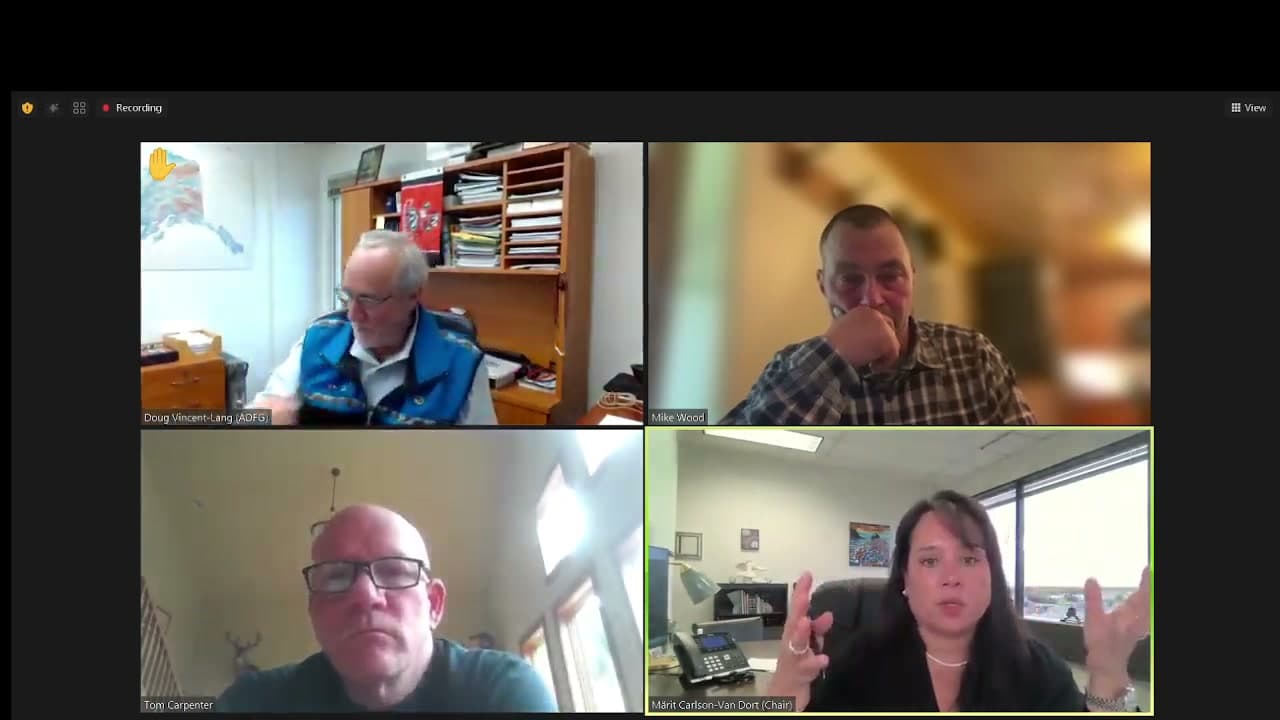
The package, which also includes other rules from the March meeting, will be posted for 30 days of written comment. The board will then meet on Zoom, probably in early to mid-January, without public testimony, Executive Director Art Nelson said. Chair Marit Carlson-Van Dort said the board would "essentially ratify unless there's something else comes up." Once the rules are filed with the lieutenant governor, they take 30 more days to become law.
It's the board's first try at a step the Department of Law urged it to adopt this month for future rules: a final vote on the written text after 30 days of public comment.
The board has already turned down one attempt to undo the limits. On May 1, it voted 0-6 against an emergency petition to repeal them. The petition argued the board's substitute language came too late for meaningful public participation and put a disproportionate burden on one user group, department staff said.
The Mat-Su Borough Fish and Wildlife Commission says it assumed the limits would be in effect for the 2026 season, so it didn't submit proposals on the issue by the April 10 deadline for the board's next Upper Cook Inlet meeting, March 4-15. "Only after the proposal deadline did we learn that the regulations were under legal review and could possibly be rejected by the Department of Law and Lieutenant Governor," commission chair Pete Probasco wrote in an Oct. 13 letter asking why the rules weren't put into effect.
Others did file proposals. The Upper Cook Inlet proposal book includes several on the drift plan, among them one from the United Cook Inlet Drift Association to repeal it and two that would remove its weekly closures. That puts the limits back before the board in March, before the fleet has fished a season under them.
Source: Mat-Su Borough boards not on Legistar, Cook Inlet drift gillnet limits adopted in March are still not law; fish board plans a ratification vote in January.
Made by our human newsroom with AI. Reviewed by Cale Green. How humans and AI work here · Grow with our newsroom
Get Alaska News in your inbox
The day’s top stories, around 6 each morning, in a few minutes’ read. Free, and every email has a one-click unsubscribe.






Comments
Sign in to leave a comment.
No comments yet. Be the first to share your thoughts.