AI image
Alaska Native ivory carvers can now sell their work in all 50 states
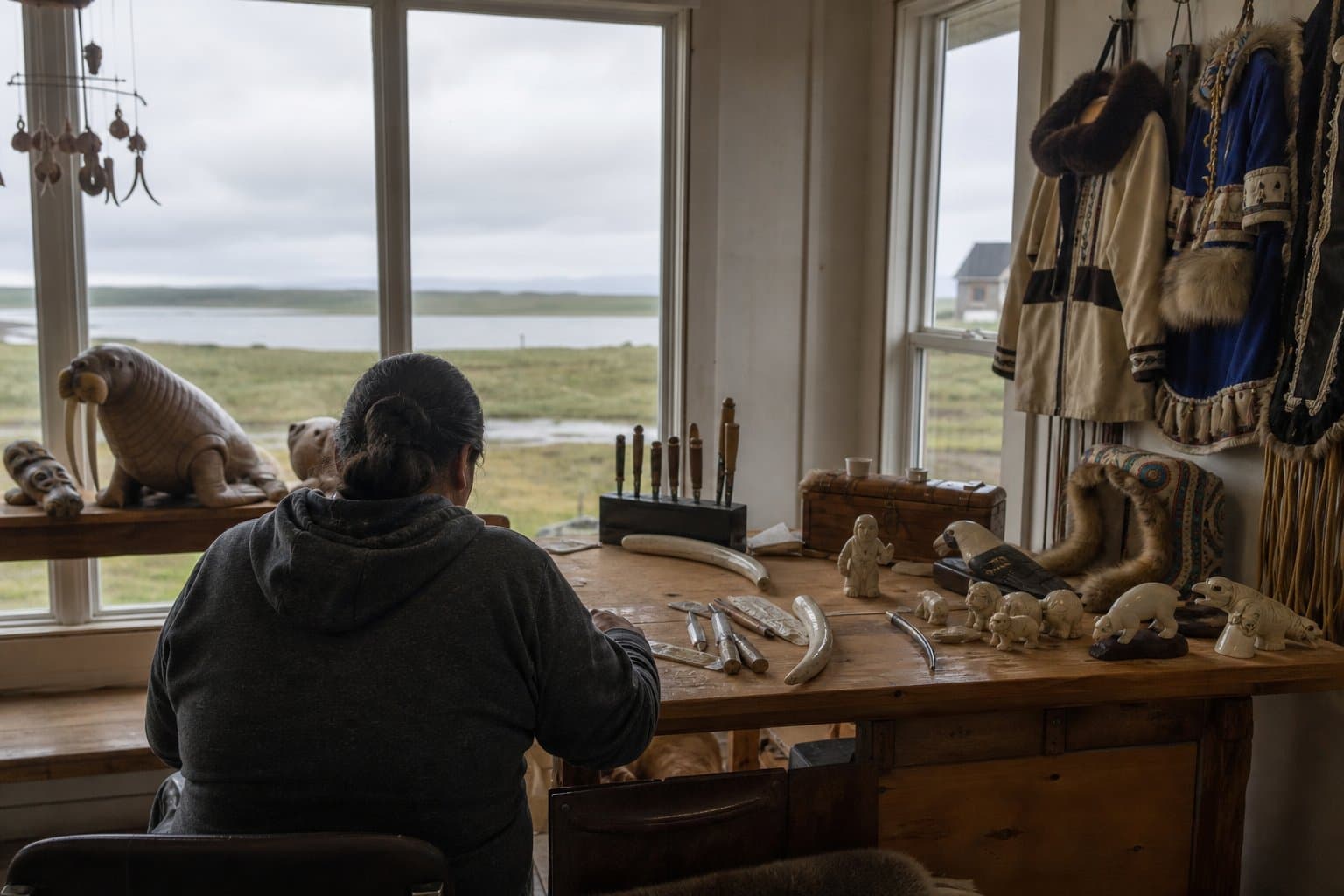
An Alaska Native artist who carves walrus ivory into jewelry, regalia, or tools can now sell that work anywhere in the country without a state law getting in the way. A federal law signed in June — Alaska's Right to Ivory Sales and Tradition Act — bars any state from prohibiting the sale or transport of marine-mammal ivory, bone, or baleen worked into authentic Alaska Native handicrafts and clothing.
The problem it fixes was real and specific. States passed ivory bans to choke off the illegal African elephant trade, but many wrote them without a carve-out for the walrus ivory that Alaska Natives harvest and carve legally. The result, documented by the Nome-based tribal consortium Kawerak in its Walrus Ivory Toolkit, was confused buyers and lost sales — in communities where carving is both a subsistence tradition and a source of cash income.
A related fix came alongside it: Sen. Dan Sullivan secured an exemption from Etsy's coming ban on animal-fur products for Alaska Native artists registered with the Indian Arts and Crafts Board, so they can keep selling fur work online.
Sullivan, the bill's lead sponsor, called ivory carving "a critically important economic driver for Alaska's rural communities." Sen. Lisa Murkowski framed it as heritage: "It's about supporting families who have used their work to preserve heritage and culture through generations."
The World Wildlife Fund backed the recognition of Native rights but urged safeguards, so the law doesn't "inadvertently create loopholes for the illegal ivory trade."
Assembled from public records the newsroom collected.
Made by our human newsroom with AI. How humans and AI work here · Grow with our newsroom
Stay informed. Support what matters.
Free, permanent access to local news you can verify. Subscribe to support Walter AlaskaNews and go ad-free.
Related Coverage
House passes Alaska Native walrus-ivory protection bill
Alaska News · 4mo ago
Registered Alaska Native artists can keep selling fur on Etsy
Alaska News · 3mo ago
House panel advances bill to let Alaska Native artists sell work with feathers
Alaska News · 2mo ago
House passes Begich bill to open treaty talks with Japan over Alaska Native handicrafts made with bird parts
Alaska News · 4w ago
A year-round storefront for Alaska's seasonal makers
Alaska News · 4mo ago
Comments
Sign in to leave a comment.
No comments yet. Be the first to share your thoughts.