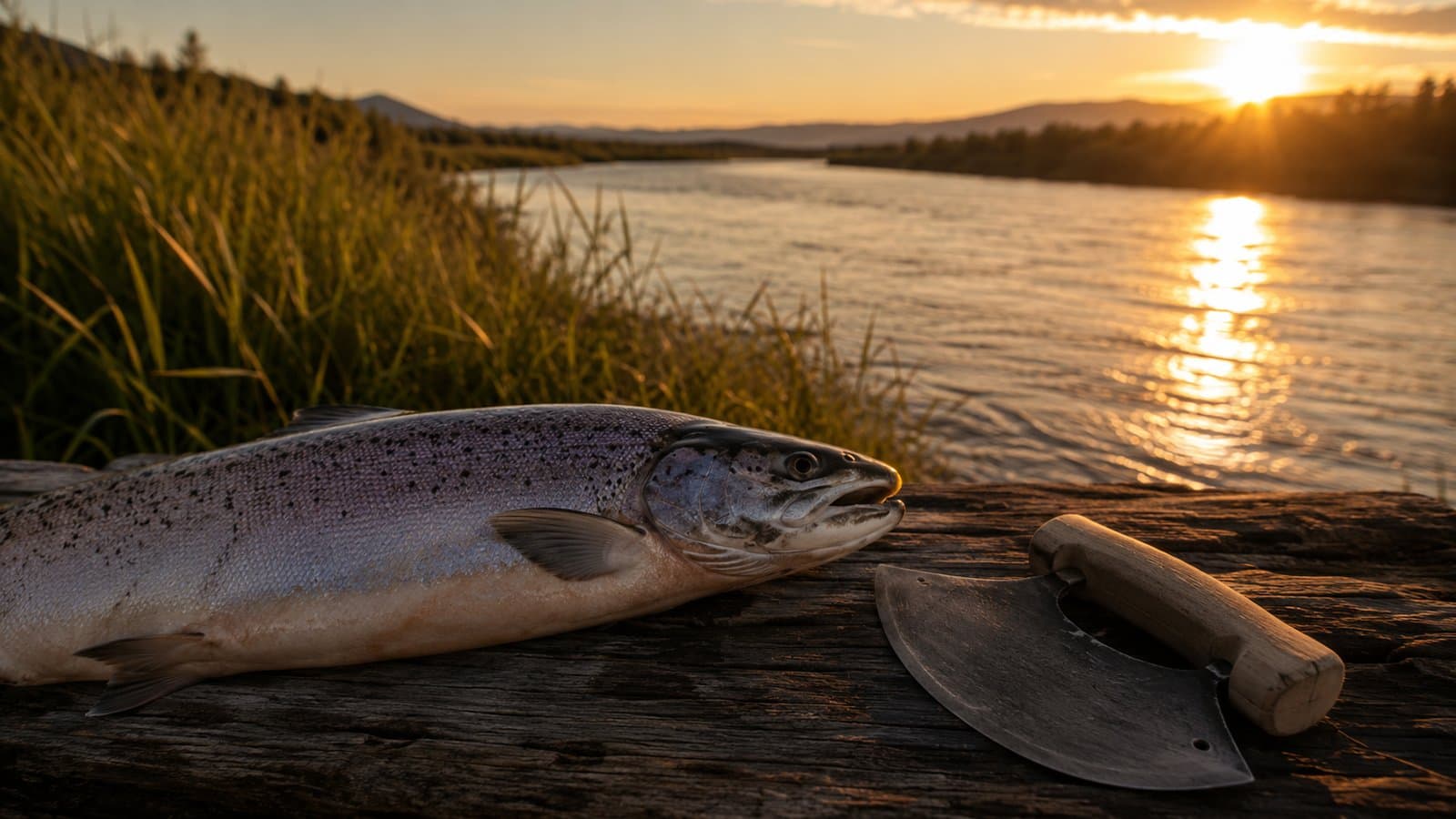
Generated image
Alaska Native groups take the salmon crisis to a national tribal stage
Four Alaska Native organizations carried the state's salmon crisis to the national tribal stage this month, asking tribes nationwide to back a larger Native role in managing the fish their communities depend on.
At the National Congress of American Indians in Memphis, representatives of the Tanana Chiefs Conference, the Association of Village Council Presidents, Tlingit and Haida, and the Alaska Federation of Natives said collapsing salmon runs are threatening food security and Indigenous ways of life. "Protecting salmon will require a collective voice and collective action," said Bev Krupa of the Tanana Chiefs Conference.
The crisis is real and well documented: on the Yukon and Kuskokwim, king and chum returns have fallen to historic lows, subsistence fishing has been closed for years, and families have lost a staple food. The groups asked tribal nations to support stronger co-management of salmon runs and protection of subsistence rights.
What's driving the collapse is disputed. Federal scientists and the pollock trawl industry point to environmental causes — marine heatwaves and shifting ocean conditions — as the overriding factor. Tribes and salmon advocates counter that bycatch in the Bering Sea trawl fishery is a preventable cause managers could curb now. The picture is tangled: genetics show most chum caught by trawlers aren't Western Alaska fish, and some Yukon and Kuskokwim communities share in pollock profits through federal quota programs, so tighter limits cut more than one way.
Earlier this year, the National Congress of American Indians adopted a resolution backing Alaska Native subsistence.
This article is based on a public meeting of TananaChiefsConference — Tanana Chiefs Conference: TCC Weekly Episode 53 ().
AI-assisted. How we use AI Transcript byLucas Brown
Watch key moments from the source meeting. Click to expand.
Stay informed. Support what matters.
Free, permanent access to local news you can verify. Subscribe to support Maggie AlaskaNews and go ad-free.
Related Coverage
Alaska Native leaders brought a unified salmon co-management demand to NCAI
Alaska News · 3mo ago
A Native org is coaching Yukon harvesters on how to testify effectively
Alaska News · 2mo ago
Alaska Fishermen Report Salmon Declines Amid Bycatch, Management Concerns
Alaska News · 5mo ago
The council that runs Alaska's fisheries has no tribal vote
Alaska News · 2mo ago
Alaska Native Groups Push for Fishing Permit Reform After $7.5B Exodus
Alaska News · 6mo ago
Comments
Sign in to leave a comment.
No comments yet. Be the first to share your thoughts.