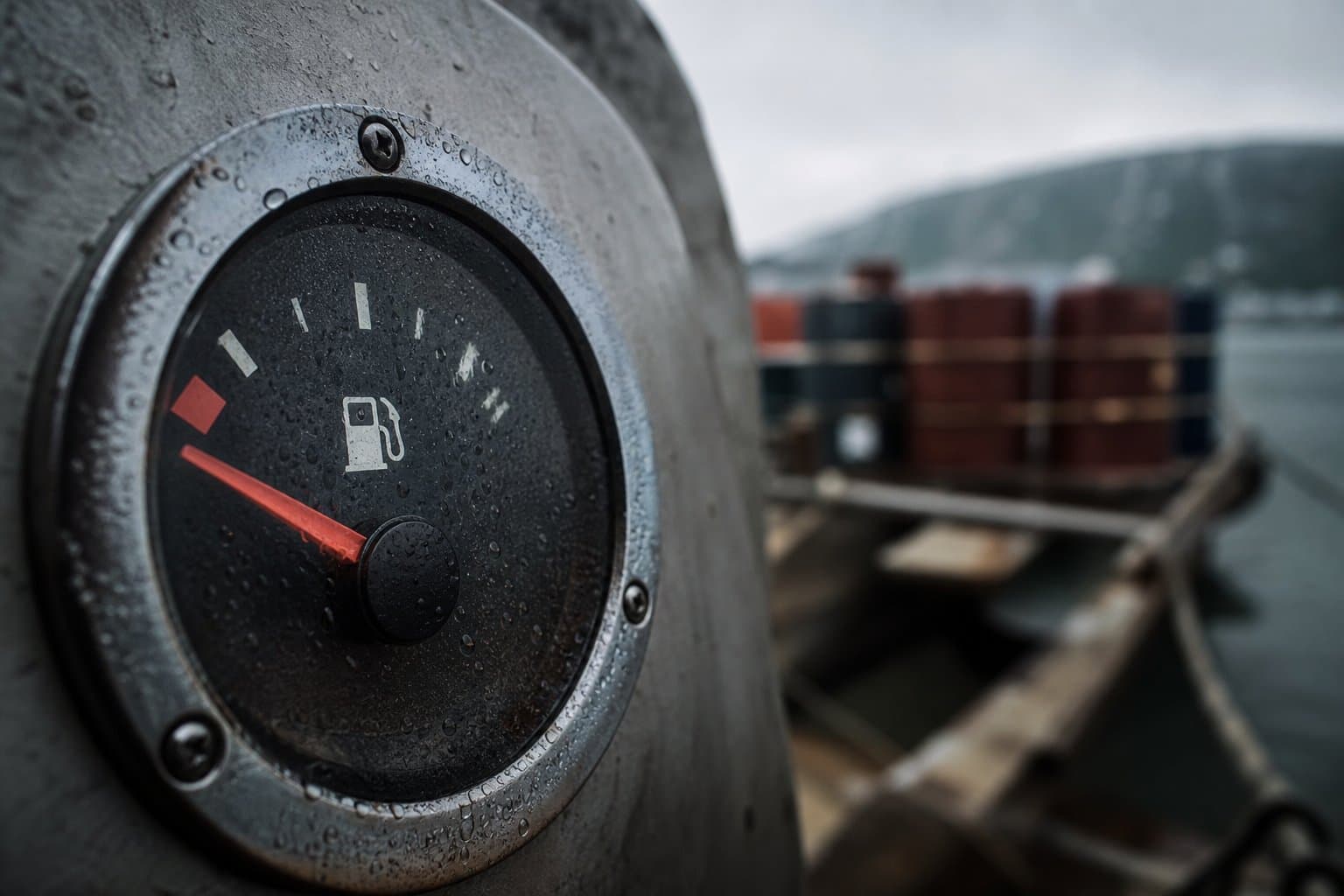
AI image
Murkowski: War-price fuel barges lock rural Alaska into costly winter
In rural Alaska, the Iran war is being measured in dollars a gallon — and the worst of it is only now arriving by barge. Sen. Lisa Murkowski took the Senate floor Sunday to warn that off-road villages, which buy a year's fuel in one or two summer deliveries, are receiving shipments purchased at the conflict's peak prices and will carry those costs straight through winter.
The numbers are staggering by Lower 48 standards. Murkowski cited staff-verified prices of $9 a gallon in Dillingham and $14 in Nuiqsut — taken before the spring barges landed, with estimates pointing to jumps of 50 percent or more once those deliveries are counted. "If you think $4 a gallon in Denver is bad, try $9 a gallon in Dillingham," she said. In Hooper Bay, near $10 a gallon, a single fill runs about $550 — more than $1,000 a month through winter. Fairbanks utilities have tacked on a fuel surcharge averaging $45.74 a month.
The reason the prices stick is geography and ice. Roughly 200 communities — about a fifth of the state's population — sit off the road system and depend on barge fuel during open water, a three-month pipeline from refinery order to upriver delivery. Once the ice returns, the only resort is flying fuel in by barrel, which costs far more. Villages can't simply wait for global prices to ease, because waiting risks running out before spring; Murkowski said some may already be delaying purchases they can't afford. The squeeze reaches past heating, too — subsistence hunting and fishing run on fuel for skiffs and four-wheelers, so a tank of gas now competes directly with the winter heating budget. She read from a Yukon-Kuskokwim Delta tribal leader's letter: "It's not too often that I am scared, but today I am."
None of this is new in kind, only in degree. Federal and state analysts have documented for decades that rural Alaska pays several times the national average for energy, driven by remote logistics and seasonal delivery — the structural problem the war has simply amplified.
Relief is taking shape on two tracks. Murkowski credited the Legislature for passing a $200-per-resident energy rebate, doubling the bulk-fuel revolving loan cap, adding school-district fuel funding, and restoring community assistance, all now awaiting the governor's signature — and argued most relief should come from the state, whose budget has actually benefited from the war's higher oil prices. Federally, she called for full and emergency LIHEAP funding and money for the USDA High Energy Cost Grant Program, and floated tying new aid for the hardest-hit communities to the Iran supplemental now before the Senate.
Assembled from public records the newsroom collected ().
Drafted with AI. Edited by Cale Green (1 revision). No full editor review is on record. Who is accountable.
Stay informed. Support what matters.
Free, permanent access to local news you can verify. Subscribe to support Walter AlaskaNews and go ad-free.
Related Coverage
Rural Alaska faces fuel crisis as prices surge, shortages loom
Alaska News · 4mo ago
A war half a world away is about to freeze into rural Alaska's winter fuel bills
Alaska News · 1mo ago
Rural Alaska fuel prices could hit $25/gallon, lawmaker warns
Alaska News · 4mo ago
Alaska lawmakers hear warnings of rural fuel crisis, weigh loan program expansion
Alaska News · 4mo ago
Remote Alaska villages pay $6.63 per gallon as fuel costs strain budgets
Alaska News · 4mo ago
Comments
Sign in to leave a comment.
No comments yet. Be the first to share your thoughts.