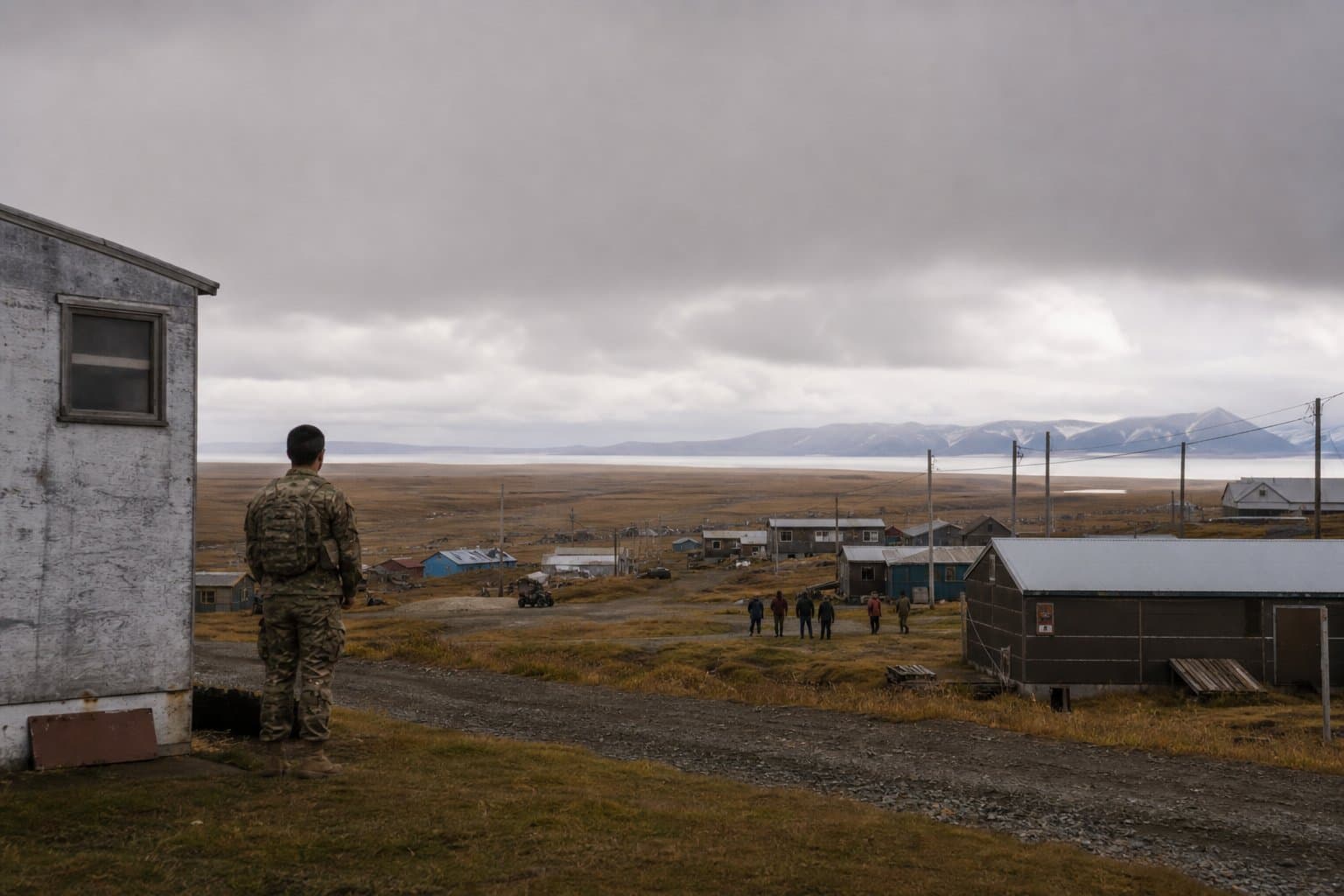
AI image
A Plan to Reopen Rural Alaska's Armories — On Paper
A bill from Sen. Dan Sullivan to chart the reopening of Alaska National Guard armories in remote, mostly Arctic communities cleared the Senate Armed Services Committee on Tuesday — though what it actually does, for now, is order a study.
The measure, folded into the 2027 defense bill, would require the Army and the National Guard Bureau to deliver a "Rural Community Revival Plan" within 90 days of the president signing the larger package — itself contingent on the bill clearing the full Senate and House first. The plan would inventory existing assets, consult local partners, and hand Congress a roadmap with cost estimates. No armory reopens on the strength of this vote; Sullivan himself calls it "Phase One."
The idea has real roots. During World War II, federal readiness centers across the territory supported the Alaska Territorial Guard after Japan invaded the Aleutians, and Cold War scout battalions later watched the Soviet frontier from rural armories — most of which were shut in the 1990s. "Today, we begin to correct this strategic mistake," Sullivan said, framing reopenings as a gain for both northern defense and rural Alaska youth who want to serve without leaving home. Alaska's adjutant general, Maj. Gen. Torrence Saxe, and state Sen. Lyman Hoffman, who represents Western Alaska, both backed it, citing disaster response and rural economies.
What the bill's supporters don't dwell on is the hard part the plan is meant to answer. The same history that inspires it is also a caution: the armories were abandoned once, and the cost of building and staffing facilities in roadless communities — the very reason Congress is asking for "precise cost estimates" rather than authorizing the work outright — is exactly what will determine whether any of this gets funded. The bill leans on incentives like remote-duty pay, bonuses, and education stipends to draw Guard members north, an acknowledgment that staffing remote posts has never been easy or cheap. Whether the plan becomes more than a report depends on appropriations no one has yet committed.
The measure now heads to the full Senate as part of the NDAA.
Assembled from public records the newsroom collected ().
Drafted with AI. Edited by Cale Green (1 revision). No full editor review is on record. Who is accountable.
Stay informed. Support what matters.
Free, permanent access to local news you can verify. Subscribe to support Walter AlaskaNews and go ad-free.
Related Coverage
A Record Alaska Defense Bill Clears Its First Hurdle
Alaska News · 3mo ago
Senate panel advances water bill with Alaska Native village sanitation, Nome port, and Juneau flood provisions
Alaska News · 2mo ago
Murkowski cosponsors bill to let Coast Guard commandant sign local support deals
Alaska News · 1mo ago
Nome port's national security designation could save city $132 million in construction costs
Alaska News · 2mo ago
Senate panel will take up Native housing bill co-sponsored by both Alaska senators
Alaska News · 6d ago
Comments
Sign in to leave a comment.
No comments yet. Be the first to share your thoughts.