AI image
Veterinary care reaches rural Alaska, where dog-bite rates run high
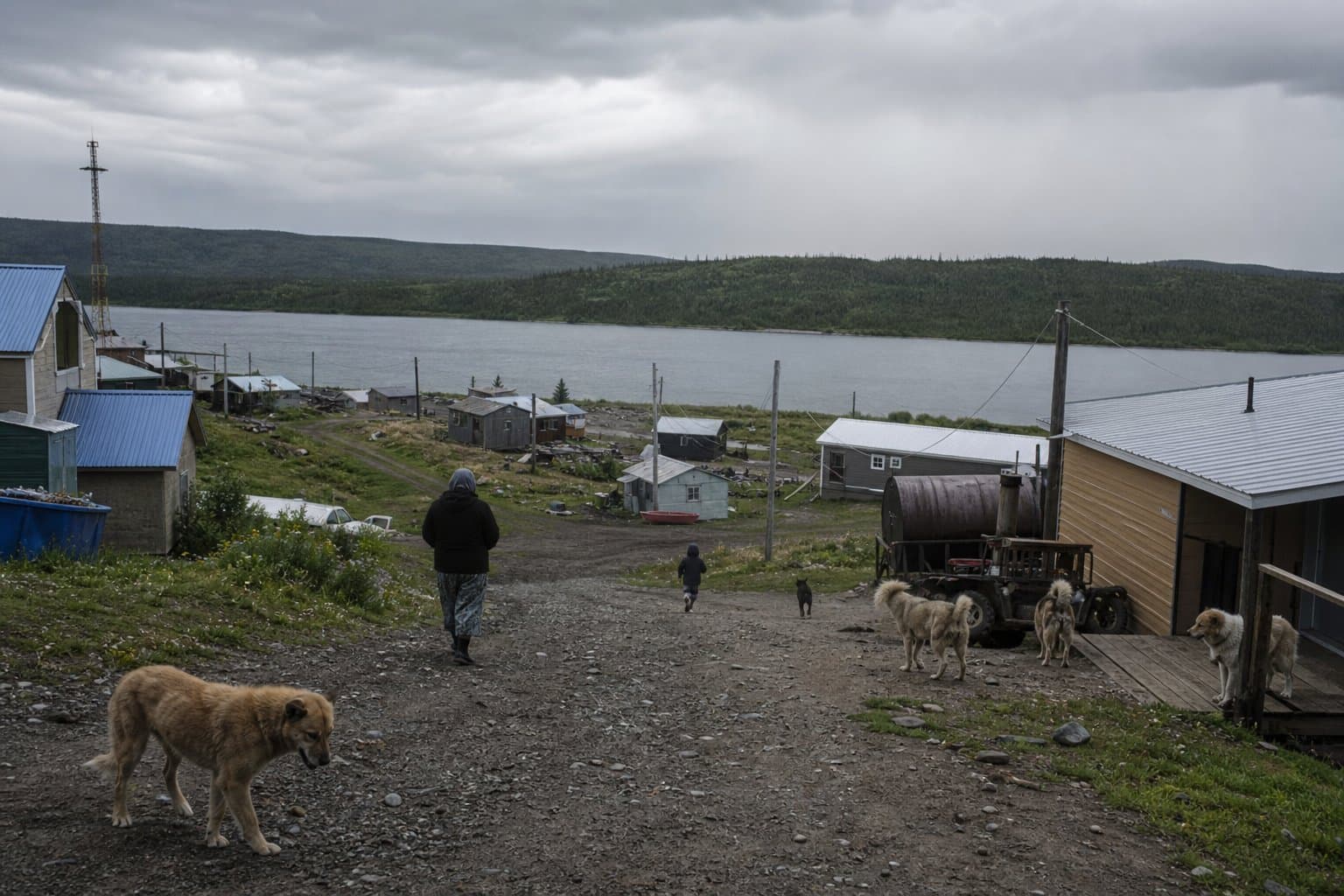
Starting July 1, veterinary care is coming to roughly 80 rural Alaska tribal communities. For most, it will be the first regular access they've had.
The need is not abstract. Alaska Native children are hospitalized for dog bites at about twice the rate of the general U.S. population, and bitten at three times the rate of non-Native Alaskans, Brian Berube told a U.S. House subcommittee in June. "Besides sporadic services from nonprofit veterinarians, there has never been access to veterinary care in the rural parts of our state," he said.
The two-year program, run by the Alaska Federation of Natives and Alaska Native Rural Veterinary, will bring preventive care, vaccinations, and spay and neuter services, along with surveillance for diseases that pass between animals and people. It is preventive by design. "Preventing zoonotic diseases is far more effective and far less costly than treating them," said medical director Dr. Arleigh Reynolds, pointing to root causes like dog overpopulation.
The program also collects barrier-to-care data meant to guide future funding and policy. AFN declared the lack of rural veterinary care an unmet public health need in 2019, and the data gathered over the next two years is intended to support federal legislation on tribal veterinary access.
Source: AFN and Alaska Native Rural Veterinary, Inc. Announce Launch of Rural Veterinary Public Health Program Serving 80 Tribal Communities Across Rural Alaska.
AI-assisted. How we use AI
Stay informed. Support what matters.
Free, permanent access to local news you can verify. Subscribe to support Maggie AlaskaNews and go ad-free.
Related Coverage
Begich bill would let the Indian Health Service fund rabies shots and spay/neuter in rural Alaska
Alaska News · 3mo ago
Three remote Aleutian villages are getting traveling dental and medical clinics this month
Alaska News · 1mo ago
Bethel rewrites its animal code to fight the diseases that actually threaten its dogs
Alaska News · 3mo ago
Rabies is climbing among wildlife across the Yukon-Kuskokwim Delta
Alaska News · 2w ago
Alaska deploys $272M federal award to reshape rural health care delivery
Alaska News · 4mo ago
Comments
Sign in to leave a comment.
No comments yet. Be the first to share your thoughts.