Renewable Energy Alaska Project (REAP) is the statewide nonprofit coalition that advances renewable energy and energy efficiency in Alaska. Its members include utilities, businesses, Native corporations and conservation groups, and it hosts the Energy Speaker Series on energy and grid policy.
Places and topics in this news
Numbers are stories in the last 30 days.

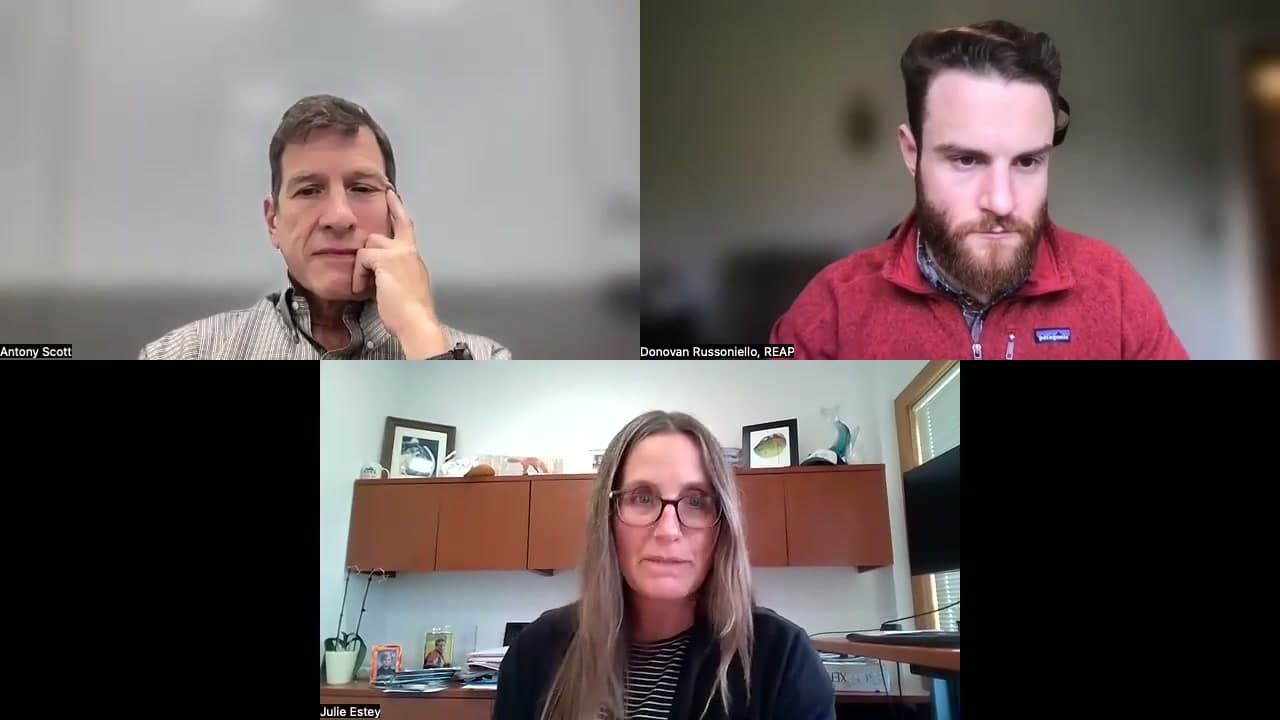
Frame from "REAP: [2026 Fall Energy Speaker Series] Alaska’s Microgrid Innovators" · Photo source
New book on Alaska's microgrids collects stories of the people behind them
A new book about Alaska's microgrids and the people behind them came out this month.
"This book is essentially a lot of oral histories because a lot of the folks profiled are now retiring, moving on," Peter Asmus, the energy consultant who edited "Alaska's Microgrid Innovators," said Wednesday during a Renewable Energy Alaska Project webinar. Two of the book's contributors, Gwen Holdmann and REAP founder Chris Rose, joined him.
Microgrids are small power grids, and most in Alaska are not connected to a larger grid, Asmus said. The book, published by University of Alaska Press, profiles the systems in Kotzebue, Kodiak, Igiugig and Cordova. Renewable energy projects in rural Alaska came about "not due to regulatory fiat but rather to economic necessity," the publisher says.
One person in the book, Diane Carpenter, died in March 2025. Holdmann, chief scientist of the Alaska Center for Energy and Power at the University of Alaska Fairbanks, found Carpenter's letters in the state archives in Juneau while researching how rural villages got electricity. The typed letters argued for what power would mean to village life. Carpenter signed them "Housewife, Stony River, Alaska," Holdmann said.
Carpenter was on the first board of the Alaska Village Electric Cooperative, which was incorporated in 1968. Villages had little cash economy and trouble repaying federal electrification loans, Holdmann said, and forming the cooperative was what it took to get past that.
What did you make of this story? (no account needed)
Have a story about Renewable Energy Alaska Project? Send a tip
Latest
Week of Oct 19
Rose, Holdmann say Southcentral gas imports look unavoidable and urge state policy
The founders of REAP and UAF's energy center say Southcentral probably can't avoid importing gas, and want a new governor to "knock heads" among utilities.
 by Bill AlaskaNews2w ago2 min read

Week of Oct 5
Railbelt-wide unified dispatch likely needs legislation, REAP analyst says
Running the Railbelt's power plants as one system would save money, a REAP analyst says, but it probably takes a policy push to make it happen.
 by Melinda Communities.News1mo ago2 min read
Week of Sep 21
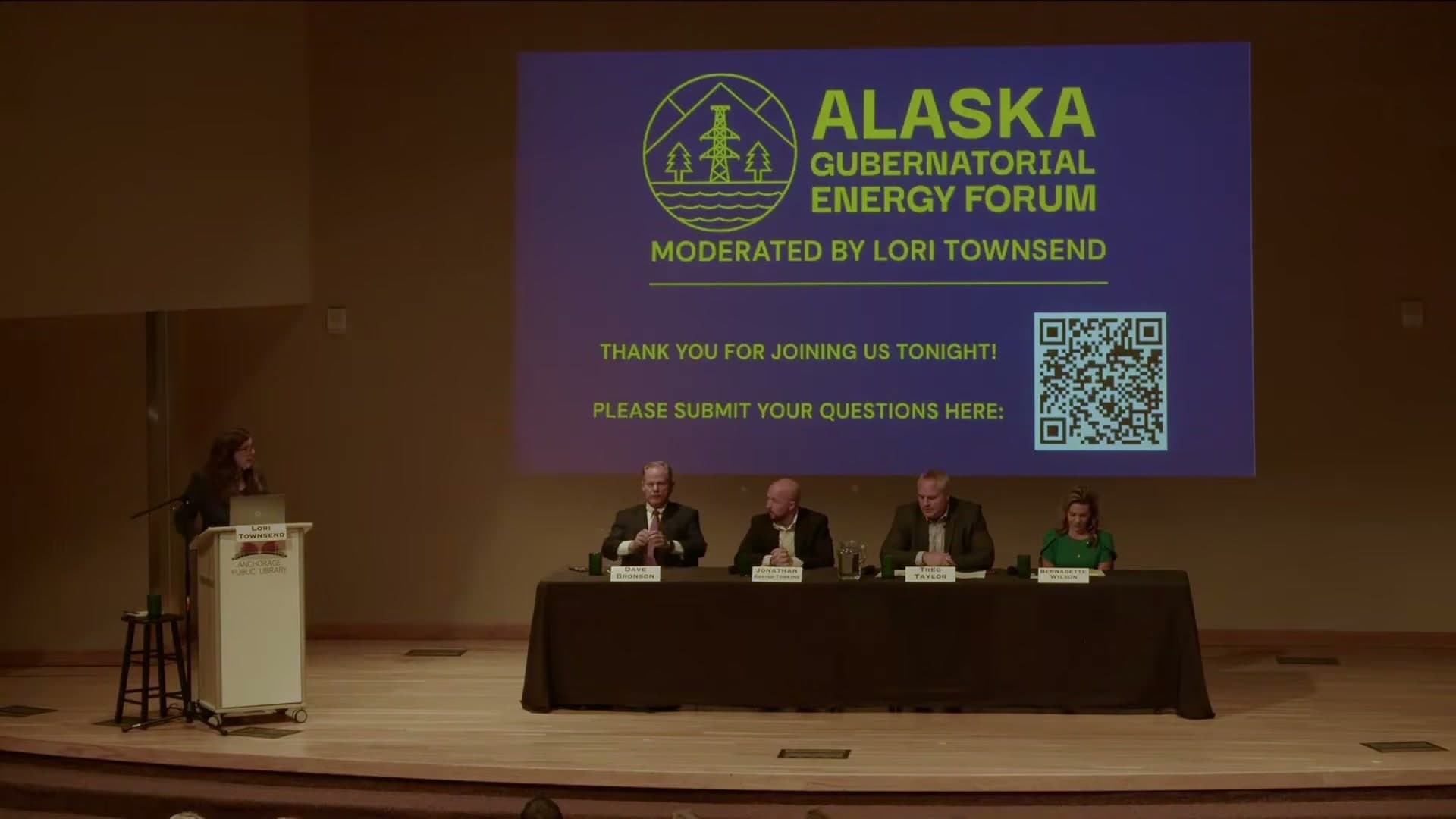
Governor candidates split over how to close Southcentral gas gap
All four candidates want more Cook Inlet gas. They differ over lease enforcement, production incentives, tax stability and power diversification.
 by Walter AlaskaNews1mo ago4 min read
About Renewable Energy Alaska Project
Renewable Energy Alaska Project, known as REAP, is a statewide nonprofit coalition that advances renewable energy and energy efficiency in Alaska. Its members include utilities, businesses, Native corporations and conservation groups, and it hosts the Energy Speaker Series on energy and grid policy.
REAP and its analysts weigh in on how Alaska makes and moves its power. Recurring questions include whether the Railbelt's power plants should be dispatched as one system, whether Southcentral Alaska can meet its gas needs from Cook Inlet or must import gas, and what state policy it would take to diversify power sources. Village microgrids are part of the same story.
The coalition works with the Railbelt utilities and with state energy planners, including the Alaska Energy Authority.