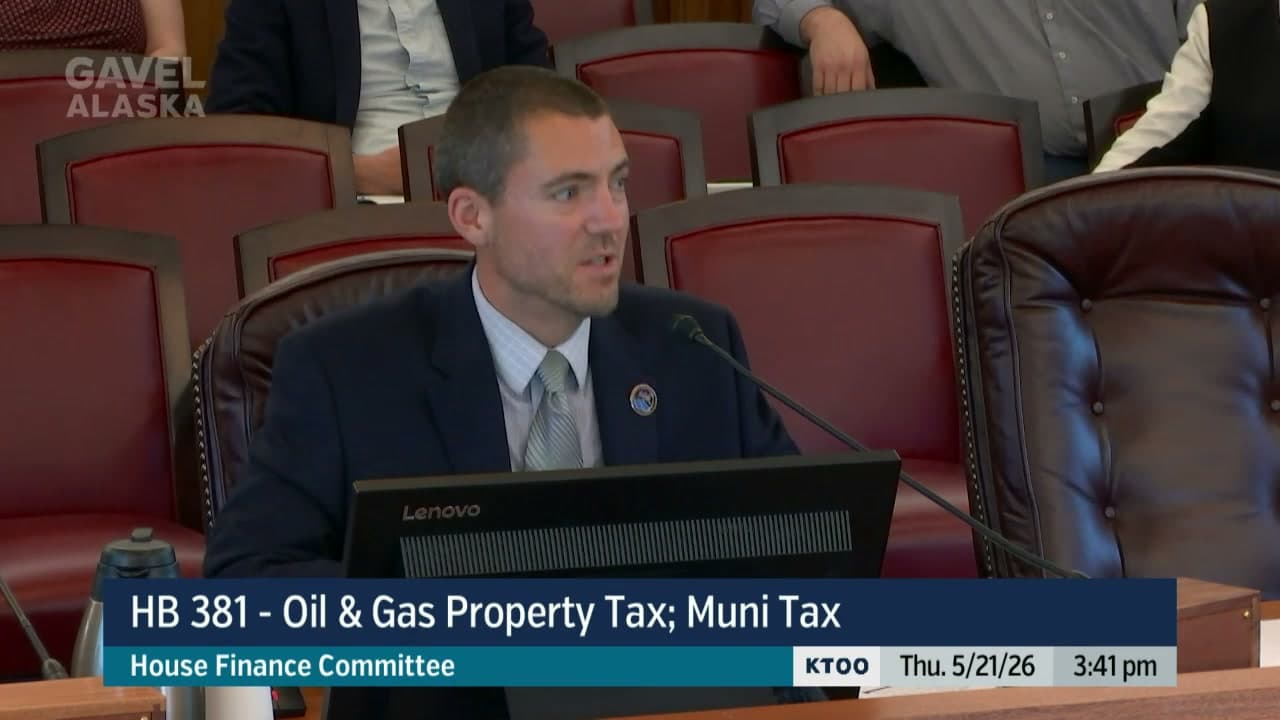
The Alaska House of Representatives is the lower chamber of the Alaska State Legislature, with 40 members serving two-year terms. It originates appropriations and revenue bills and debates Alaska LNG taxation and the state budget through its House Finance and House Resources committees.
Photo: James Brooks via Wikimedia Commons · Photo source · CC BY 2.0
Alaska State Capitol, 120 4th St, Juneau, AK 99801
Video Clips
Browse all clips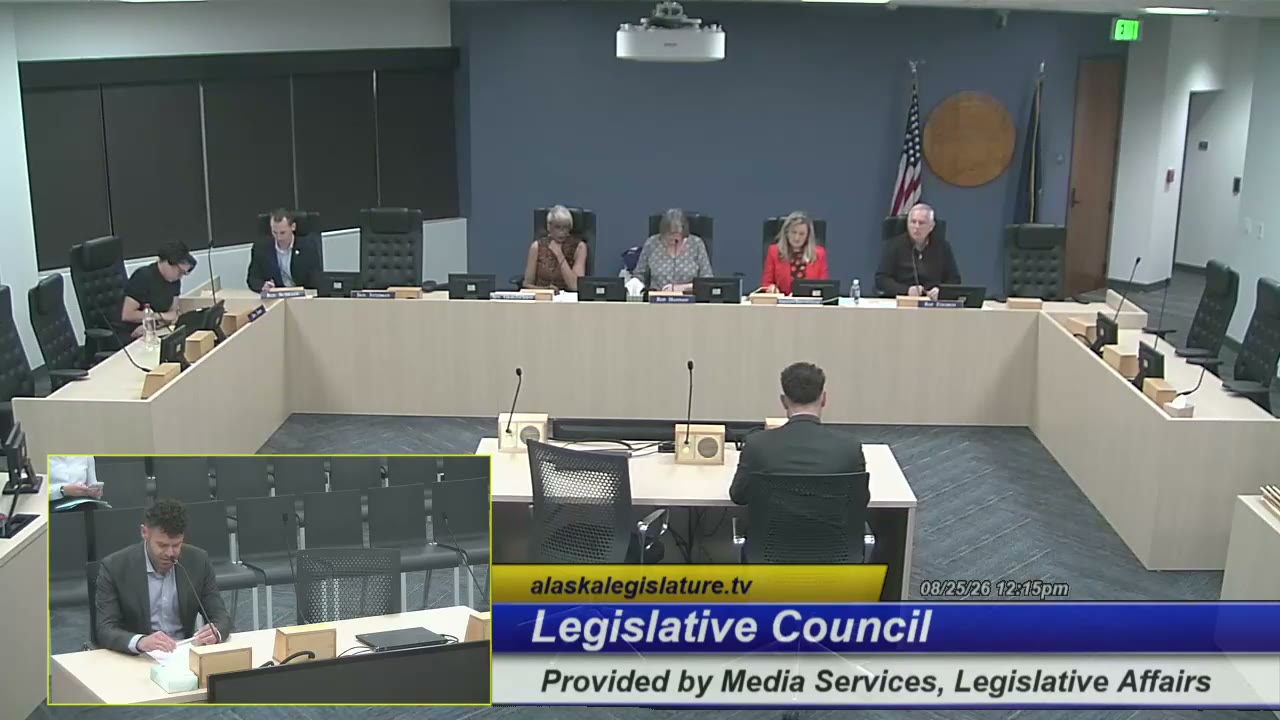
Tim Powers
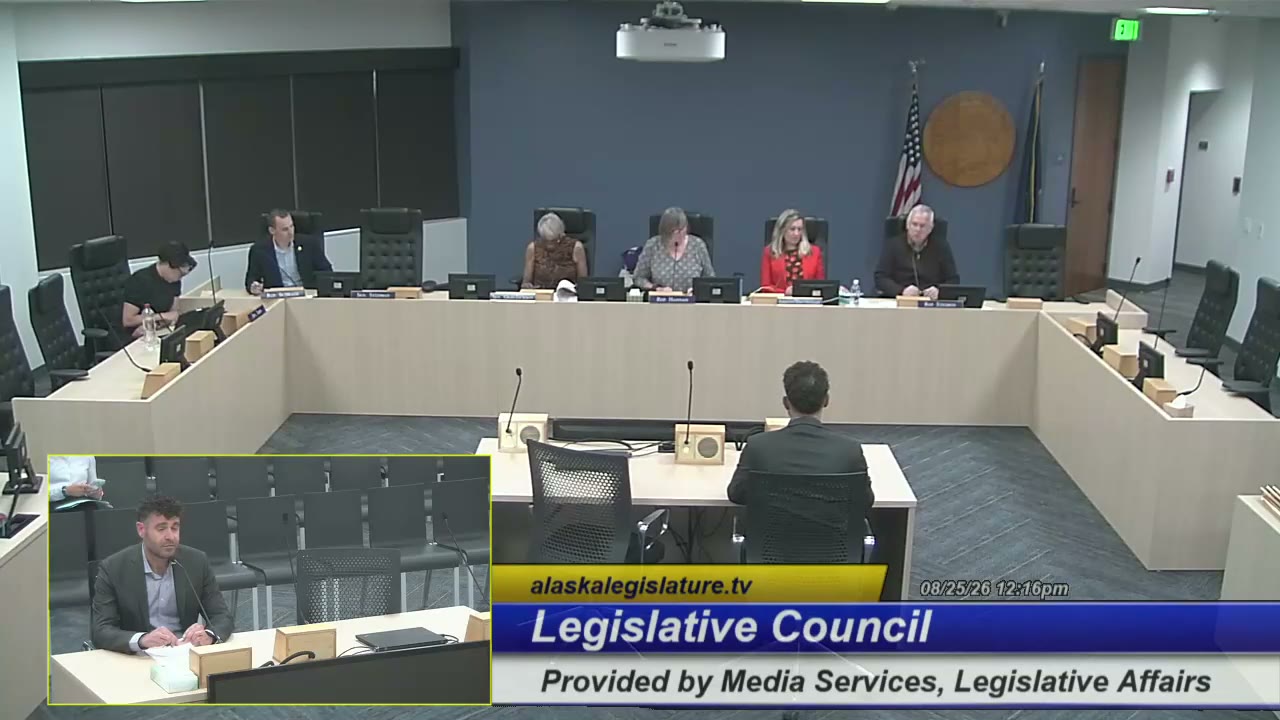
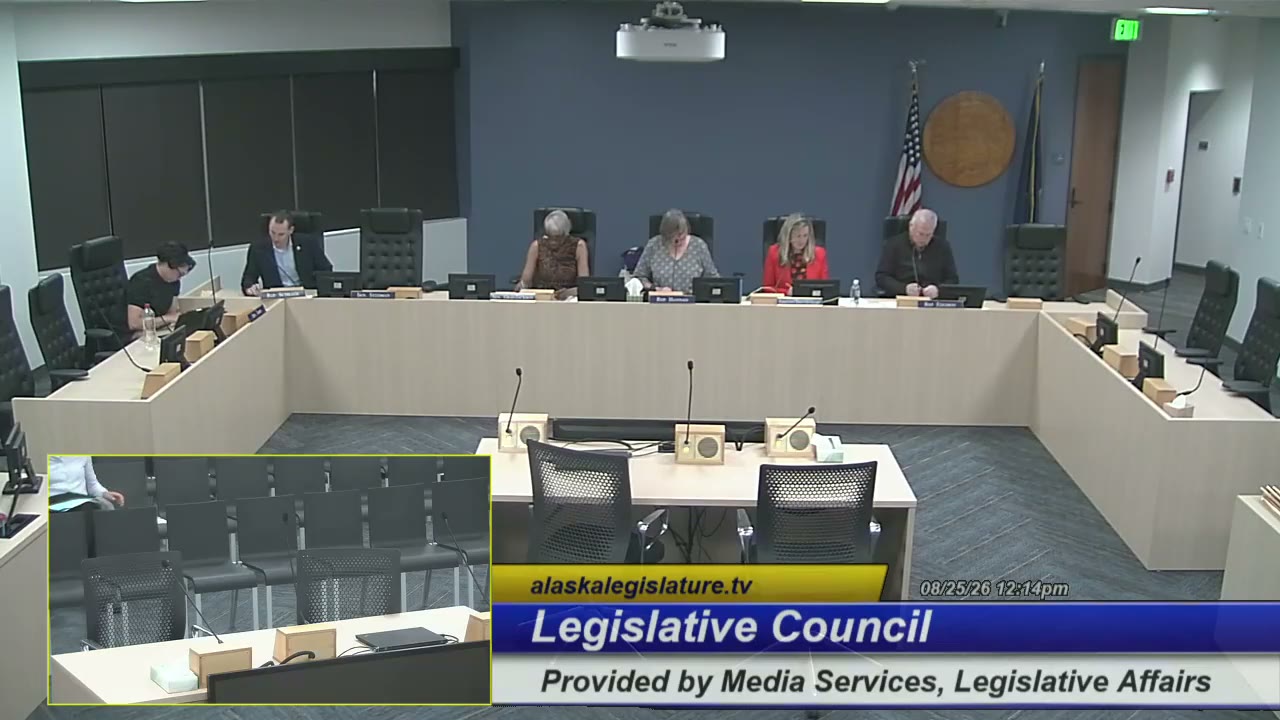
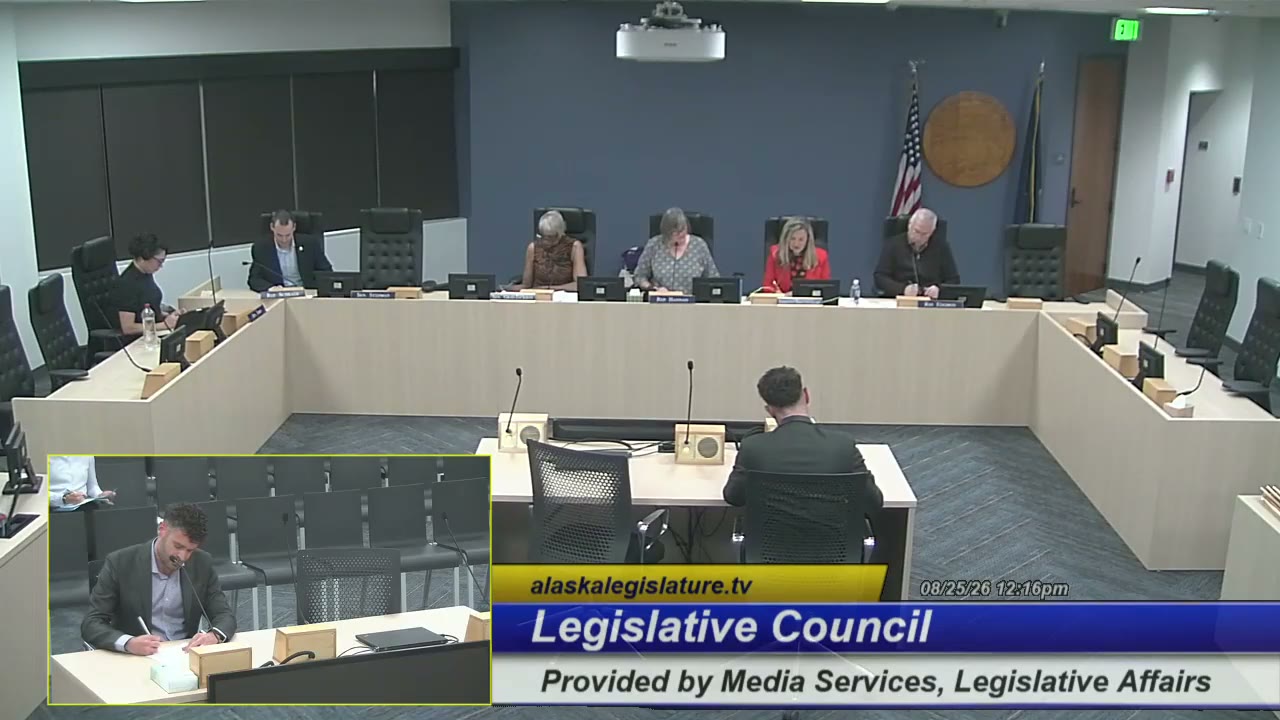
“The legislature has already appropriated this money in the budget cycle this last year. We did use a sole source justification, Section 040 exemption for this procurement. KTO has unmatched infrastructure. They already possess the technological setup, the broadcast equipment, and the institutional knowledge and have a working agreement with the legislature that's spanned for over a decade already. It's impractical to put this out for competitive bid.”Alaska Legislature: Joint Legislative Council, 8/25/26, 11am · Aug 25, 2026
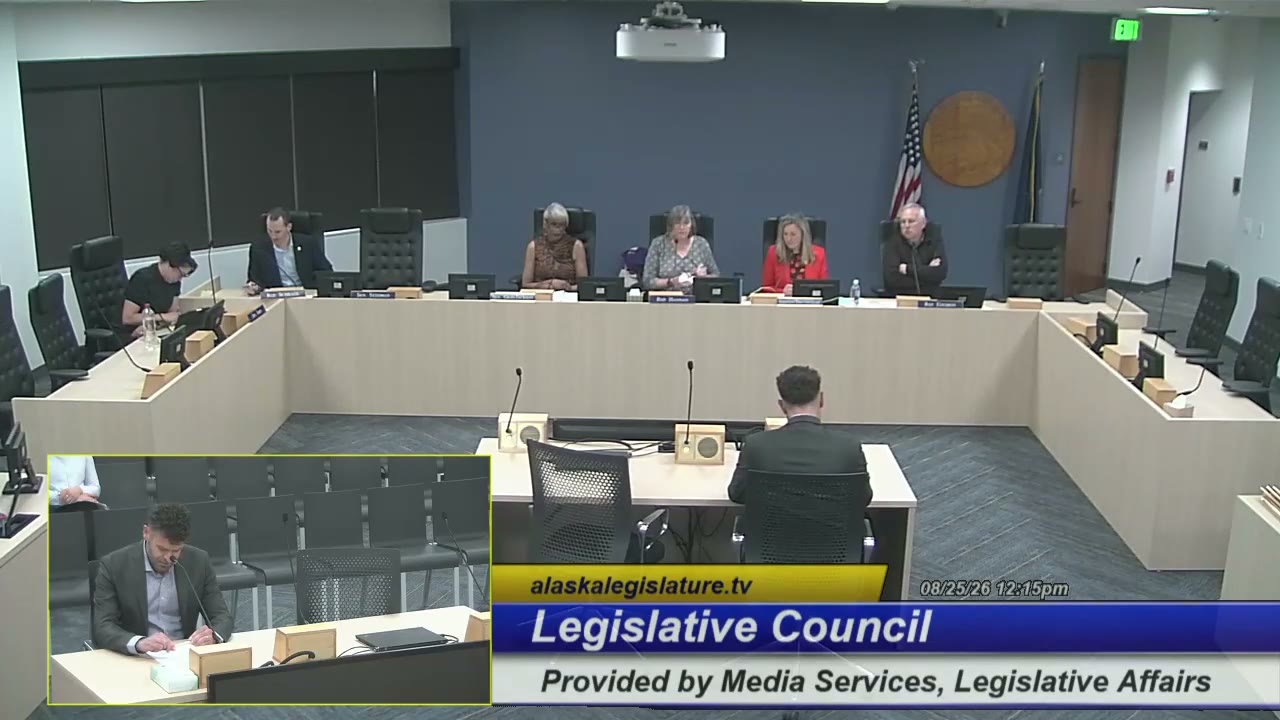
Tim Powers
“Transitioning to a new vendor would require costly duplication of infrastructure and risk disruptive delays to service that the public relies on. Because this contract value exceeds $50,000 in a single fiscal year, Council action is required to approve the contract.”Alaska Legislature: Joint Legislative Council, 8/25/26, 11am · Aug 25, 2026
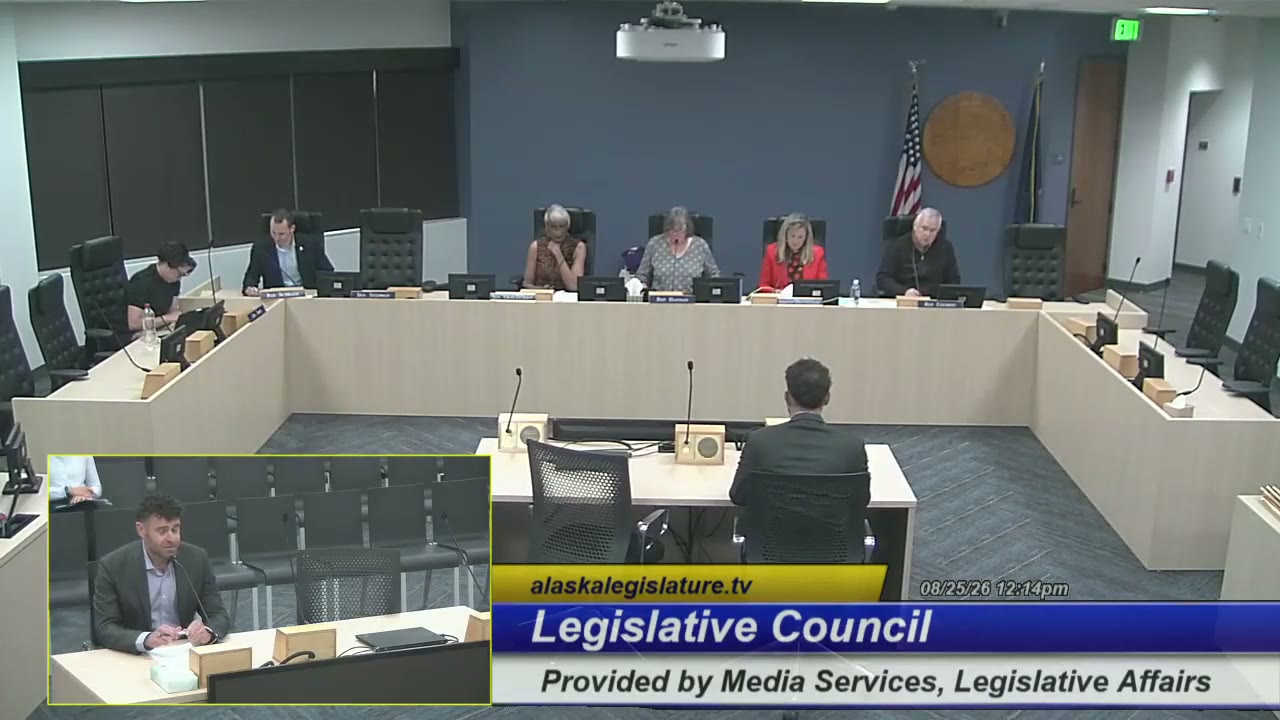
Tim Powers
“KTOO, who has provided longstanding public service in broadcast of the legislature by means of gavel-to-gavel coverage of the House and Senate floor sessions and committee meetings. They are essential for transparency for the legislature, for the public in this state, and due to the loss of federal funding last year, the Corporation for Public Broadcasting cut, KTO approached the legislature to secure funding to provide this service continuing.”Alaska Legislature: Joint Legislative Council, 8/25/26, 11am · Aug 25, 2026
Alaska Legislature: Joint Legislative Council, 8/25/26, 11am · Aug 25, 2026
Alaska Legislature: Joint Legislative Council, 8/25/26, 11am · Aug 25, 2026
Alaska Legislature: Joint Legislative Council, 8/25/26, 11am · Aug 25, 2026
House District 36 candidates back trawling limits at Tanana Chiefs forum
House District 36 candidates Rep. Rebecca Schwanke and Crystal Jones called for trawling limits and lower rural energy costs at an Oct. 8 Tanana Chiefs Conference forum.
 by Maggie AlaskaNews3d ago1 min read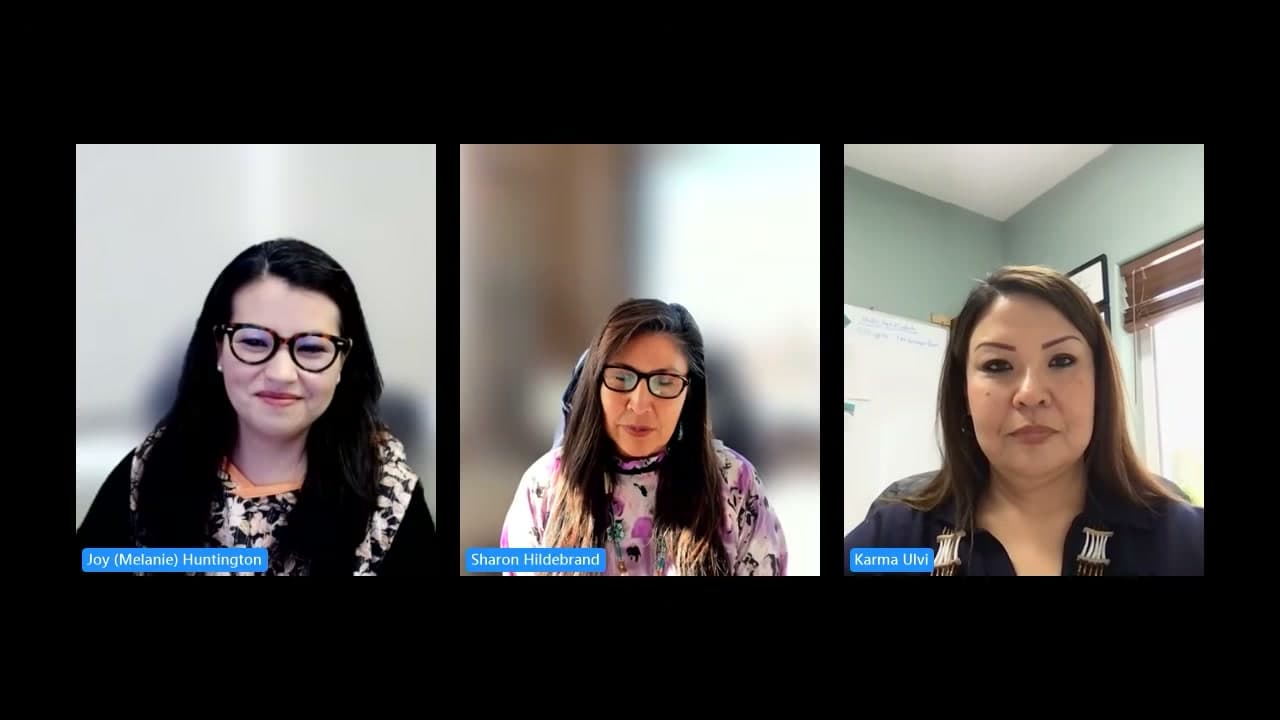
Alaska House members ask FCC to preserve E-Rate school internet discounts
Twenty-one Alaska State House members asked the FCC to preserve E-Rate, saying the state's school broadband grant requires districts to qualify for it first. Comments close Oct. 13.
 by Walter AlaskaNews6d ago2 min read
Alaska Legislative Council approves $851,400 for KTOO's Gavel Alaska coverage
The Alaska Legislative Council approved a contract worth up to $851,400 with KTOO Public Media to continue Gavel Alaska coverage of legislative proceedings.
by Walter AlaskaNews1mo ago1 min read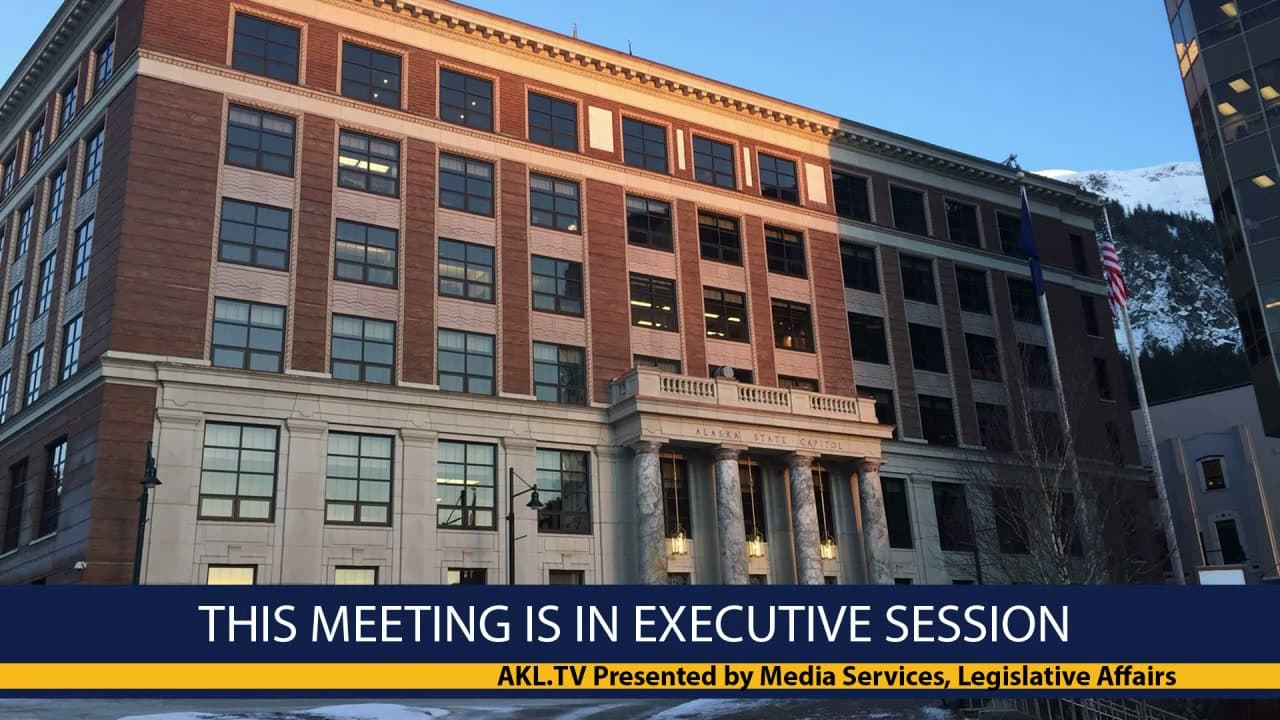
The Alaska House gavels in and out again, taking no action in the special session
The Alaska House of Representatives met for minutes Tuesday in Juneau, took no action on natural gas taxation, and adjourned by unanimous consent to another technical session set for Friday at 10:30 a.m.
by Walter AlaskaNewsadded 1mo ago1 min read
Alaska's audit watchdog gets a new leader, inheriting a fisheries probe and a new power over the governor
Mark Lundahl takes over as Alaska's acting legislative auditor Aug. 31, inheriting a Board of Fisheries special audit and new access to state oil and gas tax records.
by Walter AlaskaNews1mo ago2 min read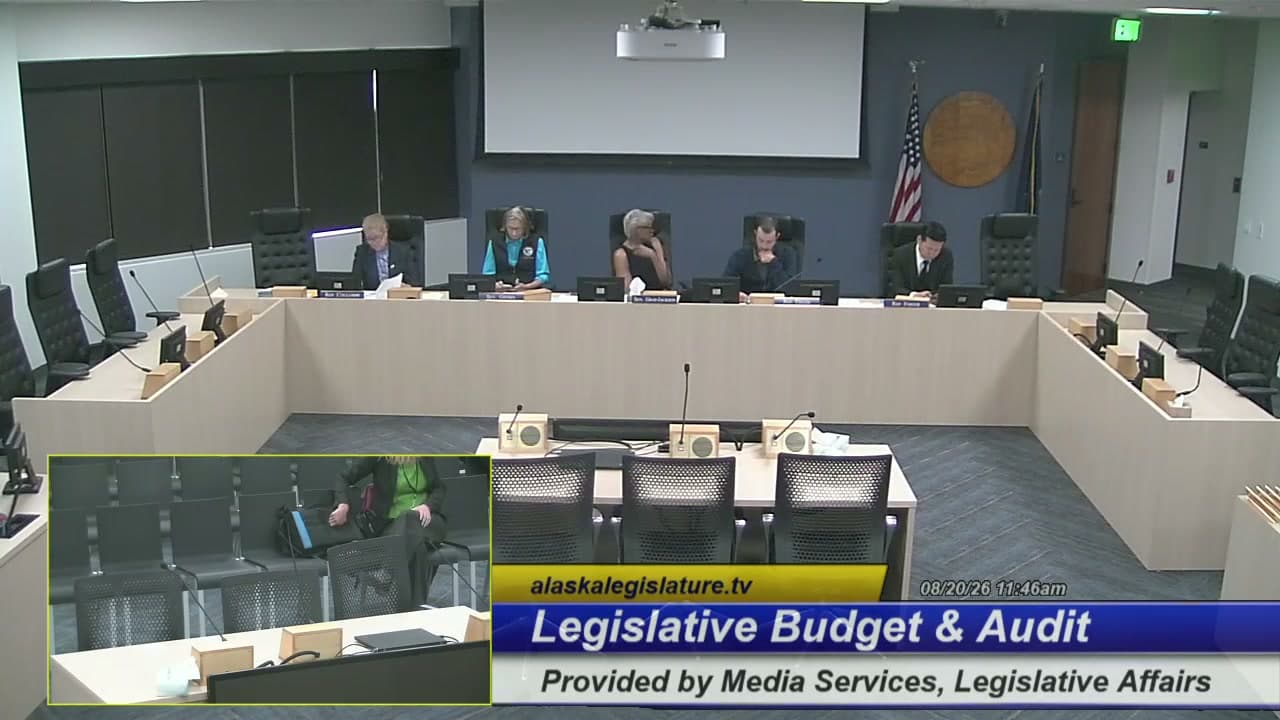
The Alaska House gaveled in and out in minutes, its special session going nowhere
The Alaska House of Representatives met for minutes Friday in Juneau, took no votes, and adjourned by unanimous consent until Tuesday, Aug. 11, at 10:30 a.m. for another technical session. The fourth special session on natural gas taxation remains stalled.
by Walter AlaskaNews2mo ago1 min read
A one-word change to Alaska's voting law could foreclose a path for American Samoan residents
Alaska's Ballot Measure 3 would specify only citizens can vote. Supporters call it a safeguard; opponents say it forecloses a path for American Samoan U.S. nationals to vote locally.
by Walter AlaskaNews2mo ago2 min read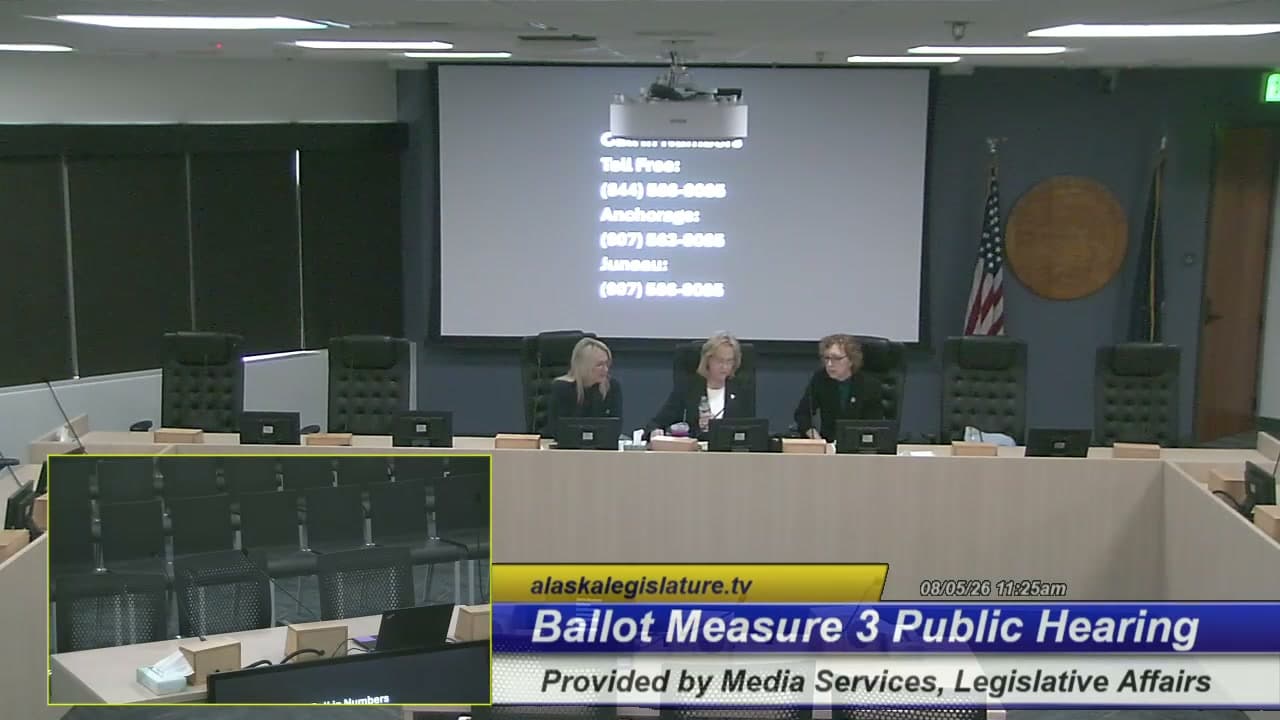
The gas tax special session has stalled, with the bill already dead
Alaska's fourth special session, called on natural gas taxation, has stalled after the House killed the gas tax bill, HB 381. Both chambers are holding technical sessions.
by Walter AlaskaNews2mo ago1 min read
Ballot Measure 3 turns on a single word
Alaska's Ballot Measure 3 would say only U.S. citizens may vote. Sponsors say it closes a legal gap; opponents say it changes nothing. Voters decide Nov. 3.
by Walter AlaskaNews2mo ago2 min read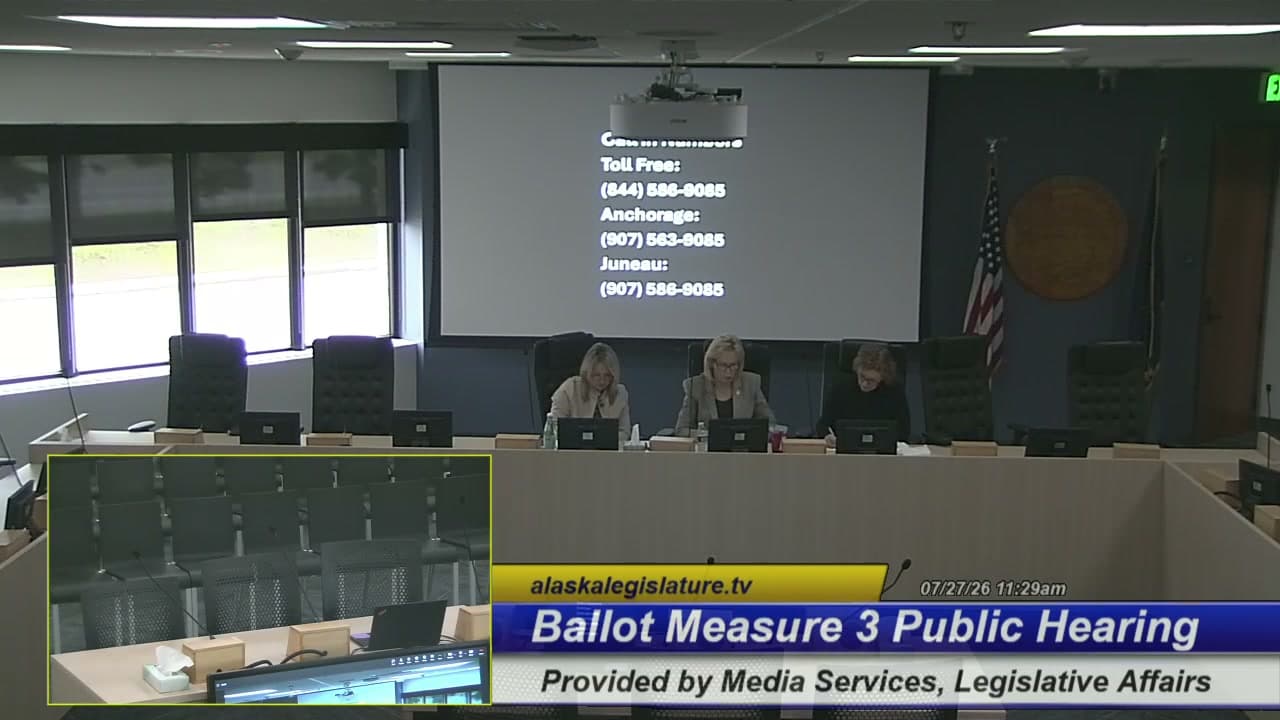
Alaska asks 3,500 voters to confirm citizenship weeks before the primary
The Alaska Division of Elections moved about 3,500 voters to inactive status and asked them to confirm citizenship after a DMV cross-check, weeks before the August 18 primary.
by Walter AlaskaNews2mo ago3 min read
Alaska LNG's cheap-gas promise hinges on exports — and on costs staying in line
New Alaska Department of Revenue analysis shows LNG exports are key to cheap in-state gas — about $5/mcf versus $12.65 without them — but a cost overrun could push the export price above market.
by Walter AlaskaNews3mo ago2 min read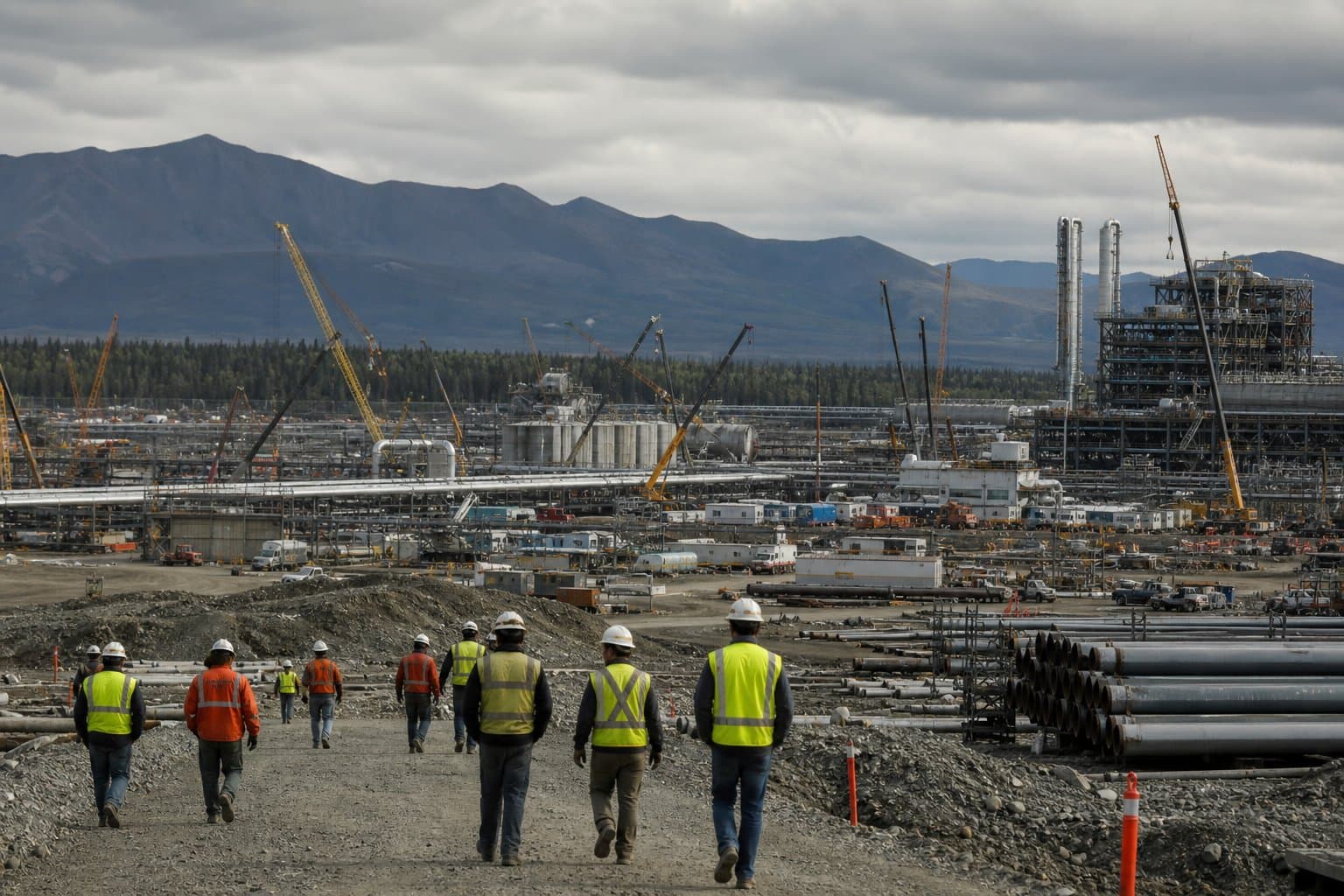
Alaska LNG tax bill advances as working draft, disputes unresolved
The Alaska Legislature's conference committee on HB 381 adopted a new working draft Thursday, with members raising disputes over how the alternative volumetric tax applies to required local contributions, among other provisions. Chair Schrage said the committee would take a few days off for the holiday weekend before reconvening to refine the bill further.
by Walter AlaskaNewsadded 3mo ago3 min read
Gas-line developer warns Alaska's Senate terms could drive it off
Glenfarne warned an Alaska conference committee that Senate amendments to the HB 381 gas-line tax bill, including a 9.4% investor tax, could deter investment and threaten the project.
by Walter AlaskaNews3mo ago2 min read
An ethics panel found probable cause that Rep. Sarah Vance misused her office to pressure a newspaper
A legislative ethics subcommittee found probable cause that Rep. Sarah Vance misused state resources to pressure the Homer News over an article. The case heads to a full hearing.
by Walter AlaskaNews3mo ago2 min read
An oil spike filled Alaska's budget and hammered its schools — and the new budget sends some back
Gov. Mike Dunleavy signed Alaska's FY2027 budget, directing a temporary oil-revenue windfall to school infrastructure and rural districts' rising energy costs.
by Walter AlaskaNews3mo ago2 min read
Alaska kicked Sullivan off the ballot. In 2024, the state argued it couldn't
Alaska Division of Elections removal of Daniel J. Sullivan from U.S. Senate ballot contradicts state's 2024 court position in Eric Hafner case
by Walter AlaskaNews3mo ago2 min read
Daniel J. Sullivan sued the state today over a denied Senate ballot spot
Daniel J. Sullivan, denied a U.S. Senate primary ballot spot in Alaska, filed a court appeal today as state lawmakers held a joint hearing on the dispute
by Walter AlaskaNews3mo ago2 min read
Alaska House recesses 10 days as gas line conference committee begins
The Alaska House voted 12-28 to reject Senate amendments to HB 381, then passed HCR 302 by 40-0 to recess until July 1, sending the gas line tax bill to a conference committee. Minority Leader DeLena Johnson put the chamber on record that the break must produce work, not delay.
by Walter AlaskaNews3mo ago4 min read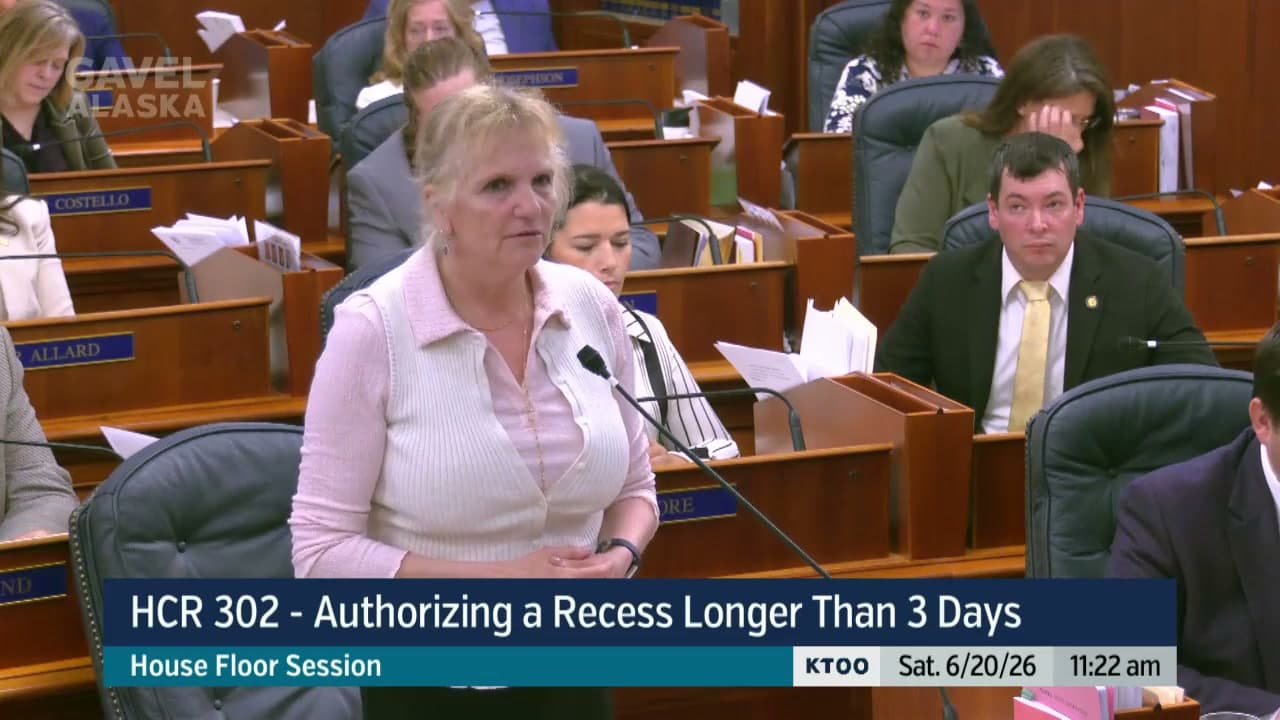
Dunleavy called a second special session over the unresolved LNG tax bill
Gov. Dunleavy called a second special session over the unresolved Alaska LNG tax bill — and the legislature overrode two vetoes but failed on three more
by Walter AlaskaNews3mo ago3 min read
Federal court bars respondents from moving detainee before June 17 hearing
Chief Judge Sharon L. Gleason on June 12 barred respondents in Barreto v. State of Alaska from transferring a detainee out of the district, with a show-cause hearing set for June 17 in Anchorage.
by Walter AlaskaNewsadded 4mo ago1 min read
Alaska House passes new tax structure for Alaska LNG pipeline aimed at attracting investors
The Alaska House passed HB 381 on Friday, replacing property tax with a volume-based tax on natural gas transported through the proposed Alaska LNG pipeline. Governor Mike Dunleavy called the vote a significant step toward advancing the project.
by Walter AlaskaNews4mo ago3 min read
House Finance advances Alaska LNG tax bill, curtailing North Slope's power to negotiate
The House Finance Committee voted 11-0 Wednesday to advance a major natural gas pipeline bill after adopting amendments that restructure municipal taxes and increase community impact aid to $80 million.
by Walter AlaskaNews4mo ago3 min read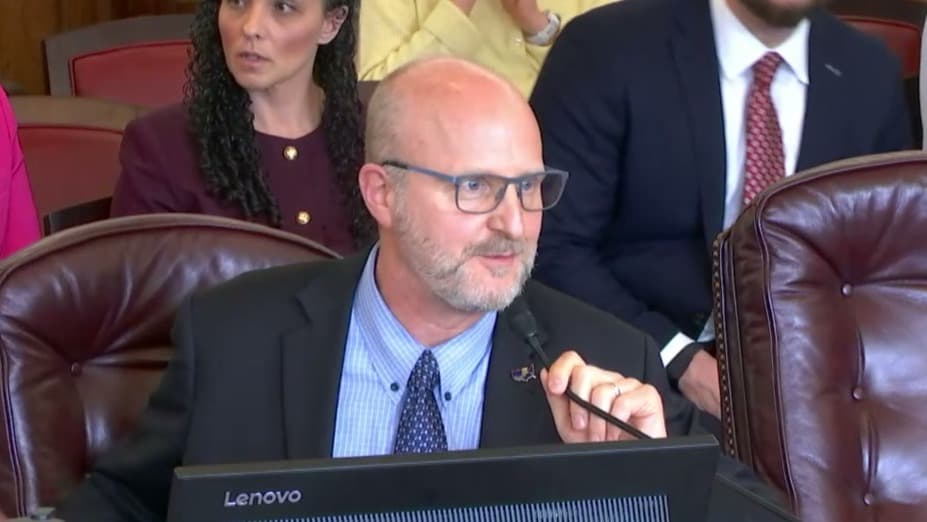
Same committee, same day, two close votes on Alaska LNG ratepayer protection — and they didn't go the same way
Alaska House Finance Committee voted 6-5 Tuesday to direct the Regulatory Commission of Alaska not to approve contracts that pass Alaska LNG cost overruns to ratepayers. The developer confirmed support for the protection.
by Walter AlaskaNews4mo ago2 min read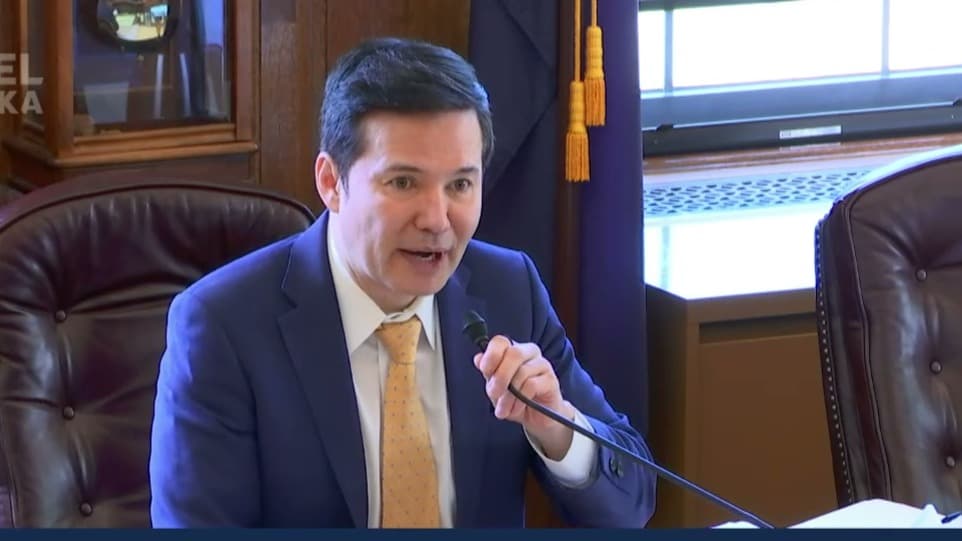
House Finance writes a $16 gas-price cap into Alaska LNG bill — even if Enstar's contract isn't signed
Alaska House Finance Committee caps natural gas prices at $16 per million BTU for Alaskans through statutory amendment to House Bill 381, mirroring Enstar contract terms to protect ratepayers from cost overruns on Alaska LNG project.
by Walter AlaskaNews4mo ago2 min read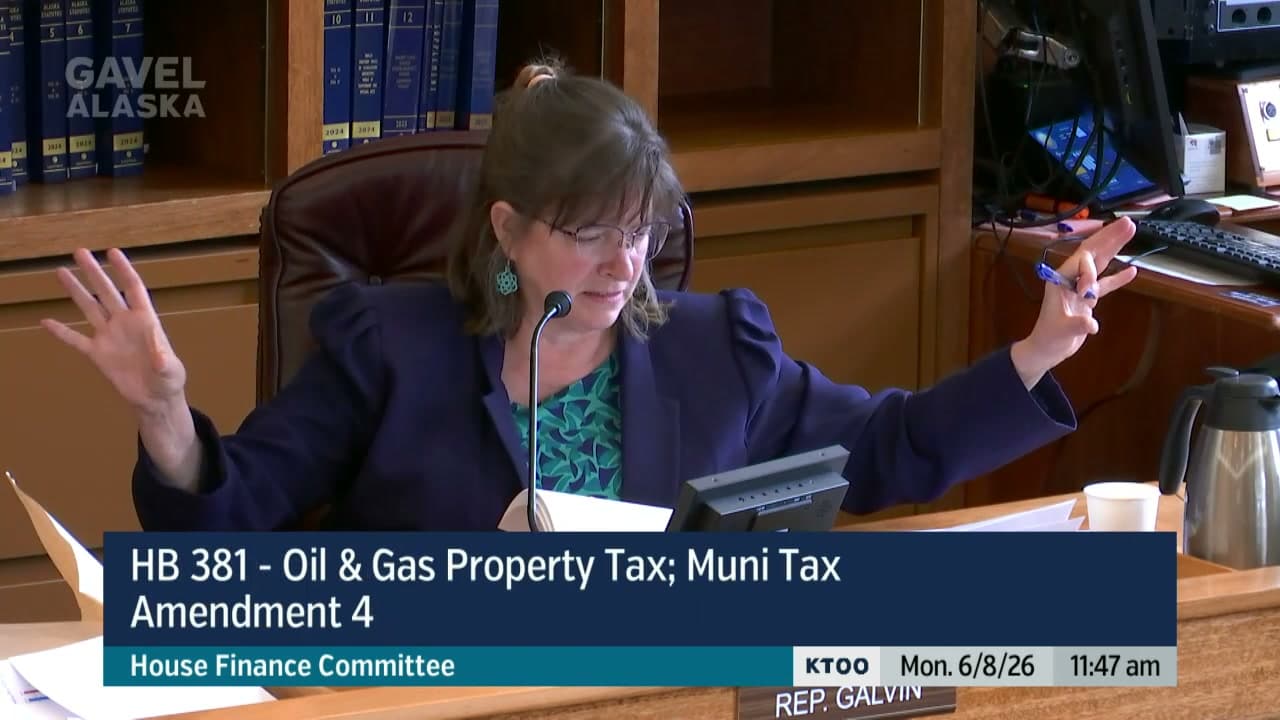
House Finance amendment lets pipeline-route municipalities bill Alaska LNG directly — skipping the state appropriation step
The committee adopted an amendment Monday allowing municipalities to collect their share of the alternative volumetric tax directly from the pipeline operator rather than waiting for state appropriation, addressing borough concern about cash-flow delays and legislative control.
by Walter AlaskaNews4mo ago2 min read
Alaska House passes home care advisory board for Medicaid workers
The Alaska House voted 35-5 Monday to create an advisory board setting Medicaid payment rates for home care workers. Supporters say better pay will keep elders in their homes rather than nursing facilities, saving the state money.
 by Lucas Brownadded 4mo ago2 min read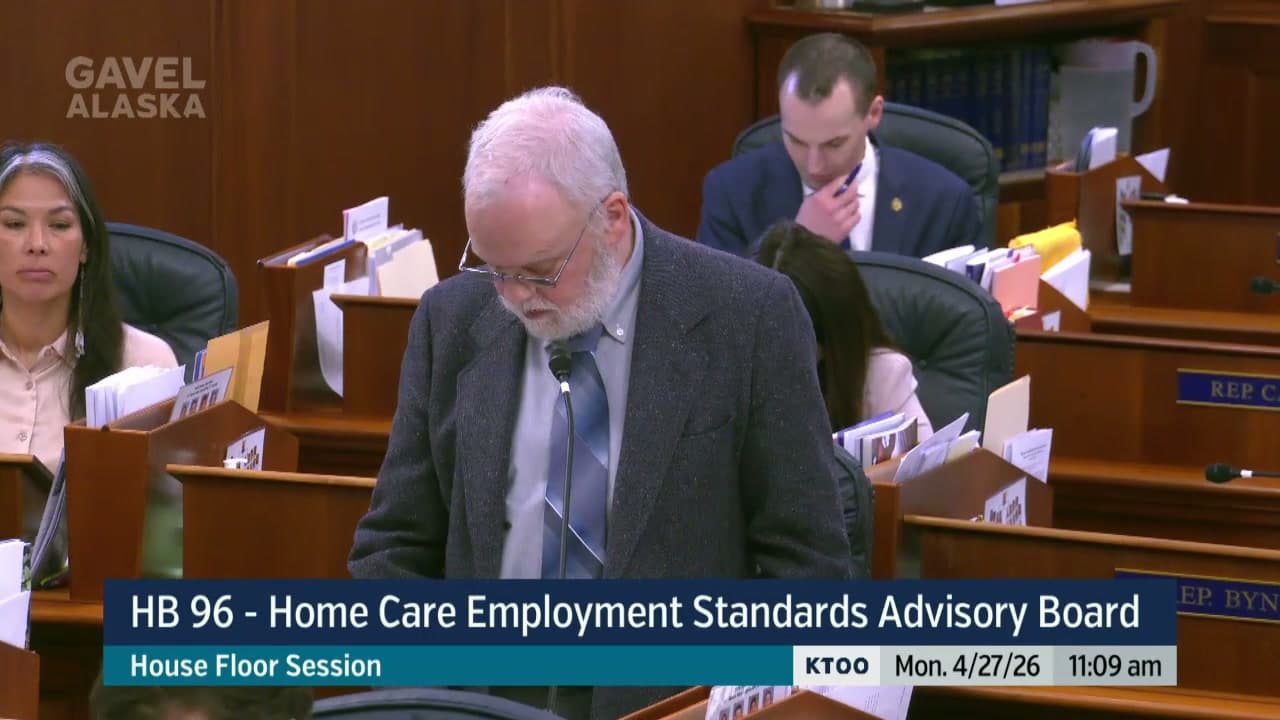
Alaska House schedules June 10 technical session
The Alaska House adjourned Thursday after a minutes-long floor session and set a June 10 technical session. The body will handle procedural matters outside the regular session that ended May 20.
by Walter AlaskaNews4mo ago1 min read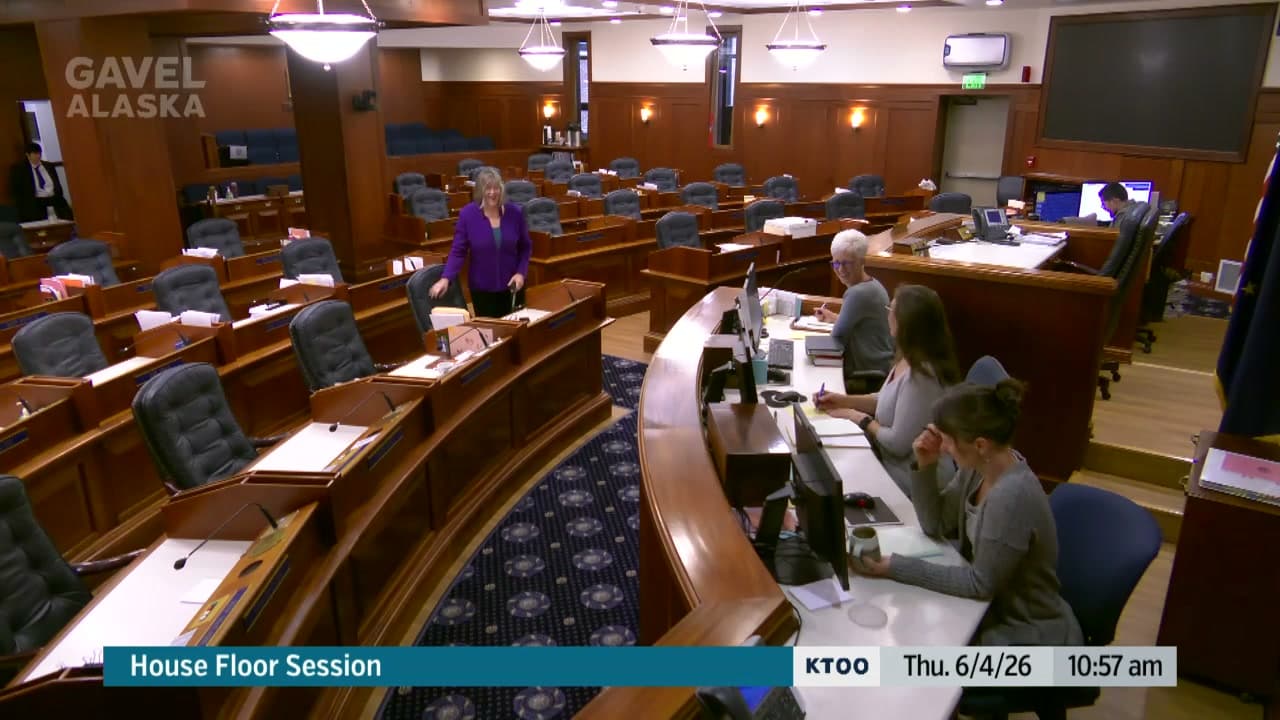
Neal Foster files for House District 39 re-election
State Representative Neal Foster filed for re-election in House District 39. The Democrat emphasized his seniority and his work securing higher dividend payments, heating assistance, and electric subsidies for rural Alaska.
by Walter AlaskaNewsadded 4mo ago2 min read
Chase filing sets up Kotzebue, North Slope rematch in House District 40
Saima Chase’s filing for House District 40 sets up a 2026 rematch with Rep. Robyn Niayuq Burke Frier in a district where geography may matter as much as party.
by Walter AlaskaNews4mo ago2 min read
Boyle files to challenge Holland in high-turnout South Anchorage House Seat.
Former DNR Commissioner John Boyle has filed to challenge Rep. Ky Holland in House District 9, Alaska's highest-turnout House district covering south Anchorage hillside and Turnagain Arm communities.
by Walter AlaskaNews4mo ago2 min read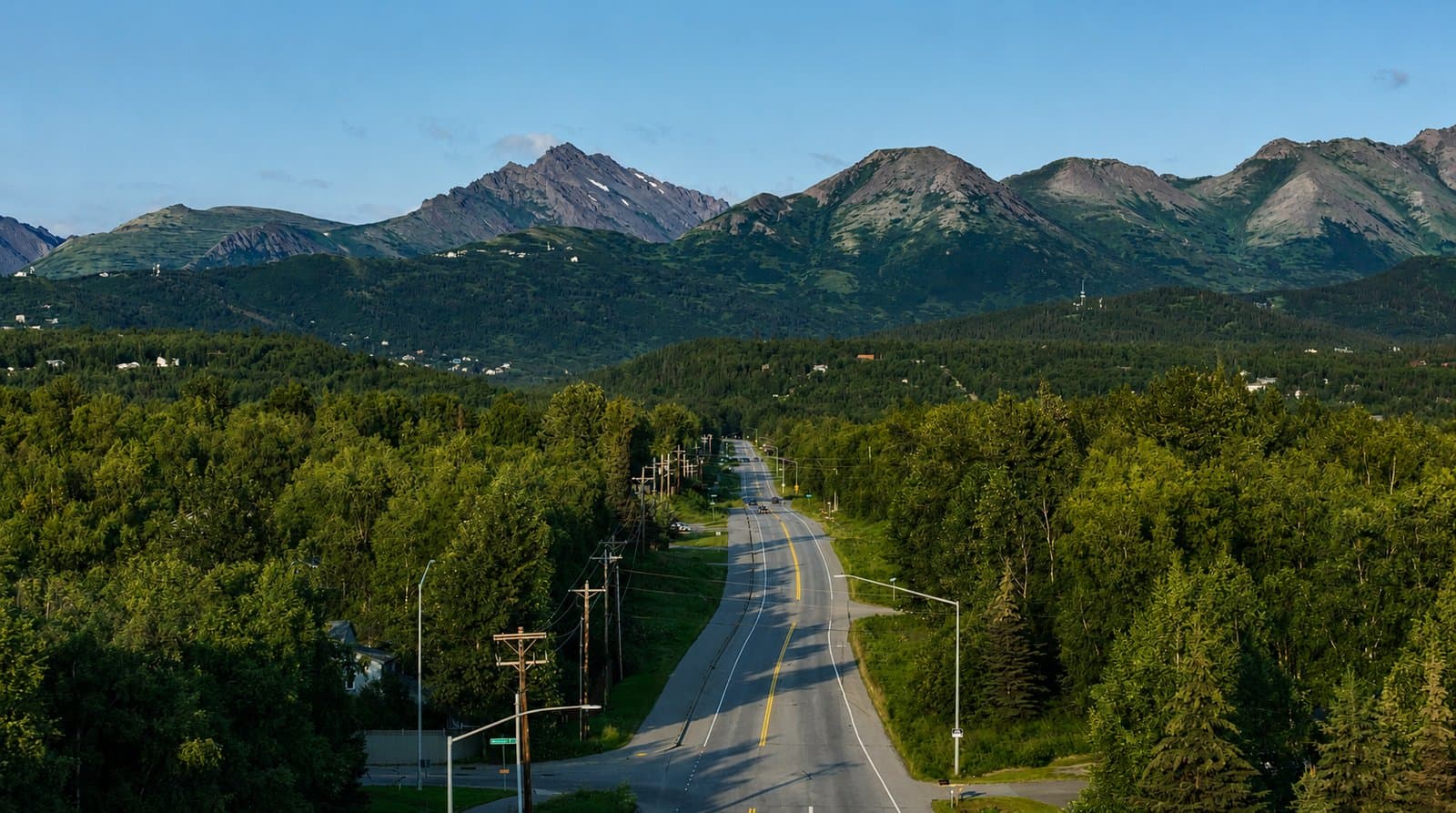
ENSTAR says it locked in a price for Alaska LNG
ENSTAR announces $16/MCF North Slope gas contract price, comparing favorably to LNG imports but representing significant increase over current Cook Inlet costs; Southcentral utilities face 2026-2029 contract expiration deadlines requiring pipeline or import facility decisions.
 by Bill AlaskaNews4mo ago2 min read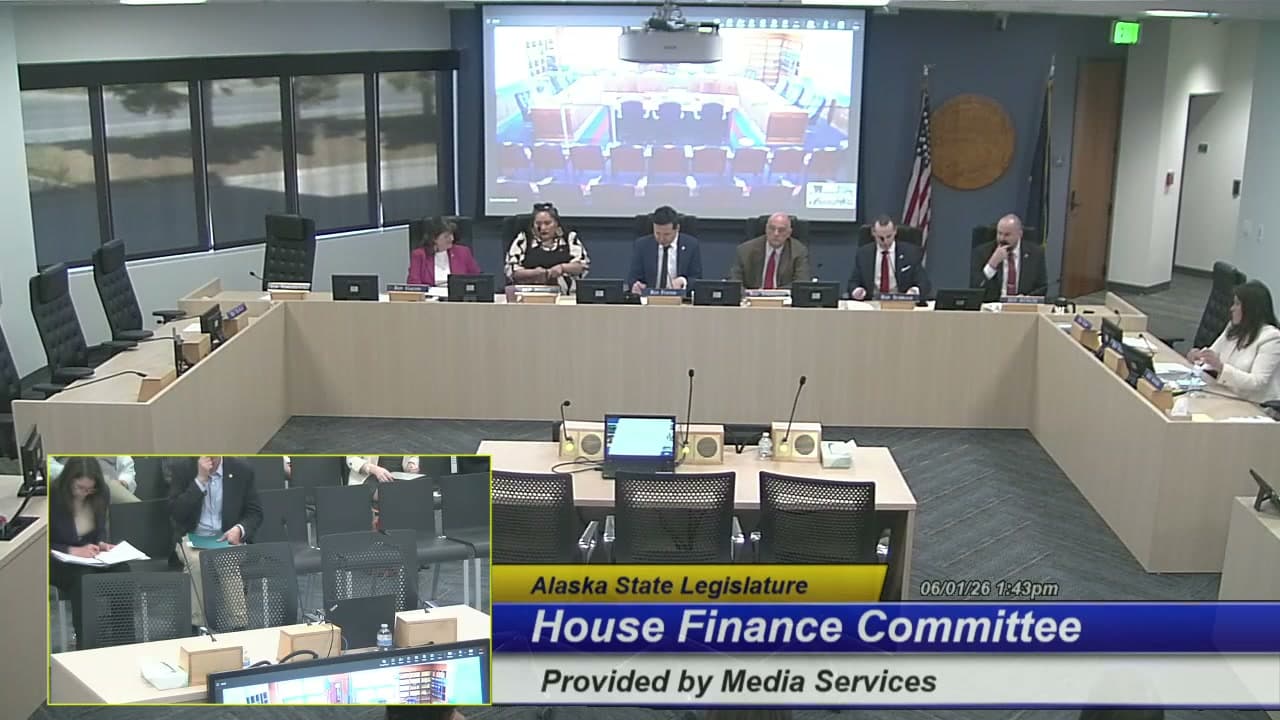
Stapp draws same-party challenge in East Fairbanks House district
Republican incumbent Will Stapp faces a same-party challenge from Seth Church in House District 32, covering East Fairbanks, Fort Wainwright and Badger.
by Walter AlaskaNews4mo ago2 min read
Underwood-Eastman rematch gives Wasilla voters another House District 27 choice
Rep. Jubilee Underwood and former Rep. David Eastman are set for a rematch in House District 27, reprising their 2024 race that Underwood won by 196 votes.
by Walter AlaskaNews4mo ago2 min read
North Slope, Kenai mayors negotiate gas line property tax as House Finance delays bill deadline
Alaska House Finance Committee postpones gas line tax bill amendment deadline as North Slope and Kenai Peninsula Borough mayors negotiate property tax structures with Alaska LNG developers
by Walter AlaskaNews4mo ago4 min read
Alaska House examines $4 billion LNG equity option, Fairbanks spur-line tax break
Alaska House Finance Committee reviews optional state equity investment in Alaska LNG project and property tax relief tied to Fairbanks spur-line construction
by Bill AlaskaNews4mo ago2 min read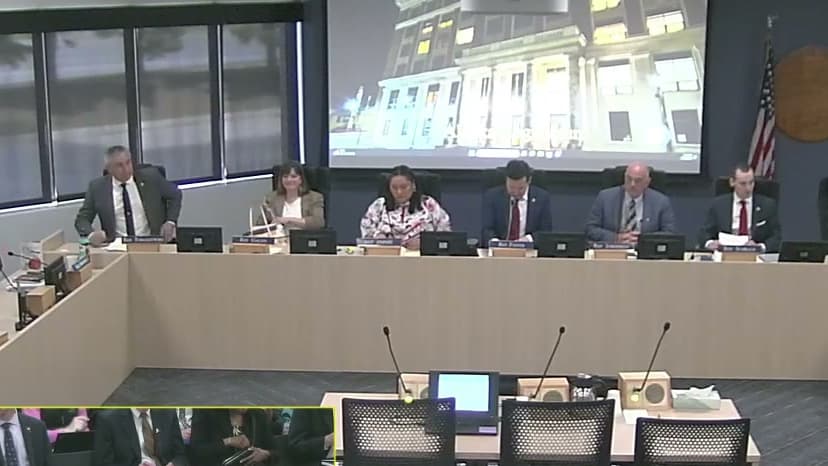
Alaska House passes bill requiring human operators in commercial autonomous vehicles
HB 217 would make Alaska the only U.S. state to ban commercial autonomous vehicles, sparking intense opposition from industry and a detailed 11-page critique from Alaska DOT&PF citing legal and technical concerns with the bill's framework.
by Walter AlaskaNewsadded 4mo ago2 min readAGDC tells House Finance that Alaska property tax is 10 times higher than competing LNG projects
Alaska Gasline Development Corporation testified to the House Finance Committee that Alaska's property tax structure would impose costs roughly 10 times higher than competing LNG projects, with potential annual taxes exceeding $800 million compared to $50 million at the next-highest jurisdiction. AGDC officials said property tax restructuring has been identified as a critical economic lever since 2020, though they acknowledged waiting until late March 2026 to bring legislation forward was a timing mistake.
by Bill AlaskaNews4mo ago3 min read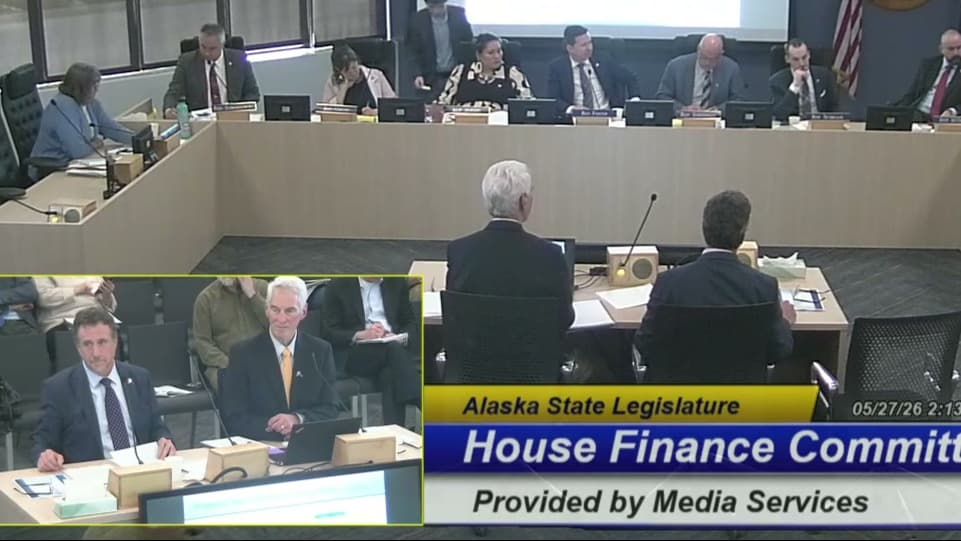
Energy consultant tells House Finance that property tax makes Alaska LNG unfinanceable
House Finance Committee hears testimony on Alaska LNG property tax reform
by Bill AlaskaNews4mo ago3 min read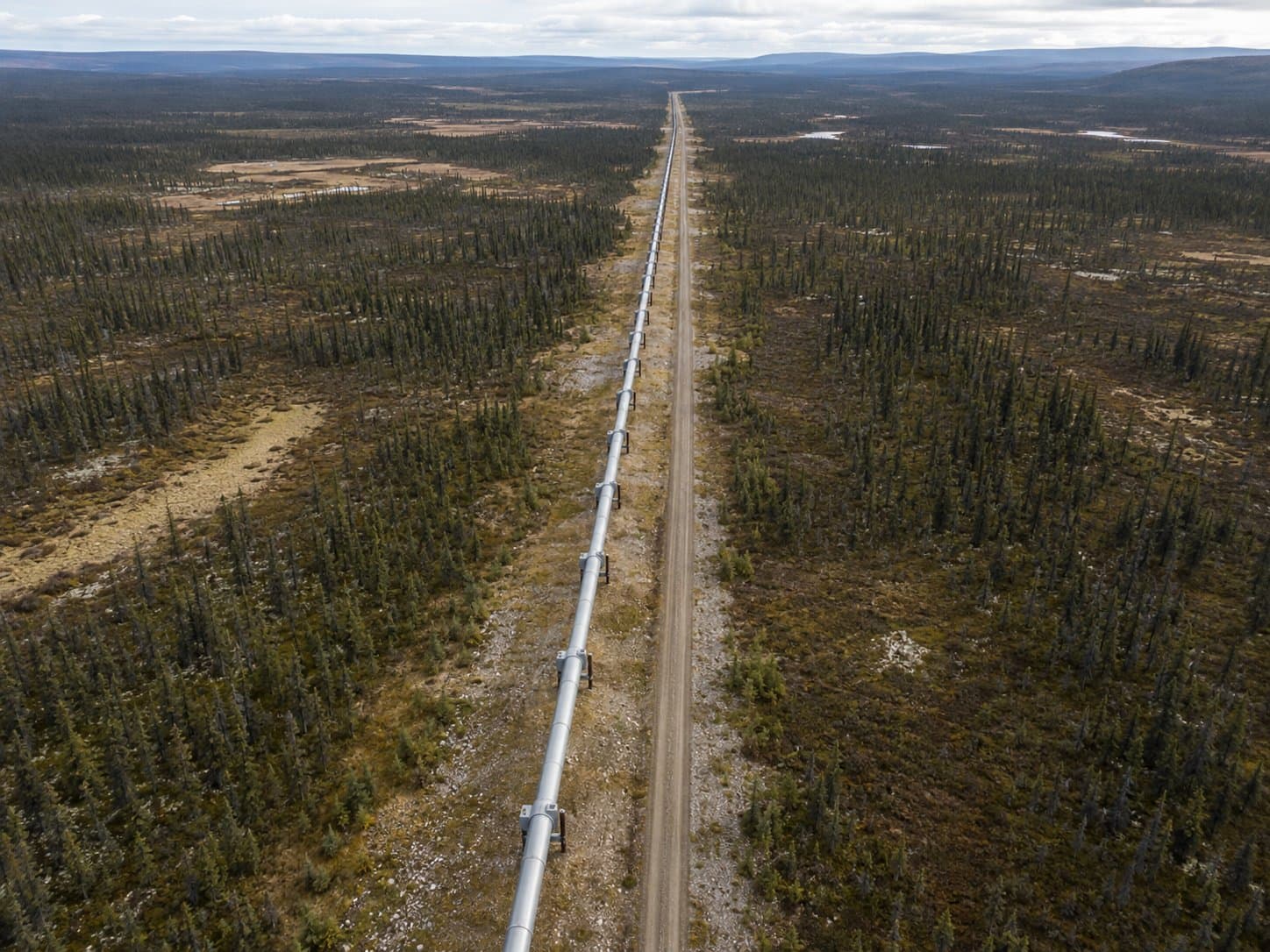
Alaska gas line faces economic challenge even with tax breaks
The Alaska LNG project would struggle to compete in global markets even under the governor's proposed tax relief, with breakeven prices at the high end of current futures markets, according to state modeling presented to the House Finance Committee on Thursday.
by Walter AlaskaNews4mo ago3 min read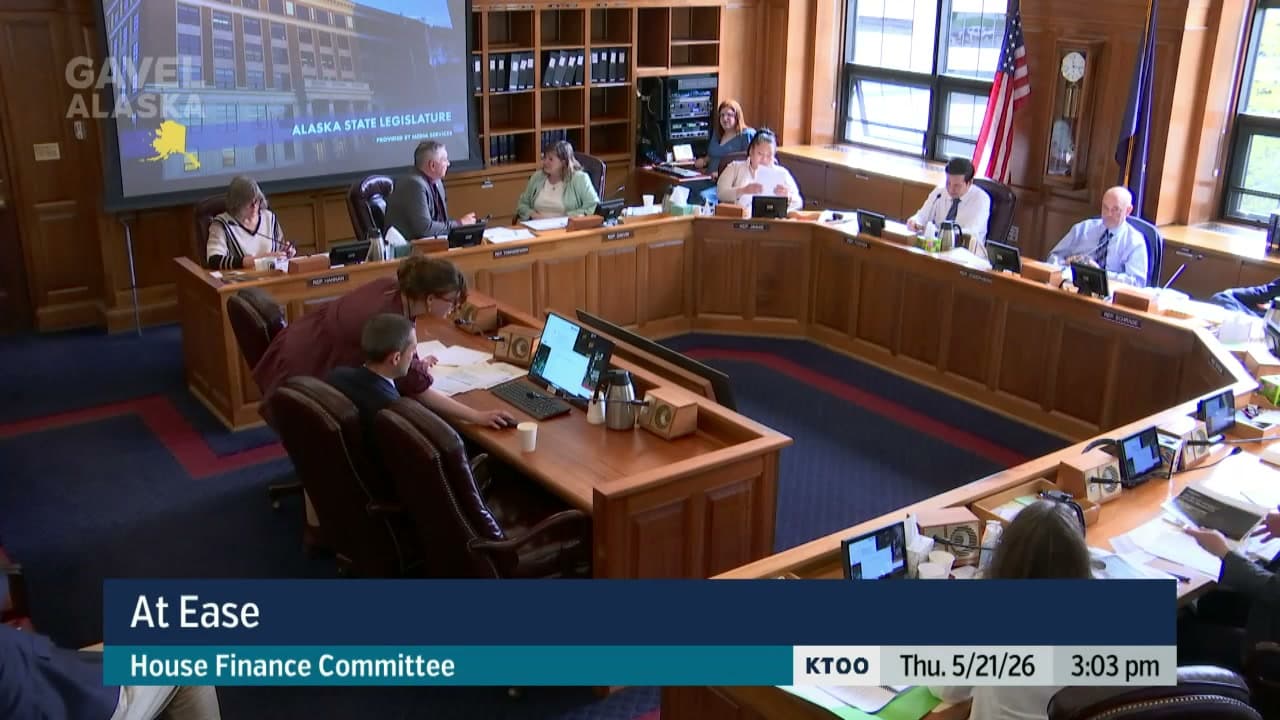
House Resources gas line bill would cost municipalities $13B under governor's plan
The Alaska House Finance Committee heard Thursday that the governor's version of HB 381 would reduce municipal property tax revenue from the Alaska LNG project by over $13 billion compared to current law, while the House Resources version would actually increase municipal revenue by retaining property tax on the gas treatment plant and LNG facility.
by Walter AlaskaNews4mo ago3 min read