Alaska Passes Age of Consent Bill After Weeks-Long Senate Delay
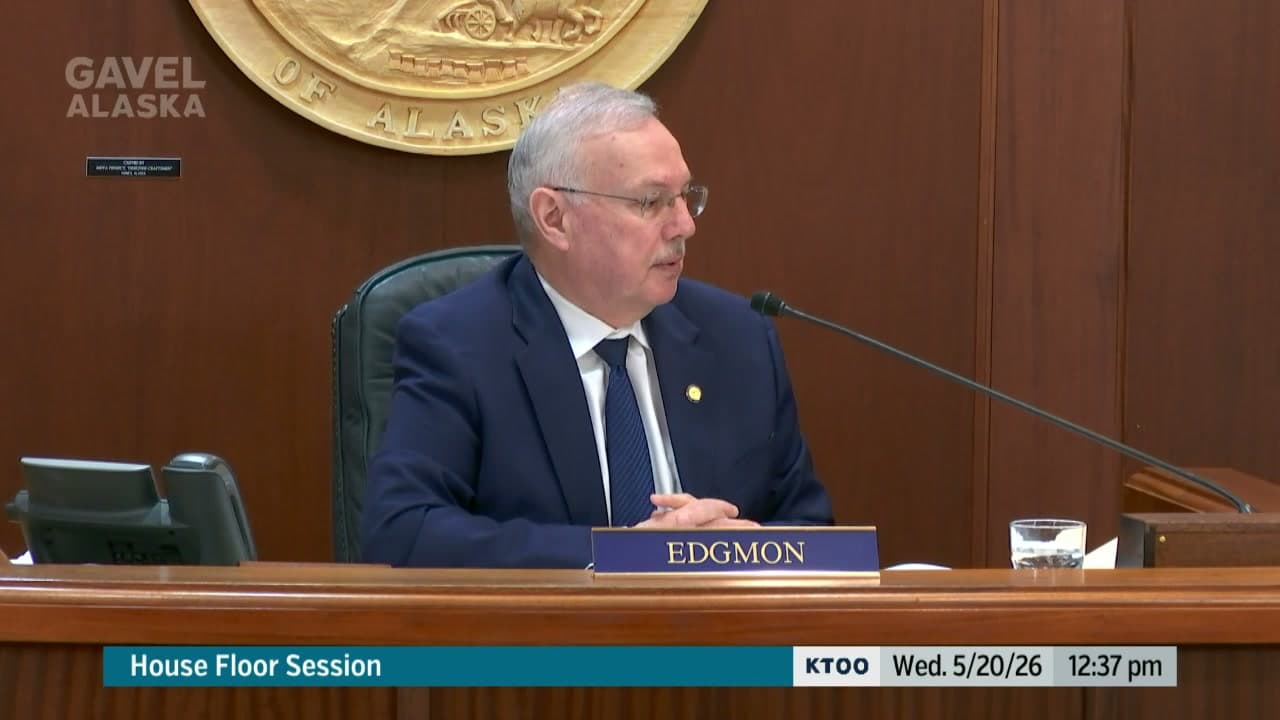
The Alaska House voted 39-1 Wednesday to pass a crime package that raises the state's age of consent from 16 to 18. The measure cleared the Senate and now heads to the governor after weeks of delay that sparked public outcry.
House Bill 101 passed the House 40-0 in February. The Senate did not act on it for weeks. Senator Matt Claman held the measure in committee after what lawmakers described as intense public backlash.
The Senate packaged the age of consent language into House Bill 239, an omnibus crime bill. The House took up the 65-page package on the last day of the regular legislative session.
The age of consent provisions make up most of the bill. The measure includes conforming amendments throughout Alaska law to reflect that 18 is now the age at which a person can consent to sexual activity.
AI-Generated Child Abuse Material
The package criminalizes creation or distribution of AI-generated images depicting children in obscene acts. The provision originated in Senate Bill 247, which passed the House unanimously.
Sarah Vance said people who create AI-generated images of children doing obscene things will be prosecuted and required to register as sex offenders. The measure incorporates the offense into Alaska's sexual felony presumptive sentencing grid.
Sexual Assault and Evidence Processing
The bill makes sexual assault by healthcare workers a standalone crime. It removes a previous requirement that victims be unaware of the assault. The measure establishes new evidence processing timelines for sexual assault examination kits and creates a statewide tracking system.
House Bill 242 and House Bill 62 originated those provisions. Both passed the House unanimously earlier in the session.
Expanded Parole Board and Mail Theft
The Board of Parole expands from five to seven members with new eligibility criteria. The bill authorizes medical release for terminally ill prisoners. It creates an address protection program for domestic violence survivors, peace officers, and correctional officers.
Mail theft becomes a standalone misdemeanor regardless of monetary value. The package adds possession or accessing of obscene material depicting sexual contact with animals as a new category of animal cruelty.
The measure includes provisions for tribal government victim counseling centers to maintain confidentiality privilege with their clients. It addresses counterfeit airbag fraud and creates a criminal offense for knowingly installing or manufacturing counterfeit airbags.
House Bill 81 provisions allow sealing of criminal records for adults convicted of minor marijuana possession offenses that are now legal. The provision requires there were no complicating factors. The measure relocates the Controlled Substances Advisory Committee from the Department of Law to the Department of Commerce.
Process Concerns
Several members expressed concern about the compressed timeline and scope of the final package, but most said they would vote for it anyway.
Dan Saddler said he was not sure if 239 was the bill number or the number of different pieces of legislation stuffed into one bill. He said this was no way to legislate but would vote for the bill despite his concerns about process.
Bill Elam noted the bill grew from a small hit-and-run measure to 65 pages with minimal review time. He questioned whether that approach aligned with due process. DeLena Johnson said taking up an omnibus crime bill on the final day with limited review time was not good practice. She cited unintended consequences from previous criminal justice legislation.
Andy Josephson defended the approach. He said processing the bills through standard committee procedures would require approximately 120 hearings. He said there was no time and noted the Department of Law had no issues with the bill. Chuck Kopp said the bill received assistance from both the court system and the Department of Law throughout the process. Kevin McCabe said he had reviewed the components and found none concerning.
House Bill 239 began as a narrow hit-and-run sentencing measure. The House adopted an effective date clause and a title change resolution for the bill. The measure now awaits action by the governor.
This article is based on a public meeting — HFLR-20260520-1030 ().
AI-assisted. How we use AI Transcript byLucas Brown
Stay informed. Support what matters.
Free, permanent access to local news you can verify. Subscribe to support Walter AlaskaNews and go ad-free.
Related Coverage
Alaska Senate advances sweeping public safety bill with AI child abuse provisions
Alaska News · 4mo ago
Senate Finance hears omnibus crime bill targeting AI child porn, raising age of consent
Alaska News · 4mo ago
Senate Committee Advances Bill to Raise Alaska's Age of Consent Amid Sexual Violence Crisis
Alaska News · 6mo ago
Senate Judiciary hears testimony on crime omnibus combining five bills
Alaska News · 5mo ago
Alaska House passes tobacco age increase, vape tax, cigar lounge exemption
Alaska News · 4mo ago
Comments
Sign in to leave a comment.
No comments yet. Be the first to share your thoughts.