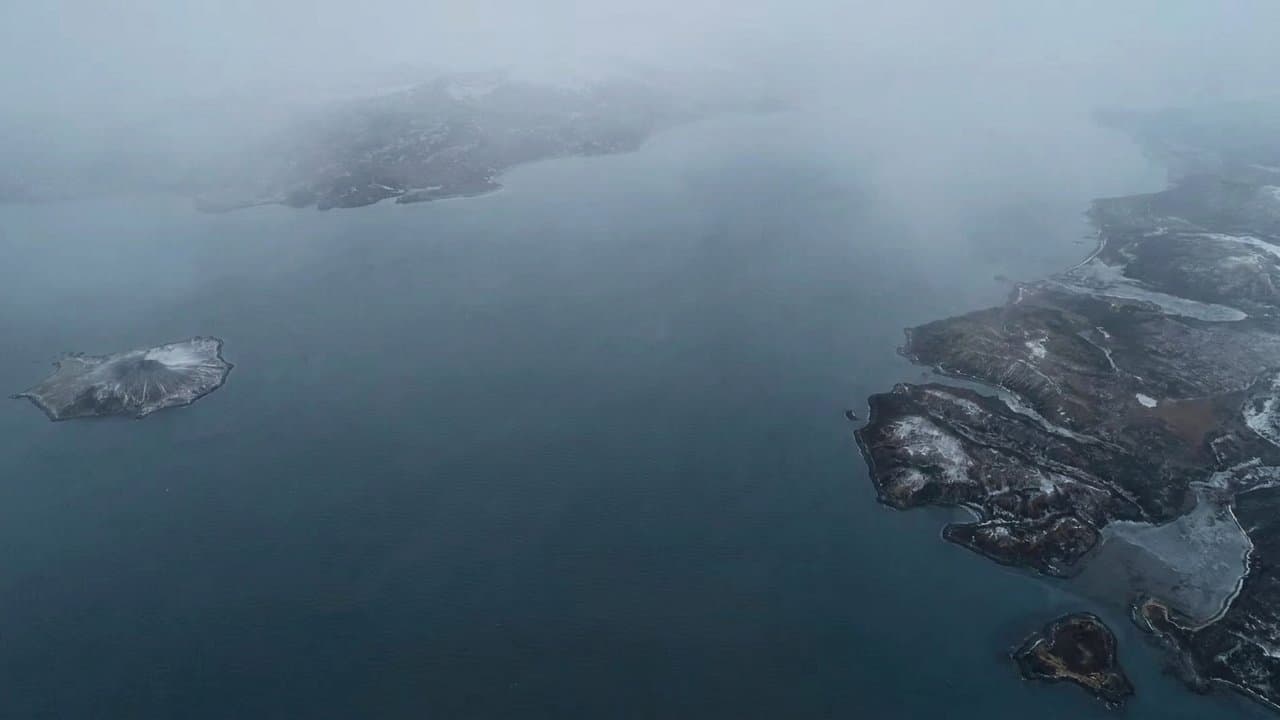
Photo by Howard Herdi on Pexels · Photo source
USDA proposes lifting roadless rule protections on Tongass and Chugach
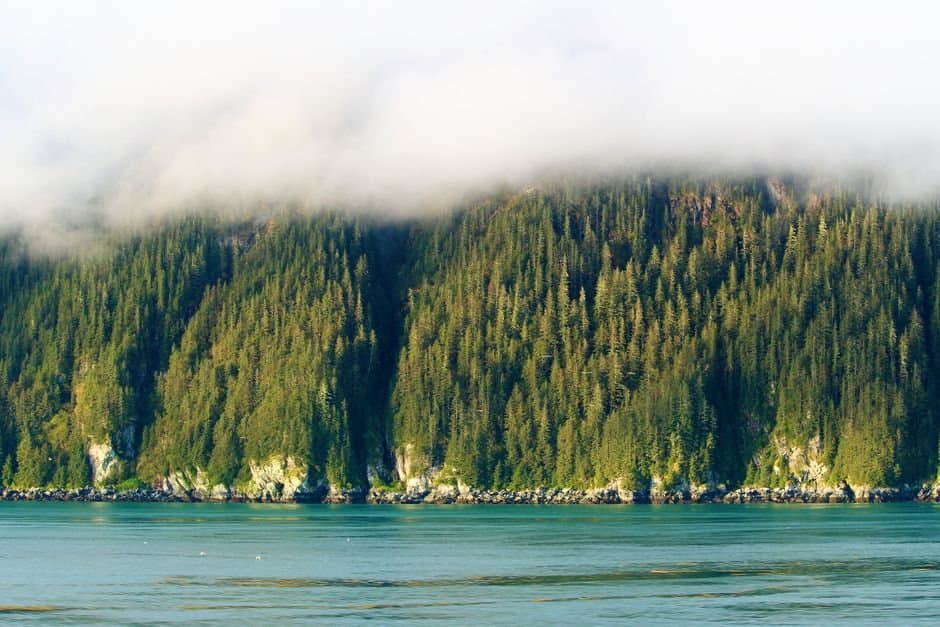
Federal bans on road construction, road reconstruction and timber harvesting inside inventoried roadless areas would end under a proposed rule the U.S. Department of Agriculture announced Aug. 18. In Alaska, the change would affect roughly 9.3 million acres of roadless land in the Tongass National Forest, along with roadless areas in the Chugach National Forest.
Decisions about those acres would shift to the individual forests' own management plans, giving forest leadership discretion over where and when to allow road work, including for wildfire risk reduction.
The 2001 Roadless Rule covers 58.5 million acres nationwide, and Alaska has been at the center of the fight over it since. The Forest Service exempted the entire Tongass in October 2020, removing the 9.3 million acres from roadless designation; USDA repealed that exemption in early 2023. The state challenged the reinstatement, saying the rule "effectively prevents roadbuilding, some road reconstruction and timber harvesting."
USDA's announcement describes the 2001 rule as a "one-size-fits-all restriction" that has frustrated land managers and blocked wildfire risk reduction work. The agency says rescission would not itself require roads or logging anywhere. Agriculture Secretary Brooke Rollins called it an outdated administrative rule that "contradicts the will of Congress."
Pacific Legal Foundation, which represents the Inside Passage Electric Cooperative in litigation over the rule's application to the Tongass, told a House subcommittee in May that the road-building ban has made renewable energy projects serving remote Alaska Native communities uneconomical. The group's Mark Miller testified that the estimated cost of the Kake-Petersburg intertie rose from $17.5 million with road access to $65 million without it.
The Central Council of the Tlingit and Haida Indian Tribes of Alaska, representing more than 38,000 citizens, formally opposes the rescission as applied to the Tongass, citing subsistence resources, cultural and spiritual use areas, watershed integrity and climate resilience.
SalmonState, the Alaska Longline Fishermen's Association, UnCruise Adventures and The Boat Company say rescinding the rule would damage Tongass fisheries and the local economies tied to them.
At a June markup of the Senate Energy and Natural Resources Committee, Chair Lisa Murkowski said of the rule, "It's never been a good fit for us." She said Tongass forest areas remain protected by other laws with or without it. Gov. Mike Dunleavy has welcomed federal moves away from the rule.
Comments on the proposal are due Sept. 21, and a draft environmental impact statement and a cost-benefit analysis are out for review on the same deadline. Comments go to regulations.gov under docket FS-2025-0001, and the Forest Service will also hold subsistence hearings in Alaska.
Rescission would not by itself authorize roads or logging. It would shift management to forest-level planning, and any project would still depend on the applicable plan and on decisions yet to come.
What did you make of this story? (no account needed)
Made by our human newsroom with AI. How humans and AI work here · Grow with our newsroom ·
Keep Alaska News free for everyone.
No paywall, ever. Members pay so everyone can read the meetings and records Alaska News covers.
Get Alaska News in your inbox
Create your free account and get the day’s top stories around 6 each morning, in a few minutes’ read.
Top stories, around 6 each morning.
Stories on what you follow, on Sundays.
Source: U.S. Department of Agriculture, U.S. Department of Agriculture: Special Areas; Roadless Area Conservation.




Comments
Sign in to leave a comment.
No comments yet. Be the first to share your thoughts.