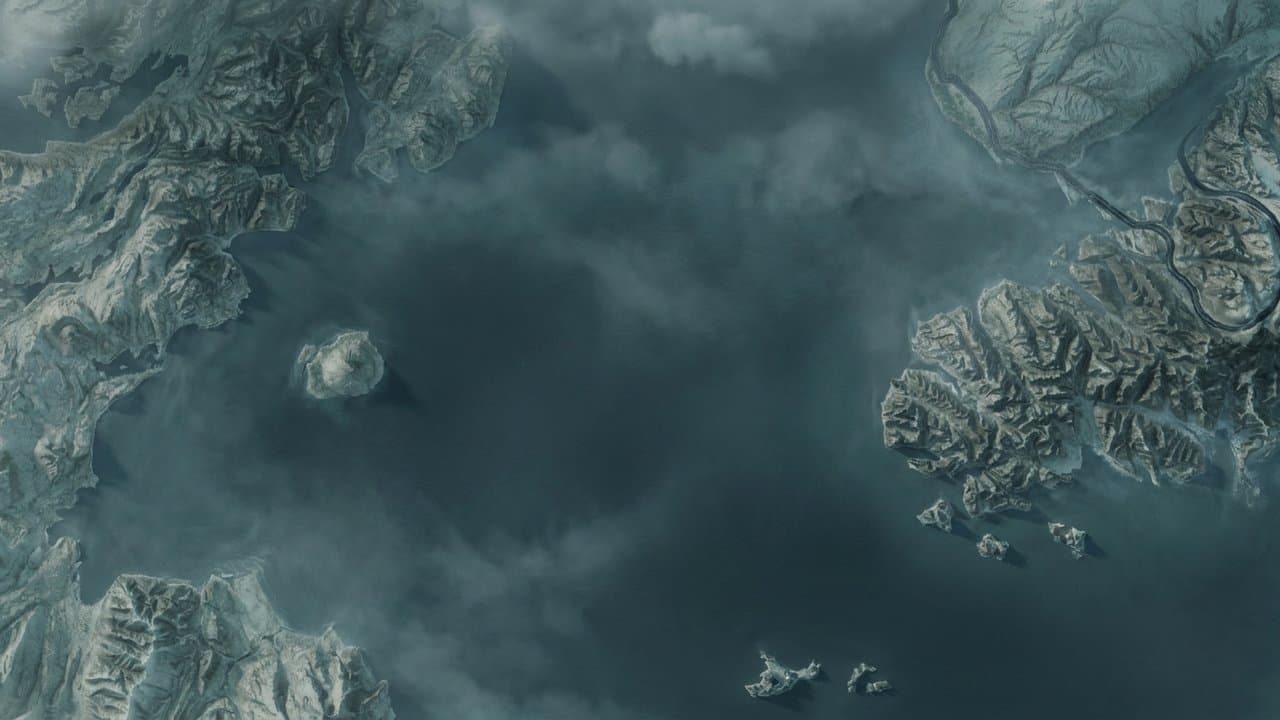
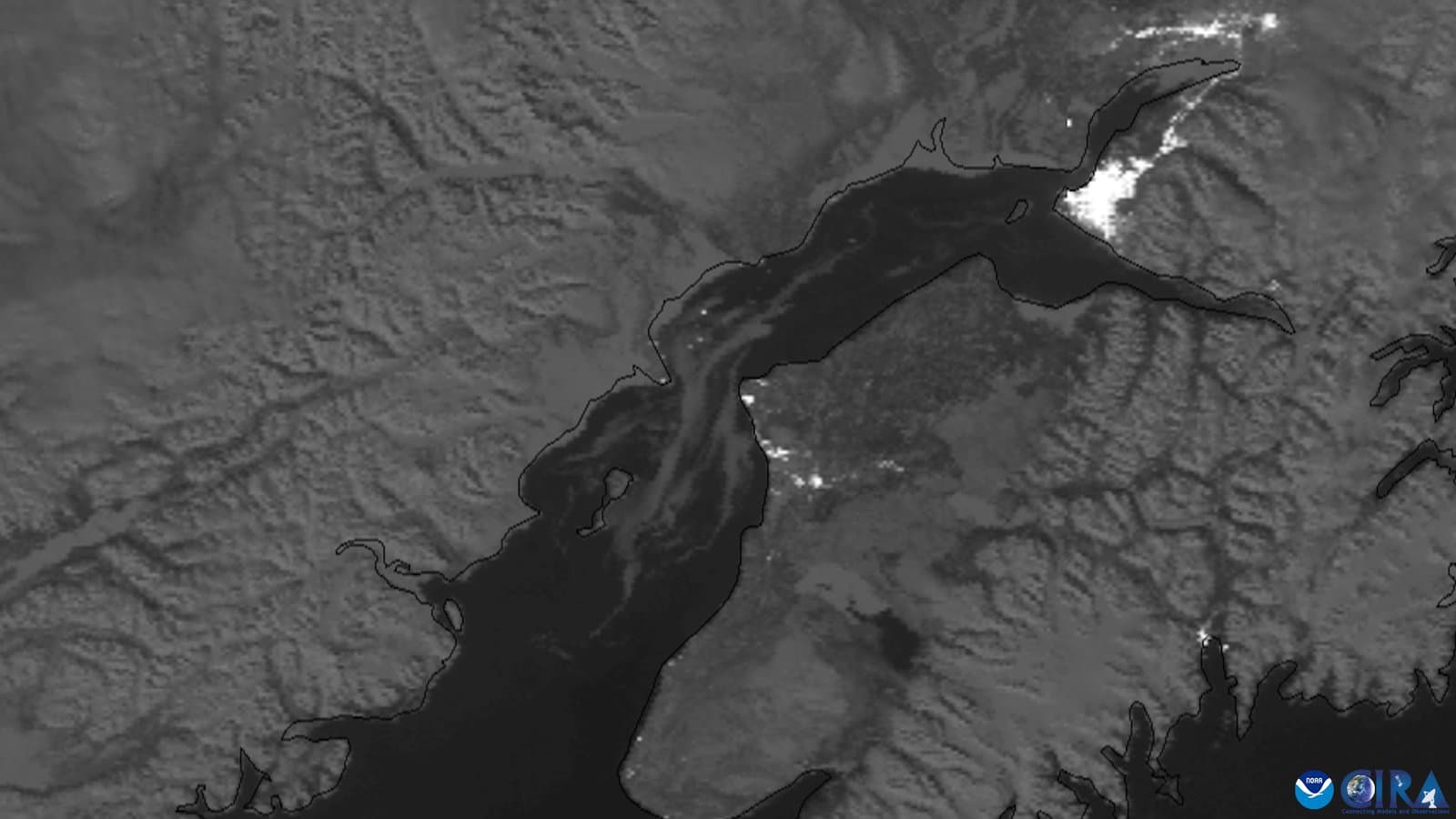
Editorial map (Gemini + Google Maps)
Smaller Kenai run and fuller cushion drive proposed 80% cut for Cook Inlet drifters
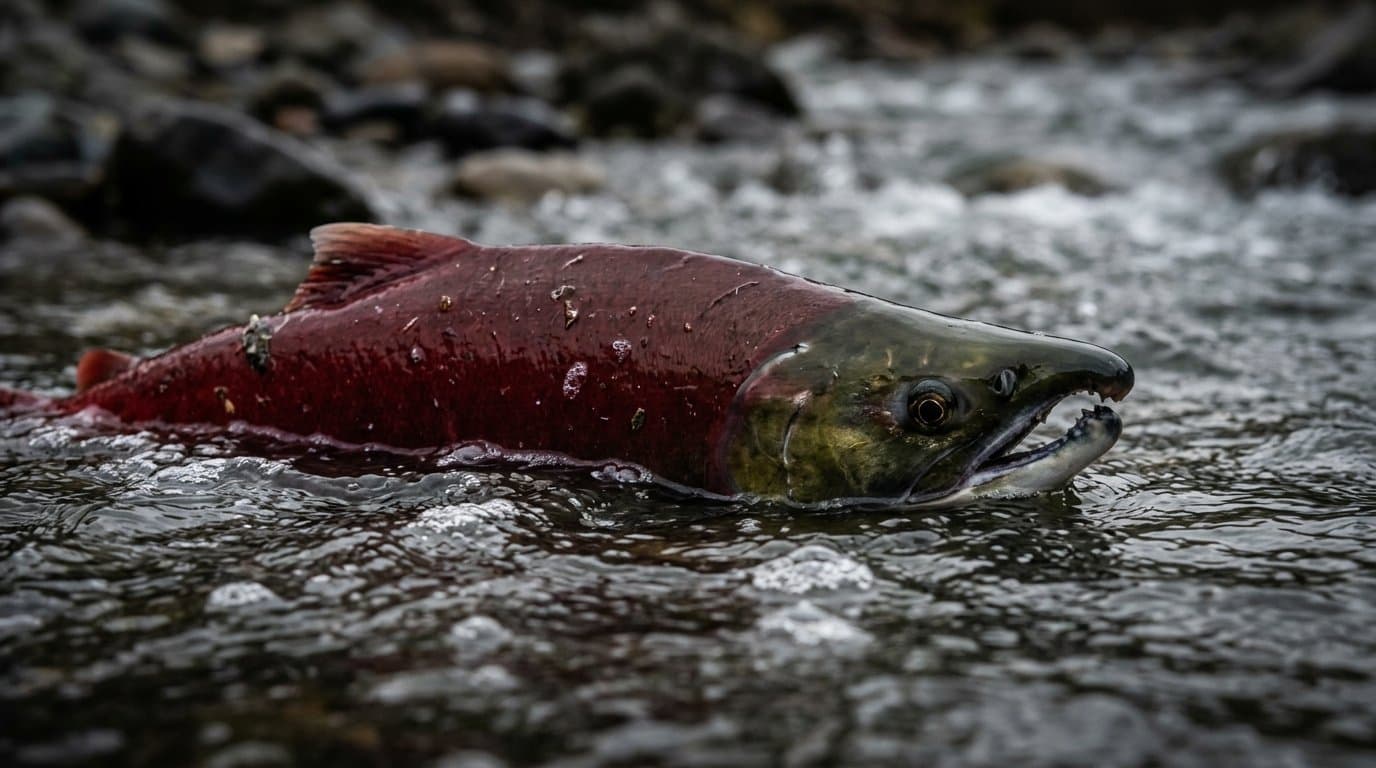
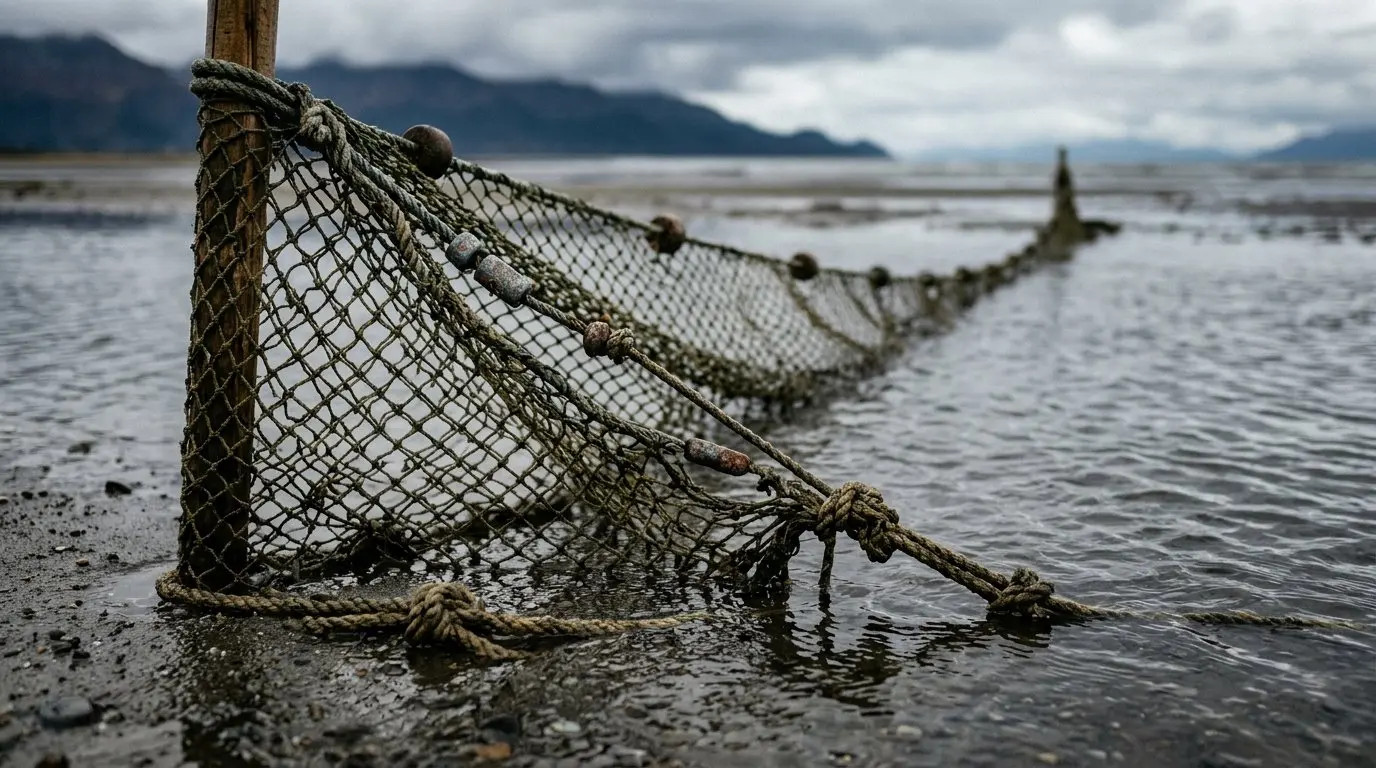
Federal fisheries scientists said in an addendum posted Wednesday that a much smaller expected Kenai River sockeye run and a larger safety cushion are behind their proposal to cut, by about 80%, how many of those fish Cook Inlet's drift gillnet fleet can catch in federal waters next year.
The ceiling would drop to about 184,000 Kenai sockeye in 2027, from about 938,000 this year, under the preliminary numbers posted earlier this month. Boats fishing more than 3 miles offshore caught about 412,000 Kenai sockeye this summer, and sockeye made up nearly all of the fleet's estimated $10.2 million at the dock.
The team estimates this year's Kenai late run at about 2 million sockeye, down from about 8 million in 2025 and well short of the 4.7 million it expected. It forecasts fewer than 3 million for 2027.
The ceiling starts with the sockeye expected to be left for federal waters once enough reach the spawning grounds and state fisheries take their catch. With a smaller run, that number fell about 77%.
The scientists then take a cushion off the top to allow for errors in the forecast and in state catch estimates. For this year, the North Pacific Fishery Management Council's science advisers recommended cutting the Kenai cushion the model produced in half, from about 54% to 27%, citing concern about "the high level of precaution." For 2027, the scientists used the model's full cushion, about 38%, which deepens the cut to about 80%.
The council meets Dec. 4-9 in Anchorage and will recommend proposed 2027 limits, which can be set at or below the ceiling. Written comments are due Friday.
The science advisers could decide in February whether adjusting the cushions is warranted, once updated catch records and the state's season summary are in, before the council recommends final limits. The agency plans to publish them before the federal fishery opens June 21.
What did you make of this story? (no account needed)
Made by our human newsroom with AI. Reviewed by Cale Green. How humans and AI work here · Grow with our newsroom ·
Keep Alaska News free for everyone.
No paywall, ever. Members pay so everyone can read the meetings and records Alaska News covers.
Get Alaska News in your inbox
Create your free account and get the day’s top stories around 6 each morning, in a few minutes’ read.
Top stories, around 6 each morning.
Stories on what you follow, on Sundays.
Source: Pacific Fishery Management Council.



Comments
Sign in to leave a comment.
No comments yet. Be the first to share your thoughts.