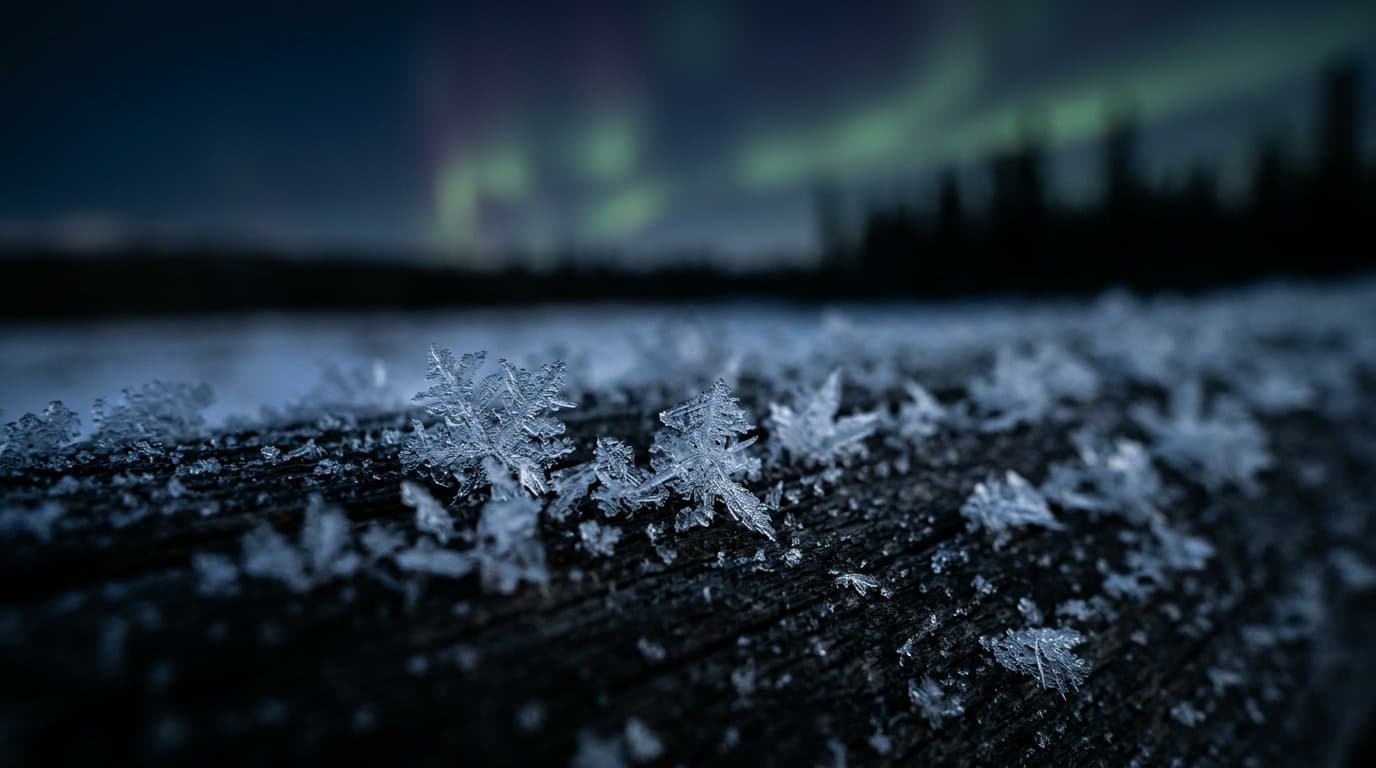
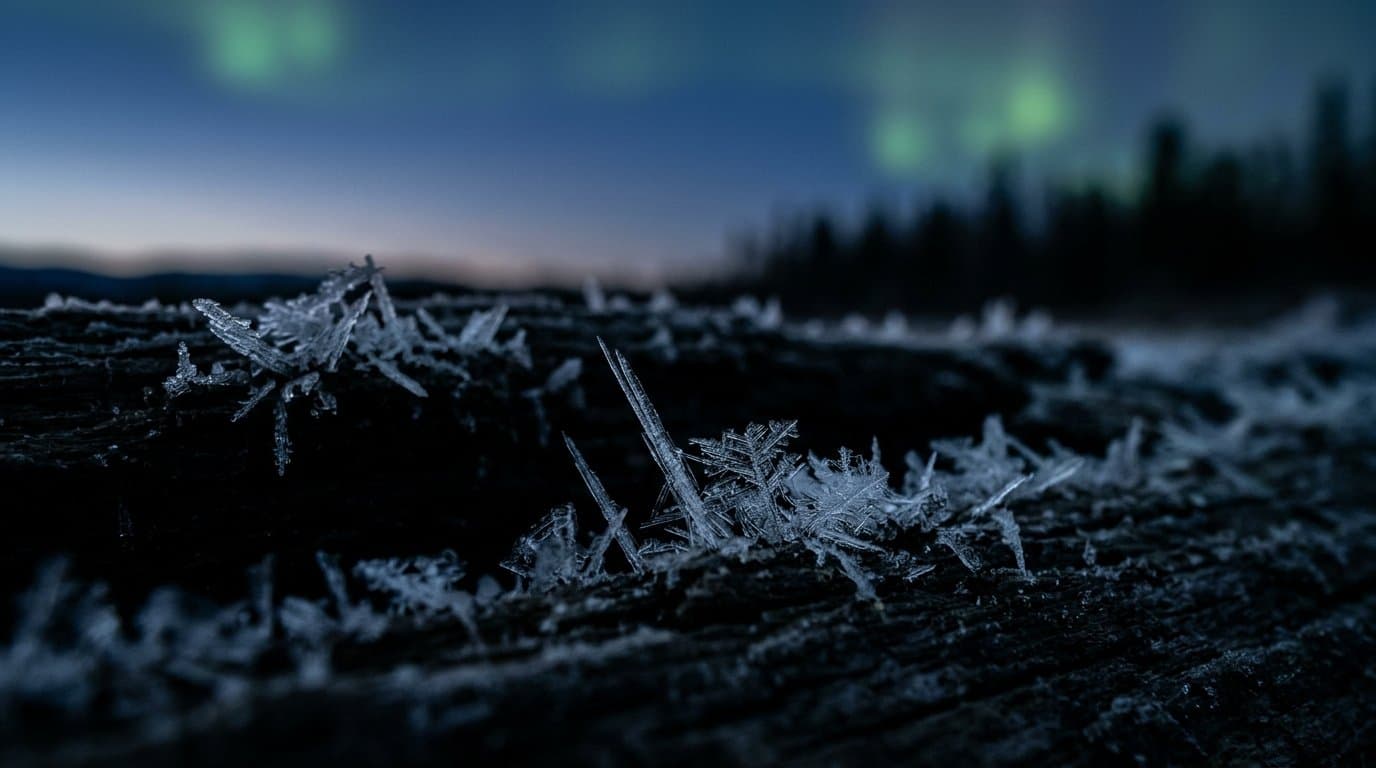
AI image
Northern lights are possible 6 to 9 pm Saturday, with the clearest skies in Glennallen and Tok
A minor geomagnetic storm could bring northern lights to much of Alaska Saturday, Nov. 7, with NOAA's Space Weather Prediction Center expecting the strongest activity from 6 to 9 pm Alaska time. National Weather Service forecasts give Glennallen and Tok the clearest skies during those hours.
NOAA expects the planetary K index, a measure of geomagnetic activity, to reach 5 during that window, a G1 or minor storm. It should ease to 4 from 9 pm to midnight and to about 3 after that. The storm is already under way: NOAA recorded a K index of 5 at 10:45 am Saturday. A G1 watch NOAA issued late Friday predicts G1 levels on each of the next three days.
NOAA's forecast discussion attributes the activity to a fast stream of solar wind from a coronal hole, a long-lasting source of high-speed solar wind on the sun. It says G2, or moderate, levels are possible.
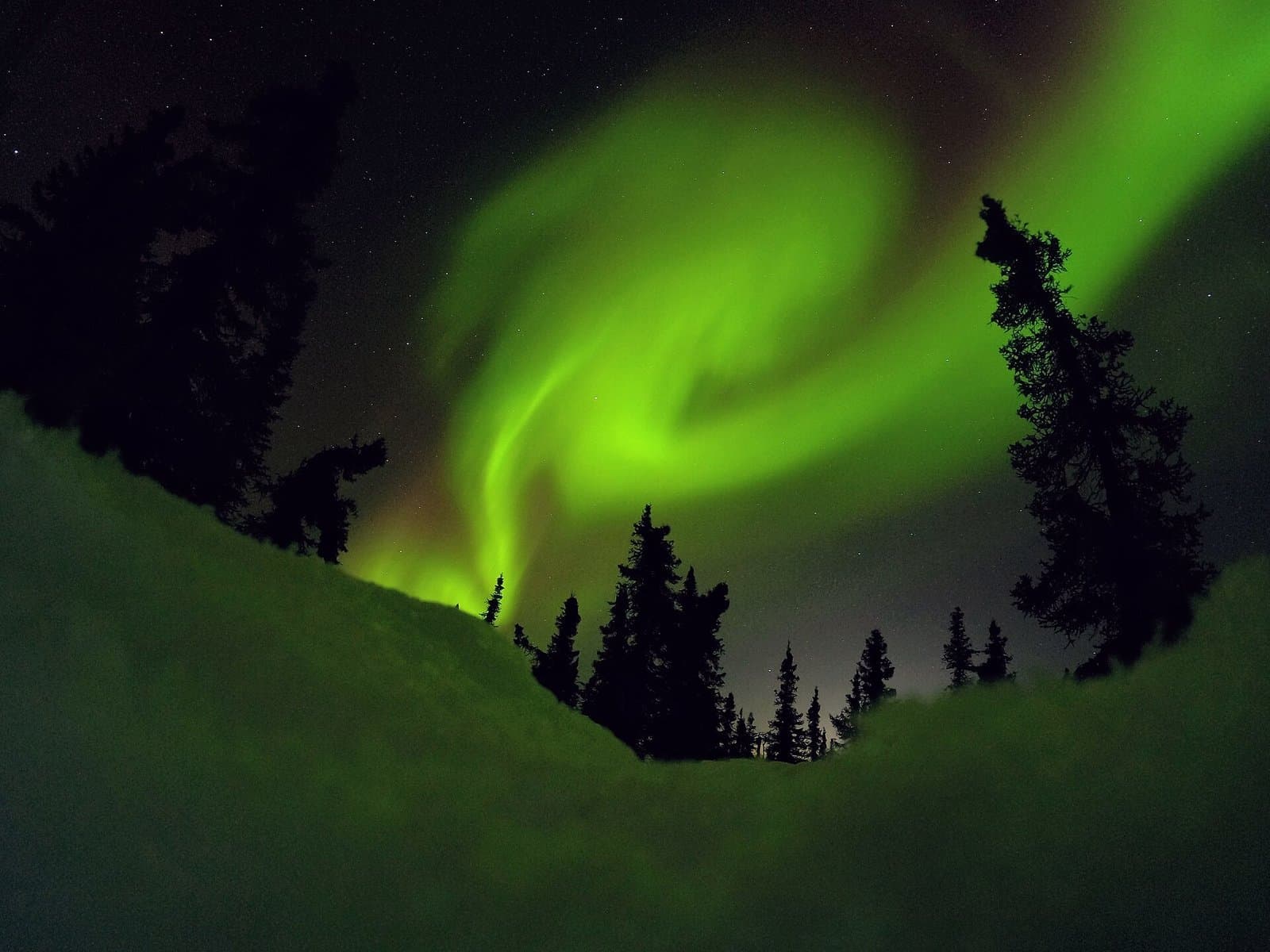
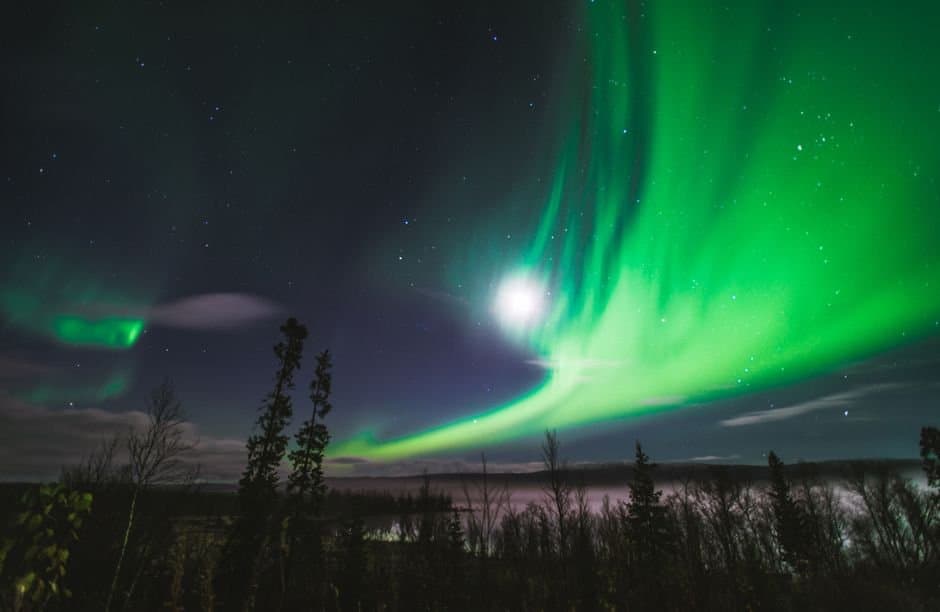
At K5, the aurora typically reaches as far south as Anchorage and Juneau. In Tok, the lights would appear overhead or high in the sky. Glennallen, Wasilla and Anchorage sit near the southern edge, so viewers there should look for a glow low on the northern horizon.
Civil twilight ends around 4:55 pm in Tok, 5:10 pm in Glennallen and 5:30 pm in Wasilla and Anchorage, with full dark roughly an hour later. The thin crescent moon stays below the horizon all night.
Clouds are the biggest question. The weather service forecasts about 40% cloud cover over Glennallen from 6 to 9 pm, rising to 50% by midnight. Tok should see about 52% early, then 66% before turning overcast, so viewers there should go early. Anchorage stays about 70% cloudy through 9 pm and Wasilla about 72%, with clearer skies coming only after NOAA expects activity to ease. Fairbanks, Delta Junction, Nome, Utqiaġvik, Soldotna and Juneau are forecast mostly cloudy to overcast.
The usual advice applies: get away from town lights, find an open view to the north and seek higher ground. Near Anchorage, guides name Glen Alps Overlook at the end of Toilsome Road, Point Woronzof and the Eklutna Tailrace and Knik River Valley, where Visit Anchorage says no mountains block the northern horizon. In the Mat-Su, guides name the viewing tower at Reflections Lake on the Palmer Hay Flats, Hatcher Pass, Willow and Big Lake. Travel Alaska calls Glennallen a good winter vantage point but names no specific spot there or in Tok; pullouts with a clear north view away from highway lights are the general rule.
The aurora brightens only when the magnetic field in the solar wind turns and stays southward, which NOAA cannot forecast hours ahead, and a coronal hole stream can arrive weaker than predicted. Check NOAA's 30-minute aurora forecast and a satellite or webcam view before driving anywhere.
A week earlier, on Oct. 31, another minor storm was forecast to bring northern lights to Fairbanks and Nome.
What did you make of this story? (no account needed)
Made by our human newsroom with AI. How humans and AI work here · Grow with our newsroom ·
Get Alaska News in your inbox
Create your free account and get the day’s top stories around 6 each morning, in a few minutes’ read.
Top stories, around 6 each morning.
Stories on what you follow, on Sundays.
Source: NOAA Space Weather Prediction Center, Northern lights possible 6 to 9 p.m. Alaska time Saturday; Glennallen and Tok have the best sky.









Comments
Sign in to leave a comment.
No comments yet. Be the first to share your thoughts.