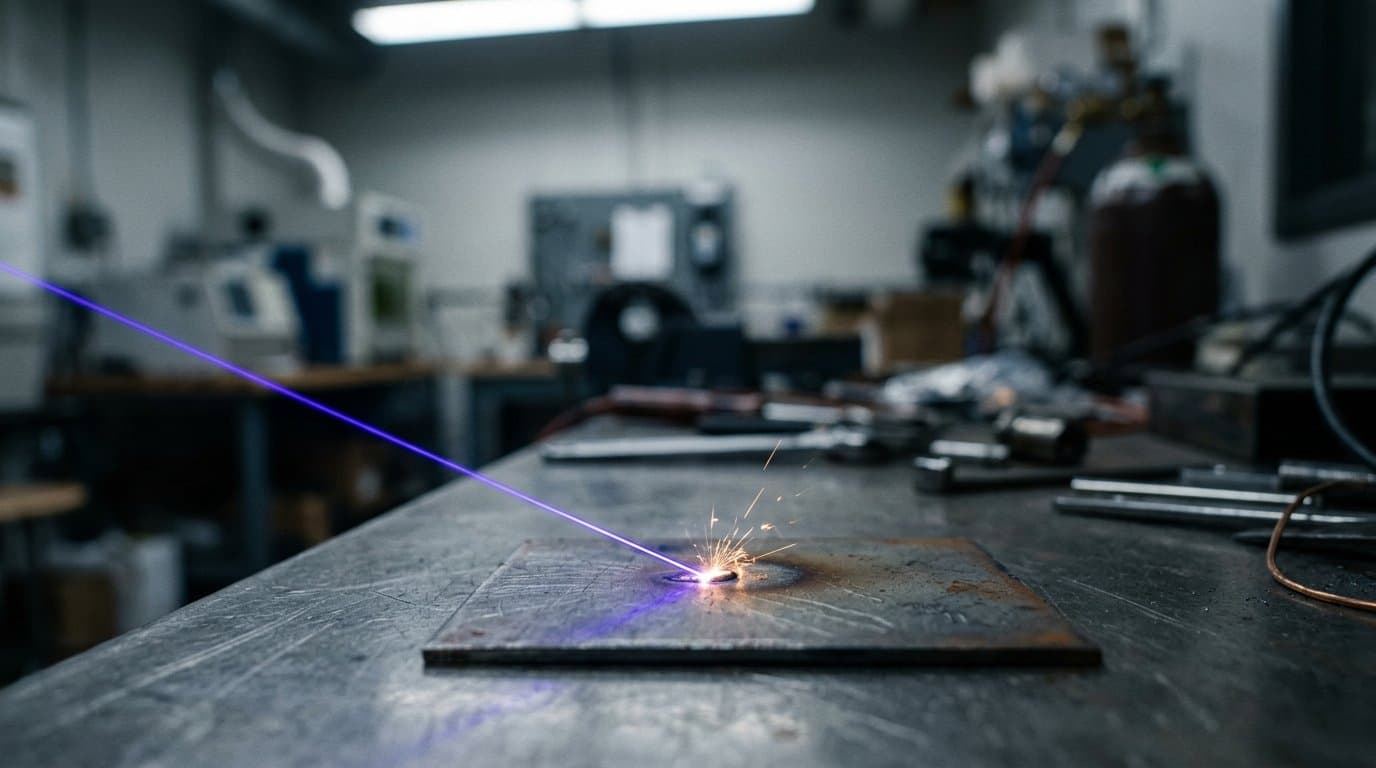
AI image
Alaska repeals its 1971 laser safety rules, which still listed asbestos as a beam stop
The Alaska Department of Environmental Conservation repealed the state's laser protection standards Oct. 7. The repeal takes effect Nov. 8.
DEC says it has no regulatory program for lasers. In its regulatory reform plan, the department said the laser standards seem to have ended up in its rules because laser light is radiation, though not the ionizing kind, like radioactive material, that the rest of the chapter focuses on. Repealing them "would relieve potential confusion the public may have regarding DEC's role in regulation of lasers," the plan says.
The repeal is one piece of that plan, which aims to cut DEC's discretionary rules by 20% by the end of 2026, Alaska News reported. Gov. Mike Dunleavy's Administrative Order 360 directs state agencies to cut regulatory requirements 15% by the end of this year and 25% by the end of 2027.
The rules date to September 1971, and only one section has been amended since. They set limits on how much laser light can reach the eye and required warning signs, beam stops and cleared areas around open beams. Among the requirements: Carbon dioxide lasers needed a backstop of "firebrick, asbestos, or other fire retardant material." Lasers with power in the megawatt and gigawatt range, such as pulsed ruby lasers, should be fired by remote control and watched "through protective shields or by television." Operating a laser in "rain, snow, fog, or dust" called for "extreme caution."
No one commented. DEC took written comments through Sept. 11 and received none, according to the order adopting the repeal. The department's notice said only that "the intended effect of this repeal is to eliminate regulations related to laser protection standards." A form filed with the proposal estimated no added costs for private people, municipalities or the state. The repeal is handled by DEC's Solid Waste Program.
How lasers ended up at DEC
The laser rules sit in the radiation chapter of DEC's regulations. Until 1978, DEC's own statutes included sections on "electronic product radiation." That year, the Legislature repealed them, and the state code now points to the radiation protection law run by the Department of Health.
That law covers "electronic product radiation," which it defines to include non-ionizing electromagnetic radiation from electronic products. The health department's radiation rules cover X-ray machines and industrial radiography, but they do not mention lasers.
Most of DEC's radiation chapter is already gone. Its X-ray, industrial radiography and microwave oven sections have been repealed. Once the laser sections go, what remains deals with radioactive material: releases into uncontrolled areas, disposal by sewer, burial or incineration, and transport within the state.
When the Journal of Laser Applications surveyed state laser rules in 1999, it called Alaska's "some of the oldest published" and said, "Minimal enforcement is made on the existing regulation."
What still applies
The state labor department's safety data sheet on lasers cites construction rules requiring that "only qualified and trained employees" install, adjust and operate laser equipment, and that employers provide "antilaser eye protection" to workers who could be exposed. The federal Food and Drug Administration sets performance standards that laser products must meet.
One of the repealed rules barred tracking occupied aircraft, vehicles and boats with a laser within a hazardous distance unless the people inside were protected and warned. Pointing a laser at an aircraft remains a federal crime, according to the FAA. Pilots reported 23 laser incidents in Alaska in 2025, out of 10,993 nationwide, and 23 more in the first eight months of 2026, according to FAA data. None of the Alaska reports listed an injury.
Source: DEC files regulations repealing laser protection standards under Title 18 AAC.
Made by our human newsroom with AI. Reviewed by Cale Green. How humans and AI work here · Grow with our newsroom
Stay informed. Support what matters.
Free, permanent access to local news you can verify. Subscribe to support Walter AlaskaNews and go ad-free.
Related Coverage
DEC plans to cut 20% of its discretionary rules by year's end under Dunleavy order
Alaska News · 18h ago
Alaska may let unlicensed eye-clinic staff do routine eye care, with no set training standard
Alaska News · 1mo ago
Fish and Game plans to cut about 50 of its own rules by year's end
Alaska News · 1mo ago
Alaska moves to cut library and museum rules, over public objections
Alaska News · 1mo ago
Three quarters of Alaska's planned college-rule cuts fall on student aid
Alaska News · 1mo ago
Comments
Sign in to leave a comment.
No comments yet. Be the first to share your thoughts.