Alaska’s meetings, filings, and public notices, covered daily.
Alaska News

Peltola's campaign, Republican groups supporting Sullivan and a national progressive nonprofit network are running Senate race messaging through Alaska news-style brands.
Also in Alaska News
Kenai Peninsula students in career and technical programs reached a 97 percent graduation rate while earning industry certifications.

Where in Alaska are you?
We’ll put news from your area first. No account needed, change it anytime.
Construction crews on Palmer-area highways starting at 6 a.m. on April 23 caused two-hour commute delays, with no end date announced yet.
Valdez Planning and Zoning Commission meets tonight at 7 PM in City Hall to review permits, variances, and subdivisions as part of an ongoing zoning code update.
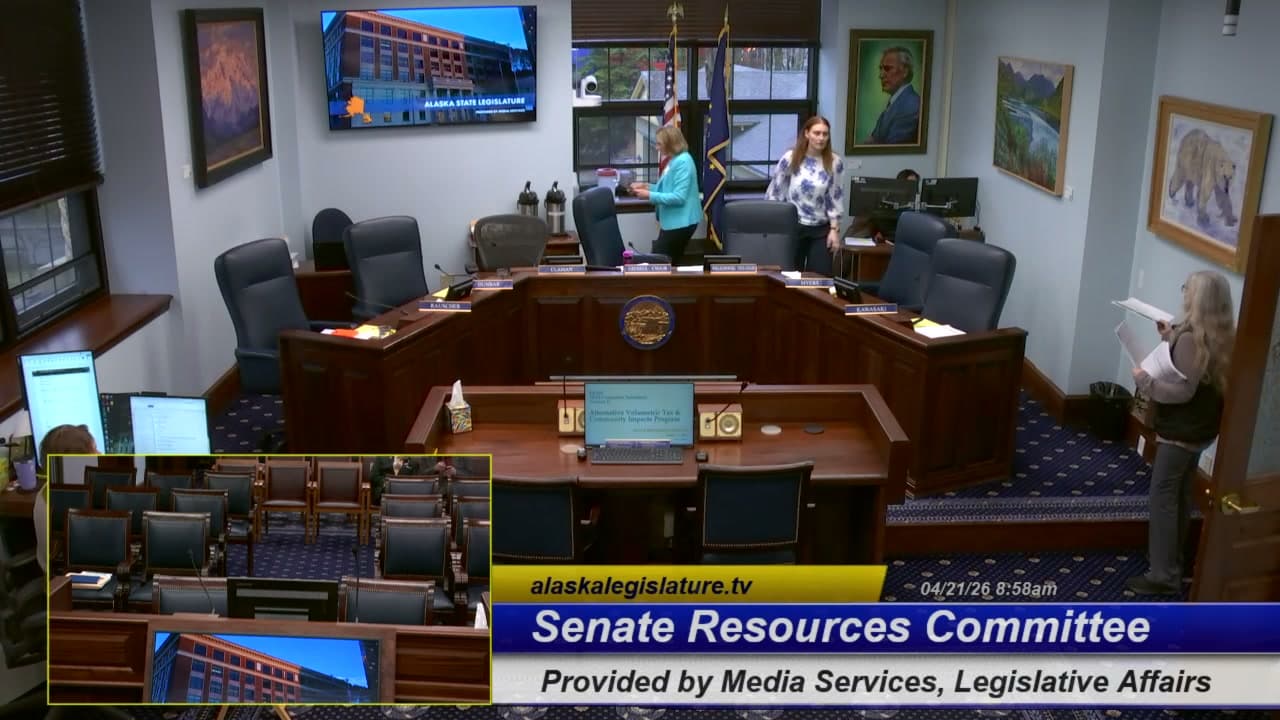
The Senate Resources Committee advanced a bill to legalize set gillnet cooperatives and mandate electronic monitoring on trawl vessels.

Alaska Airlines pilots worry the Hawaiian merger will delay their access to widebody aircraft, as seniority list integration begins following Hawaiian's flight code retirement on April 22.
Thawing permafrost in Alaska uplands releases methane three times faster than wetlands, surprising researchers. • Coastal erosion from warming threatens Alaska Native villages with relocation and subsistence disruption.
Alaska's mines released over 450,000 pounds of mercury in 2018, the most in the nation, contaminating rivers that villages depend on for drinking water and subsistence fishing.
Rural Alaskans pay three to five times more for electricity than urban residents because remote villages rely on expensive diesel microgrids, despite state renewable energy plans.

Interior hunters are reporting early black bear harvests as spring season opens, with the state tracking kills to manage predator populations and protect moose herds.
Remote Alaska villages paid an average of $6.63 per gallon for gasoline this winter, straining household budgets as barge transport and small order volumes drive costs far above road-connected areas.
Alaska fish processors are turning salmon skins and other byproducts into pet food, converting waste that once cost money to dispose of into a new revenue stream.

163 Alaskans await organ transplants, mostly kidneys, while the state lacks transplant programs and forces patients to travel to Washington for surgery.
Alaska's parole board approved 85% of recent discretionary parole applications, reversing years of declining approval rates as prisoner programming improved after COVID disruptions.
Alaska's scholarship program faces funding shortfalls through 2029 after the state expanded eligibility last year and more students applied, forcing potential cuts to both merit and need-based aid.
Alaska school districts cannot fill 200 special education teaching positions, forcing some schools to operate without a resident special education teacher.
Alaska's $2.9 billion reserve fund ranks second nationally, but the state is shifting away from oil revenue and increasingly relying on permanent fund earnings to balance its budget.

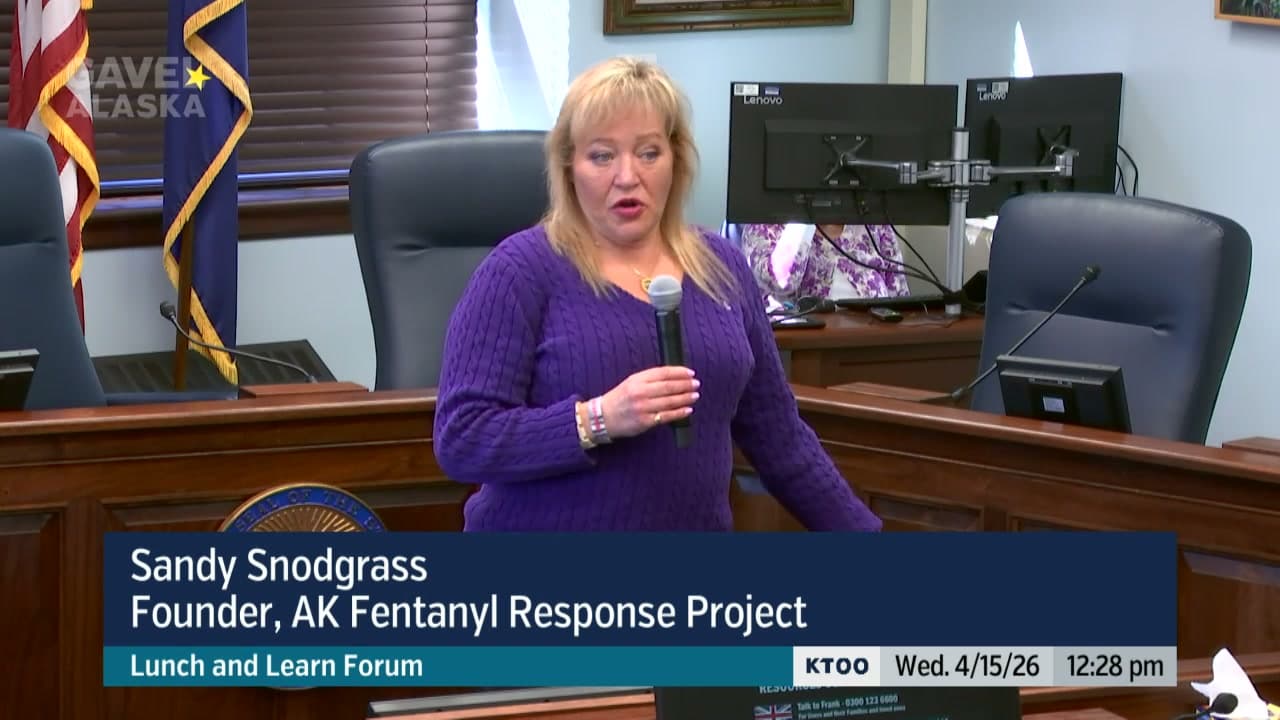
A psychologist whose son died from fentanyl poisoning urged Alaska lawmakers to fund education and demand reduction, citing 339 overdose deaths statewide in 2024.

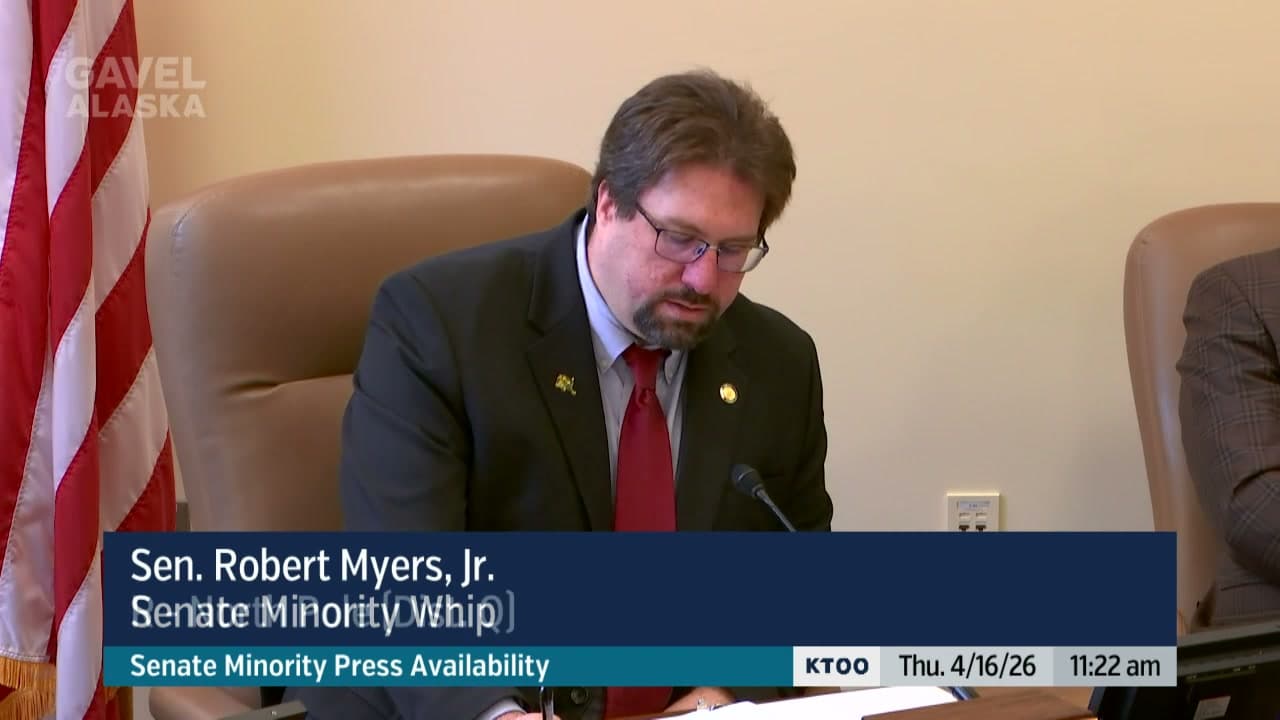
Alaska Senate minority members outlined concerns about pension reform, the Alaska LNG project's economic viability, and several judiciary bills at a Thursday press conference.

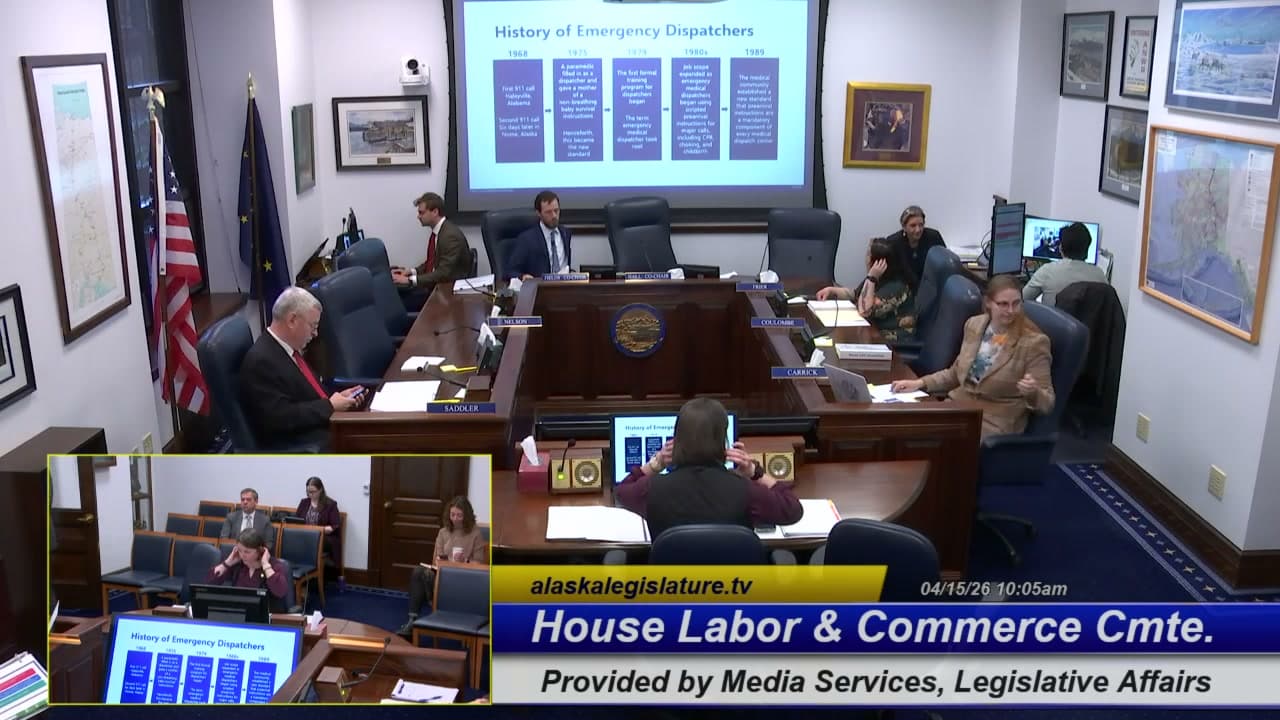
Alaska lawmakers are urging Congress to reclassify 911 dispatchers as first responders to give them access to federal training, grants, and mental health resources.
Alaska tribes removed 1.5 million pounds of marine debris last summer but face barriers like grant complexity and equipment costs that threaten their ability to protect subsistence resources.
House Resources Committee approved a resolution backing Alaska Native corporations' continued access to a federal small business program that generated $13.5 billion in revenue for the state in 2022.
Alaska Federation of Natives told legislators that non-resident permit holders took $7.5 billion in salmon earnings since 1975, leaving rural villages with fishing participation down to 12%.
Fairbanks is seeking $3.5 million in state funding to host the 2028 Arctic Winter Games, expecting 2,000 athletes and thousands of family members to boost local tourism.
Five Alaska borough mayors told lawmakers the proposed Alaska LNG tax bill would slash municipal revenues by up to 90 percent, prompting the Senate to delay it for further review.
Alaska Senate unanimously backed extending the federal ban on Russian seafood imports to protect the state's 44,000 fishing workers from subsidized foreign competition.
A state review panel called for standardized child abuse reporting training across Alaska after finding current programs vary widely and confuse mandatory reporters.
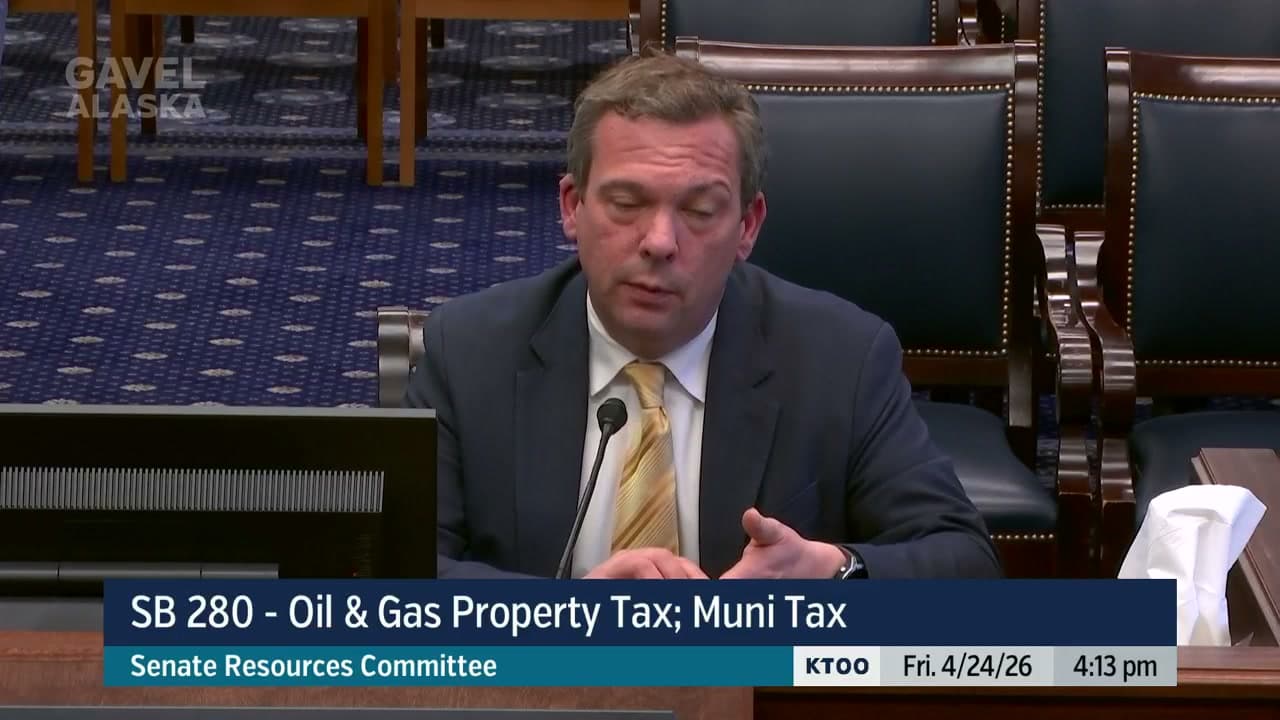
Alaska Senate panel questioned whether state price caps in Senate Bill 280 would conflict with federal authority over the Alaska LNG pipeline project.

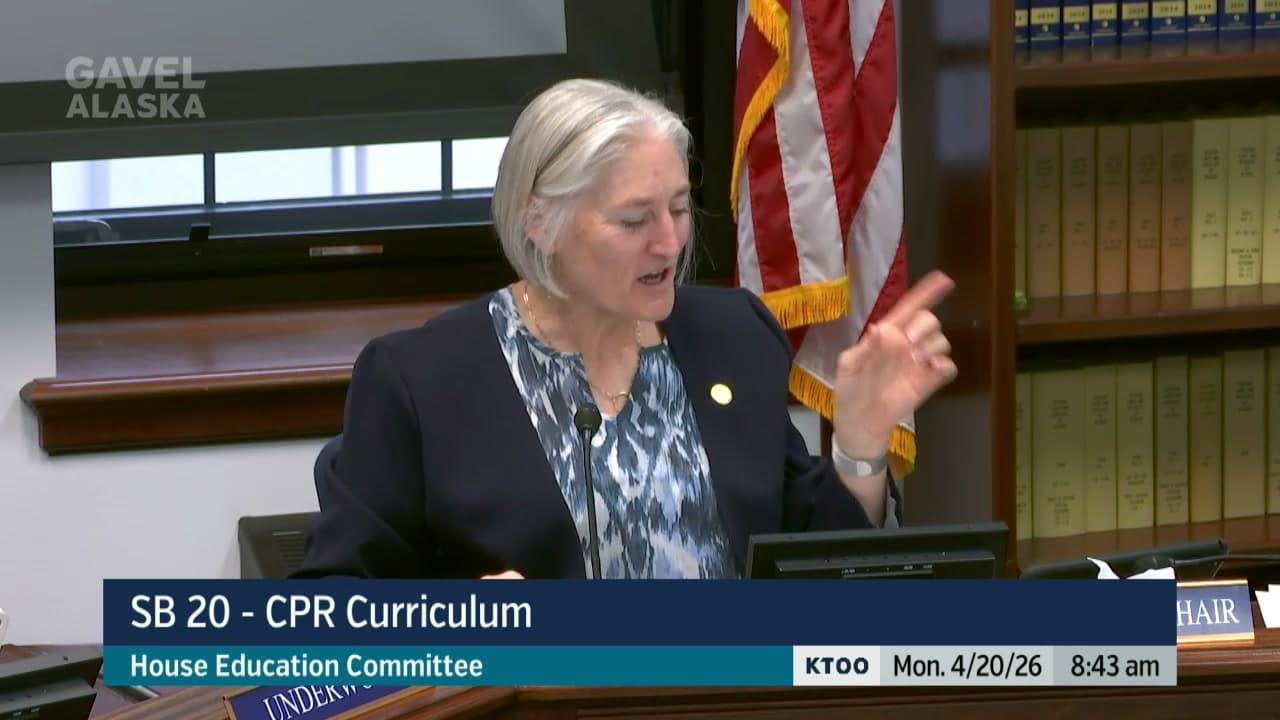
A House committee heard testimony on a bill to let emergency dispatchers retire after 20 years instead of 30 and classify them as first responders.

A House bill would let emergency dispatchers retire after 20 years instead of 30 by reclassifying them as first responders with police and firefighter benefits.

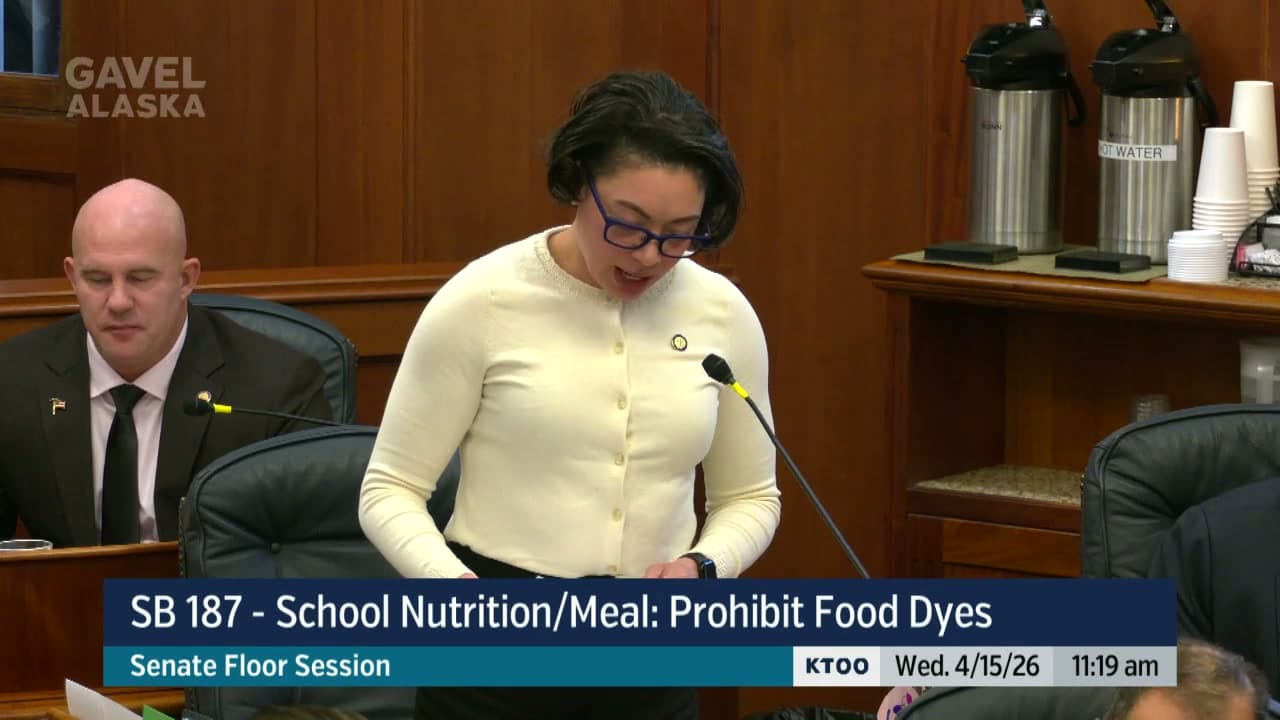
Alaska Senate advanced a bill banning seven synthetic food dyes from school meals starting January 2028, plus legislation on software licensing contracts and worker visa recognition.

Alaska lawmakers raised safety concerns Thursday about a right-to-repair bill that would let consumers fix everything from iPhones to aircraft, warning it could endanger remote communities.

A House committee advanced a bill to add a sixth seat to the Local Boundary Commission. The new seat would represent the unorganized borough in future boundary and incorporation decisions.

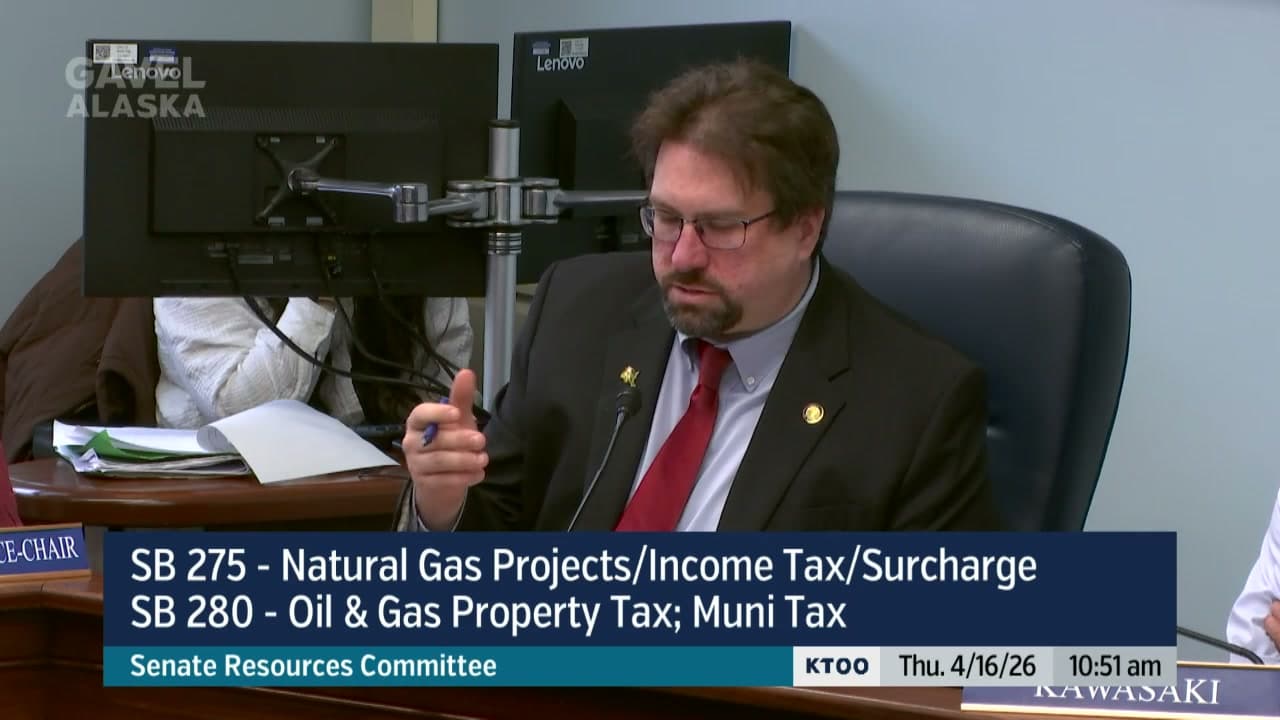
Senate Resources Committee heard Alaska LNG faces typical megaproject cost and schedule risks. • A proposed 6-cent volumetric tax would generate roughly $2 billion for the state over 35 years but raise the project's effective tax rate to 33 percent, above competing Canadian projects. • Phased construction reduces upfront costs but introduces financing risk if later phases are delayed.

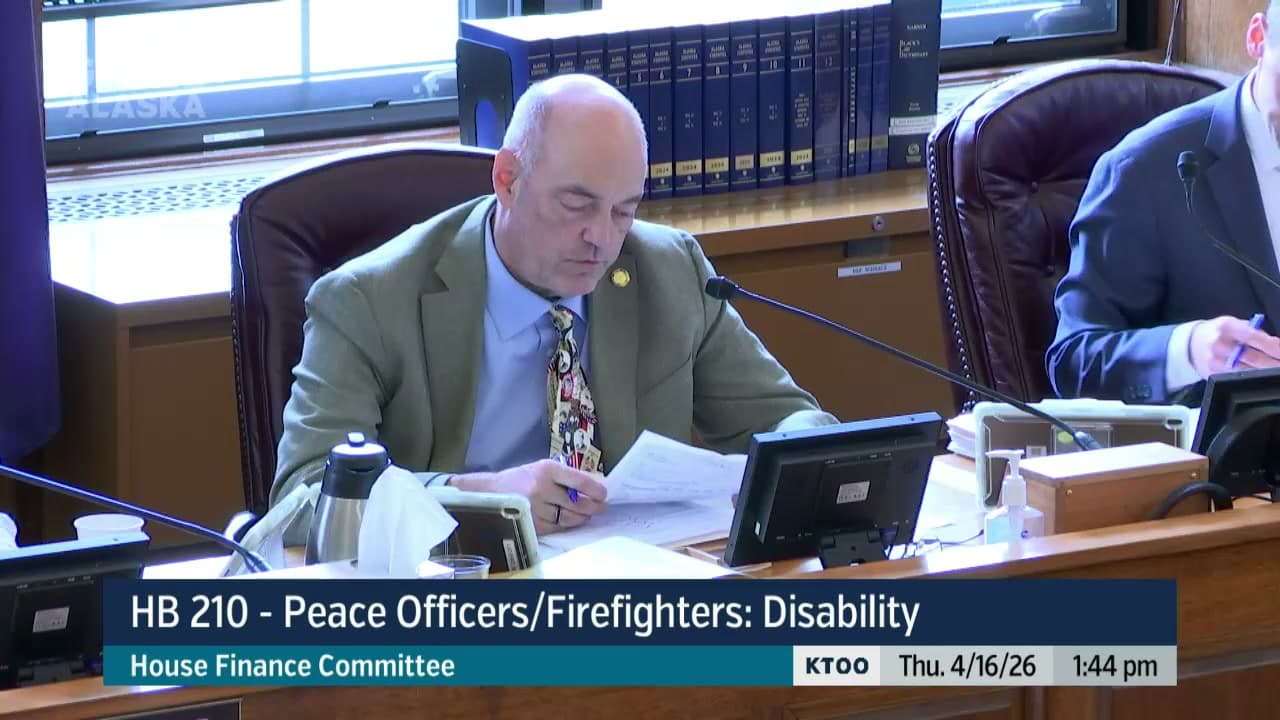
House Finance set an April 23 amendment deadline for a bill raising disability pay for injured police and firefighters from 40 percent to 75 percent of salary.

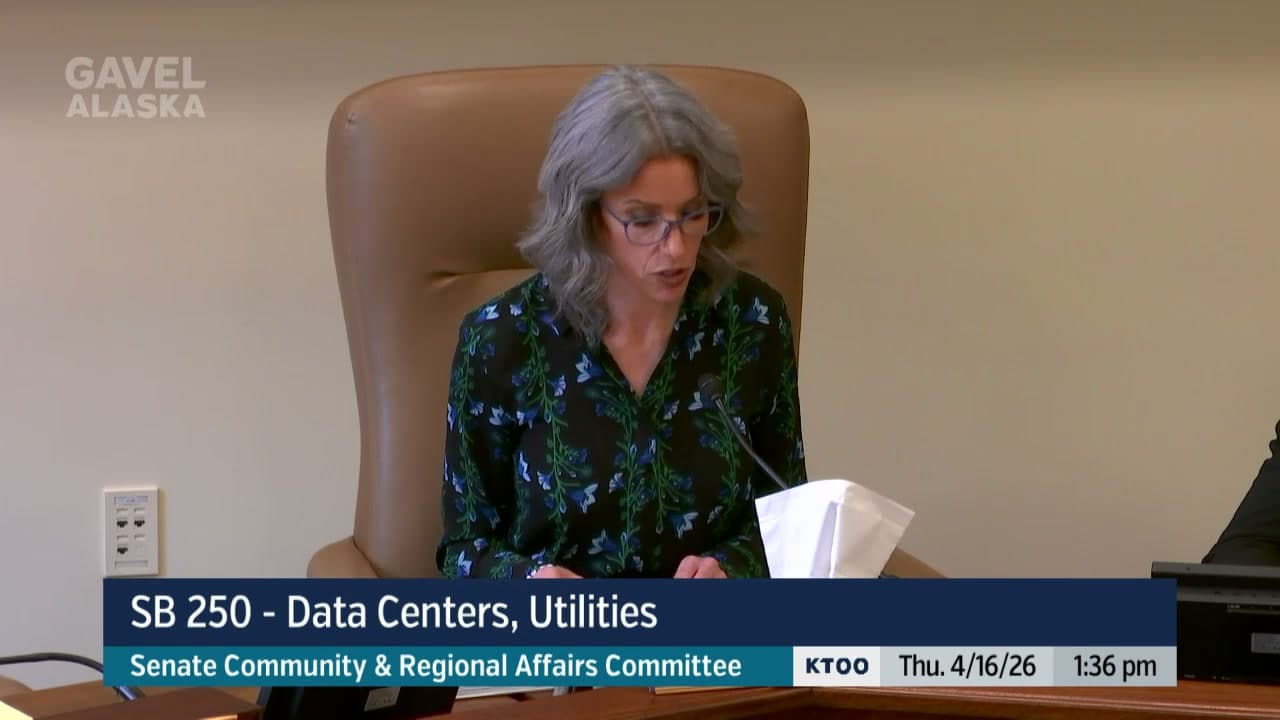
Senate panel heard testimony on a bill requiring data centers to cover their own infrastructure costs and protect Alaska ratepayers from fuel supply risks and rate increases.

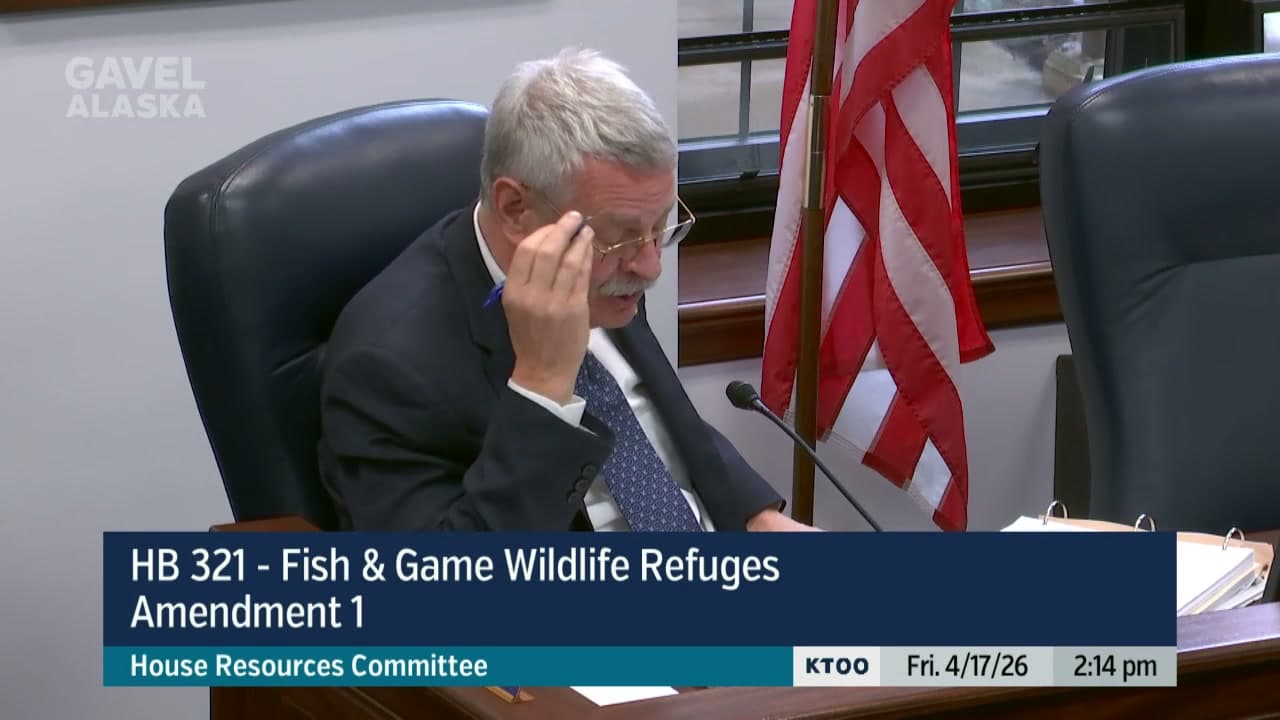
Alaska House Resources Committee heard testimony on state equity stakes in the Alaska LNG project and rejected five wildlife refuge bill amendments on 5-4 party-line votes Friday.

House Finance heard divided testimony on HB 195. The bill would let pharmacists treat routine illnesses to help fill rural care gaps.

Alaska House committee heard a bill to eliminate five obsolete tax discounts and deductions that would raise nearly $500,000 annually for the state.

Senate panel debated tax breaks and regulatory oversight for a proposed natural gas pipeline, with municipalities seeking clearer cost projections and more local control.

Senate panel advanced a bill allowing setnet fishermen to work cooperatively, addressing enforcement conflicts, while postponing a land transfer proposal pending more details.

New stories usually land 4p to 6p.
1,366
meetings transcribed
6,090
articles published
3,445
hours of audio processed
6
contributors this week
Local news, from the source · Public meetings deserve coverage · Every article names its source
Thu, Oct 22Alaska News Daily Brief9 min · 14 stories