Photo by Jeffry Surianto on Pexels · Photo source
Cook Inlet beluga population still declining 16 years after listing
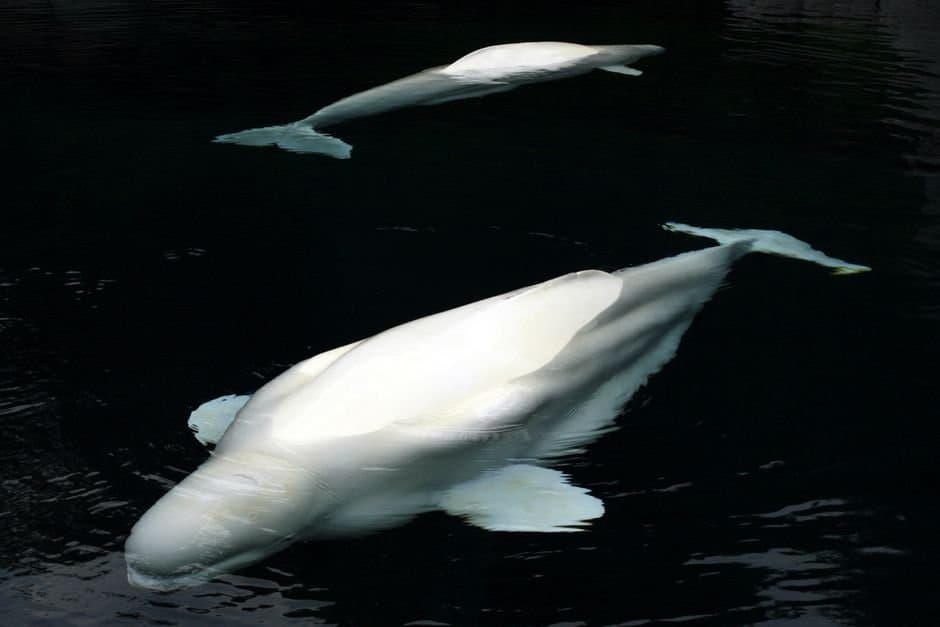
The federal government is about to hire a small Alaska business to drive boats around Cook Inlet, photograph beluga whales, and match each one to a 21-year-old database of individual whales — and the deadline to bid on the job is two weeks away.
NOAA Fisheries' set aside for woman-owned small businesses, calls for at least 14 boat- and shore-based photo-identification surveys in the 2026 field season. The contractor photographs individual whales, identifies them by unique pigmentation patterns and scars, and adds the new images to a master catalog that runs continuously from 2005 through 2025. The catalog also pulls in historical photos and images from stranding events. Over time, the dataset lets biologists track which whales survive, which ones reproduce, and which ones turn up with entanglement wounds or ship-strike scars.
The work is necessary because the Cook Inlet stock — genetically and geographically isolated from Alaska's other four beluga populations — has declined about 75 percent since 1979, from roughly 1,300 whales to an estimated 331 in 2022. It is the only endangered beluga population in the state; NOAA Fisheries notes that beluga populations in Alaska are thought to be stable or increasing, except for the Cook Inlet stock which is listed as endangered under the Endangered Species Act.
The two-year base contract runs September 30, 2026 through September 29, 2028, with option periods that could extend performance through 2031. Year one is field collection; year two is analysis. Quotes are due by 2:00 PM ET on June 26.
Source: NOAA Fisheries.
Made by our human newsroom with AI. How humans and AI work here · Grow with our newsroom
Stay informed. Support what matters.
Free, permanent access to local news you can verify. Subscribe to support Alaska News and go ad-free.
Related Coverage
With 331 belugas left, the Park Service is chartering a boat to learn what they eat
Alaska News · 3mo ago
NMFS issues renewal IHA to HEX Operating for Cook Inlet natural gas activities
Alaska News · 4mo ago
Federal regulators renew HEX authorization for Cook Inlet marine-mammal harassment
Alaska News · 4mo ago
Hilcorp seeks Cook Inlet gas storage lease at Beluga River — part of how Southcentral plans to get through winter as gas production declines
Alaska News · 4mo ago
Knik Tribe awarded $5 million to design fish passage fixes on Talkeetna Spur Road
Alaska News · 2mo ago
Comments
Sign in to leave a comment.
No comments yet. Be the first to share your thoughts.