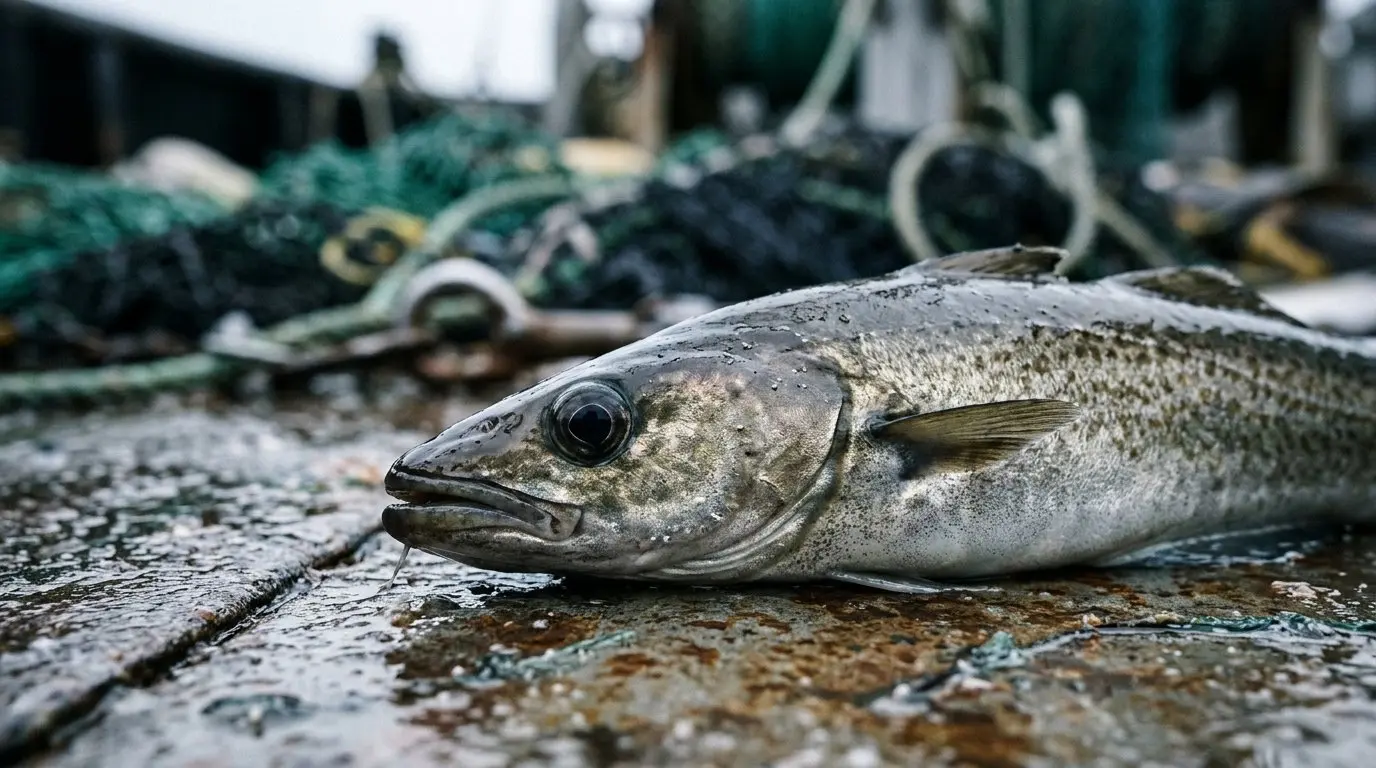
AI image
Scientists recommend more Gulf of Alaska pollock and less sablefish for 2027
Gulf of Alaska black cod fishermen could keep catch limits as high as this year's in 2027, even with the 20% cut scientists recommend for the Alaska-wide ceiling, the scientists who advise federal fishery managers said last week.
The Bering Sea and Aleutian Islands would absorb the difference. Doing that temporarily "would not appreciably increase biological risk to the stock in the short term," the federal and state scientists agreed. They pointed to model estimates showing larger, older fish in the Gulf, and to recent above-average numbers of young fish.
The scientists' regional split would otherwise put the Gulf's share about 17% below this year's limit. Off Southeast Alaska, the recommended share would be less than boats had already caught this year by Nov. 12. The stock's assessment authors call it "extremely healthy" and trace the cut to changes in their computer models.
Bering Sea and Aleutian fleets have caught less than a quarter of their black cod allowance, while Gulf fleets have generally caught 80% to 90%, according to the scientists' Gulf report.
The scientists left the choice to the North Pacific Fishery Management Council, which recommends next year's limits next month in Anchorage. They didn't study shifting more than that to the Gulf, other than to note it would raise more concern, especially if it lasted multiple years.
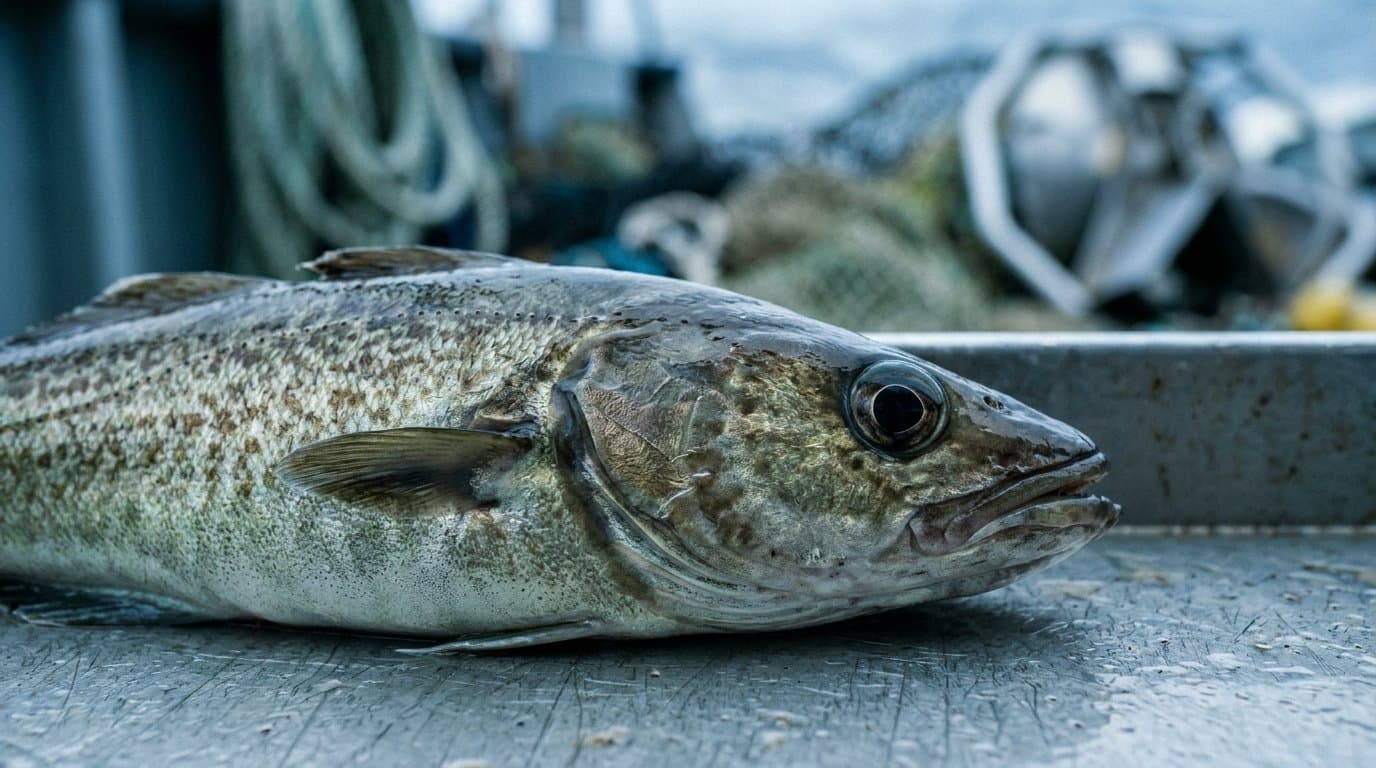
Black cod, also called sablefish, is one of the Gulf's groundfish, a federal category that also includes pollock, cod and flounder. The scientists recommended 2027 ceilings for all of them, and together the ceilings for the rest would rise about 5%.
Pollock, the fish in fish sticks and imitation crab, would get a ceiling about 17% higher in 2027. Pacific cod would stay about level as the stock recovers from low levels. NOAA has warned that a strong El Niño next year could make it harder for cod and pollock hatched in 2027 to survive.
The Gulf's groundfish catch was worth $147 million to fishermen in 2025, up from $111 million in 2024, adjusted for inflation, the Gulf report says.
The council can set catch limits lower than the scientists' ceilings, but not higher. The National Marine Fisheries Service must approve the final limits, usually in March. Until then, the limits already on the books stay in effect, so pollock and cod fishing can open early in the year.
What did you make of this story? (no account needed)
Made by our human newsroom with AI. Reviewed by Cale Green. How humans and AI work here · Grow with our newsroom ·
Keep Alaska News free for everyone.
No paywall, ever. Members pay so everyone can read the meetings and records Alaska News covers.
Get Alaska News in your inbox
Create your free account and get the day’s top stories around 6 each morning, in a few minutes’ read.
Top stories, around 6 each morning.
Stories on what you follow, on Sundays.
Source: North Pacific Fishery Management Council.






Comments
Sign in to leave a comment.
No comments yet. Be the first to share your thoughts.