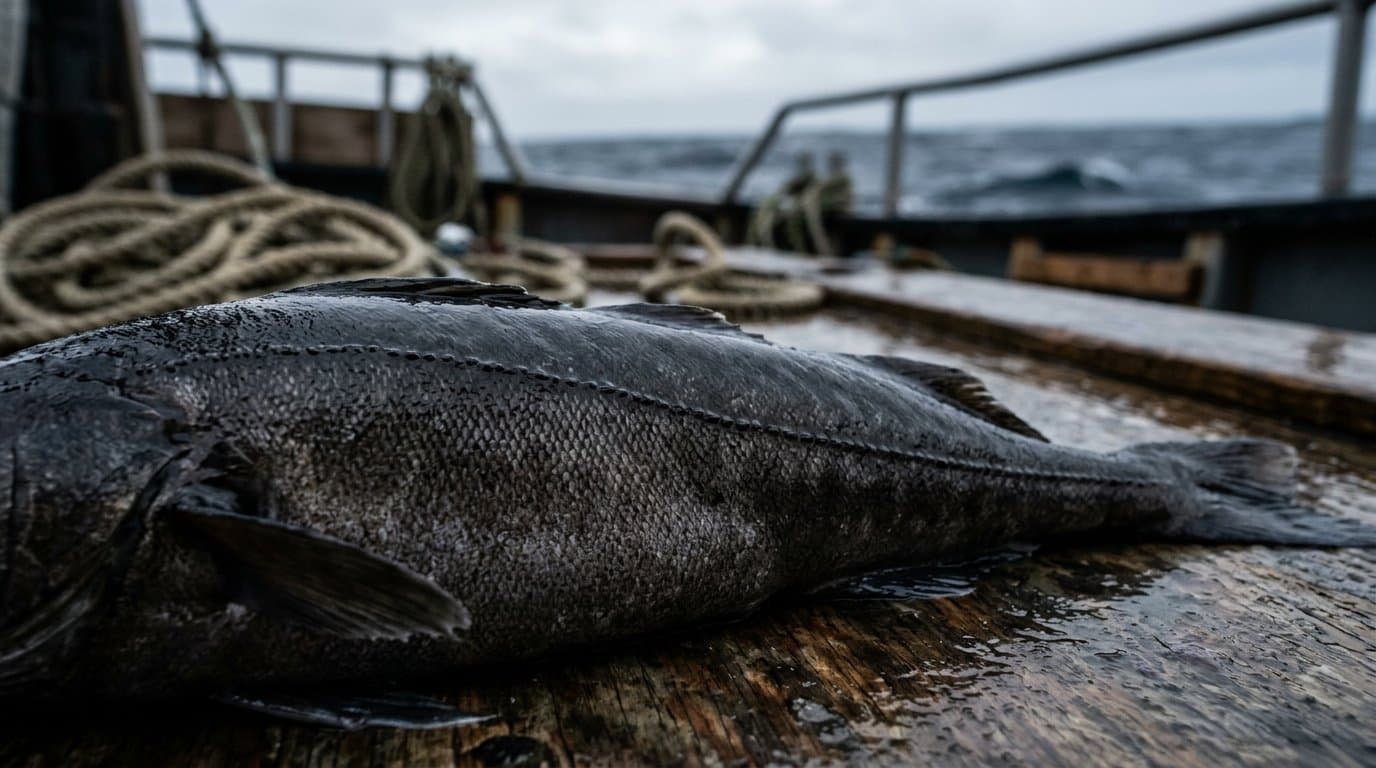
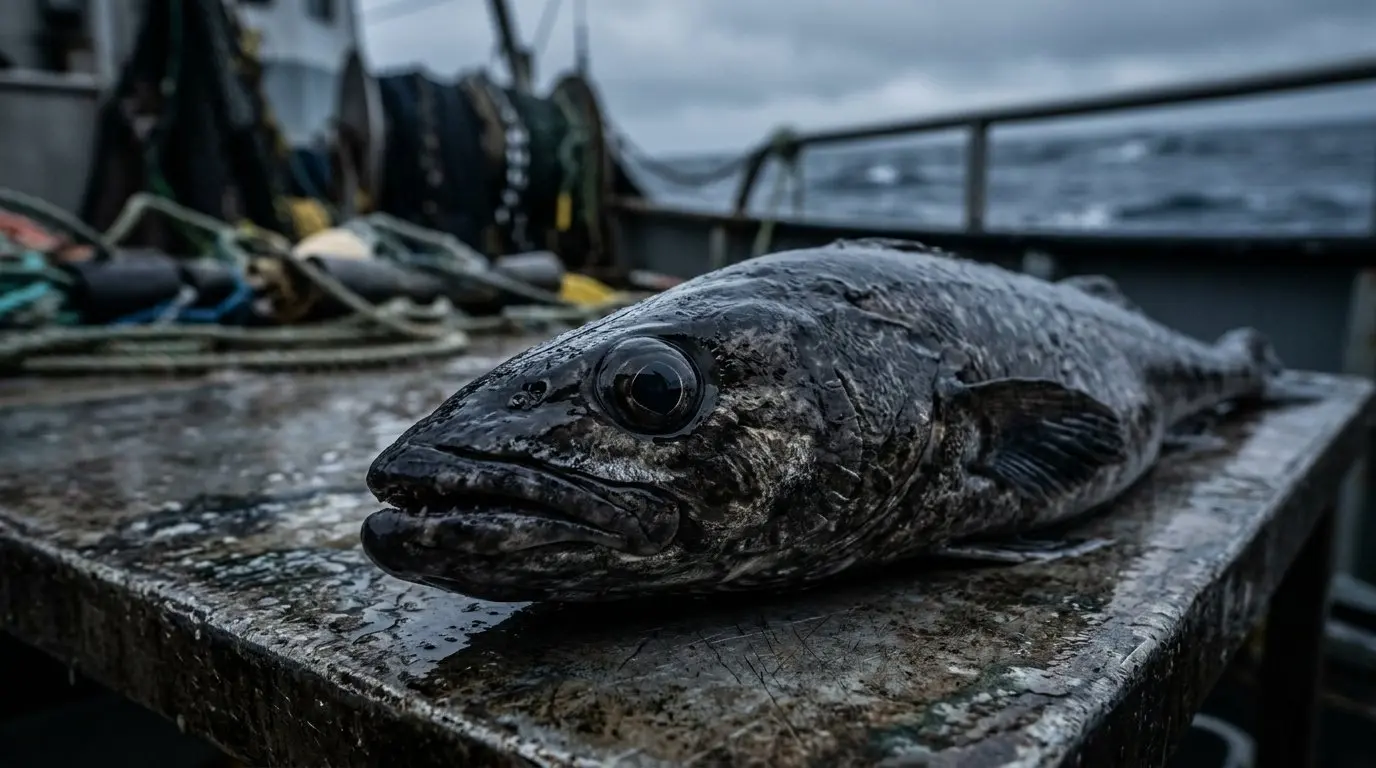
AI image
Alaska's black cod are 'extremely healthy,' and scientists still want a 20% cut
Federal scientists say Alaska's black cod are in great shape. They still want the catch ceiling cut about 20% next year.
Their assessment traces the lower number to changes in their computer models, and it says the fish look just as healthy either way.
In a final stock assessment posted Friday, the scientists stuck with the cut they proposed in October. Fishery managers will decide next year's limits at a meeting in Anchorage Dec. 4-9.
In the Gulf of Alaska, fishermen often catch 80% to 90% of what they're allowed. Off Southeast Alaska, next year's recommended share is smaller than what boats had already landed this year by mid-October. Off Yakutat, it's slightly smaller.
The fish themselves are doing well. The scientists estimate the population of adult, spawning black cod, also called sablefish, has nearly quintupled since 2014, and they call the stock "extremely healthy."
The model change traces back to how the fish are counted.
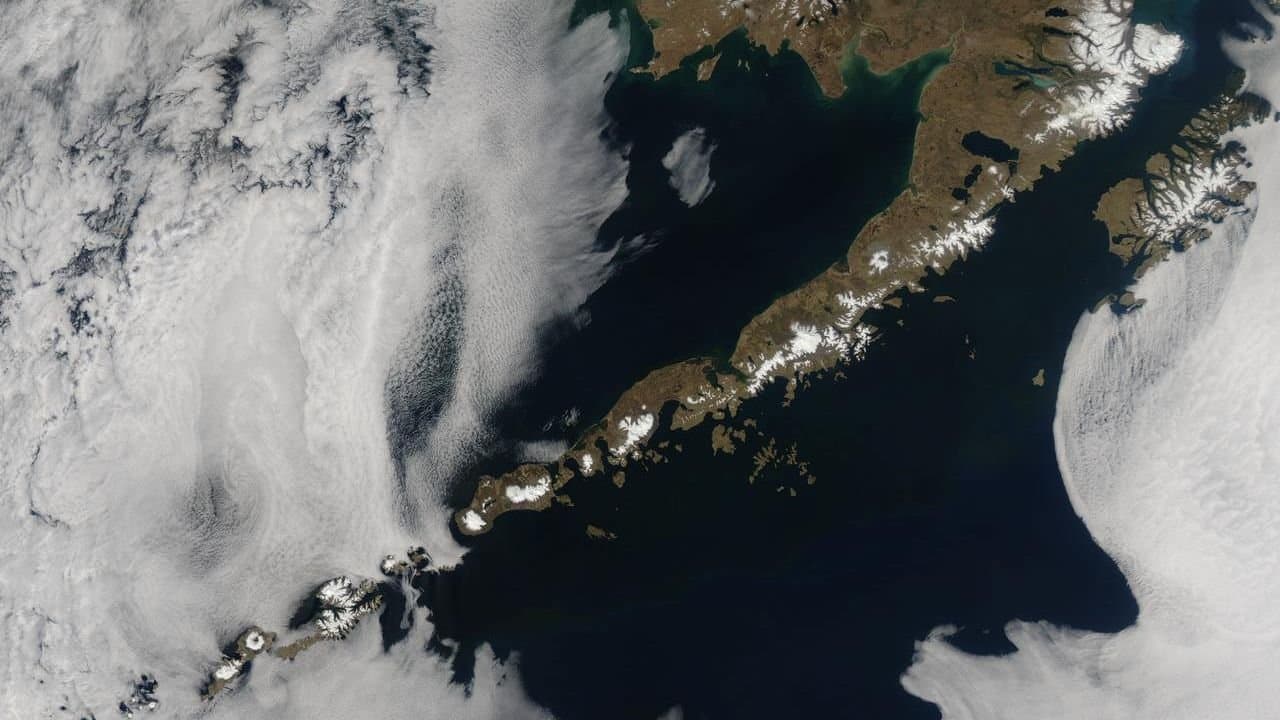
For more than 30 years, NOAA counted sablefish every year with a survey, setting baited hooks across Alaska's waters. In 2024, with sablefish markets falling, the survey didn't run at all, according to a NOAA-commissioned review. Now it covers the Gulf one year and the Bering Sea and Aleutians the next, so only about half the fish get counted in any given year.
The scientists' old model filled those gaps with the previous year's numbers. An outside scientist who reviewed it for NOAA, Peter Stephenson, called that "undesirable but necessary" and said it skews the results. They built a new model for the every-other-year survey, and it produces the lower number.
The fishery council's own science advisers raised doubts about the new model in October. The council's Advisory Panel, which includes fishing industry members, voted 18-0 to ask for more options, including phasing the cut in over three years.
The reductions "were not based on stock health, but instead solely due to a shift in modeling," panel member Nels Evens said.
When NOAA called off the 2024 survey, the head of its Alaska Fisheries Science Center, Robert Foy, said skipping a year while the population was relatively high "represents a low risk."
Stephenson warned against going any further. Cutting the survey more "would seriously impact the model outputs and must be resisted," he wrote.
Statewide, the recommended ceiling would drop to 37,436 metric tons from 47,008 this year. The North Pacific Fishery Management Council can set the limit at that number or lower, and written comments are due Nov. 27.
What did you make of this story? (no account needed)
Made by our human newsroom with AI. Reviewed by Cale Green. How humans and AI work here · Grow with our newsroom ·
Keep Alaska News free for everyone.
No paywall, ever. Members pay so everyone can read the meetings and records Alaska News covers.
Get Alaska News in your inbox
Create your free account and get the day’s top stories around 6 each morning, in a few minutes’ read.
Top stories, around 6 each morning.
Stories on what you follow, on Sundays.
Source: NOAA.




Comments
Sign in to leave a comment.
No comments yet. Be the first to share your thoughts.