AI image
NOAA scientists expect El Niño to hurt Gulf of Alaska cod and pollock hatched in 2027
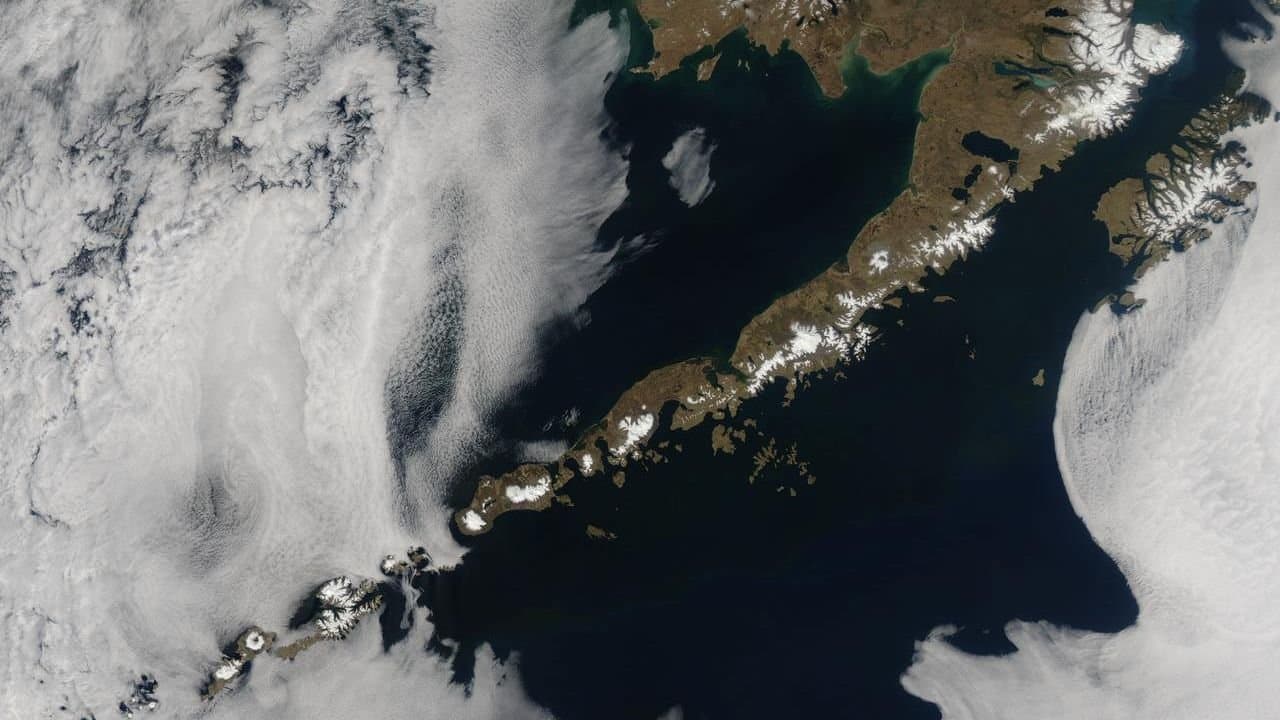
Federal scientists expect the strong El Niño to warm the Gulf of Alaska next year and make it harder for Pacific cod, pollock and northern rock sole hatched in 2027 to survive, according to a NOAA brief posted Tuesday.
Cod and pollock are among Alaska's most commercially important fish. In an October feature, NOAA Fisheries said it would not expect El Niño's effects on fisheries production "for at least another few years." Bridget Ferriss, a biologist at the agency's Alaska Fisheries Science Center, said immediate changes to groundfish fisheries in 2027 are unlikely.
The catch ceilings recommended for 2027 include no cut for El Niño. The Gulf Groundfish Plan Team last week recommended a Pacific cod ceiling of 41,937 metric tons, about level with this year's, and a higher pollock ceiling. Its recommended 2028 ceilings are lower, 35,866 tons for cod and 106,221 for pollock. The records do not tie those lower figures to El Niño.
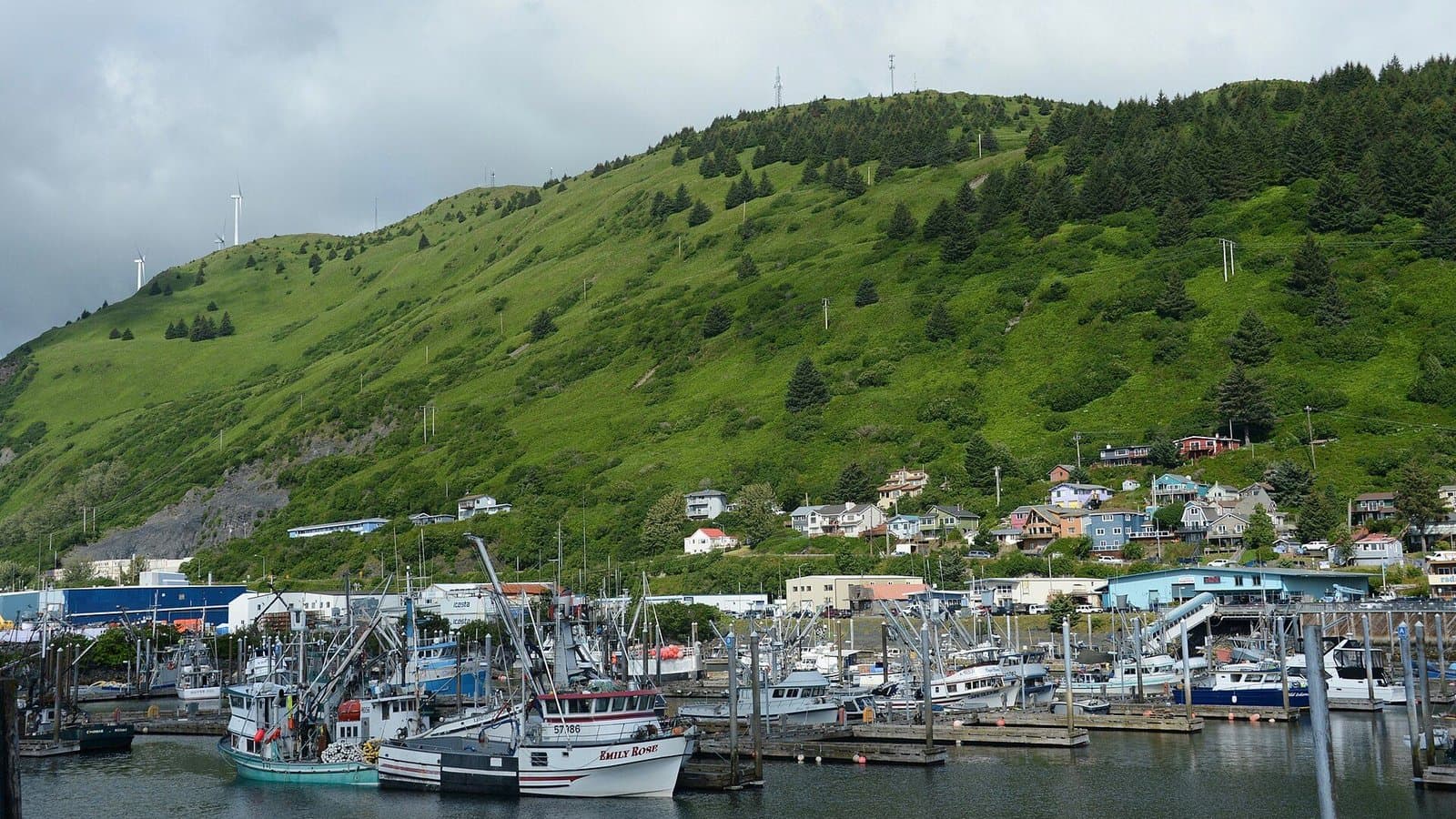
Kodiak has lived through a cod decline before. The federal directed cod fishery in the Gulf closed in 2020 and reopened in 2021, according to the Gulf Pacific cod assessment. The North Pacific Fishery Management Council's community engagement report says the cod decline after the 2014 to 2016 marine heatwave, and the closure, had "a devastating impact" on Kodiak's jig fleet, which is "highly reliant on Pacific cod."
"The 2026-2027 strong El Niño is not expected to produce a multi-year marine heatwave," the brief said. The full Ecosystem Status Report, edited by Ferriss, says this event is likely to be more like the one-year 1997/1998 El Niño. The Gulf enters it from a cool-to-average, productive 2026, and El Niño is forecast to give way to neutral conditions in 2027.
Surface water on the Gulf shelf is still expected to warm about as much as in 2015 and 2016, the council's Gulf groundfish report says. Extensive deaths of adult groundfish are not likely. The brief forecasts the shelf's surface 0.5 to 2 degrees Celsius warmer than average from January through March, roughly 1 to 3.6 degrees Fahrenheit.
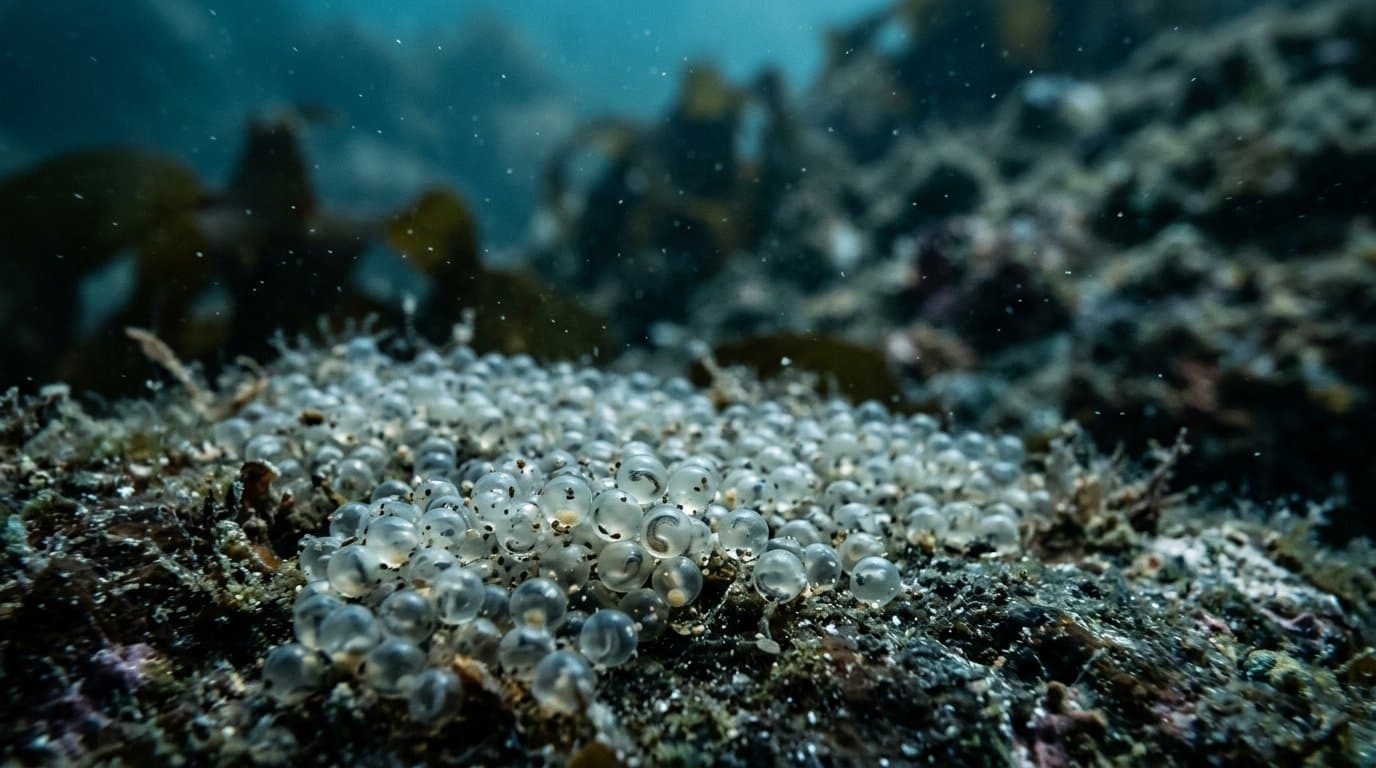
The cod assessment expects no effect on adult survival across the population, though fewer eggs and larvae may survive and adults may find less to eat. The brief says adult groundfish might be skinnier, and cod, pollock and arrowtooth flounder may move deeper. Warm surface water can favor rockfish and sablefish larvae.
A 2026 beach seine survey found near-record numbers of first-year cod, and the plan team agreed 2026 may be a strong year for young cod. The team noted that the Gulf cod stock remains at historically low spawning levels.
A large amount of uncertainty remains in how the Gulf will respond, the groundfish report says. Ferriss wrote that "this El Niño may be more extreme than the range of historical data." The Climate Prediction Center put the chance that it becomes the strongest since 1950 at about 60%.
The council is scheduled to adopt the 2027 and 2028 ceilings, called acceptable biological catch, and the total allowable catch for Gulf groundfish at its Dec. 4-9 meeting in Anchorage, after its science committee reviews the reports.
What did you make of this story? (no account needed)
Made by our human newsroom with AI. How humans and AI work here · Grow with our newsroom ·
Keep Alaska News free for everyone.
No paywall, ever. Members pay so everyone can read the meetings and records Alaska News covers.
Get Alaska News in your inbox
Create your free account and get the day’s top stories around 6 each morning, in a few minutes’ read.
Top stories, around 6 each morning.
Stories on what you follow, on Sundays.
Source: North Pacific Fishery Management Council, Scientists expect El Niño to hurt Gulf of Alaska cod and pollock hatched in 2027, but not bring another multi-year heatwave.





Comments
Sign in to leave a comment.
No comments yet. Be the first to share your thoughts.