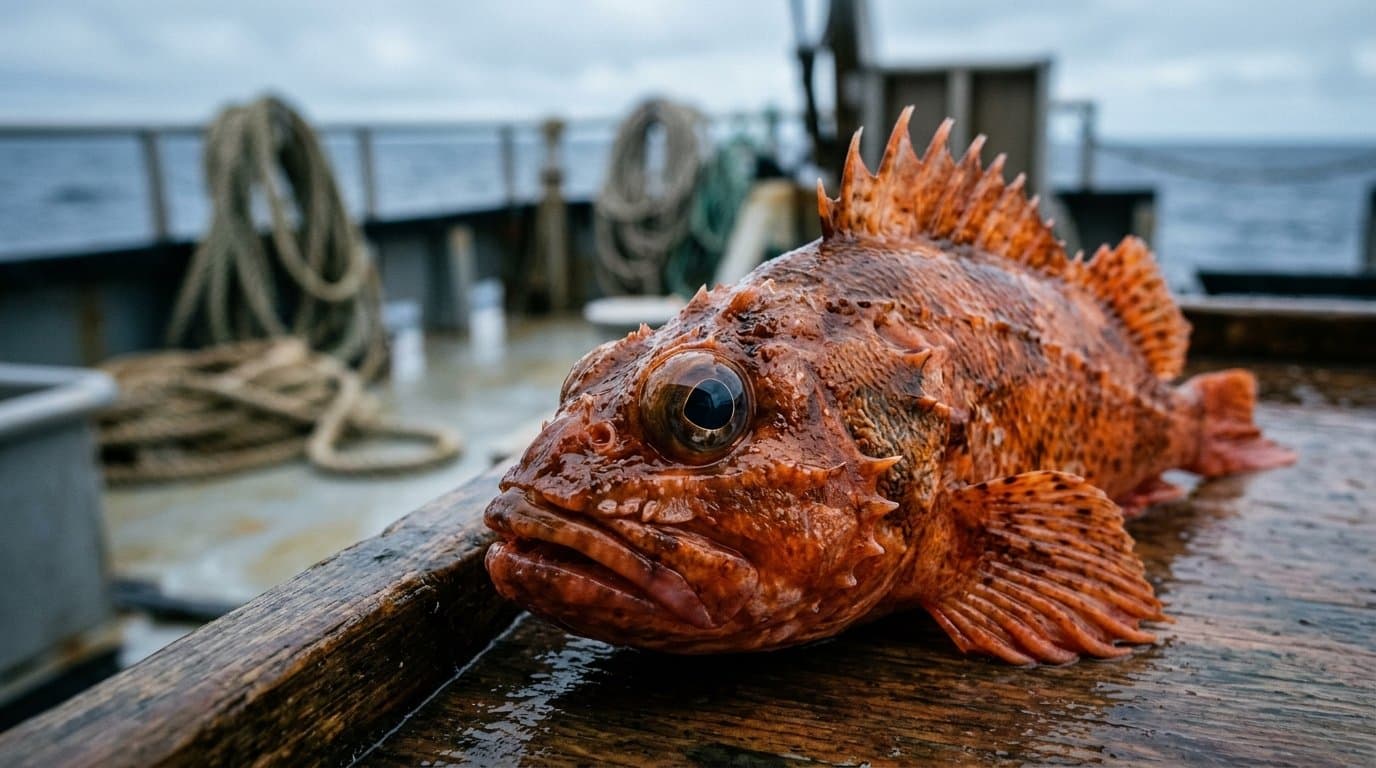
AI image
Gulf of Alaska thornyheads are declining despite light fishing, federal scientists say
Federal scientists are recommending a lower limit on thornyhead rockfish catches in the Gulf of Alaska next year.
Boats caught 130 metric tons of thornyheads last year, about a tenth of the 1,338 tons allowed, and 182 tons this year through Oct. 1. Surveys have been finding fewer of the fish anyway.
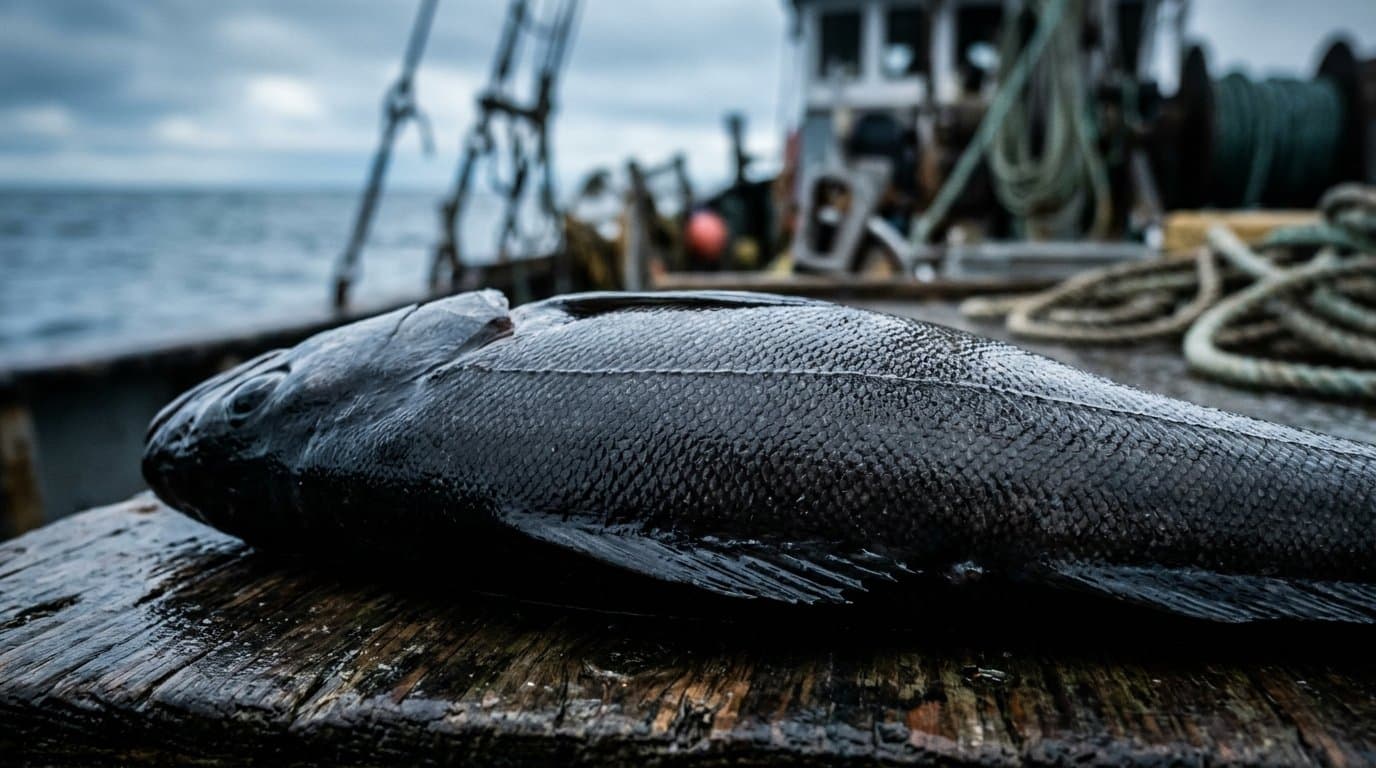
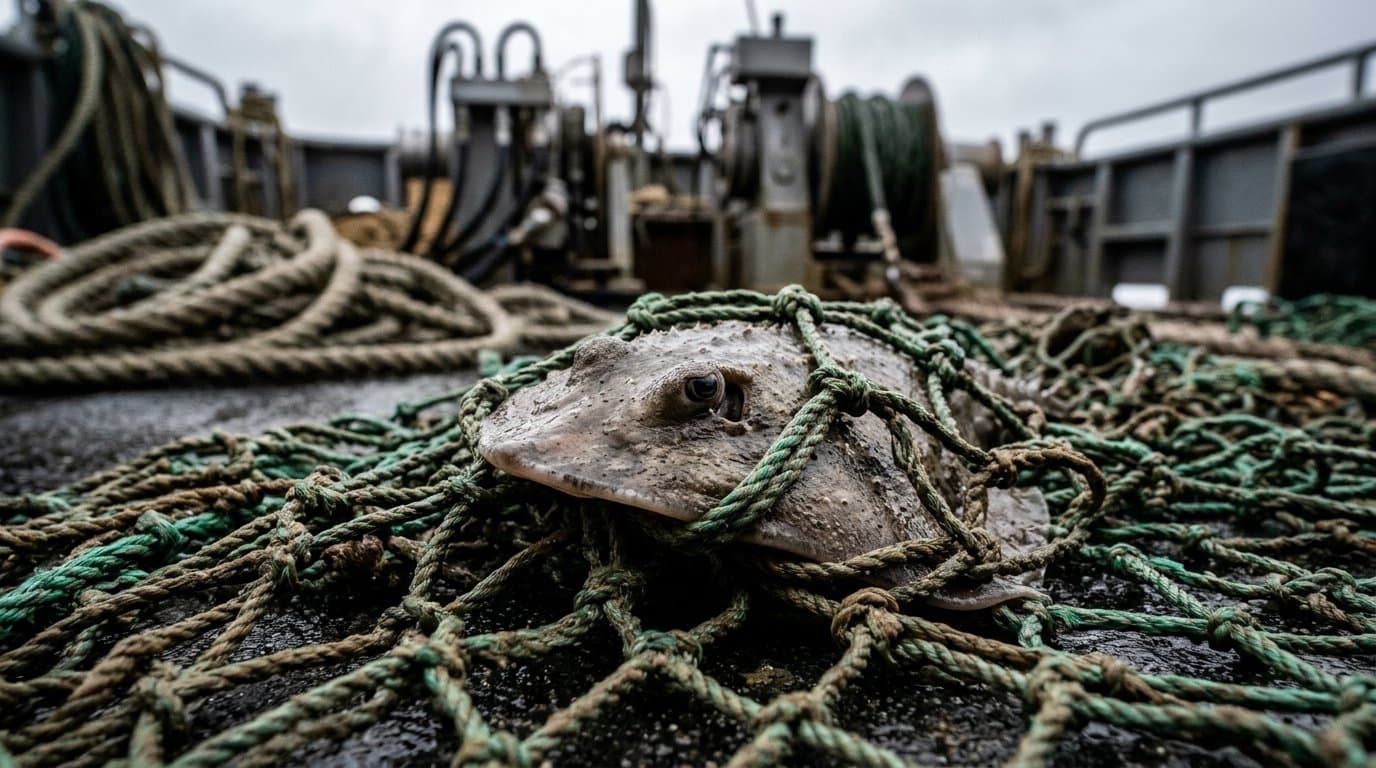
Thornyheads are deep-water rockfish that may live 80 to 100 years and feed largely on shrimp. They're among the most valuable rockfish, and most of the U.S. catch is exported to Japan. Still, they're managed as bycatch, caught almost always by boats fishing for other rockfish or for sablefish, also called black cod.
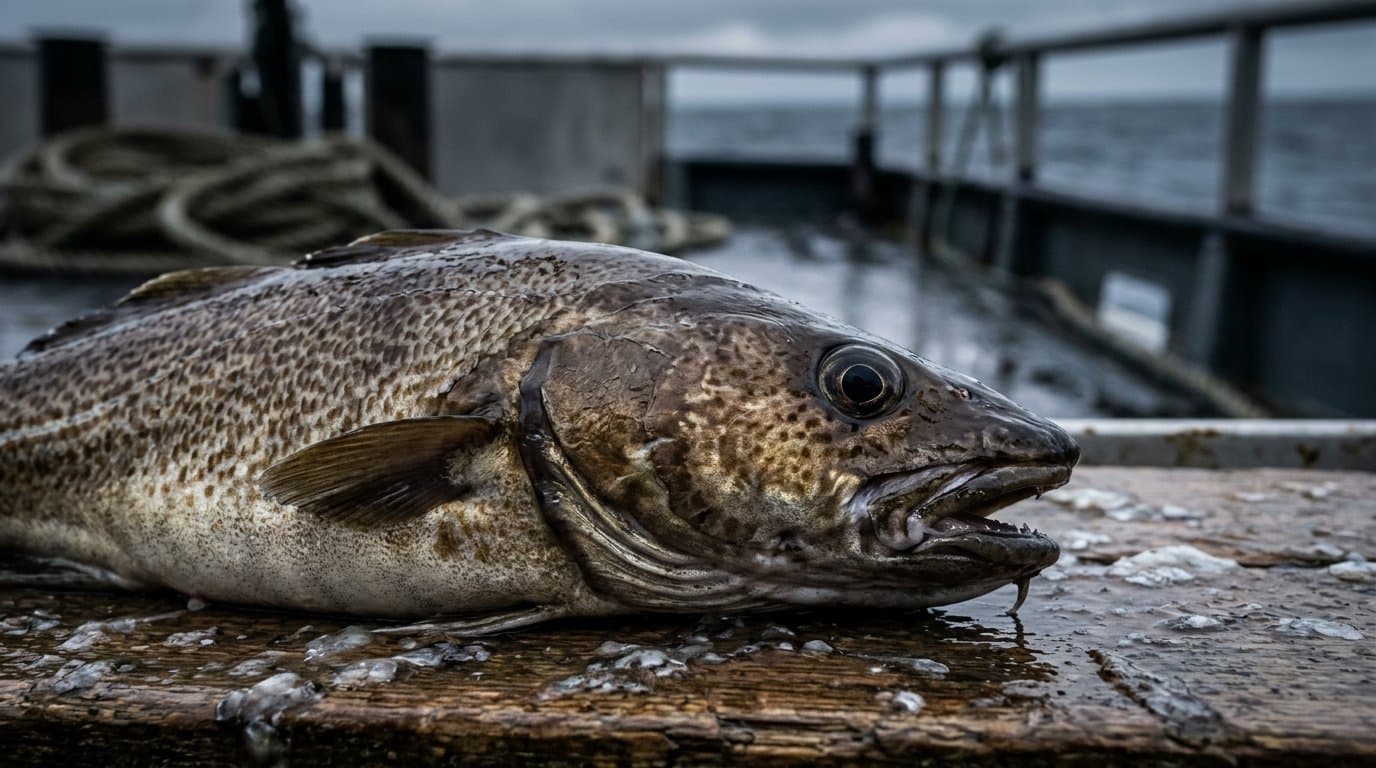
That catch shrank as the sablefish fleet moved to pots. Fishermen had reported sperm and killer whales stripping black cod off longline hooks before they could haul them up, and starting in 2017, federal managers let Gulf sablefish boats use pots. Whales can't get at fish inside a pot.
By 2020, more sablefish were caught in pots than on hooks. Pots catch almost no thornyheads. In a 2021 federal comparison, thornyheads made up 3% to 7% of hook-and-line catches and no more than 0.2% of pot catches.
Catches have been relatively low for eight years, while population estimates have fallen over the same stretch. "This suggests that fishing is not driving these observed declines," wrote the authors, Kevin Siwicke and Katy Echave, in a stock assessment posted Thursday.
The assessment doesn't say what is. It says there's "no indication of increased predation or competition." The 2025 federal trawl survey put Gulf thornyhead biomass 26% below the 2023 survey, though the western Gulf went up.
For thornyheads, the recommended catch limit is a set share of the estimated population, 2.25% of its weight. The scientists' model puts that population at 52,513 tons for 2027, down from 59,459 tons, which brings the recommended limit to 1,182 tons, 11.7% lower. They had to adjust the model because the trawl survey was redesigned in 2025.
Most of the cut falls on the eastern Gulf, where the recommended share drops 28%, to 389 tons, according to the scientists' Plan Team presentation. The central Gulf's drops 11%, to 527 tons, and the western Gulf's rises 29%, to 266 tons.
The stock wasn't subject to overfishing in 2025, the scientists found. They put the 2027 overfishing limit at 1,575 tons.
The North Pacific Fishery Management Council will set the 2027 limit at its Dec. 4-9 meeting in Anchorage, where it also takes up a recommended 20% cut to sablefish. Written comments on the Gulf limits are due at noon Nov. 27 through the council's meeting agenda.
What did you make of this story? (no account needed)
Made by our human newsroom with AI. Reviewed by Cale Green. How humans and AI work here · Grow with our newsroom ·
Keep Alaska News free for everyone.
No paywall, ever. Members pay so everyone can read the meetings and records Alaska News covers.
Get Alaska News in your inbox
Create your free account and get the day’s top stories around 6 each morning, in a few minutes’ read.
Top stories, around 6 each morning.
Stories on what you follow, on Sundays.
Source: Alaska Fisheries Science Center.







Comments
Sign in to leave a comment.
No comments yet. Be the first to share your thoughts.