
AI image
Amendment would add front setbacks and a 30-foot height cap in Anchorage housing overlay
An amendment posted Wednesday ahead of the Anchorage Assembly's Nov. 4 vote on the missing middle housing overlay would require 10-foot front setbacks and cap building heights at 30 feet wherever the underlying zoning is R-1, R-1A, R-2, R-2A or R-2D. A front setback is the distance a building must sit from the front lot line.
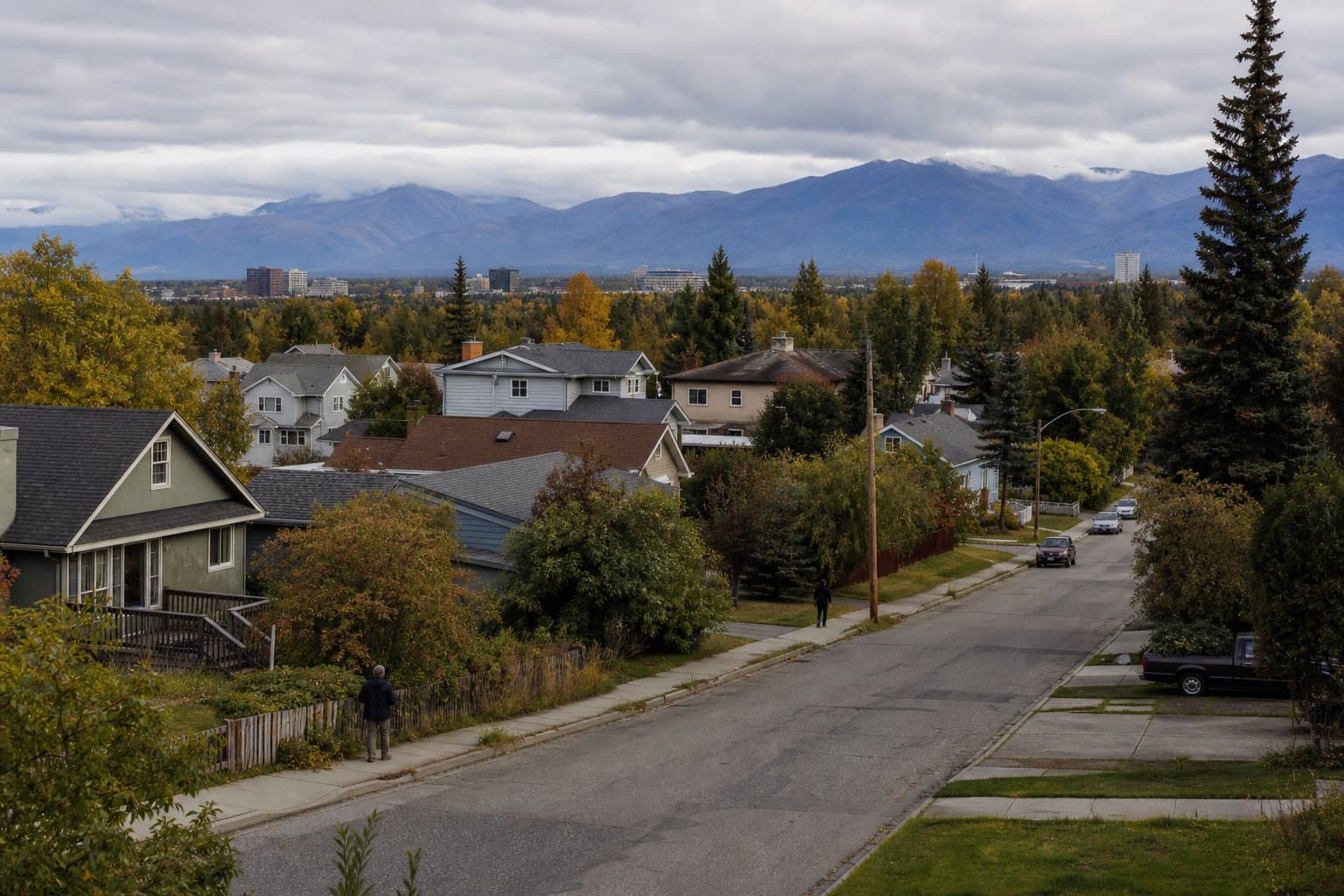
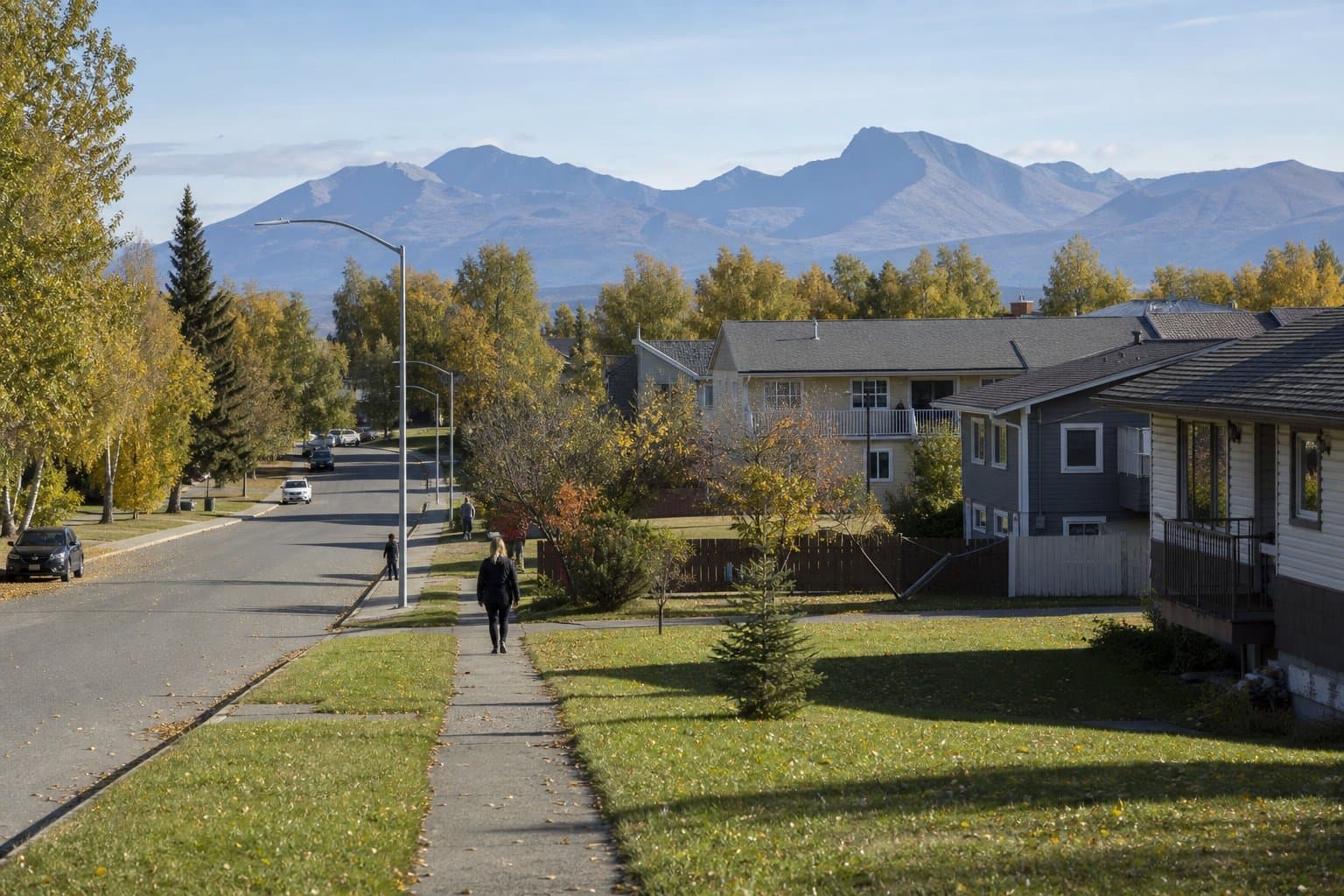
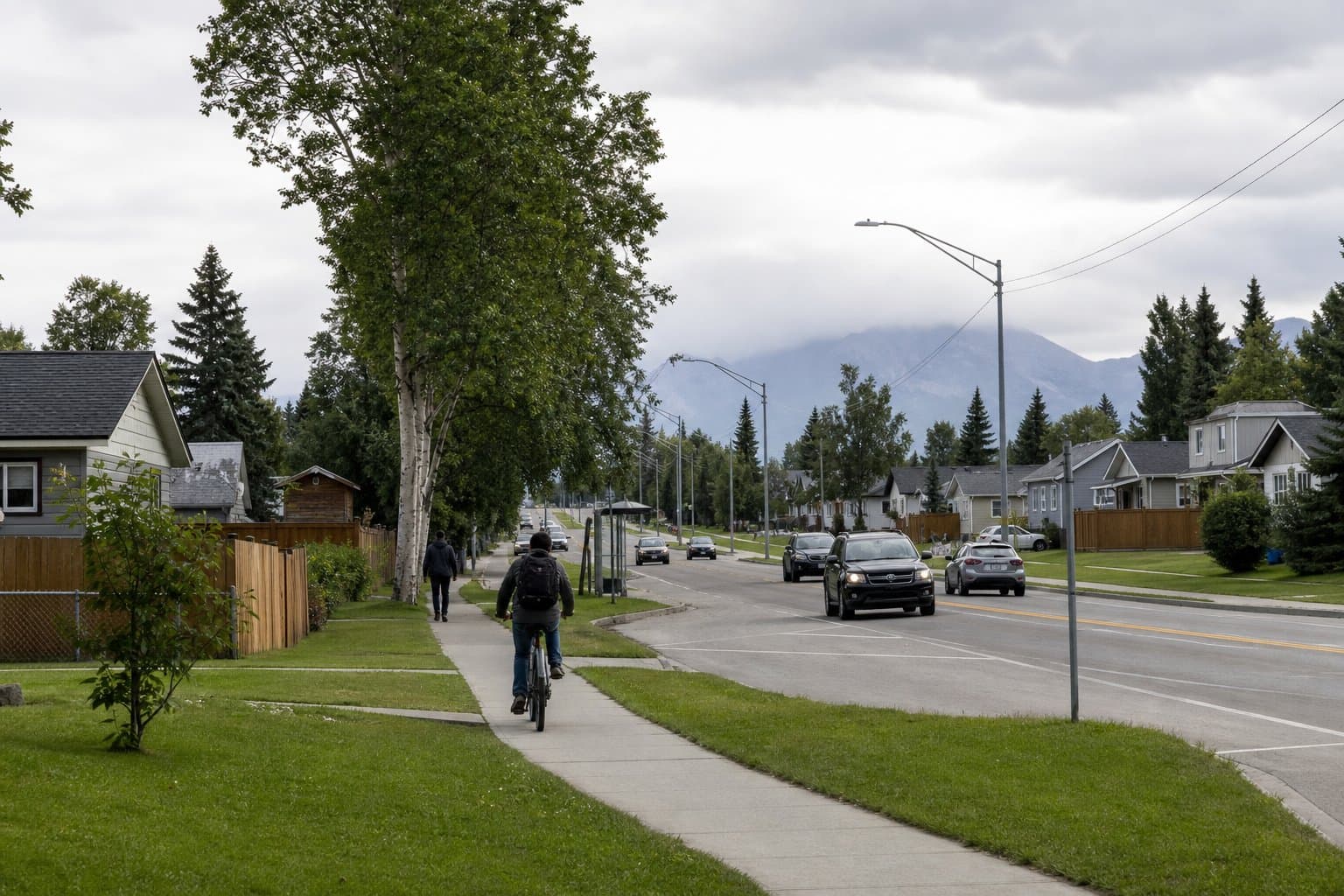
The overlay, sponsored by Assembly Members Erin Baldwin Day and George Martinez, would allow duplexes, triplexes, fourplexes, cottage courts and townhomes along transit corridors. It would affect about 28,000 residential parcels, or 45% of all residential parcels in the municipality.
As written, the ordinance sets no front setback and allows buildings up to 40 feet, with a 30-foot cap only in R-1. The amendment would add a front setback and extend the 30-foot cap to the other four zones. It leaves the ordinance's 70% maximum lot coverage unchanged. The amendment says it "reduces the scale of change to the R-1 and R-2 zoning districts."
Current code requires a 20-foot front setback in R-1, R-2 and R-5 and caps heights at 30 feet in R-1 and R-2, according to a comparison table Baldwin Day posted the same day. The amendment's 10-foot setback falls between current code and the ordinance. Its 30-foot cap matches today's limit in R-1 and R-2.
The amendment is unnumbered, and its sponsor line reads only "Submitted by: Assembly Member." Its second page is headed "Park Amendment No. __." It amends the original ordinance, not the substitute sponsored by Assembly Member Janice Park.
Park's memo for the substitute says it returns R-1, R-1A, R-2A, R-2D and R-2M to the overlay map and caps heights in those low-density zones at 30 feet. The substitute also removes seismic hazard zones 4 and 5 and would end the overlay after 10 years unless it meets housing and snow-access targets. The posted substitute leaves out the exhibit holding its dimensional table, so the front setback it sets in those zones is not stated.
Baldwin Day's table argues for no fixed front setback. "A flexible front setback allows contextual design on smaller or oddly-shaped lots," she wrote. She cited a small parcel with wetlands at the rear, where a 20-foot setback leaves too little room for a home. The table counts 1,352 overlay lots under 6,000 square feet and says 40-foot heights allow modern three-story buildings. It does not address this amendment.
Anchorage planners said in July that a 30-foot cap in R-1 would block the three-story buildings the overlay is meant to enable, Alaska News reported July 5.
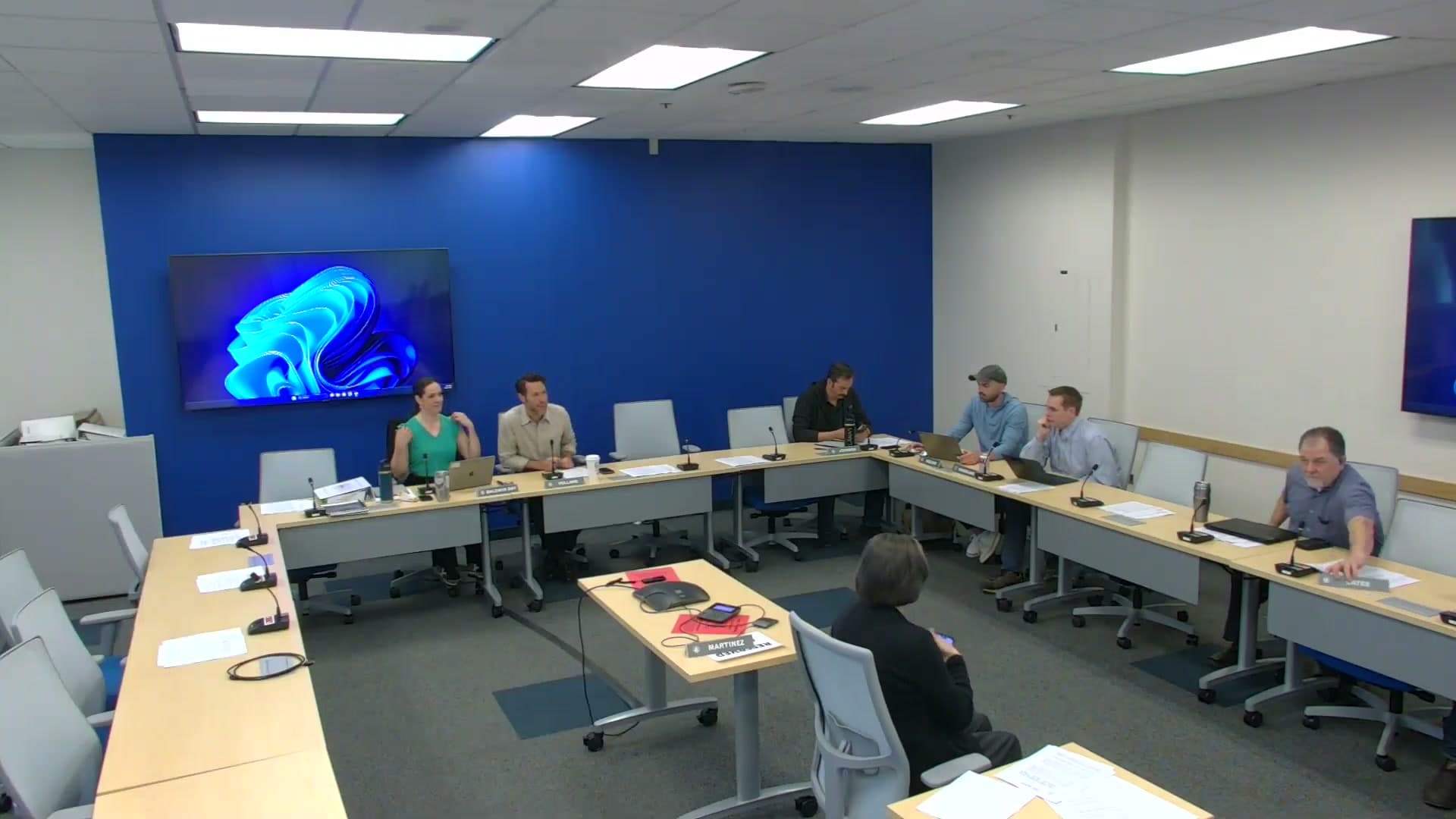
Public testimony on the overlay closed Oct. 7, and the Assembly voted 11-0 to postpone action, Alaska News reported Oct. 8. The ordinance returns as unfinished business at the Assembly's Nov. 4 regular meeting at 5 pm, with the substitute listed under the same agenda item. Because testimony is closed, the decision rests with the Assembly.
Source: Municipality of Anchorage: Assembly documents and the Mayor's releases, Amendment posted ahead of Anchorage's Nov. 4 housing overlay vote would add 10-foot front setbacks and a 30-foot cap in single- and two-family zones.
Made by our human newsroom with AI. How humans and AI work here · Grow with our newsroom
Stay informed. Support what matters.
Free local news you can verify. Support Walter AlaskaNews and go ad-free.






Comments
Sign in to leave a comment.
No comments yet. Be the first to share your thoughts.