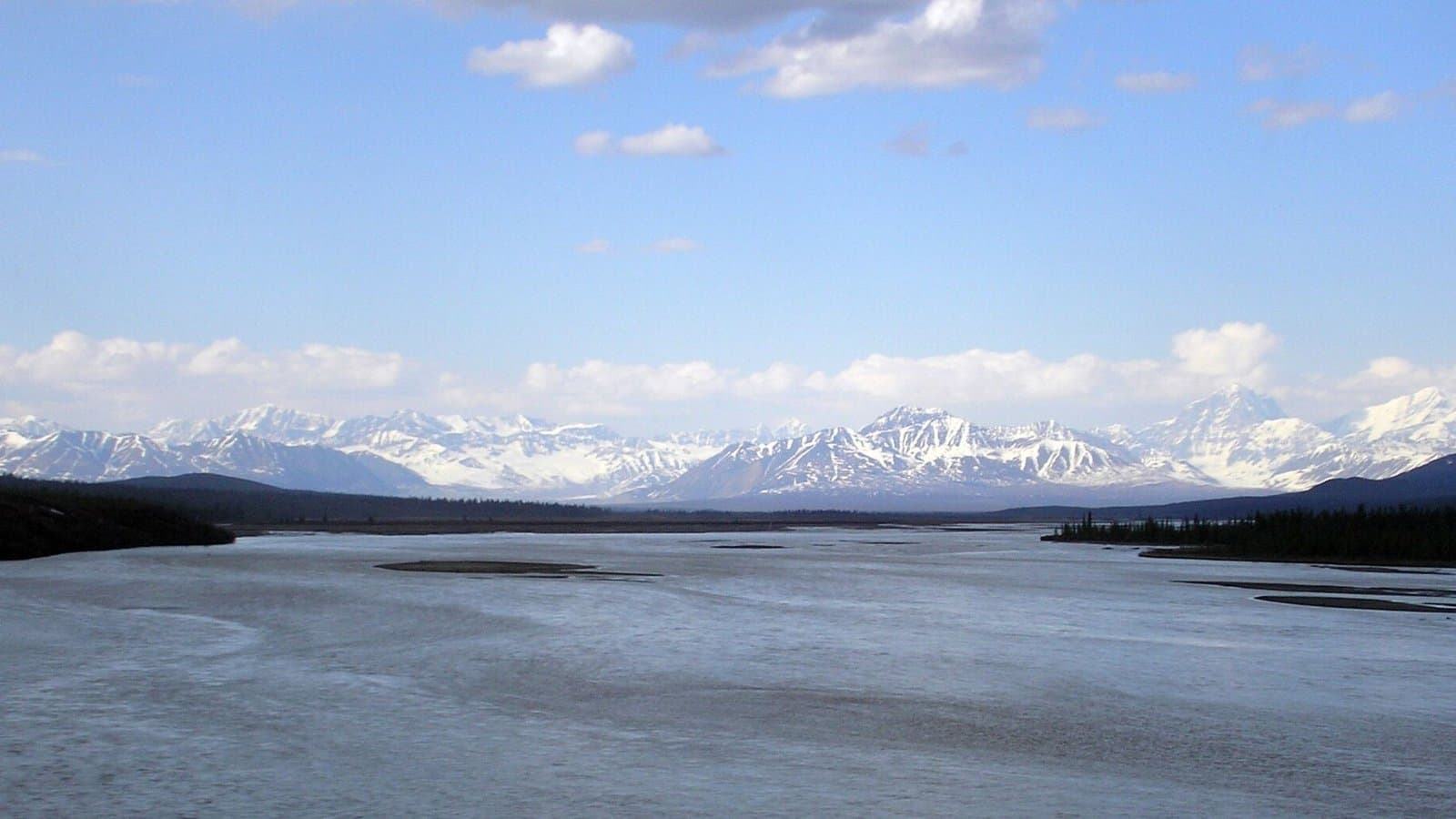
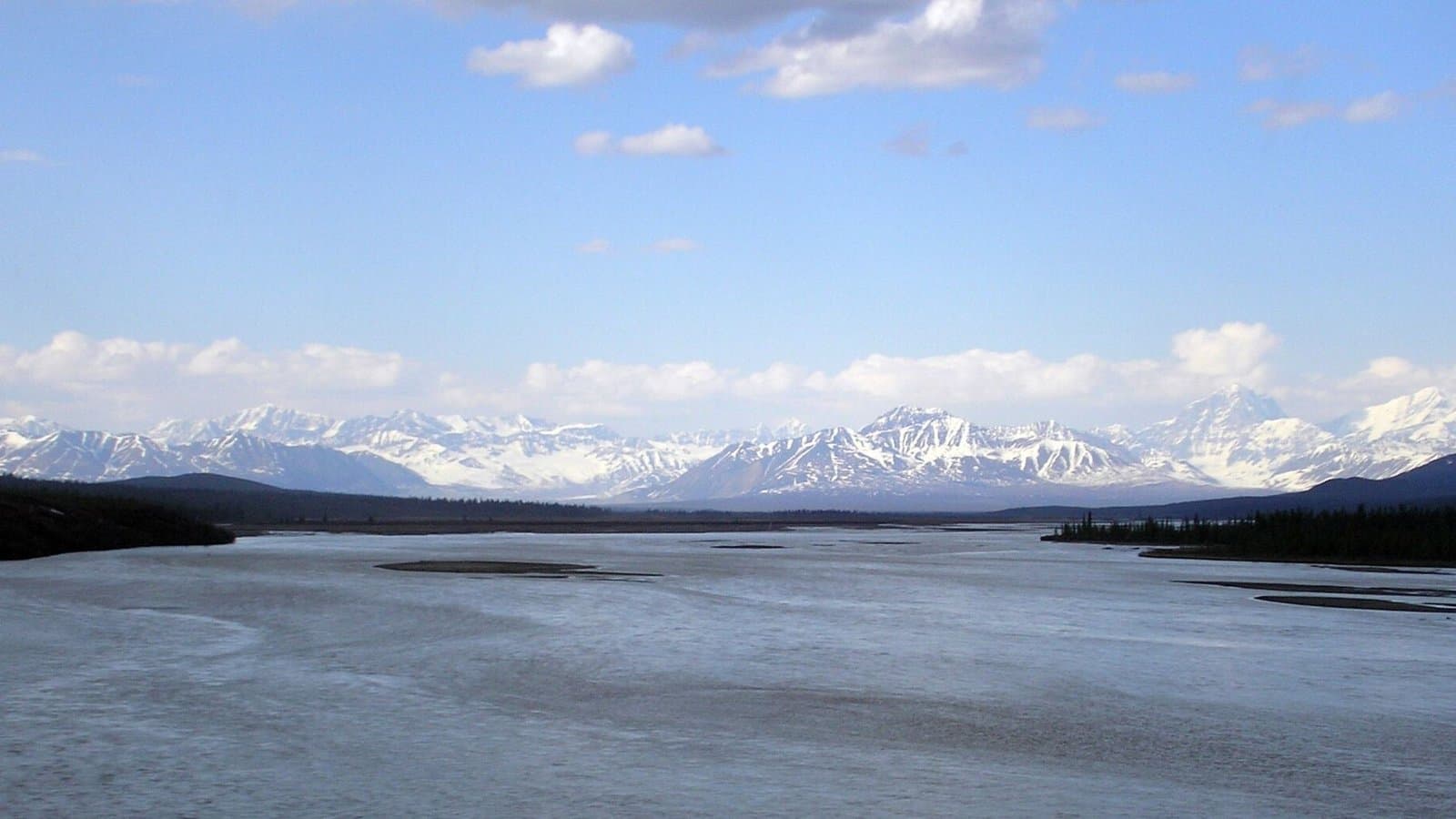
Photo: jkbrooks85 via Wikimedia Commons · Photo source · CC BY 2.0
Alaska takes a new look at the 705-foot Susitna dam as Cook Inlet gas runs short
The Alaska Energy Authority's board voted Thursday to take a new look at the Susitna-Watana dam, a hydroelectric project that could supply more than half of the Railbelt's electricity and that the state shelved more than a decade ago.
"Time is of the essence," the board's resolution says. A federal clean electricity tax credit could cover up to half the dam's eligible cost, but certain construction milestones must be met before the end of 2033 to get the most.
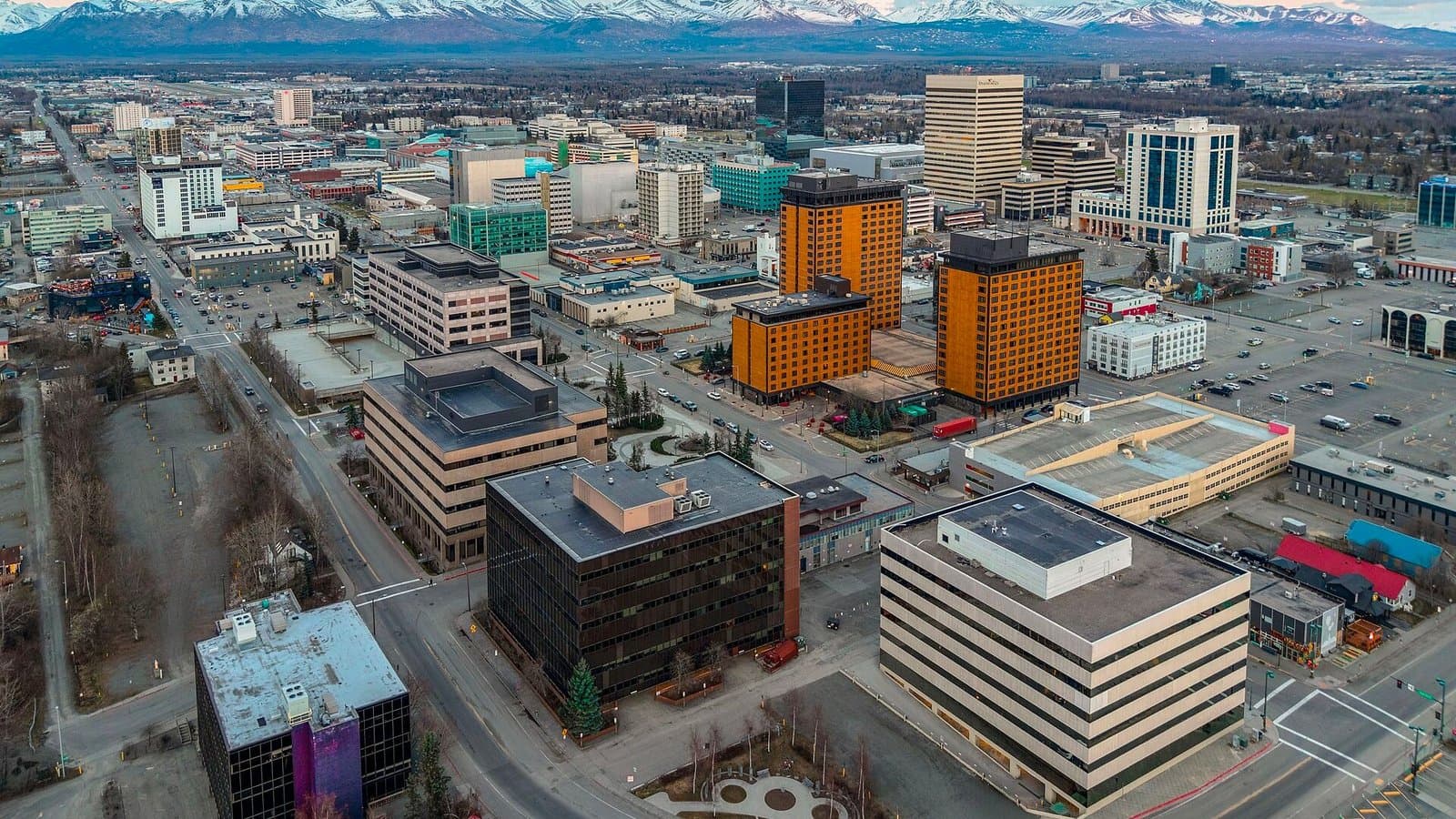
The vote comes as the Railbelt's power keeps getting more expensive. Cook Inlet gas, which Southcentral relies on for heat and electricity, is running short. Producers told lawmakers in September that the region won't have enough gas to get through the winter of 2029 without imported gas or gas from the North Slope. The resolution ties rising Railbelt power costs to the dwindling gas supply and points to Golden Valley Electric Association's residential rates in the Interior, nearly 35 cents a kilowatt-hour.
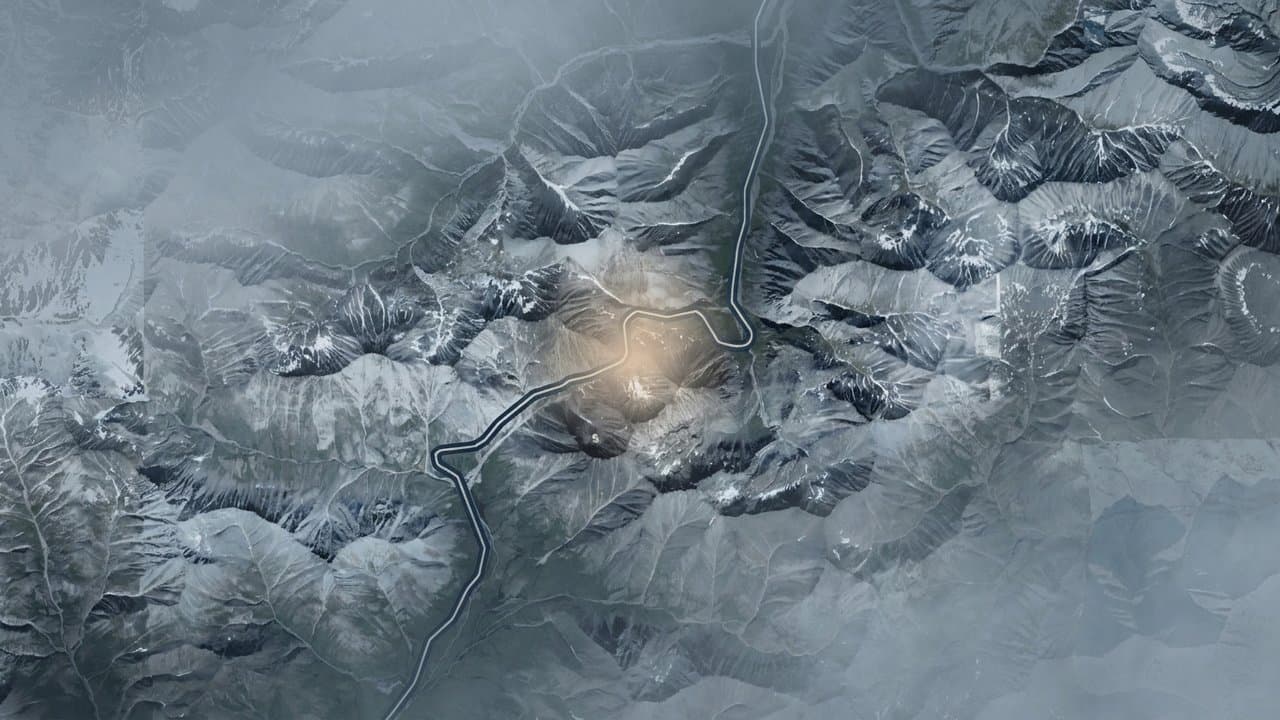
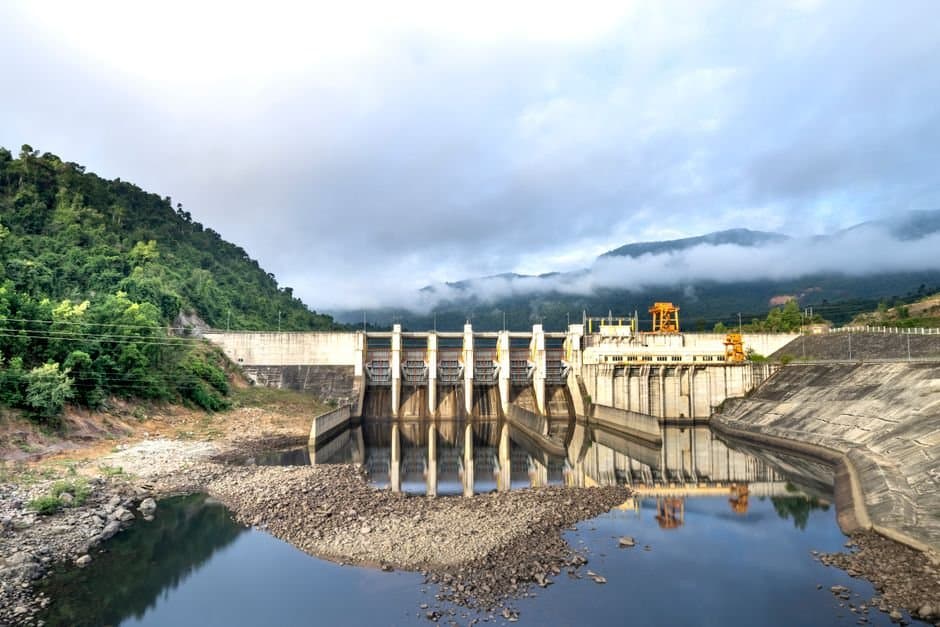
The dam would be a concrete wall about 705 feet high on the Susitna River above Talkeetna, nearly as tall as Hoover Dam. It would have a maximum capacity of 618 megawatts and produce about 60% of the electricity the Railbelt uses now, the authority told the Legislature in a January letter.
The authority says the dam would move the Railbelt to 80% renewable power and save $11 billion, in 2014 dollars, by replacing natural gas generation.
Its 2014 cost estimate of about $5.5 billion works out to about $9 billion today. With the tax credits, the resolution says, the cost could fall back toward $5.5 billion, and the dam could make power for about 6.5 cents a kilowatt-hour. That's close to the cost at Bradley Lake, the state-owned hydro plant near Homer that the authority says makes the Railbelt's cheapest power.
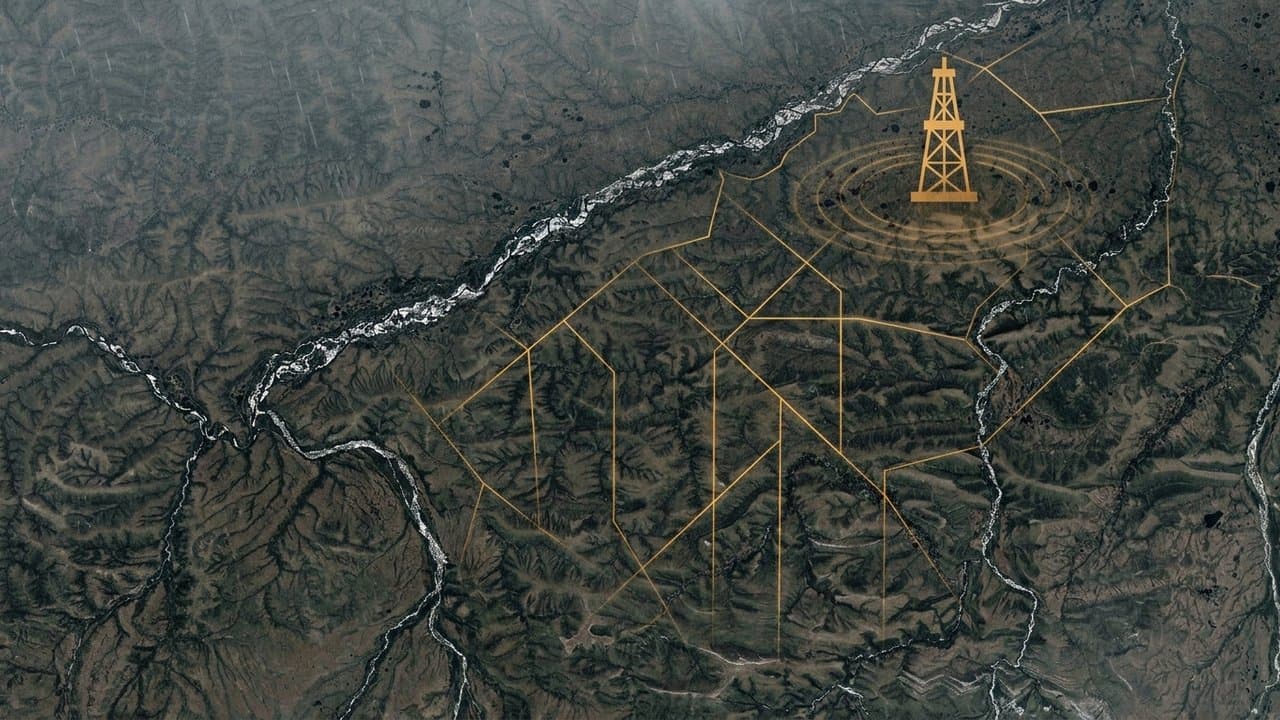
The authority spent about $200 million on licensing work, including 58 studies, and got about two-thirds of the way through federal licensing before the project stopped. Then-Gov. Bill Walker put it on hold in December 2014, and work ended in 2017.
Thursday's vote doesn't approve construction or commit money to build. It directs Executive Director Curtis Thayer to find out whether the tax credits apply and which studies and permits are still needed, then report back on what moving ahead would cost and how long it would take.
Even in the best case, power from the dam is years away. "So even if we decide that we want to pursue this, perfect case, we're a good 15 years away. This does not solve our problem today," Thayer told a legislative hearing on natural gas shortages in August.
The authority won't make the final call, Thayer told the board in April. A project that size would need the governor, the Legislature and federal officials, according to the meeting minutes.
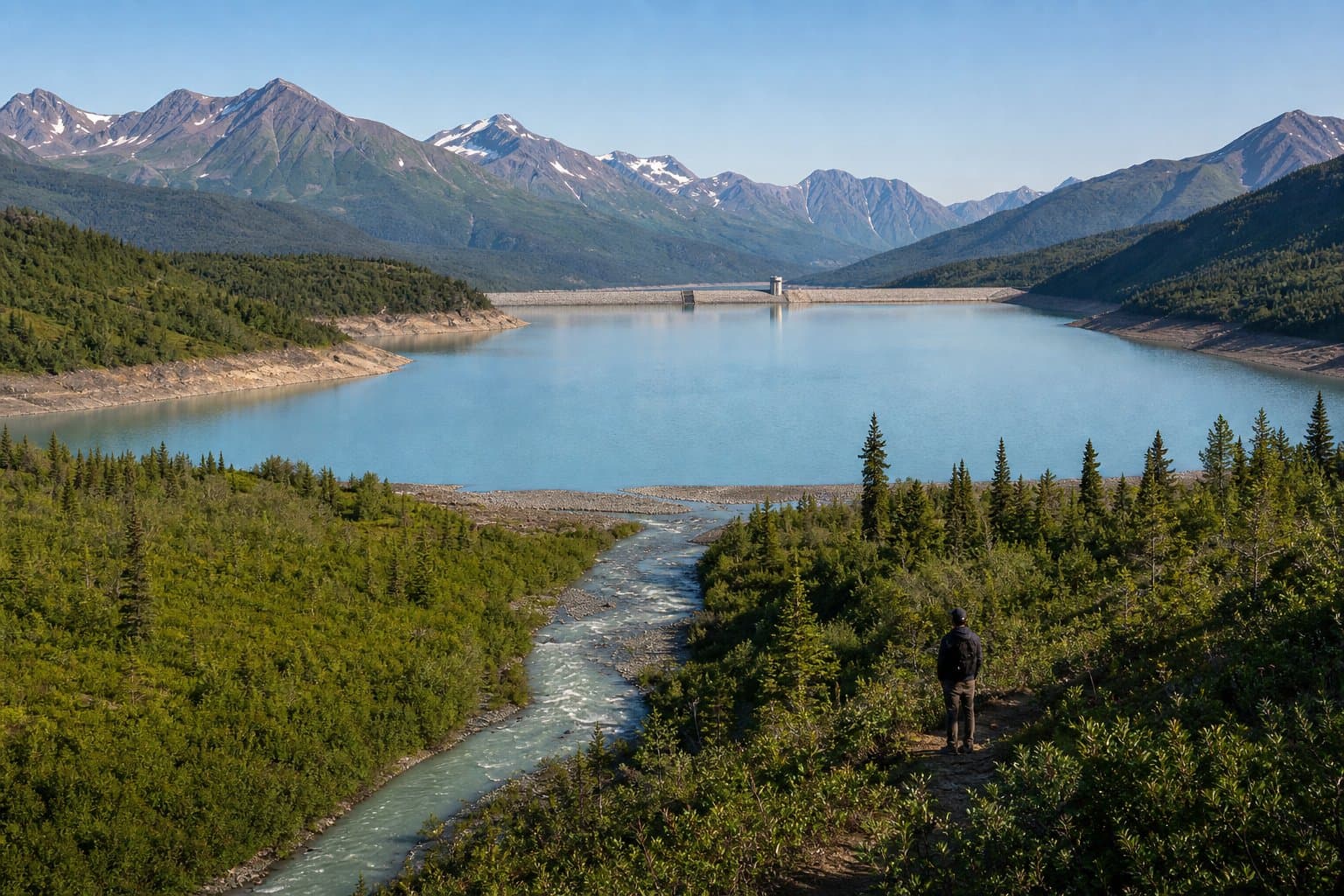
Railbelt utilities wrote to Gov. Mike Dunleavy in May 2025 supporting the dam. The Talkeetna-based Susitna River Coalition opposes it, saying it would create a 42-mile reservoir and flood 40,000 acres of wildlife habitat.
What did you make of this story? (no account needed)
Made by our human newsroom with AI. Reviewed by Cale Green. How humans and AI work here · Grow with our newsroom ·
Get Alaska News in your inbox
Create your free account and get the day’s top stories around 6 each morning, in a few minutes’ read.
Top stories, around 6 each morning.
Stories on what you follow, on Sundays.
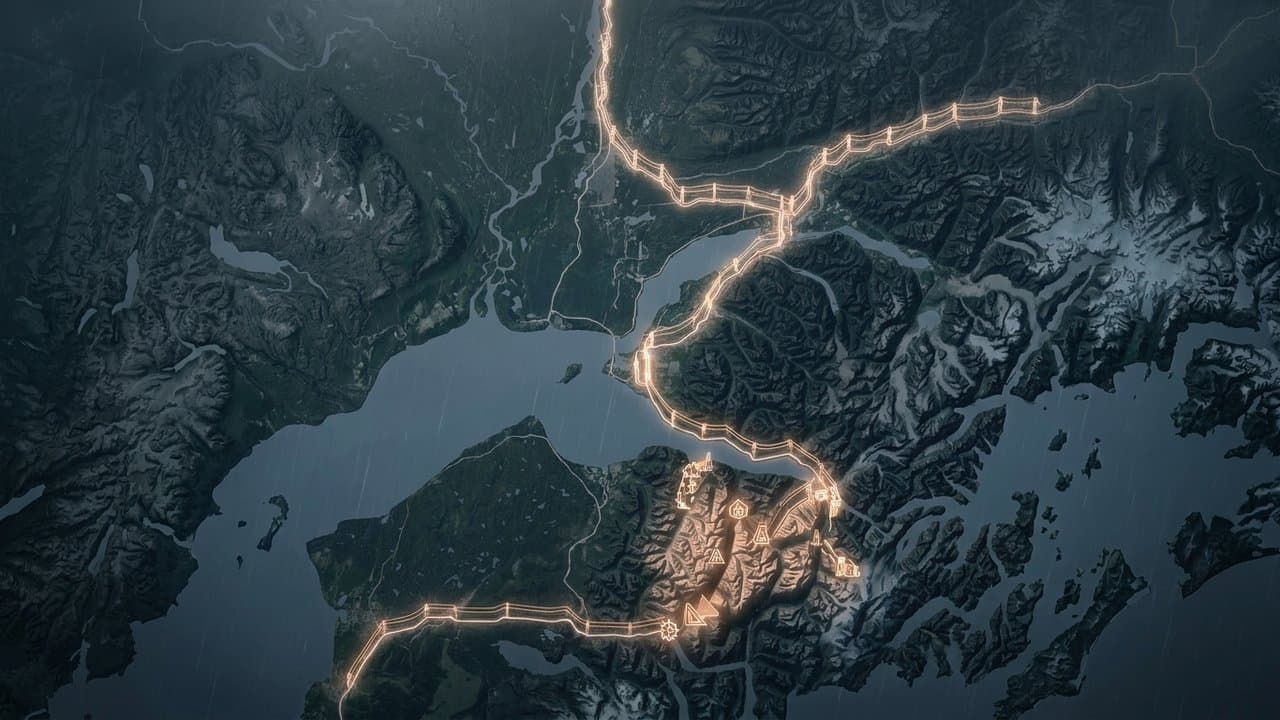
Source: Alaska Energy Authority.






Comments
Sign in to leave a comment.
No comments yet. Be the first to share your thoughts.