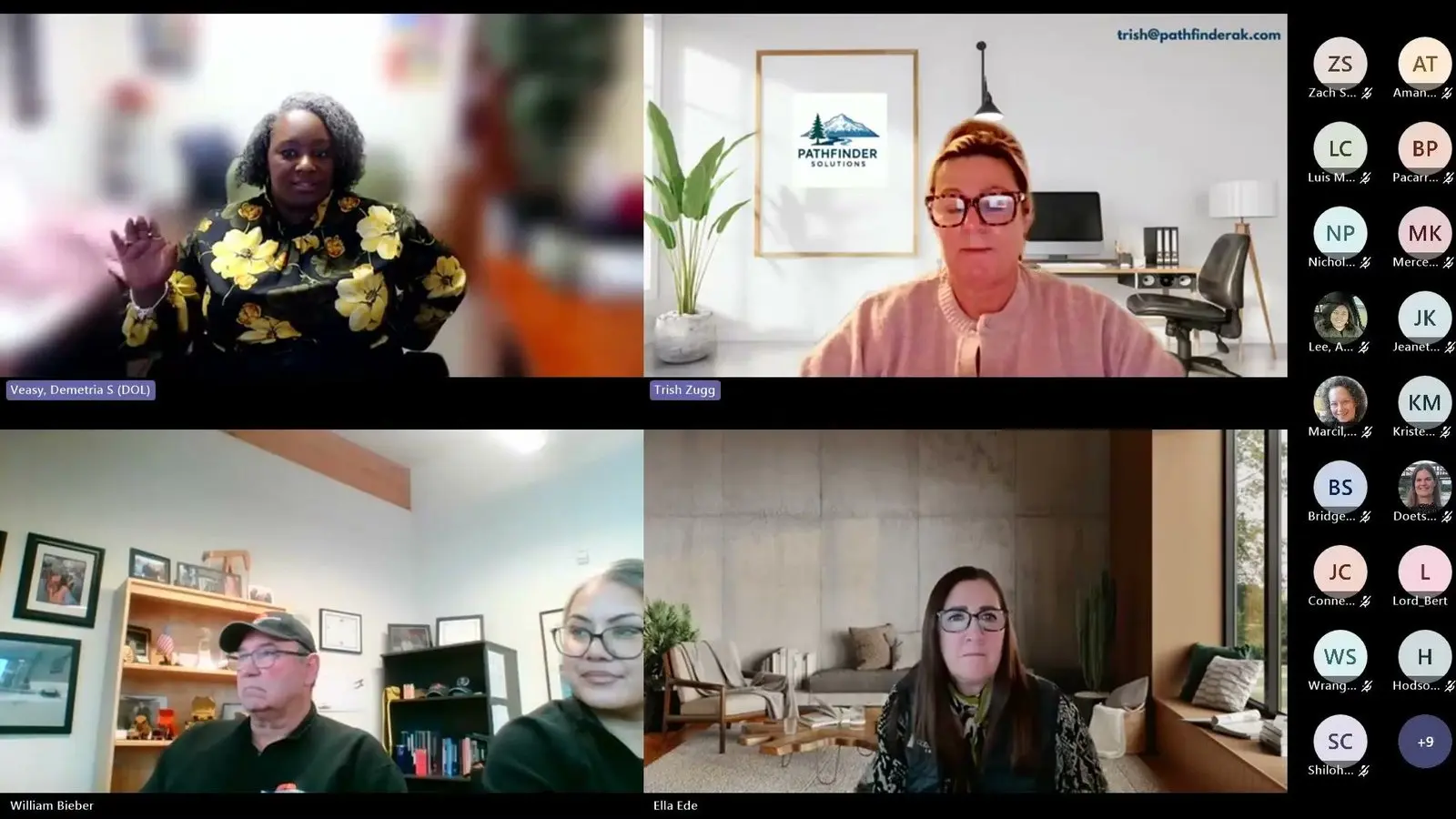
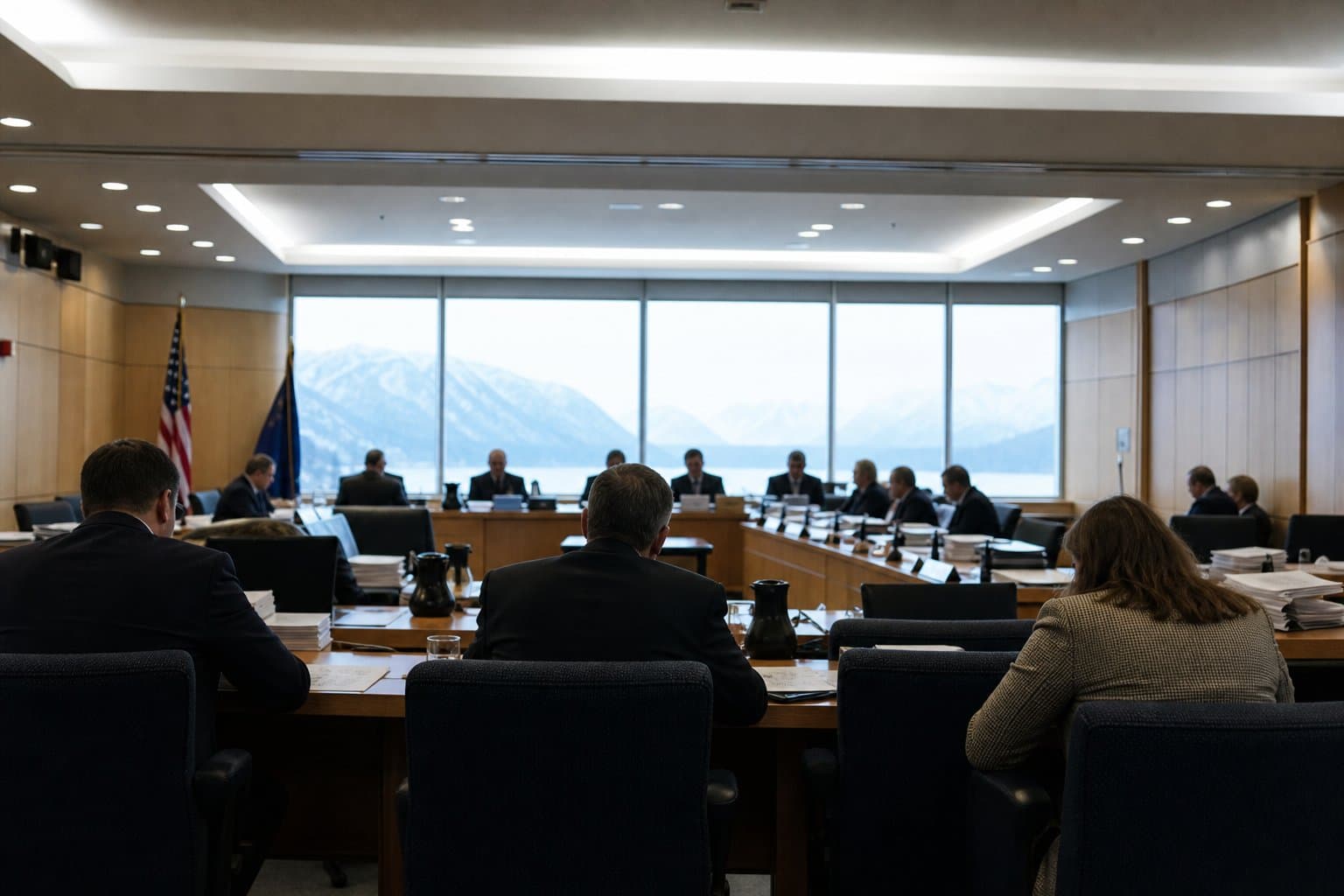
Frame from "Alaska Labor & Workforce: Mining Industry" · Photo source
Alaska LNG hiring waits on an investment decision the company can't pin down
Editor's note: This story was updated to make clear that Alaska LNG hiring depends on an investment decision the company can't date, and that the spring timing is one official's estimate.
The company developing the Alaska LNG gas pipeline isn't hiring construction workers, and it won't until the project's owners commit the money to build it, a decision the company says it can't put a date on.
Glenfarne calls that commitment its final investment decision. It hasn't made one, and no committed money to build the project has been made public. South Korea, which Trump administration officials have said would put more than $50 billion into it, says it is still reviewing its investment.
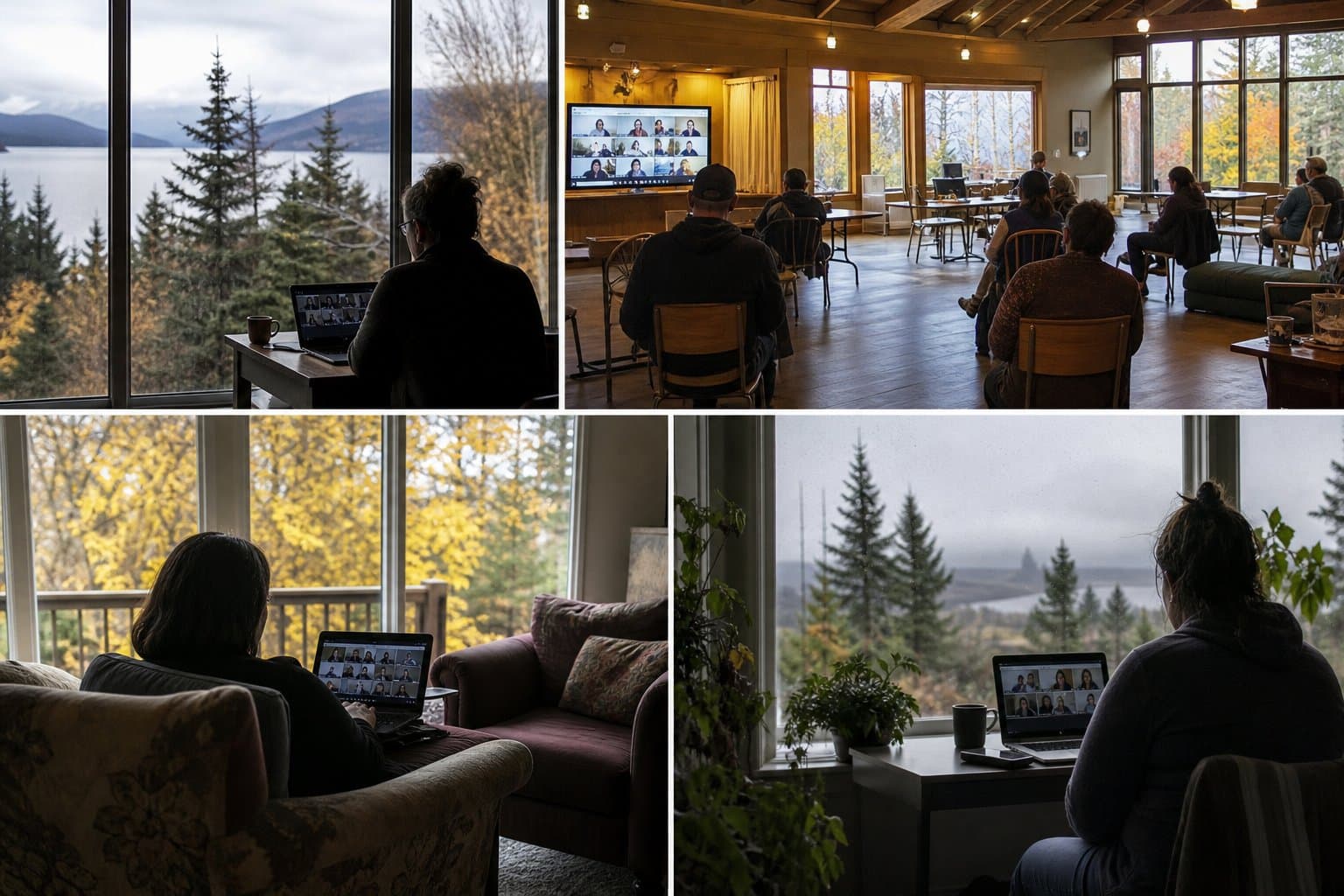
In an online session this week for students and career counselors, Glenfarne Alaska LNG's community affairs and workforce development lead, Ella Ede, was asked for "some candy" on when people might be working. Her best guess was spring.
"I really think realistically, the soonest we would see, you know, the ... what we call final investment decision and starting to employ people for these jobs would probably be the spring," she said, according to a transcript. "I would love to say winter." With "a new administration and everything else going on in the political world," she said, spring or summer is more realistic.
The project's dates have slipped before. In February, the company told federal regulators that its first construction work would start April 15, 2026. That work has since moved to 2027.
The project "did have some delays based on things that happened in Juneau," Ede said. She described two paths forward: a tax bill through the Legislature, where one stalled this year, or working through the U.S. Department of Commerce. On the private path, Glenfarne Alaska LNG President Adam Prestidge said Nov. 11, milestones outside the company's control make it "impossible for us to pinpoint exactly when FID will occur."
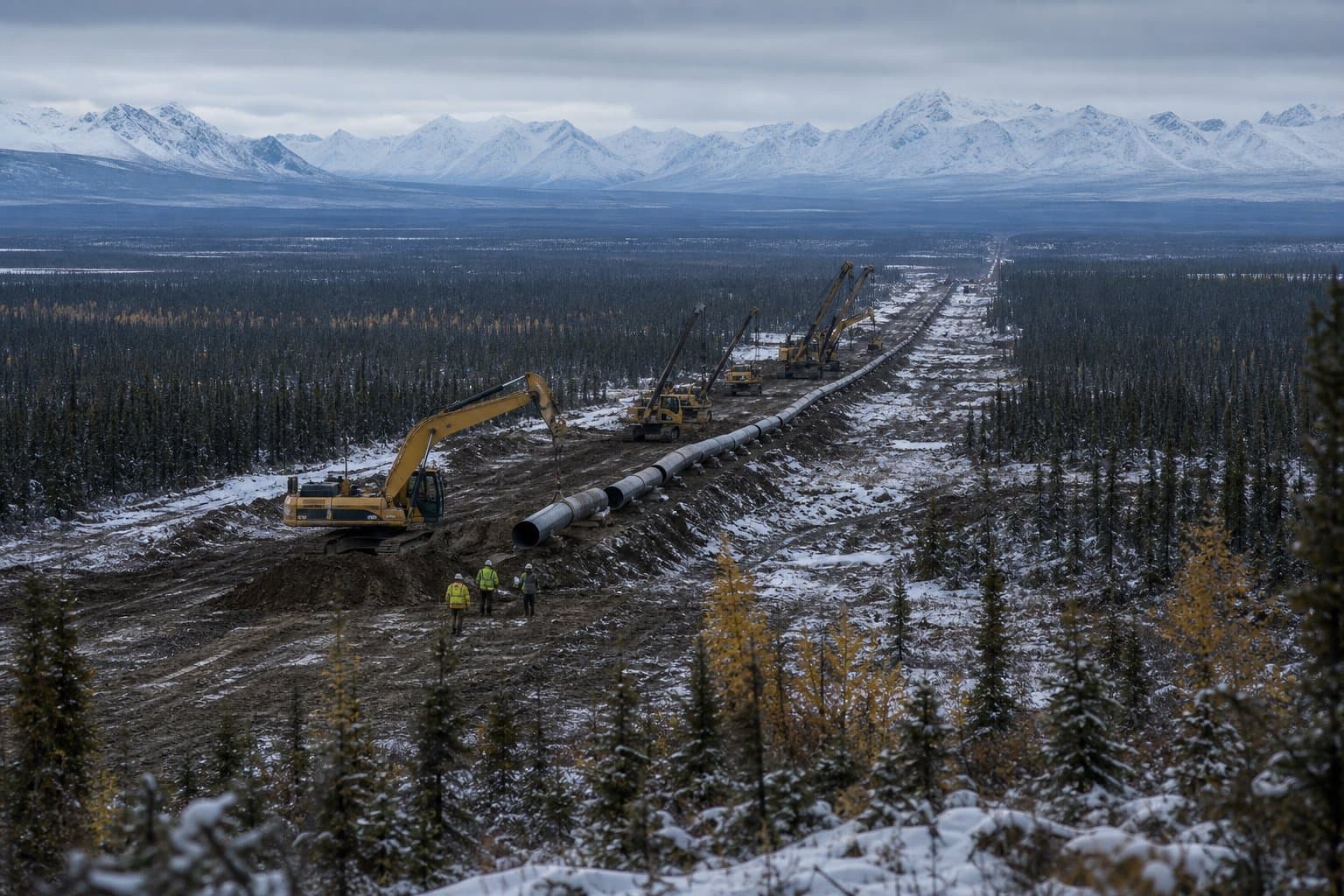
If the project goes ahead, Glenfarne estimates about 800 workers for a first year of road, gravel and camp work; a peak of 12,000 when the two phases of construction overlap; and about 1,000 full-time jobs over 30-plus years.
The state's numbers are smaller. A state labor department analysis released in August projected about 6,600 Alaska LNG workers at peak construction. Its report assumed an investment decision in 2026, which hasn't happened, and found that demand would exceed what Alaska's workforce and training programs can supply.
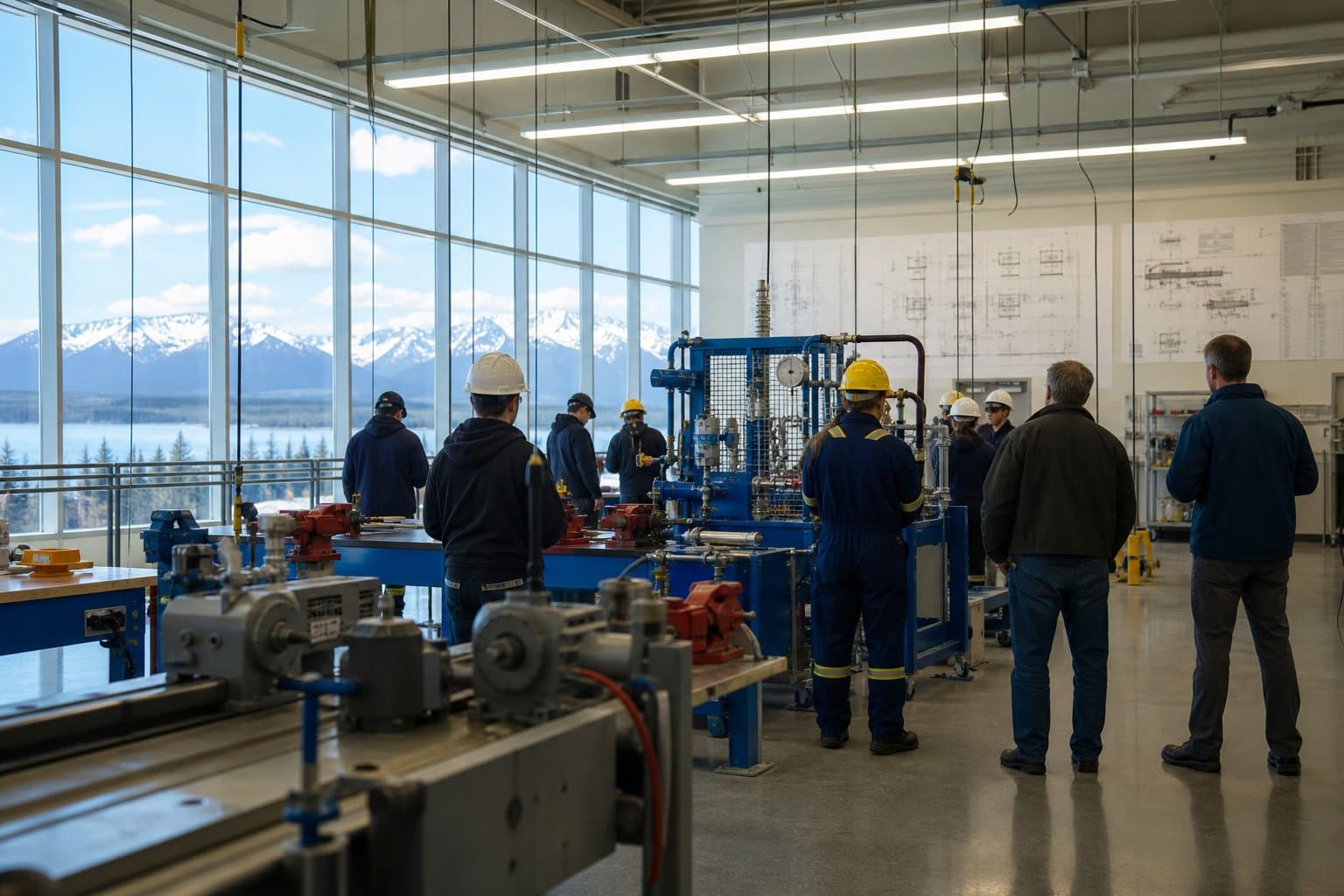
Ede said the project would need equipment operators, welders, truck drivers and unskilled laborers, including "students right out of high school," whom it would train.
Glenfarne has no target for hiring Alaskans, she said. It signed an agreement last summer with 18 Alaska labor unions to provide most of the labor and put Alaska workers first. But "even if we were to ... hire every Alaskan we can, we're still going to have to bring in people from out of state," she said.
What did you make of this story? (no account needed)
Made by our human newsroom with AI. Reviewed by Cale Green. How humans and AI work here · Grow with our newsroom · Transcript byLucas Brown
Keep Alaska News free for everyone.
No paywall, ever. Members pay so everyone can read the meetings and records Alaska News covers.
Get Alaska News in your inbox
Create your free account and get the day’s top stories around 6 each morning, in a few minutes’ read.
Top stories, around 6 each morning.
Stories on what you follow, on Sundays.
This article is based on a public meeting of Alaska Department of Labor and Workforce Development — Alaska Labor & Workforce: Mining Industry ().
Watch key moments from the source meeting. Click to expand.










Comments
Sign in to leave a comment.
No comments yet. Be the first to share your thoughts.