
Editorial map (Gemini + Google Maps)
Seward lets small apartment buildings skip permit hearings in five zones starting Dec. 3
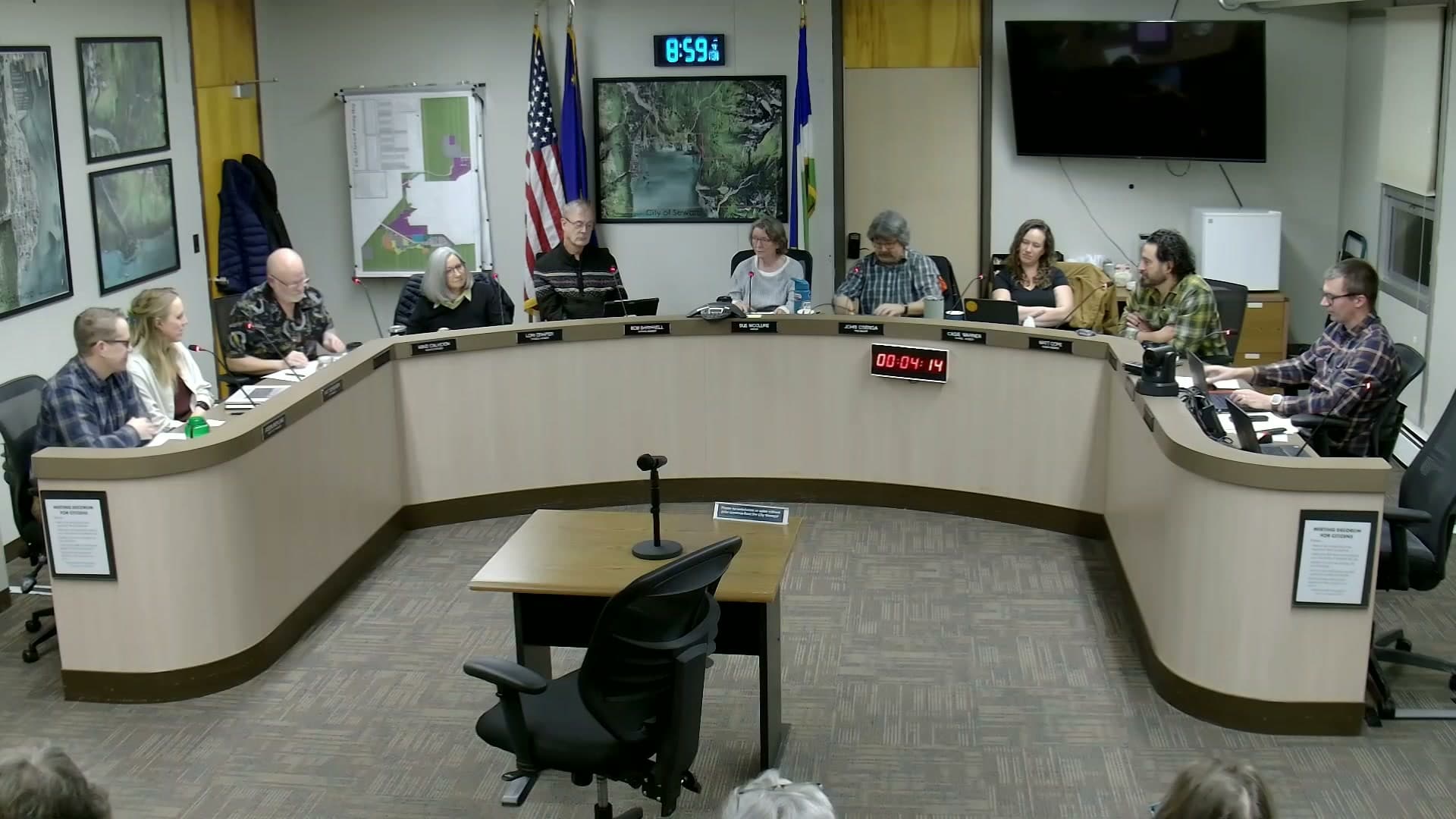
The Seward City Council voted 7-0 Monday to let builders put up apartment and condominium buildings of three to five units in five zoning districts without a conditional use permit, the case-by-case approval that comes with a public hearing.
The ordinance takes effect Dec. 3. Until then, such a project needs the Planning and Zoning Commission's approval. Property owners within 300 feet are notified by mail, and the builder pays a $374.50 filing fee, according to the city's permit application.
Under the new rules, builders will instead meet standards written into city code: landscaping with living plants, bear-resistant garbage carts in a three-walled, roofed enclosure and parking that meets the Americans with Disabilities Act. In October, the commission held such a hearing for a fourplex on Phoenix Road and approved it with conditions for parking, landscaping and bear-resistant trash containers.
The five districts, according to the ordinance, are multi-family residential, urban residential around downtown, office/residential, highway-oriented auto commercial and the central business district. In the harbor commercial and resource management districts, those buildings still need a permit. So do buildings of six or more units in every district that allows them. Townhouses and studio apartments also lose the permit requirement in some of the five districts, as do accessory dwelling units in the central business district.
For projects that still need a permit, the ordinance adds a new test. Starting Dec. 3, the commission may weigh whether an applicant has shown "the ability and willingness to comply with permit conditions," judged by the applicant's record on earlier city permits. Commission Vice Chair Brenan Hornseth added it in October, saying the city has no enforcement officer.
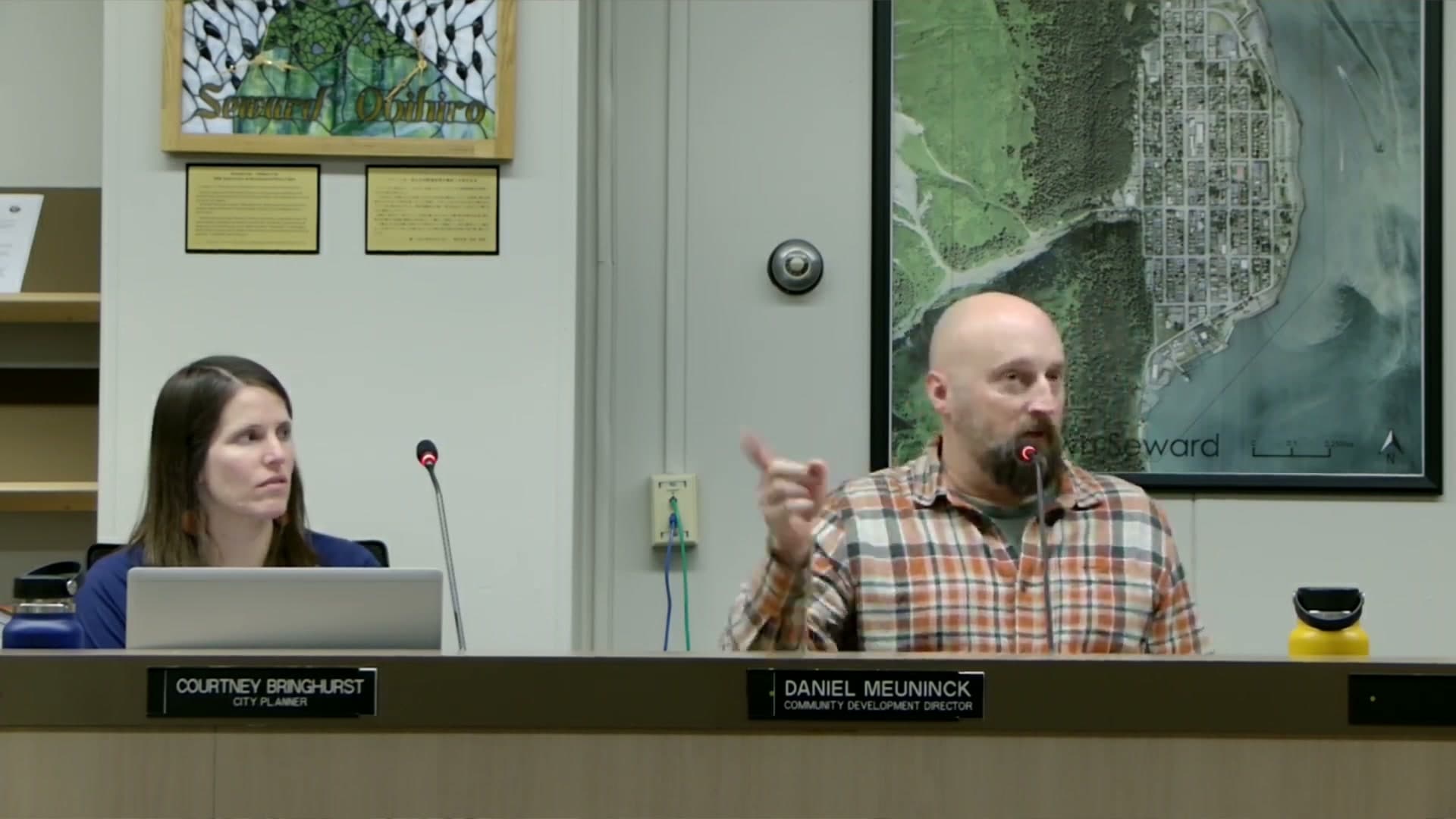
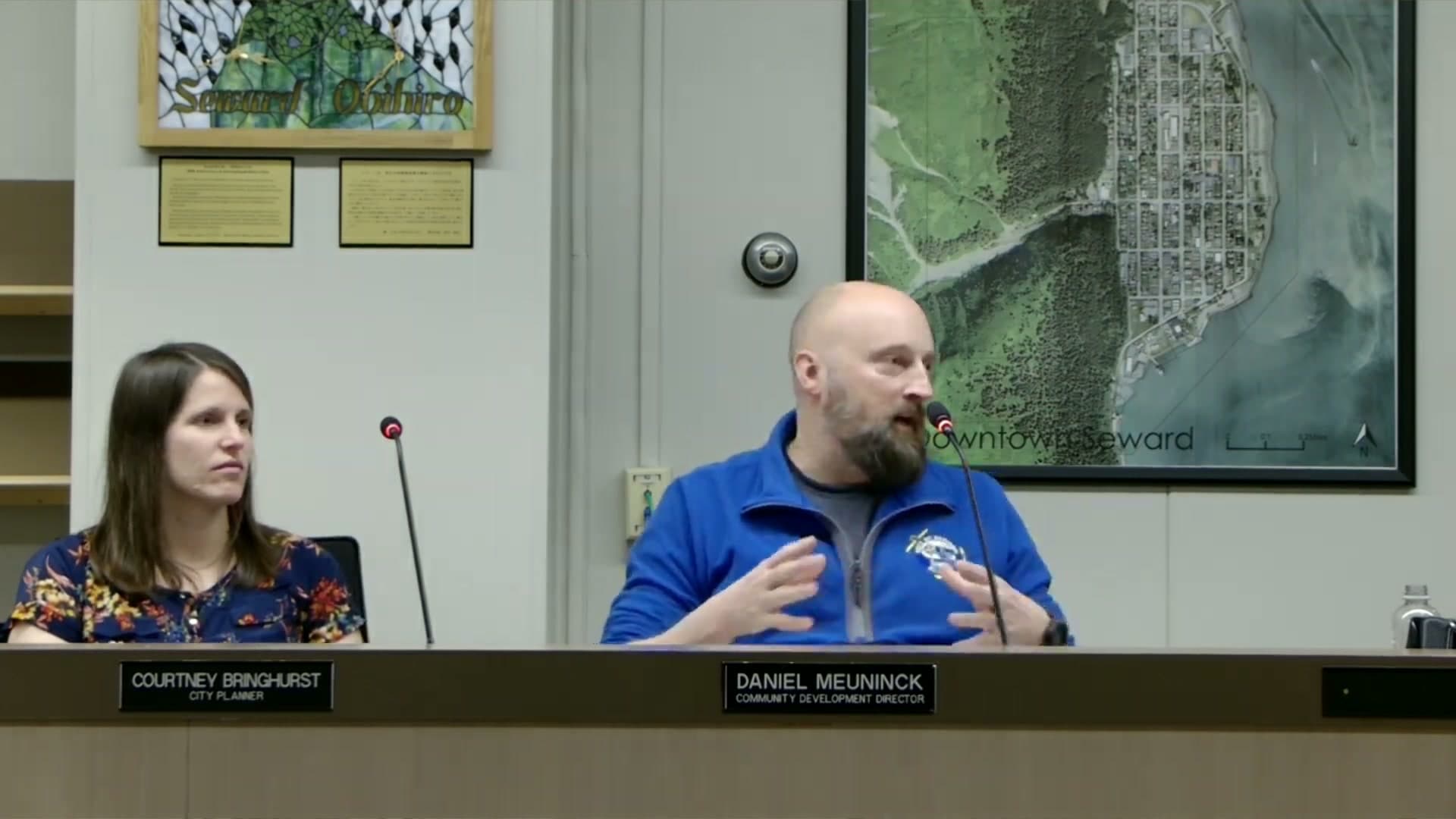
City Planner Courtney Bringhurst told the council the old code gave the commission no way to deny a permit to someone who had ignored conditions on past permits. She relayed a warning from the City Attorney's Office that the language could invite legal challenges and appeals. She said the office pointed to three problems: it can be hard to say who is responsible for old violations, decades-old violations might be counted and the language does not separate minor violations from serious ones.
Bringhurst offered three options: keep the test as written, narrow it to active enforcement cases or drop it. Council member Michael Calhoon favored keeping it, saying permits "have been issued that have not been followed quite often." Vice Mayor John Osenga said narrowing it made sense to him. Mayor Sue McClure called it "good as written." Council member Matt Cope asked whether the city ranks violations as minor or major and was told it does not.
The council left the test unchanged. No one testified at the public hearing.
Other new requirements apply to every conditional use permit application. Applicants must include current photos of the site. The applicant or a representative must attend the hearing, in person or by phone, or the application is postponed. The property must also be current on what it owes the city, including property and sales taxes, utility bills and assessments, or in compliance with a repayment agreement.
What did you make of this story? (no account needed)
Made by our human newsroom with AI. How humans and AI work here · Grow with our newsroom ·
Keep Alaska News free for everyone.
No paywall, ever. Members pay so everyone can read the meetings and records Alaska News covers.
Get Alaska News in your inbox
Create your free account and get the day’s top stories around 6 each morning, in a few minutes’ read.
Top stories, around 6 each morning.
Stories on what you follow, on Sundays.
Source: Seward council enacts zoning change letting three- to five-unit housing skip conditional use permits, and keeps a new test of applicants' compliance history.











Comments
Sign in to leave a comment.
No comments yet. Be the first to share your thoughts.