
AI image
Alaska gets $1.66 million to track SNAP errors as costly federal deadline nears
The U.S. Department of Agriculture is giving Alaska $1.66 million to build a new system for checking its own work on SNAP, the federal food aid program, as the state tries to fix an error rate that could soon cost it tens of millions of dollars a year.
The system would replace "outdated manual tracking" with integrated case management, reporting and dashboards, USDA said on its grant page, which listed Alaska among four states awarded in September.
About 69,500 Alaskans in roughly 32,400 households got SNAP benefits in July, totaling about $21.4 million that month, according to USDA data.
The federal government pays for those benefits, and the state decides who qualifies and how much they get. Reviews by the state and by USDA check that work and produce Alaska's payment error rate, which counts both overpayments and underpayments.
Alaska's rate has been the worst in the nation three years running. It averaged 15.3% from federal fiscal years 2014 through 2024, according to a Legislative Finance Division review.
Starting in federal fiscal year 2028, states with error rates of 6% or higher would pay part of the cost of benefits themselves. For Alaska, that could mean $16.3 million a year at a rate of 6% to 8%, and $49 million at 10% or more, according to the Department of Health's hearing slides. The slides note that the cost-sharing may be delayed for qualifying states and that the actual bill depends on future error rates.
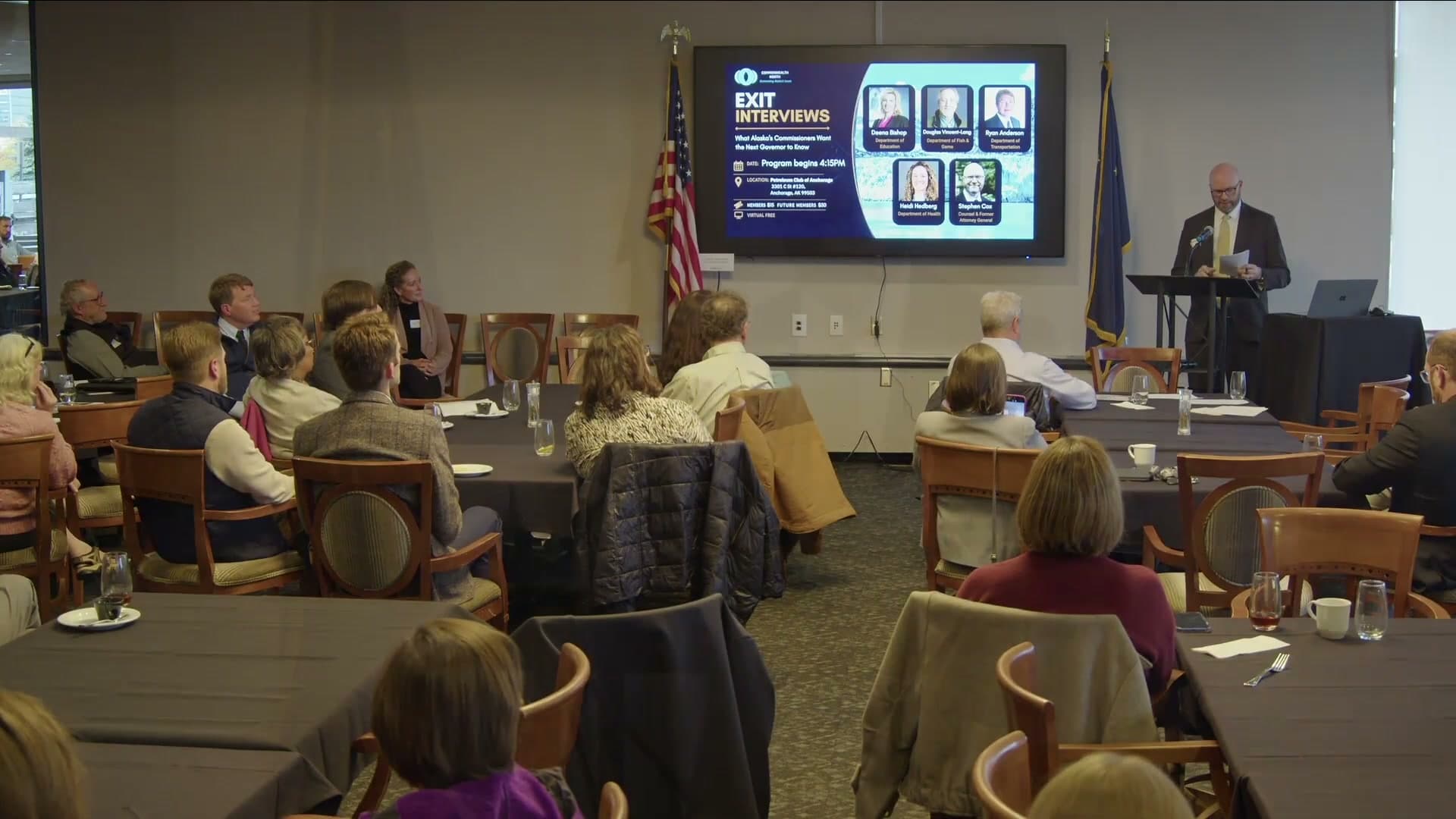
"We have a lot of work to reduce our payment error rate to get it below 6% by the end of this calendar year, and we're sitting at 20%," Health Commissioner Heidi Hedberg said at an Oct. 15 Commonwealth North forum. Otherwise, she said, it would be a $45 million price tag for the next administration. Jonathan Kreiss-Tomkins, who won this month's governor's race, is set to take office Dec. 7.
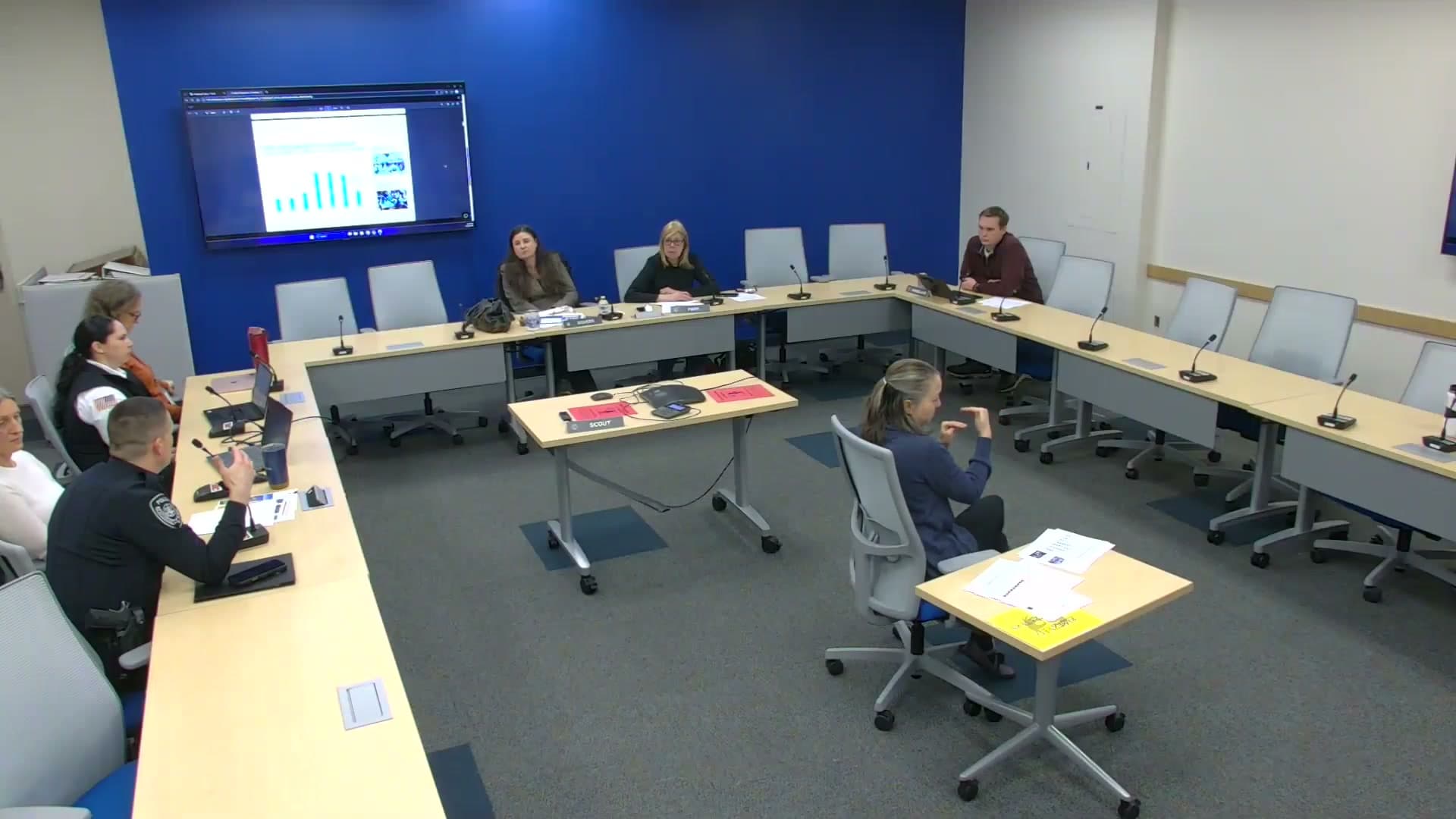
At a joint legislative hearing Nov. 10, officials projected an error rate of about 18% for 2026, a figure that isn't final. A state official said the rate had reached about 60% when the state was behind on SNAP decisions, and the state's public assistance director blamed late applications for most errors. The department's plans include targeted case reviews to find where errors start, more training for eligibility technicians, and better applications, online renewals and notices.
Rep. Rebecca Schwanke, a member of the House Health and Social Services Committee, pressed officials. "My understanding is Alaska has the highest error rate. I find that absolutely unacceptable," she said.
The same day, USDA proposed ending a SNAP eligibility policy that Alaska adopted last year and that the public assistance director believes is helping lower the rate.
Alaska's share of SNAP administrative costs rose from half to 75% on Oct. 1, which the legislative review projected would add about $6.6 million in state costs this fiscal year.
The grant runs through Sept. 30, 2029. USDA lists the recipient as the "Alaska Department of Human Services," though the Department of Health's Division of Public Assistance runs SNAP in Alaska. The other awards went to North Carolina, Kentucky and Rhode Island, for an error-risk prediction model, automated income checks and a staff training tool.
What did you make of this story? (no account needed)
Made by our human newsroom with AI. Reviewed by Cale Green. How humans and AI work here · Grow with our newsroom ·
Keep Alaska News free for everyone.
No paywall, ever. Members pay so everyone can read the meetings and records Alaska News covers.
Get Alaska News in your inbox
Create your free account and get the day’s top stories around 6 each morning, in a few minutes’ read.
Top stories, around 6 each morning.
Stories on what you follow, on Sundays.
Source: Department of Agriculture.












Comments
Sign in to leave a comment.
No comments yet. Be the first to share your thoughts.