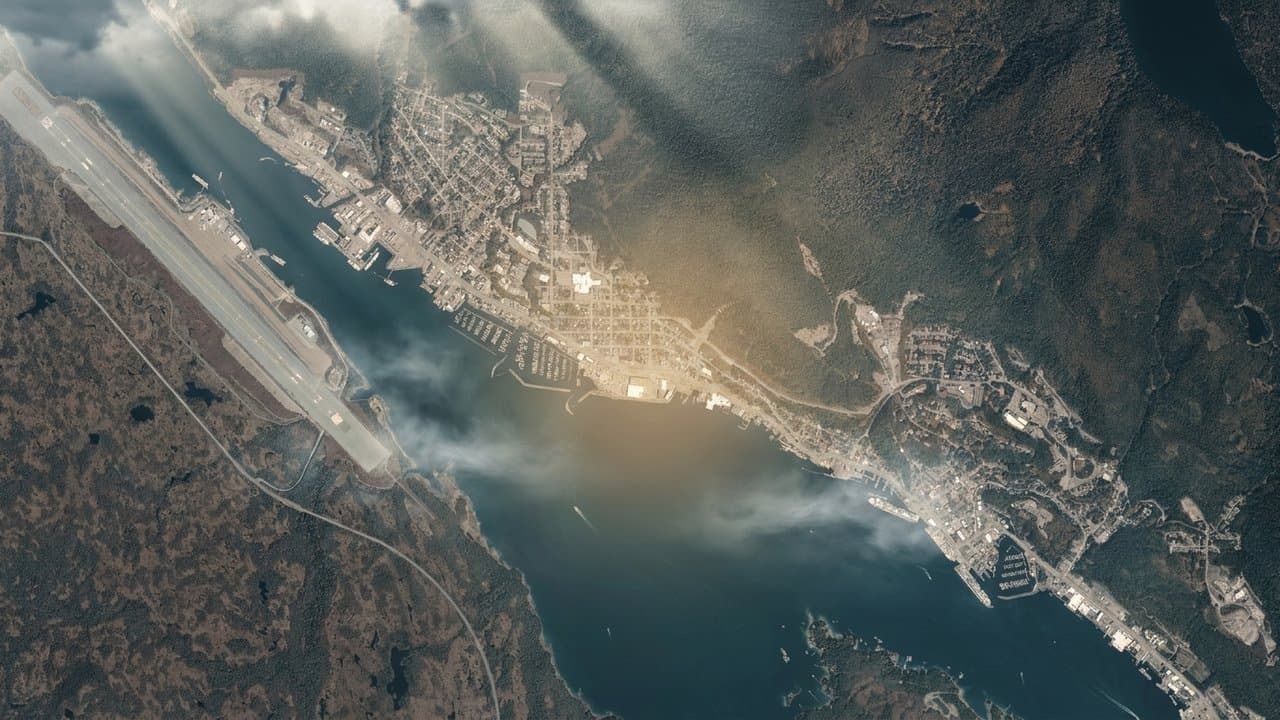
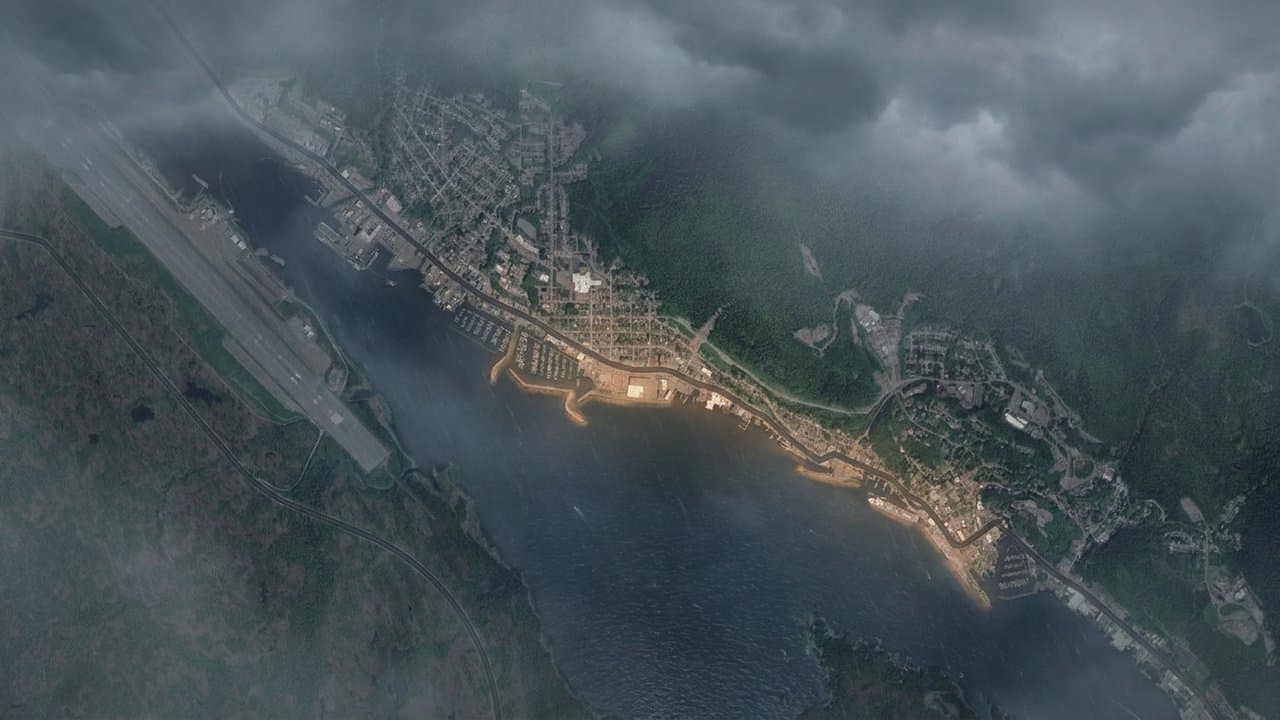
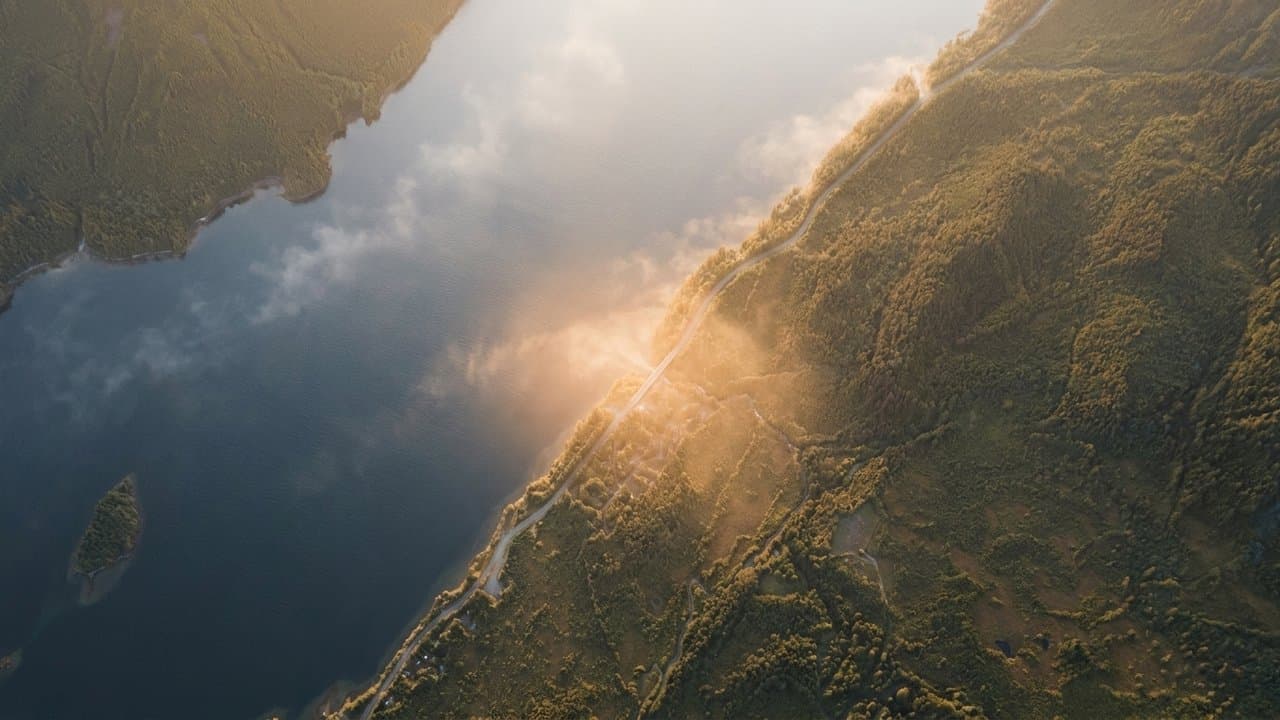
Editorial map (Gemini + Google Maps)
State takes comment on Corps plan to raise Ketchikan's Bar Point Harbor breakwaters
The Alaska Department of Environmental Conservation opened public comment Wednesday on the U.S. Army Corps of Engineers' request for state water quality certification to repair and raise the two rock breakwaters at Ketchikan's Bar Point Harbor. The certification is the state's finding that rock and fill placed in the water would meet Alaska's water quality standards. DEC received the request Oct. 20.
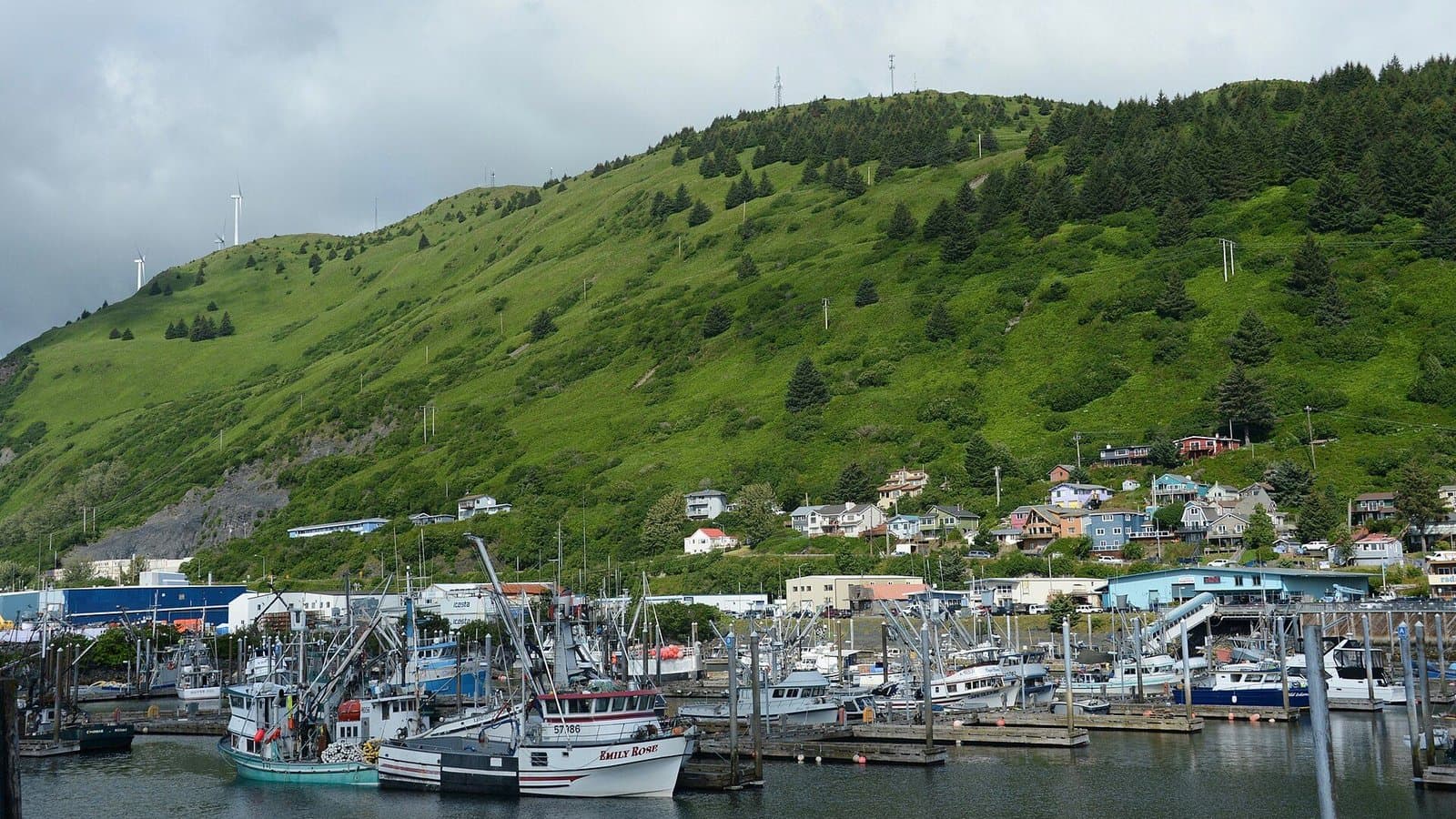
The harbor can hold 520 vessels and is the base of operations for Ketchikan's commercial fishing fleet. The southeast breakwater runs 700 feet and the west breakwater 1,100 feet. The Corps' water quality certification request says numerous inspections found the rock on both deteriorating, and the harbormaster noted waves overtopping them on some occasions.
Harbormaster photos from a 2015 high-tide storm showed waves breaking over both breakwaters, and a Corps survey that fall found the crest 1 to 4 feet below its design height in several places, according to the Corps' environmental assessment. A site visit the next spring found the rock at the crest in very poor condition.
Without repairs, the breakwaters "would continue to deteriorate," says the request, signed by Corps biologist Matthew Ferguson. "This would lead to an increasing risk of overtopping and potential catastrophic failure." Storm damage to moored boats would bring direct financial losses for vessel owners and disrupt commercial fishing, the request says.
The Corps would strip about 42,000 cubic yards of old rock, which has been in place for more than 60 years, and use it to build a berm at the seaward base of the detached breakwater. About 44,000 cubic yards of new rock would raise the breakwaters to 25.5 feet above mean lower low water. That includes armor stone averaging 2,100 pounds and a layer of B rock, also called quarry run, averaging 210 pounds.
The request estimates the project would run from October 2027 to April 2032. Work would happen only between Oct. 1 and April 1, over two consecutive winters, to limit impacts on marine mammals, fish and eelgrass, according to the Corps' Clean Water Act evaluation. Up to a tenth of an acre of eelgrass beside the stub breakwater would be lost permanently.
The evaluation found minimal potential for short- or long-term environmental effects and calls for silt curtains around the work area, spill-response equipment on hand and sorting new rock to remove fine-grained material. It found the repair would benefit commercial and recreational fisheries by reducing damage to boats moored in the harbor.
The Corps released its draft plan for the repairs in October and is taking comment on it through Nov. 21. Comments on the water quality certification go to DEC through Dec. 18 through its public notice.
What did you make of this story? (no account needed)
Made by our human newsroom with AI. How humans and AI work here · Grow with our newsroom ·
Keep Alaska News free for everyone.
No paywall, ever. Members pay so everyone can read the meetings and records Alaska News covers.
Get Alaska News in your inbox
Create your free account and get the day’s top stories around 6 each morning, in a few minutes’ read.
Top stories, around 6 each morning.
Stories on what you follow, on Sundays.
Source: U.S. Army Corps of Engineers.




Comments
Sign in to leave a comment.
No comments yet. Be the first to share your thoughts.