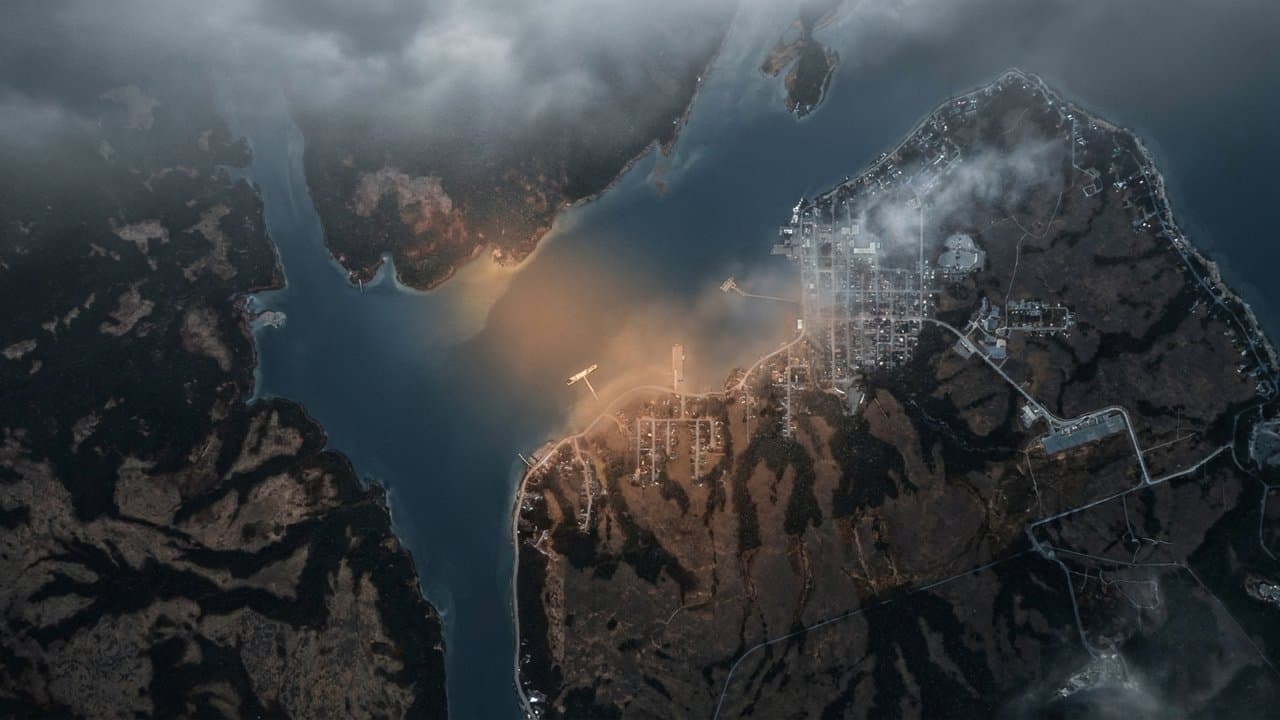
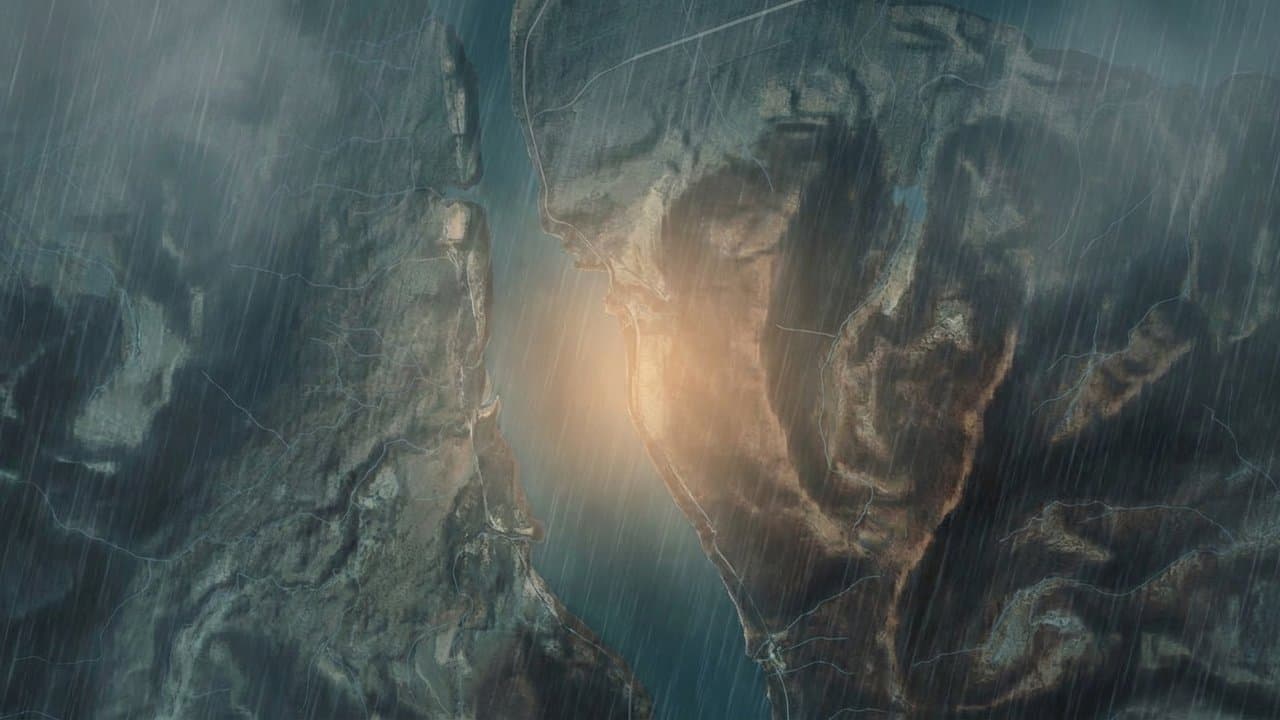
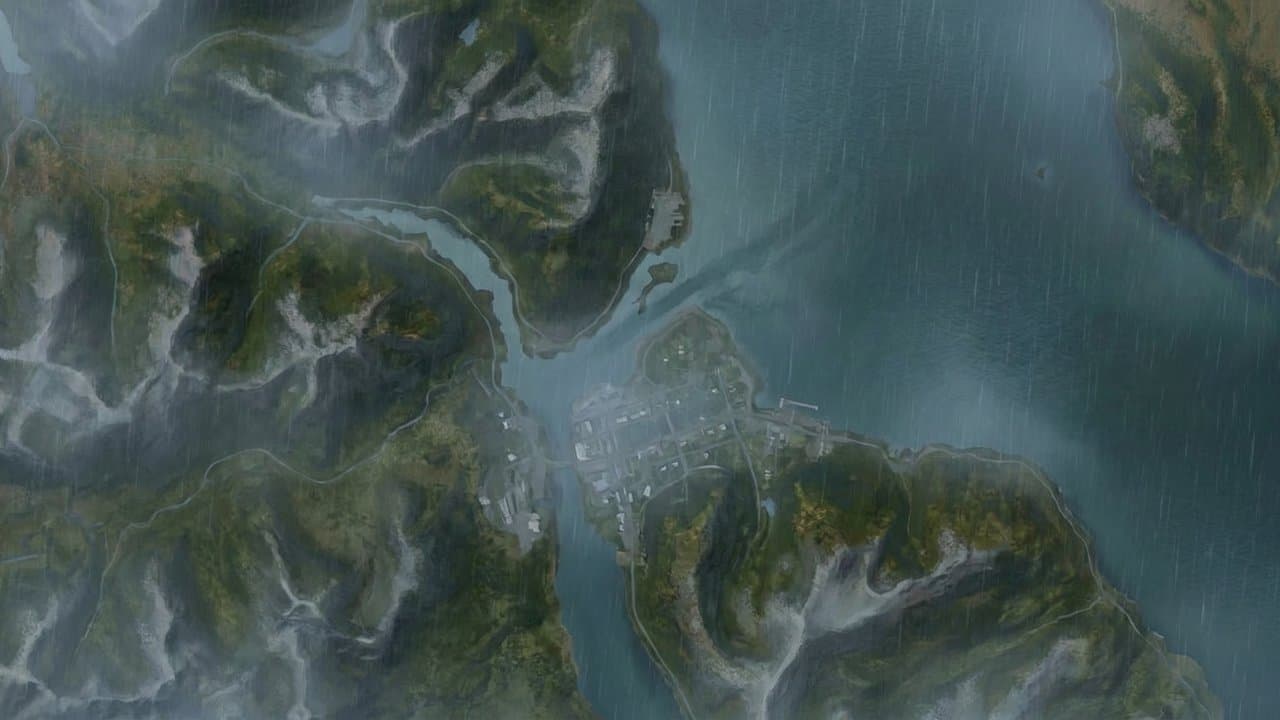
Editorial map (Gemini + Google Maps)
State opens comment on water quality certification for American Cruise Lines' Petersburg dock
The Alaska Department of Environmental Conservation opened public comment Wednesday on American Cruise Lines' request for a water quality certification for a cruise ship dock in Petersburg. The application places the project within 1,500 feet of two known contaminated sites.
The certification is the state's finding on whether a discharge from the work would comply with the federal Clean Water Act and Alaska's water quality standards, according to the department's notice. Comments are due Dec. 18.
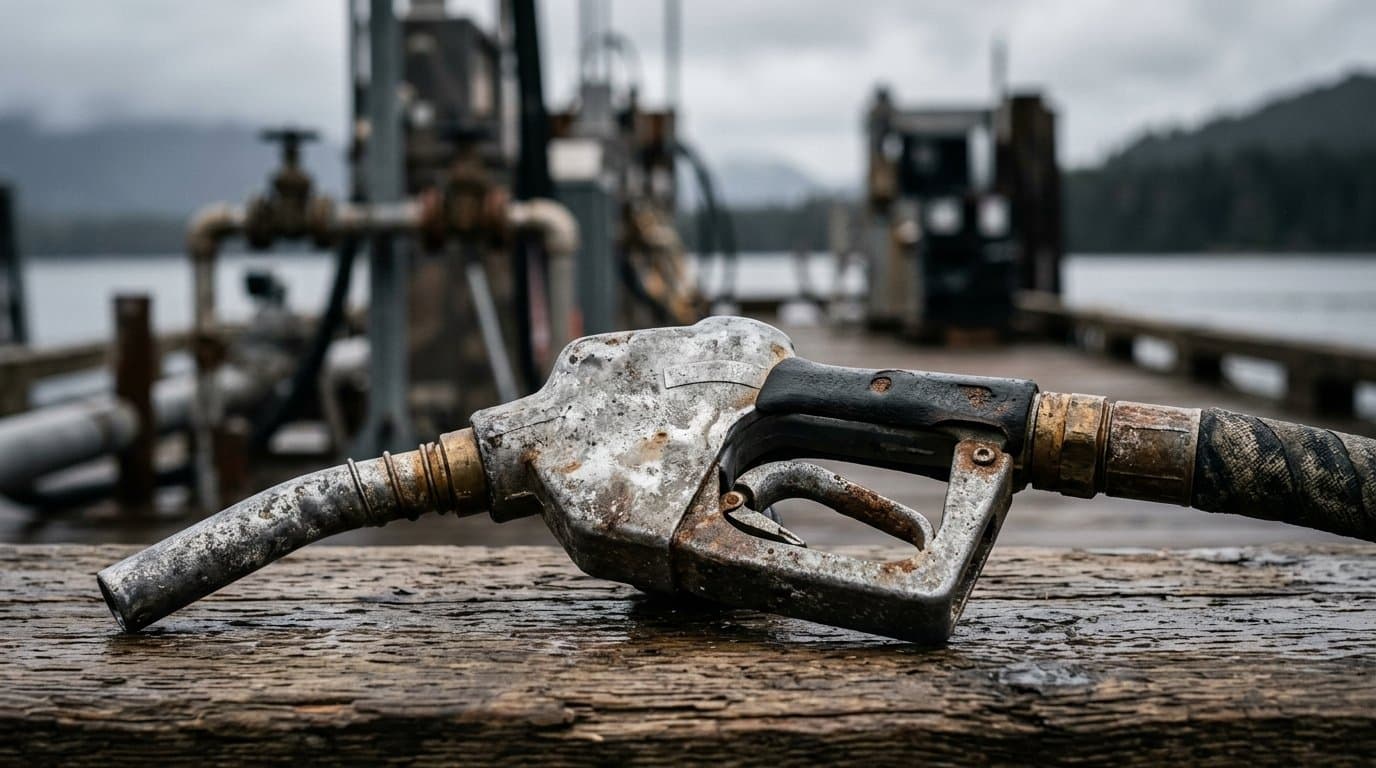
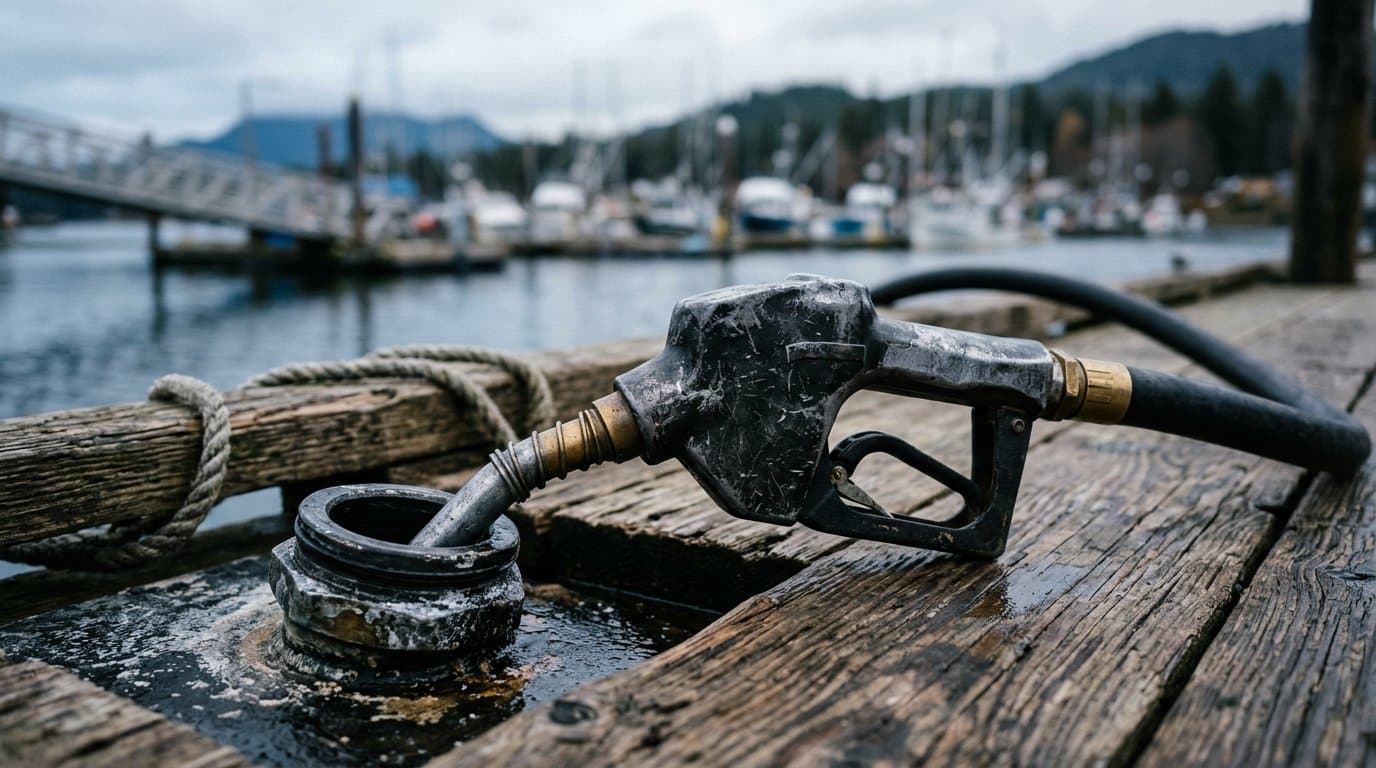
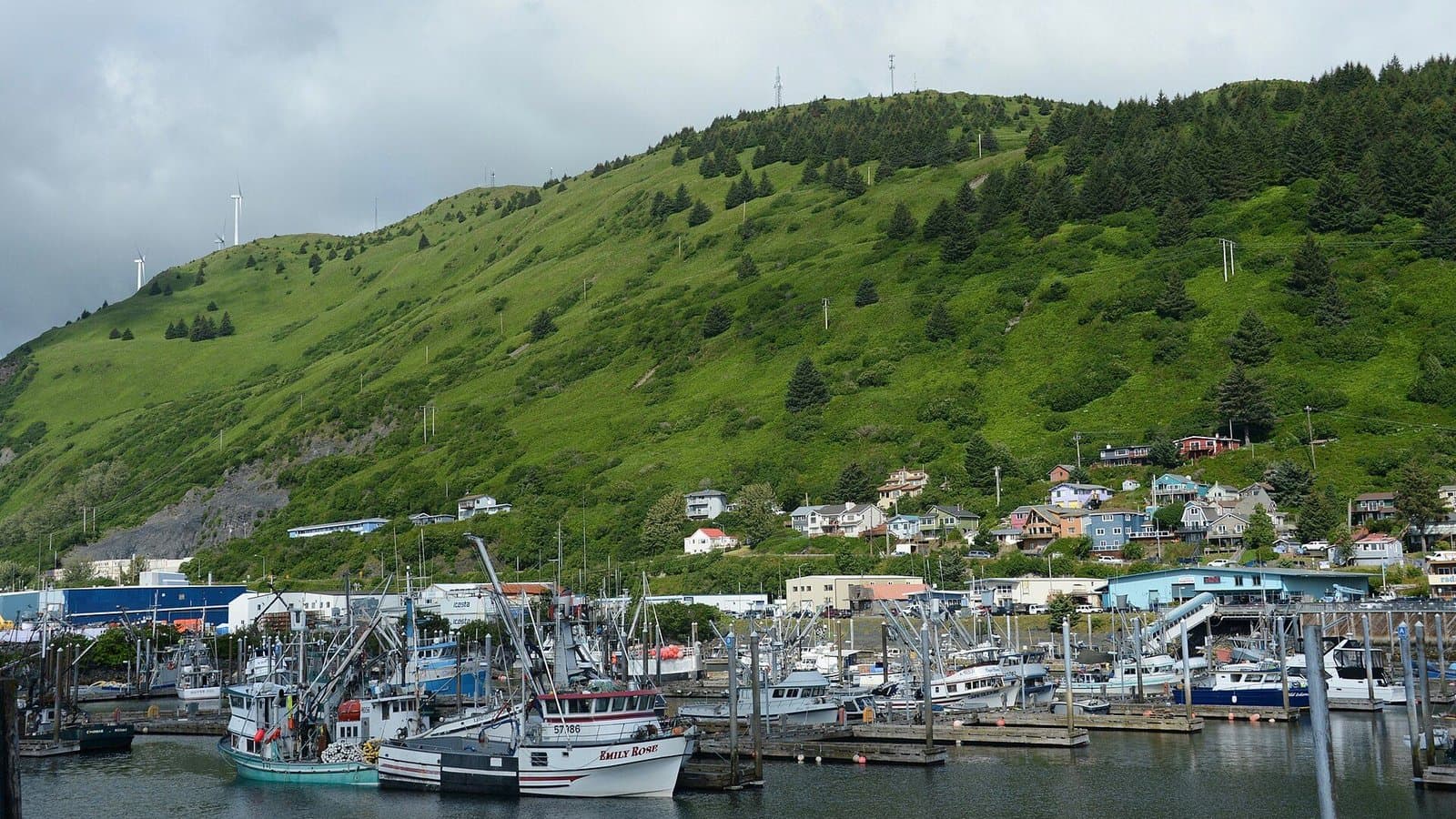
The dock would sit at the existing municipal dock at the end of Dock Street on Wrangell Narrows, sharing space with Petro Marine Fuel Services. American Cruise Lines proposed to build and fund the dock itself in exchange for a 60-year lease and the right to manage it. The Petersburg Borough Assembly unanimously approved the tidelands lease for the mooring float and gangway on April 20.
The dock would hold a 24-by-160-foot concrete float, a 100-foot gangway and four floating fender dolphins, according to permit drawings showing the 268-foot American Constitution at berth. Piles would be started with a vibratory hammer, then driven to final depth with an impact hammer, with work planned for March 2027. The application lists six 24-inch steel piles. The state notice lists eight.
The certification request, filed Sept. 29, describes a fuel leak found Nov. 6, 2019, at the Petro One fuel tanks during upgrades to the tanks' sump containment. Soil samples showed diesel-range fuel compounds at 1,900 milligrams per kilogram and gasoline-range compounds at 380.
The second site, the Petersburg AFS Tank Farm, was reopened after Petro 49 Inc., doing business as Harbor Enterprises, sampled its soil and groundwater in an environmental assessment. The application says diesel and heavier fuel residues, volatile organic compounds and polycyclic aromatic hydrocarbons exceeded the most stringent cleanup levels in soil and groundwater.
The application proposes no dredging or fill and lists zero acres of waters or wetlands filled. It lists turbidity, sediment, metals and petroleum hydrocarbons as possible pollutants. Concentrations "will be minimal, highly transient, and rapidly dissipate within the immediate mixing zone," the application says. It proposes standard sediment control practices, continuous visual monitoring for plumes and a spill plan. A certified protected species observer would be on-site during all operations.
The U.S. Army Corps of Engineers, which must also permit the dock, took comment Sept. 1 through Oct. 1. Its notice said the project may affect endangered humpback whales and Steller sea lions, and that the state department had preliminarily determined a water quality certification was not needed.
What did you make of this story? (no account needed)
Made by our human newsroom with AI. How humans and AI work here · Grow with our newsroom ·
Keep Alaska News free for everyone.
No paywall, ever. Members pay so everyone can read the meetings and records Alaska News covers.
Get Alaska News in your inbox
Create your free account and get the day’s top stories around 6 each morning, in a few minutes’ read.
Top stories, around 6 each morning.
Stories on what you follow, on Sundays.
Source: U.S. Army Corps of Engineers.





Comments
Sign in to leave a comment.
No comments yet. Be the first to share your thoughts.