A federal expansion of hunting and fishing access on national wildlife refuges would land most heavily in Alaska
The U.S. Fish and Wildlife Service has proposed the largest expansion of hunting and fishing access in agency history, opening or expanding more than 1,450 opportunities across 32 states. Alaska's stake in that expansion is bigger than any other state's: Alaska is home to 16 National Wildlife Refuges totaling roughly 76 million acres — more than three-quarters of the entire National Wildlife Refuge System by area.
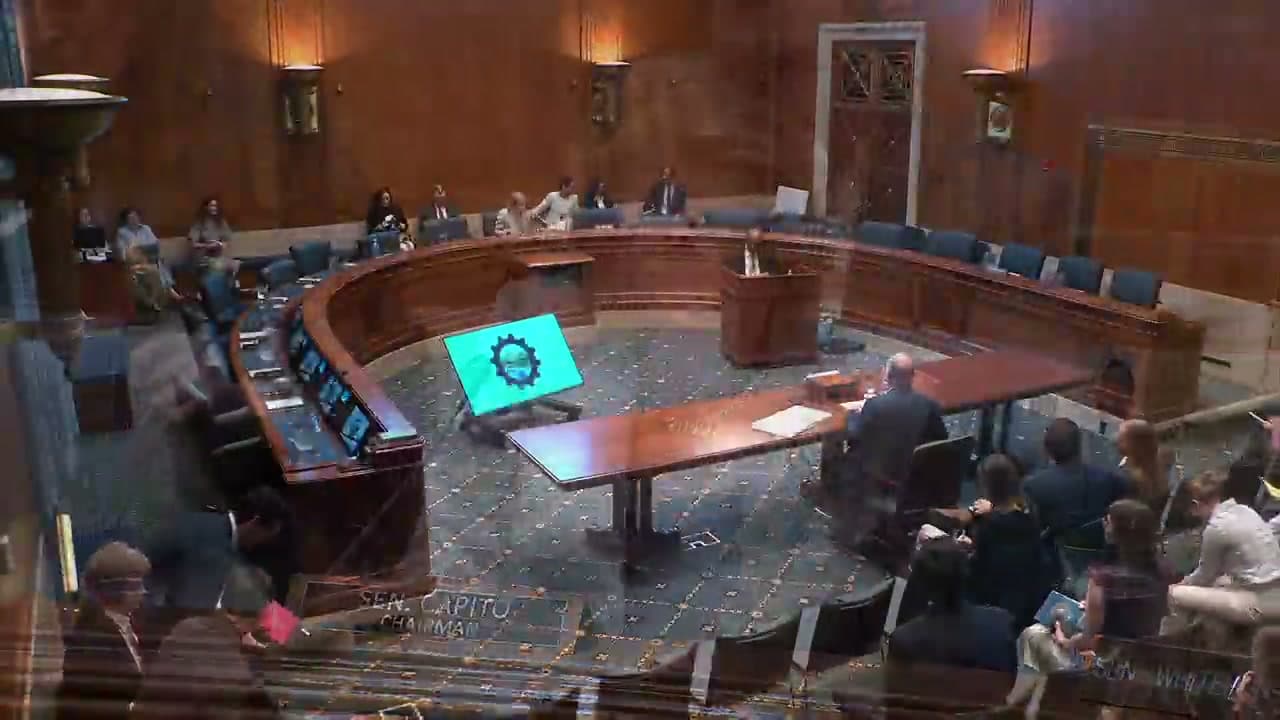
FWS Director Brian Nesvik described the May announcement Wednesday in testimony to the Senate Environment and Public Works Committee, framing the expansion as a commitment to American hunters and anglers, support for rural economies, and a way to foster community engagement.
For Alaska, the practical scale is unusual. The state's refuge system includes the Arctic and Yukon Delta refuges — each around 19 million acres on their own — along with Kenai, Kodiak, Alaska Maritime, and 11 others. Together they support sport hunting and fishing for moose, caribou, Dall sheep, brown and black bears, salmon, and char, under a state-federal management framework set in large part by the Alaska National Interest Lands Conservation Act of 1980. ANILCA also makes subsistence use a priority on federal lands in Alaska — a category of use that doesn't exist in the Lower 48 refuge system.
The fiscal year 2027 budget the agency presented to the committee includes $2.5 million for visitor services at wildlife refuges, $3 million for refuge law enforcement, and $113 million for refuge system maintenance. None of those allocations are Alaska-specific, but Alaska's outsized share of the refuge system means Alaska refuges would receive a substantial share of the operational support.
Which specific Alaska refuges and species are included in the 1,450-opportunity expansion is not detailed in the budget testimony. That breakdown would be addressed in agency refuge-by-refuge implementation announcements.
This article is based on a public meeting of Senate Environment and Public Works (Sullivan) — Senate Environment and Public Works (Sullivan): Hearings to examine the President's proposed budget request for fiscal year 2027 for the U.S. Fish and Wildlife Service. ().
Made by our human newsroom with AI. How humans and AI work here · Grow with our newsroom Transcript byLucas Brown
Stay informed. Support what matters.
Free, permanent access to local news you can verify. Subscribe to support Alaska News and go ad-free.
Related Coverage
An order would presume hunting is allowed on Alaska's federal land
Alaska News · 1mo ago
Federal Subsistence Board adopts 52 wildlife proposals for Alaska
Alaska News · 6mo ago
Fish and Wildlife lost quarter of staff, faces questions on refuge management
Alaska News · 4mo ago
A quiet change to how Alaska's bird seasons get set
Alaska News · 3mo ago
Alaska lists 5.7 million acres of land selections it could give back to federal ownership
Alaska News · 4w ago
Comments
Sign in to leave a comment.
No comments yet. Be the first to share your thoughts.