Speaker C
37:58 - 38:54
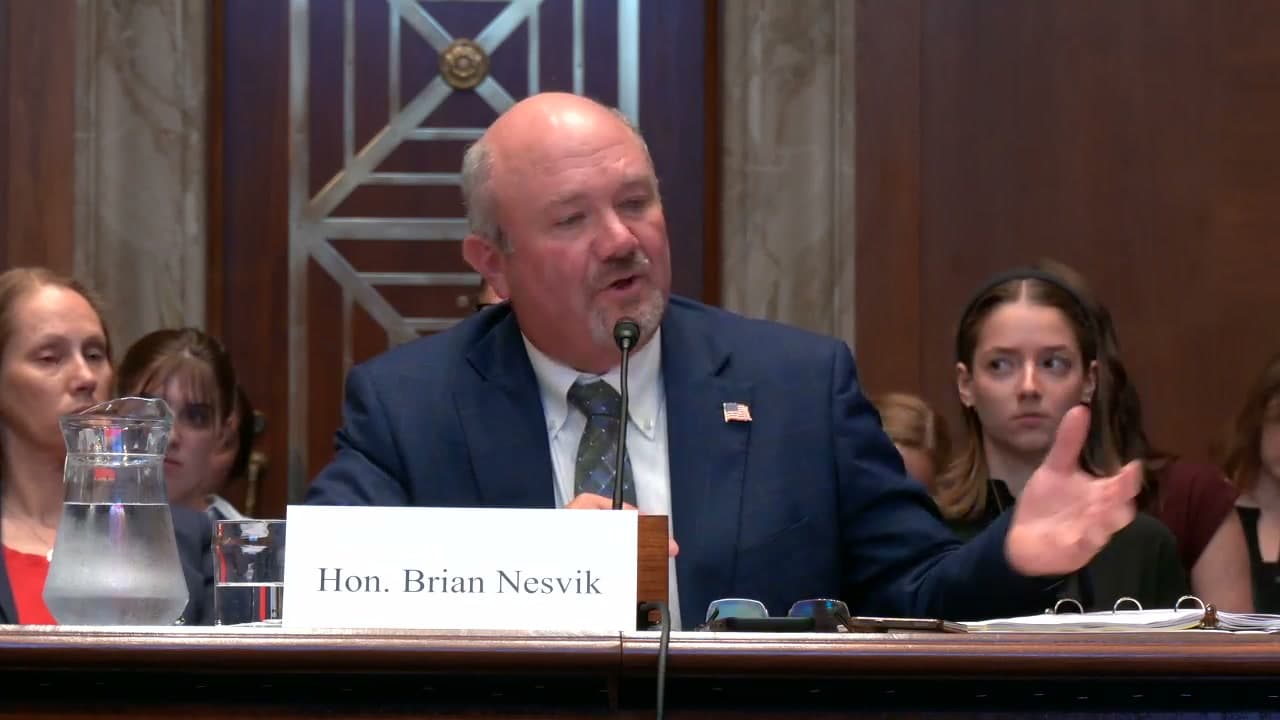
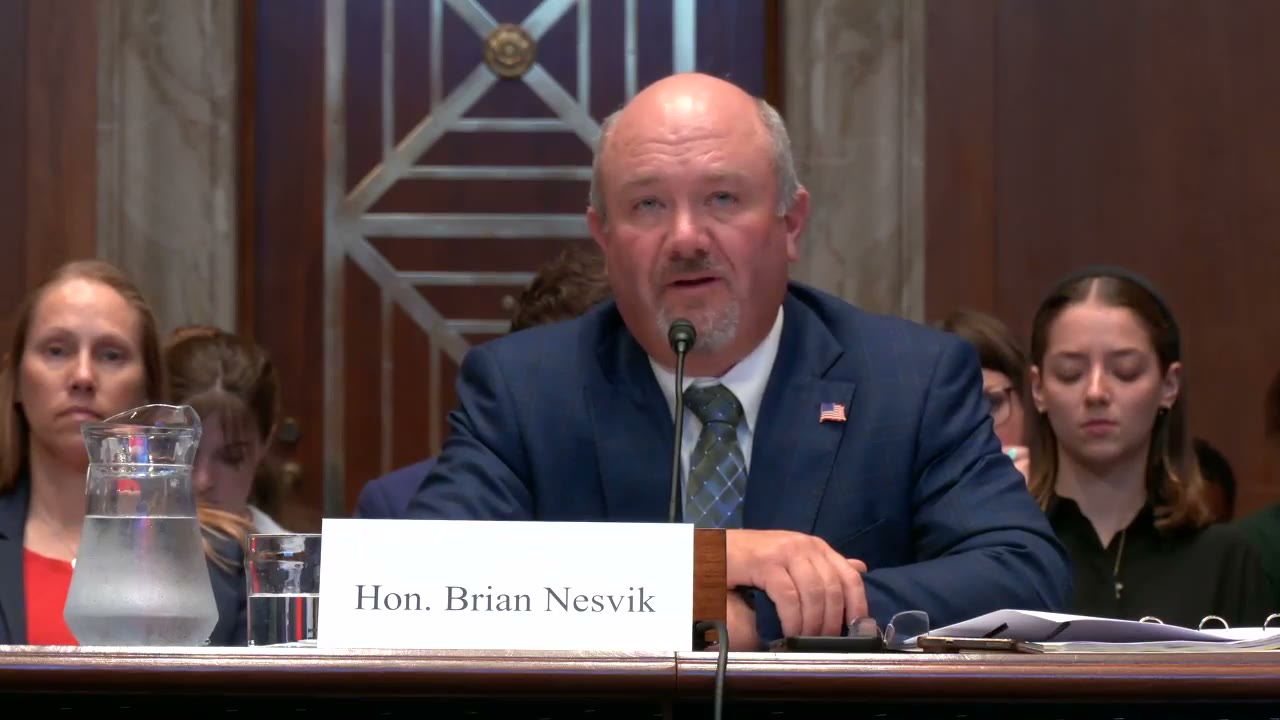
"specific to the ranking member's questions regarding clean energy projects, you know, I think that that folks are aware that this administration directed a review process for all energy projects, and part of that review process included initially a prohibition from those particular energy proponents from being able to submit their projects. That's— those reviews are ongoing, and I don't have much more on that."
“specific to the ranking member's questions regarding clean energy projects, you know, I think that that folks are aware that this administration directed a review process for all energy projects, and part of that review process included initially a prohibition from those particular energy proponents from being able to submit their projects. That's— those reviews are ongoing, and I don't have much more on that.”
- Speaker
- Speaker C
- Timestamp
- 37:58 – 38:54
- Community
- Alaska News
- Location
- Alaska
- Captured at
- June 10, 2026
From the transcript
With improvements to IPAC, we believe we can cut down permitting timelines, you know, by half. And so there is interest within the department. There's, as you indicated, there's lots of support for moving forward with IPAC, and I believe that we can, we can do better, particularly by focusing on it and on these improvements. You know, specific to the ranking member's questions regarding clean energy projects, you know, I think that that folks are aware that this administration directed a review process for all energy projects, and part of that review process included initially a prohibition from those particular energy proponents from being able to submit their projects. That's— those reviews are ongoing, and I don't have much more on that.
Related Coverage
A federal expansion of hunting and fishing access on national wildlife refuges would land most heavily in Alaska
The U.S. Fish and Wildlife Service proposed the largest expansion of hunting and fishing access in agency history in May, opening or expanding more than 1,450 opportunities across 32 states including Alaska's National Wildlife Refuges. Director Brian Nesvik told the Senate Environment and Public Works Committee Wednesday the proposal reflects the Trump administration's commitment to American hunters and anglers.
 by Alaska News3mo ago2 min readAI
Fish and Wildlife lost quarter of staff, faces questions on refuge management
The U.S. Fish and Wildlife Service has lost roughly **1,800 employees**, about a quarter of its workforce, including **530 biologists** and over 100 regional senior staff. Director Brian Nesvik told the Senate Environment and Public Works Committee Wednesday that some refuges now have no staff working on the ground, though he said that does not necessarily mean they are closed to public use.
by Alaska News3mo ago2 min readAI
Fish and Wildlife Service seeks $5M to cut energy permit times in half
The U.S. Fish and Wildlife Service asked Congress Wednesday for $5.1 million to speed up endangered species consultations for energy projects from 30 to 14 days, directly affecting Alaska oil, gas, and mining permit timelines.
by Alaska News3mo ago2 min readAI