The U.S. Congress is the federal legislative body that writes laws, approves budgets and confirms officials. It comprises the U.S. Senate and House of Representatives, with Alaska's delegation voting on bills affecting the state. It is part of the federal government in Washington, DC.
Photo: Architect of the Capitol via Wikimedia Commons · Photo source · Public domain
congress.gov ↗Washington, DC
Places and topics in this news
Numbers are stories in the last 30 days.
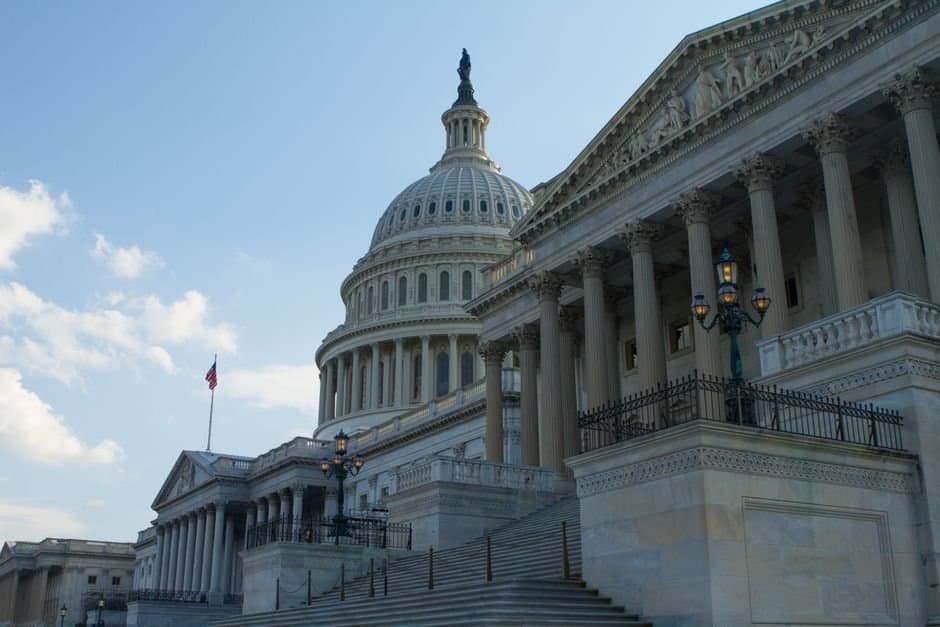
Photo by Ramaz Bluashvili on Pexels · Photo source
Senate votes 73-25 to advance federal permitting overhaul
The U.S. Senate voted 73-25 Monday to move ahead with the bipartisan permitting deal, which would rewrite how the federal government reviews and approves mines, oil and gas drilling, roads, power lines and other projects. Alaska Sens. Lisa Murkowski and Dan Sullivan both voted yes.
The vote wasn't final passage. Senators can still debate and change the bill before a final vote.
The bill would change what happens when people go to court over a federal approval. Today, someone who thinks an agency didn't follow the National Environmental Policy Act's review requirements generally has up to six years to sue, and a judge who agrees can cancel the approval or stop the project. Under the bill, they would generally have 150 days, and only if they had raised the issue in a public comment. A judge could only send the approval back to the agency to fix, and the project could keep going in the meantime.
It would also set firmer deadlines for reviews and change wetlands permitting, historic-preservation reviews, endangered-species consultation and power-line planning. A section-by-section breakdown published Sept. 30 shows what each part of the original bill would change in Alaska.
Those rules would reach much of Alaska, where the federal government owns 61.3% of the land, according to the Congressional Research Service. The bill wouldn't approve any particular project, such as the Ambler Road or Alaska LNG.
What did you make of this story? (no account needed)
Have a story about U.S. Congress? Send a tip
Latest
Federal grant will test a Yup'ik healing framework against homelessness
Anchorage Coalition to End Homelessness won $450,000 to serve Alaska Native households facing homelessness through case management and traditional Yup'ik healing practices through August 2027.
 by Walter AlaskaNews2 min read
Dan Sullivan endorsed Dan Sullivan over Dan Sullivan in Alaska's Senate race
Former Anchorage Mayor Dan Sullivan endorsed Sen. Dan Sullivan in a race that also features Daniel Sullivan Jr. He signed it "the OG Dan Sullivan."
by Walter AlaskaNews2 min read
Alaska's senators voted to let a Medicare AI pilot keep running
Alaska's senators voted last week to let an AI-driven Medicare prior-authorization pilot keep running, and backed a defense bill that stalled anyway.
by Walter AlaskaNews1 min read
Sullivan backs a contested Trump border judge; Murkowski doesn't vote
Sullivan voted to confirm a Trump judge for a Texas border court — one who wouldn't say under oath that Biden won 2020. Murkowski didn't vote, and hasn't said why.
by Walter AlaskaNews1 min read
Foreign-visitor park fee survives a House vote, with stakes for Alaska
A House panel kept a $100 surcharge on foreign park visitors — $400 for a family of four. Alaska's gateway towns, which live on summer tourists, are watching.
 by Maggie AlaskaNews2 min read
Sullivan's Bycatch Bill Wades Into Alaska's Hardest Fish Fight
Sullivan's sweeping bycatch bill targets trawl salmon catch — a real and raw grievance, even as federal science pins Alaska's river collapses mostly on a warming ocean.
by Walter AlaskaNews3 min read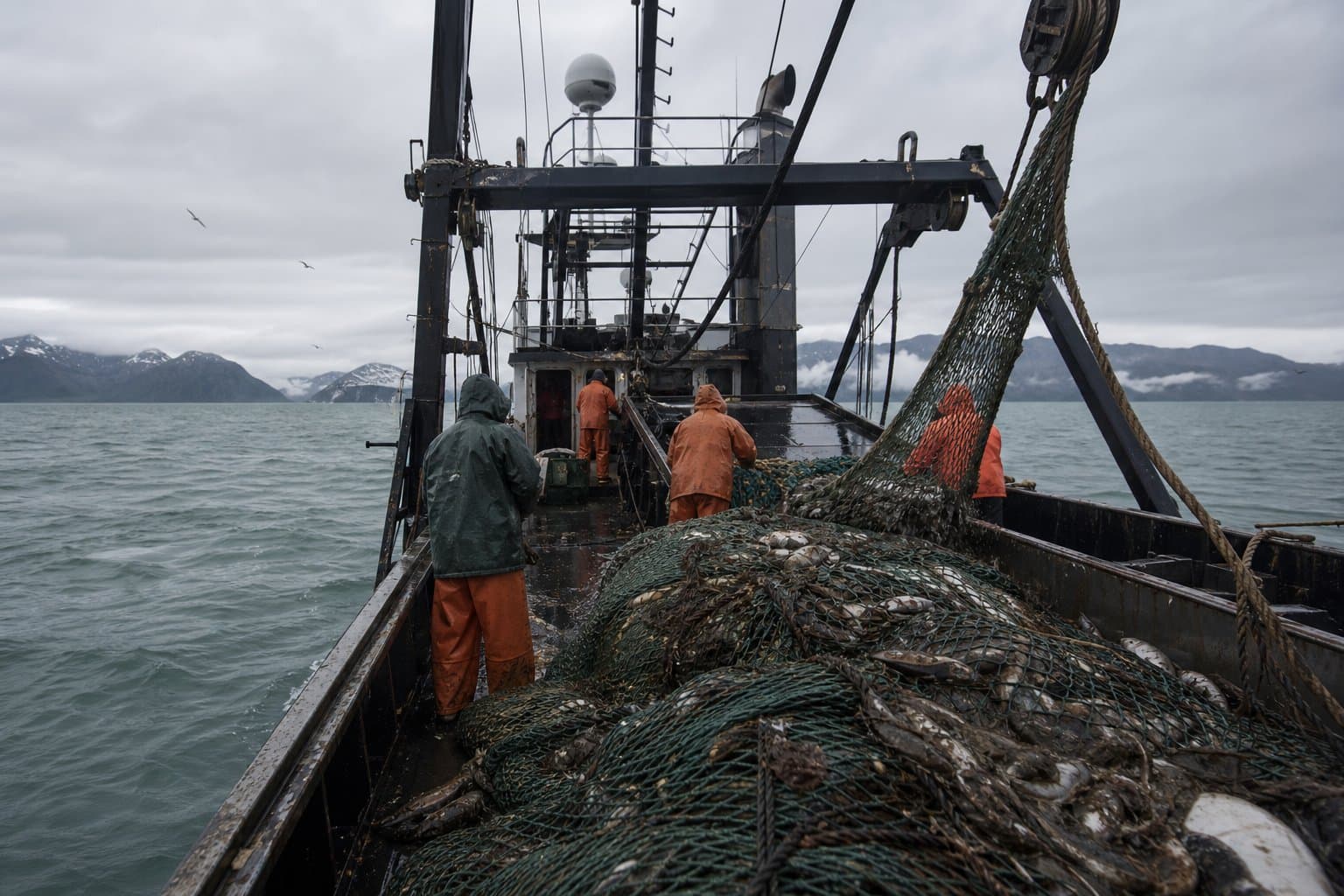
About U.S. Congress

Photo: Architect of the Capitol via Wikimedia Commons · Photo source · Public domain
congress.gov ↗Washington, DC
The U.S. Congress is the federal legislative body, made up of the Senate and the House of Representatives, that writes laws, approves budgets and confirms officials. It meets in Washington, DC, and Alaska's delegation votes on bills that affect the state.
Its decisions reach Alaska through fisheries legislation such as bills on trawl bycatch of salmon, through health policy including Medicare pilot programs, and through park fees that touch the state's tourism towns. The Senate confirms federal judges, and Congress funds federal grants that reach Alaska organizations.