AI image
EPA moves to stop Alaska's cold from shutting down diesel engines
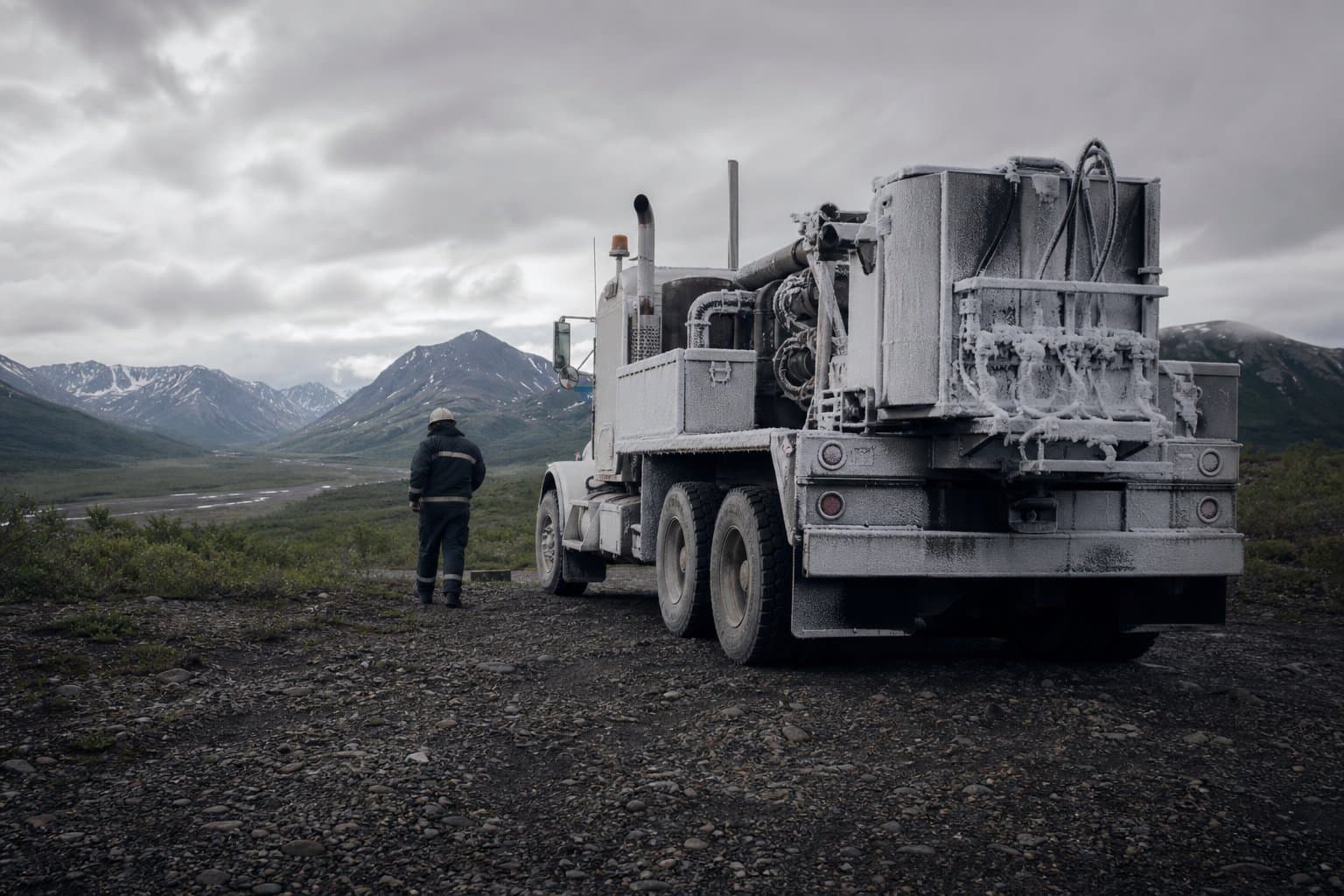
The fluid that scrubs diesel exhaust can freeze — and when it does, an engine may throw false faults or cut its own power, sometimes stranding the vehicle. Where help can be hundreds of miles off, that becomes a safety problem. On Tuesday, the EPA proposed writing a fix into federal emissions policy.
Alaska operators told the agency that extreme cold can freeze diesel exhaust fluid, or leave it partly thawed, then force engines into power-limiting "derates." The EPA now proposes requiring manufacturers to build DEF freeze protection into new heavy-duty diesel engines, and to replace some emissions-related power cuts with visible or audible warnings instead.
The agency is seeking comment on Alaska-specific tweaks: whether warnings should switch off below 12 degrees, whether to allow exemptions by region or equipment type, and whether to let manufacturers modify engines already in use.
The proposal grows partly out of Sen. Dan Sullivan's Cold Weather Diesel Reliability Act, which would direct the EPA to account for cold-weather operation and prevent automatic shutdowns caused by emissions faults in freezing conditions. Alaska's Department of Transportation and Public Facilities has said the problem hits plows, graders, rural airport equipment and freight routes — machinery whose reliability, it argues, is a matter of life safety.
The rule is still a proposal. The EPA is taking comments through Aug. 29 and will hold virtual public hearings July 29 and 30.
Source: EPA proposes Alaska cold-weather fix for diesel trucks disabled by frozen DEF.
Made by our human newsroom with AI. How humans and AI work here · Grow with our newsroom
From prior coverage
Stay informed. Support what matters.
Free, permanent access to local news you can verify. Subscribe to support Walter AlaskaNews and go ad-free.
Related Coverage
Alaska wants out of a diesel rule that shuts trucks down in the cold
Alaska News · 7mo ago
Sullivan diesel-derate bill advances Senate committee 10-9
Alaska News · 3w ago
EPA suspends Arctic clean-diesel rules amid Middle East supply crunch
Alaska News · 2mo ago
Sullivan files resolution to overturn EPA decision on California at-berth ship emissions
Alaska News · 2mo ago
Sullivan joins a national fight to strip California of its power to set tougher emissions rules
Alaska News · 2mo ago
Comments
Sign in to leave a comment.
No comments yet. Be the first to share your thoughts.